










Product Details
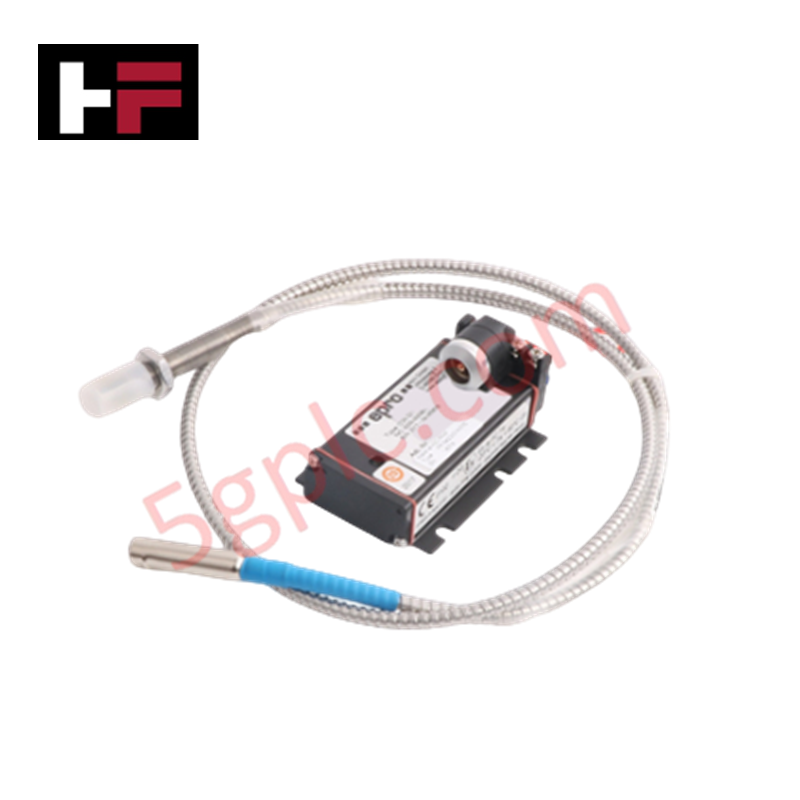
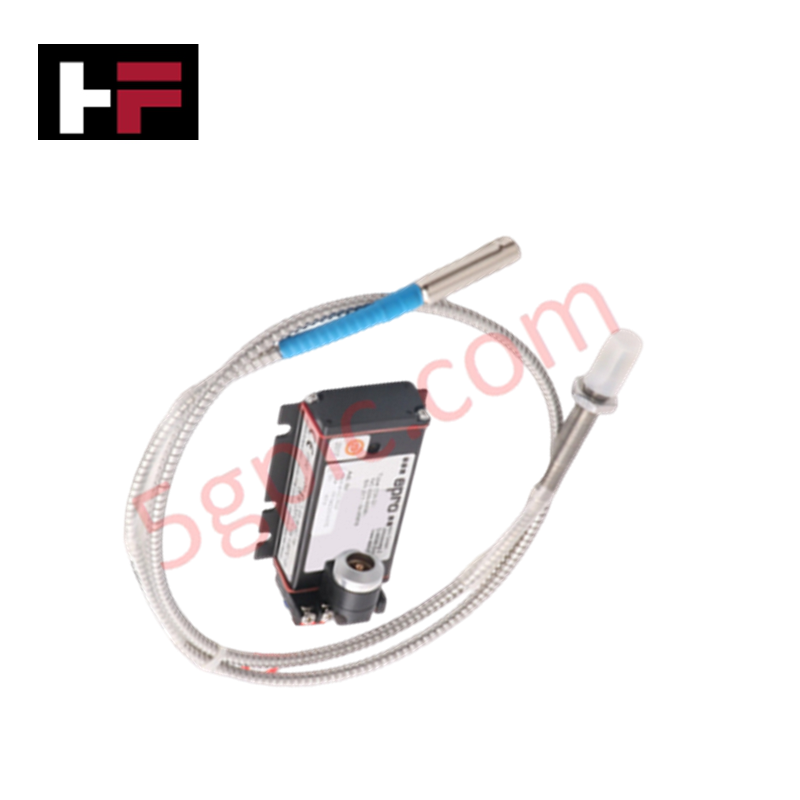
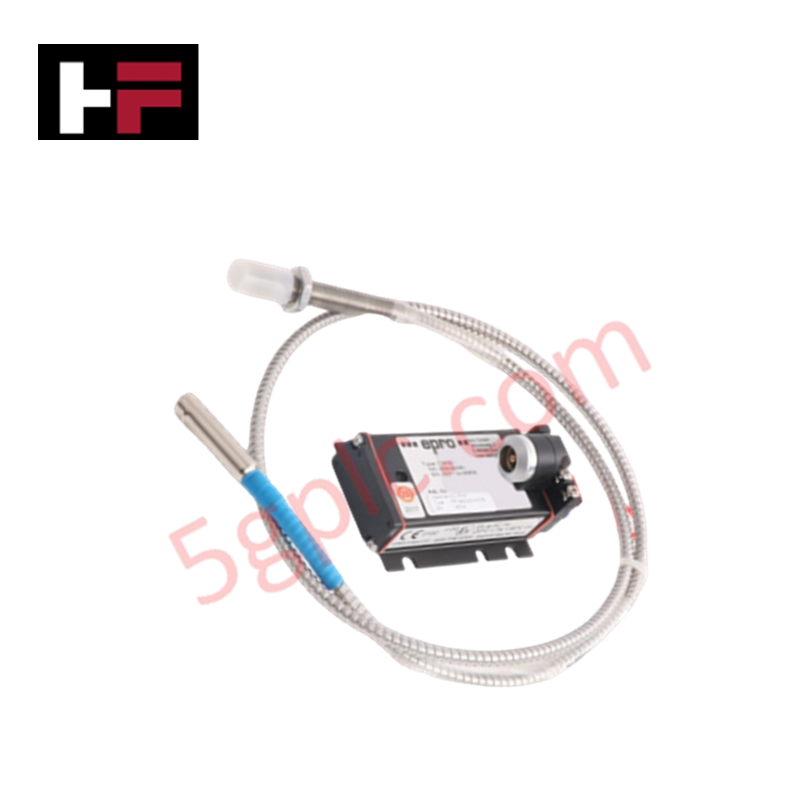
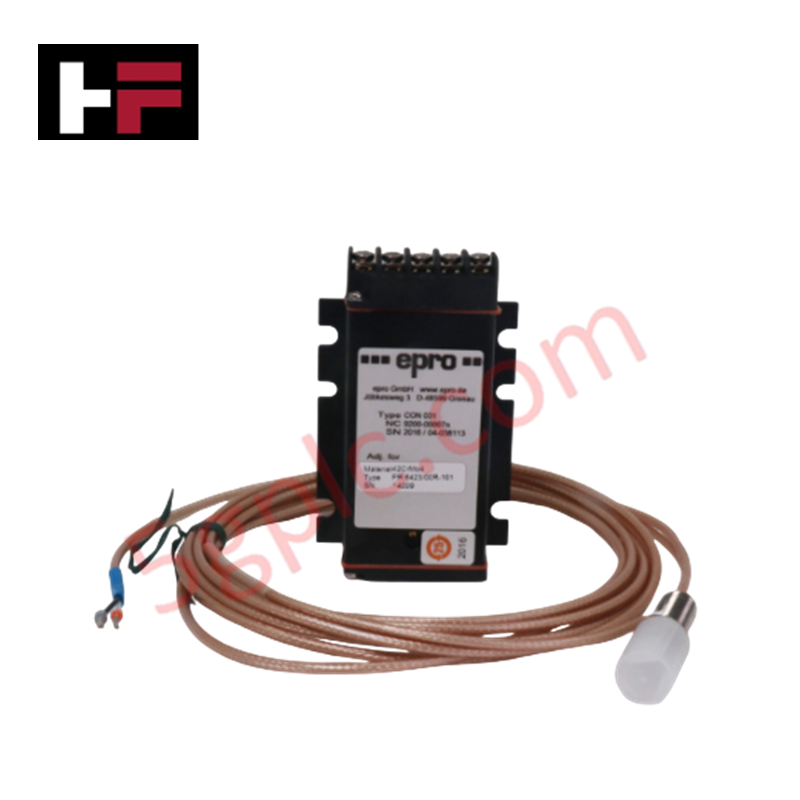
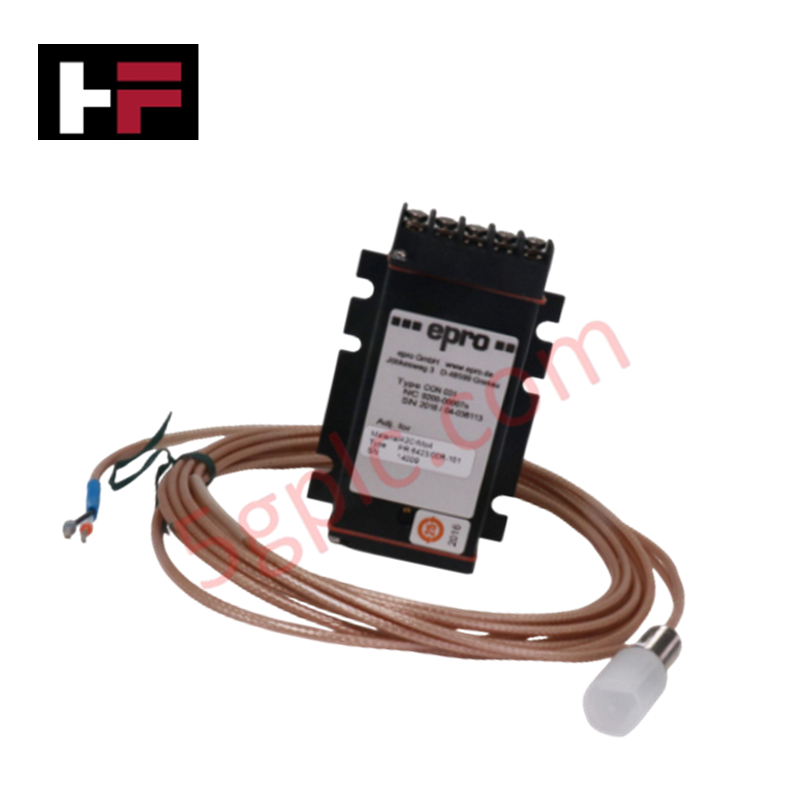
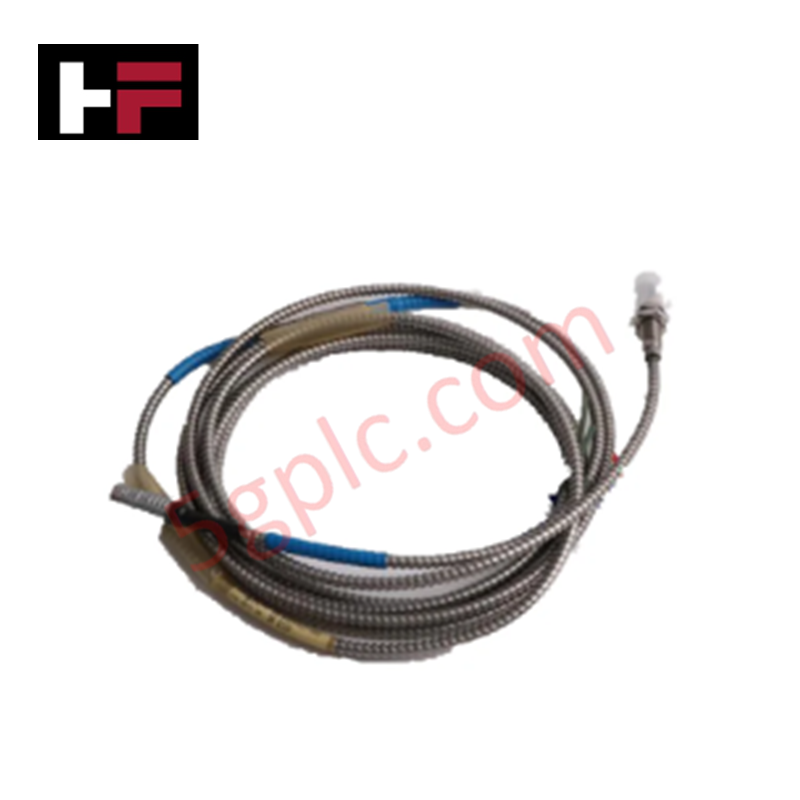
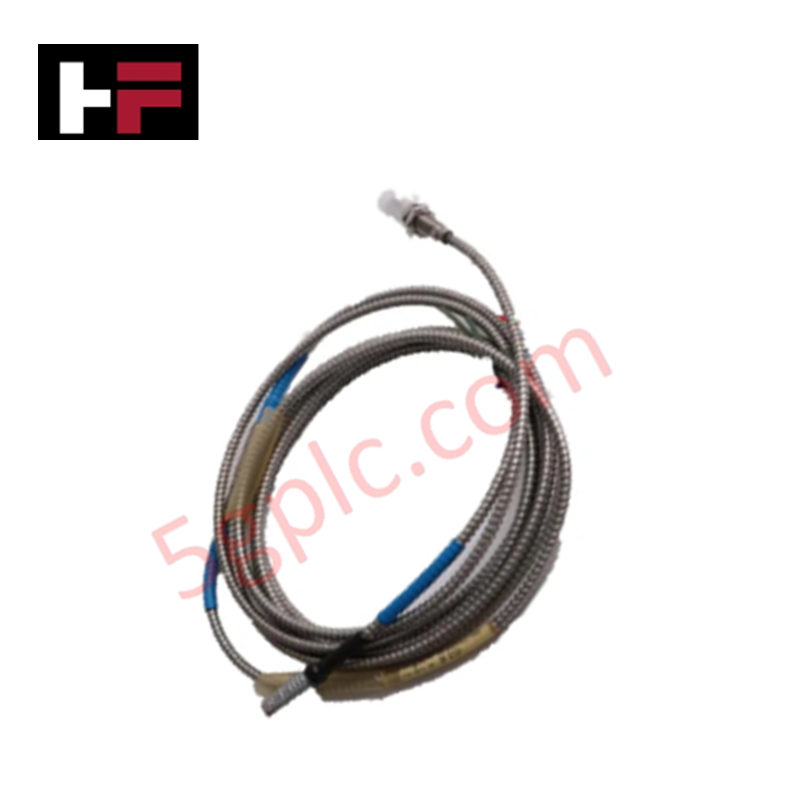
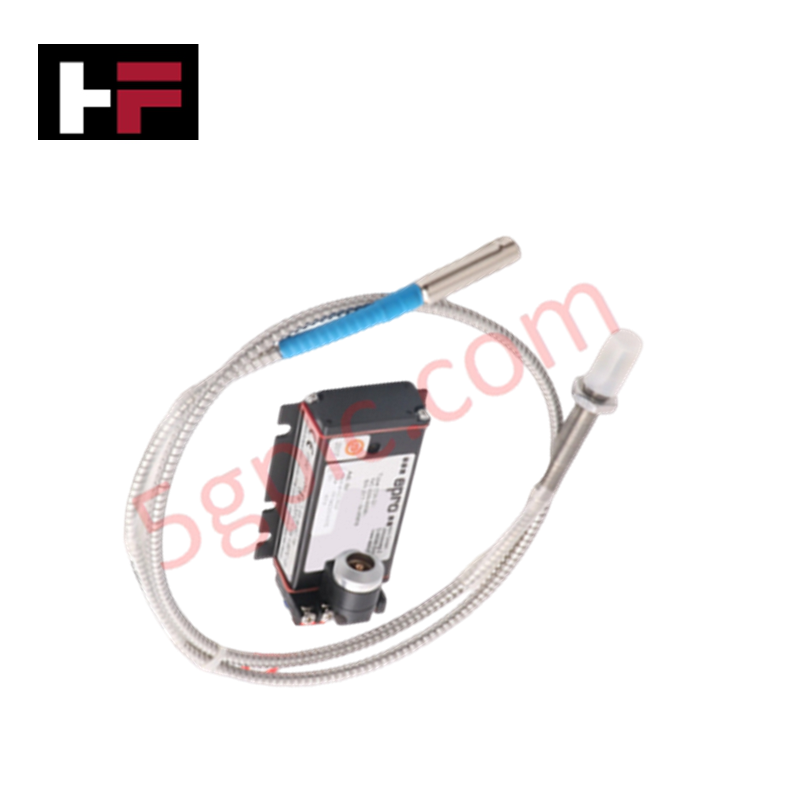
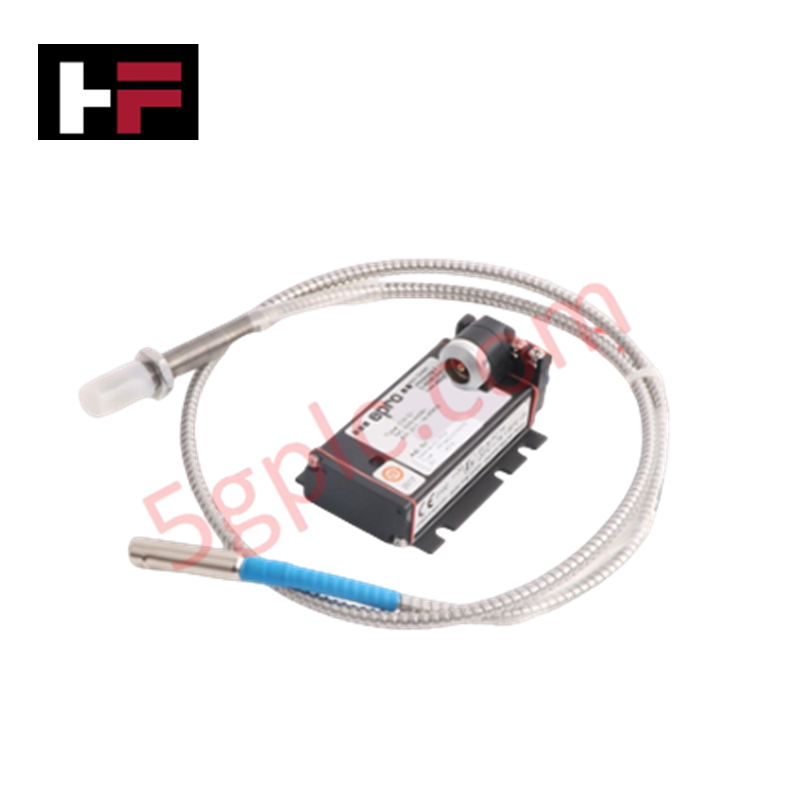
Configured for non-contact shaft displacement and radial vibration execution in turbomachinery protection platforms, the EMERSON PR6423/012-010 (PR6423 Eddy Current Sensor) provides direct physical/electrical execution.
Hardware Specifications
| Parameter | Specification |
|---|---|
| Model | PR6423/012-010 CON021 |
| Brand | EMERSON (Epro) |
| Origin | Germany / USA |
| Weight | 0.38 kg |
| Dimensions | Standard M10 thread body / 8 mm tip diameter |
| Operating Temp | -35 deg C to +180 deg C (Sensor Tip) |
| Power Consumption | Loop powered via CON021 signal converter / transmitter |
| Measuring Principle | High-frequency non-contact eddy current induction |
| Connector Interface | CON021 robust coaxial connector assembly |
Eddy-Current Probe Scaling & Gap Voltage Validation
The PR6423 sensor functions by generating an RF field at the probe tip, where target distance variation alters magnetic loss characteristics. Accurate signal transduction relies on exact eddy-current probe scaling tuned to 4140 steel or specified shaft metallurgy. Static positioning requires gap voltage validation (-10 VDC targets) across the linear range of the associated CON021 transmitter module. Array configurations utilize physical spatial separation to ensure cross-talk suppression during multi-axis radial vibration measurement on high-speed rotor dynamics setups.
Frequently Asked Questions
Q: What is the primary purpose of the CON021 integrated connector interface?
A: The CON021 connector provides a sealed, low-attenuation coaxial coupling designed to maintain high-frequency signal integrity between the sensor cable and signal processing unit in high-vibration industrial environments.
Q: Can the PR6423 probe cable be lengthened or spliced directly in the field?
A: Direct cutting or field splicing is prohibited. The total probe and extension cable length form a tuned resonant LC circuit; altering cable length shifts oscillator frequency and corrupts system calibration.
Field Installation Guidelines
- Ensure target surface maintains adequate counter-bore side clearance to eliminate stray metal proximity interference affecting probe scaling.
- Set physical probe gap using precision feeler gauges or by monitoring transmitter output voltage until the nominal gap voltage (-10 VDC target) is achieved.
- Route sensor cabling through dedicated flexible metallic conduit away from high-voltage AC lines to prevent induced signal distortion.
- Apply thread locking fluid or tighten locknuts to specified mechanical torque limits to prevent installation drift under continuous machine vibration.
Additional Information
- 100% Genuine Parts: All products are original and authentic, ensuring reliable industrial performance.
- 30-Day Refund Guarantee: Return any in-stock item within 30 days in original, unopened packaging for a full refund (excluding shipping and fees).
- 12-Month Warranty: Covers defects in materials or workmanship; excludes misuse, normal wear, or unauthorized modifications.
- Worldwide Shipping: We ship via USPS, UPS, FedEx, and DHL. Delivery times vary by country and may be subject to customs or import fees.
- Support & Contact: Technical and warranty assistance is available anytime. Contact us here: Contact.
- Purchase Guidance: Check product specifications and compatibility carefully before ordering to ensure proper application.




Tech & Buying Guide

Understanding Siemens PLC Memory Cards: MMC, SMC, and SD Solutions in Industrial Automation
Memory management plays a pivotal role in maintaining control system reliability across modern manufacturing plants. Industrial control systems rely on specialized memory cards to store project logic, firmware updates, and retentive system data. Siemens uses several memory architectures, including Micro Memory Cards (MMC) and SIMATIC Memory Cards (SMC). Engineers must understand these hardware variations to ensure zero data loss and minimize downtime during maintenance routines.

Redefining Control Systems: The Rise of Flexible I/O Modules in Industrial Automation
Conventional input-output architectures often limit engineering agility and inflate long-term inventory costs. Today, Flexible Input/Output Modules (FIOM) are transforming how control system engineers design, commission, and maintain automation infrastructure. By allowing individual channel software configuration, FIOM technology bridges the gap between rigid hardware design and dynamic plant requirements.

Understanding Modern SCADA Systems: Architecture, Communication Topologies, and Industrial Applications
Supervisory Control and Data Acquisition (SCADA) systems form the digital backbone of modern industrial automation. They collect critical field data, transmit signals across vast distances, and empower plant operators with real-time process visibility. Across modern infrastructures, SCADA solutions streamline centralized control and maintain continuous operational uptime.