












Product Details
Product Overview
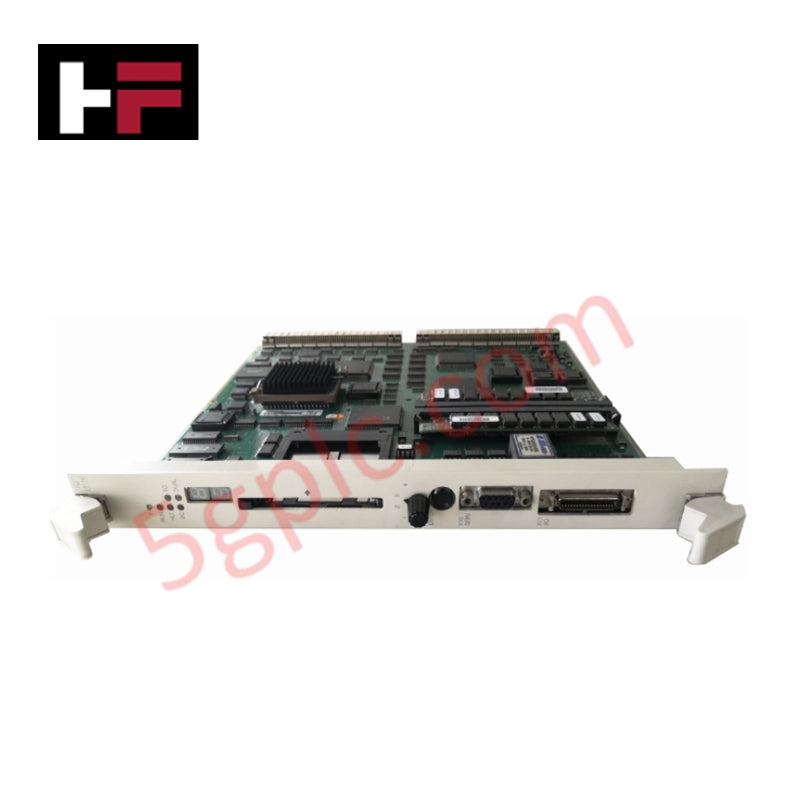
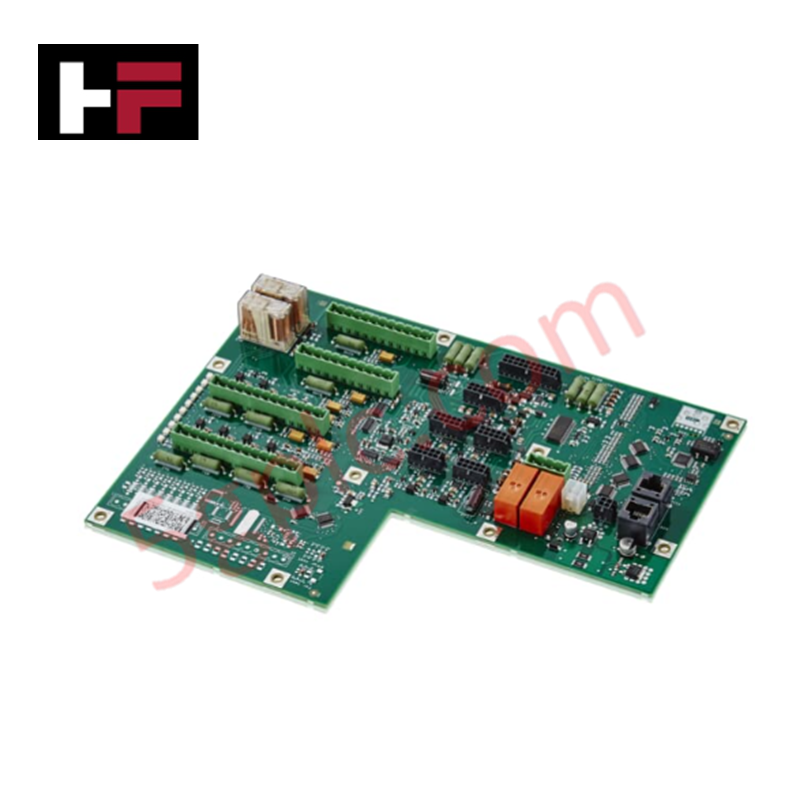
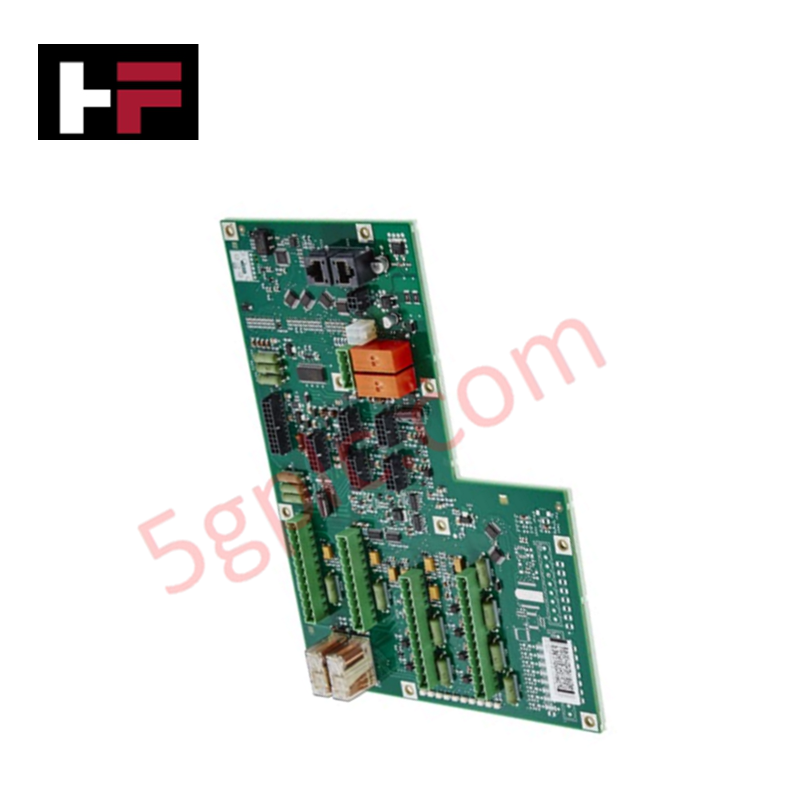
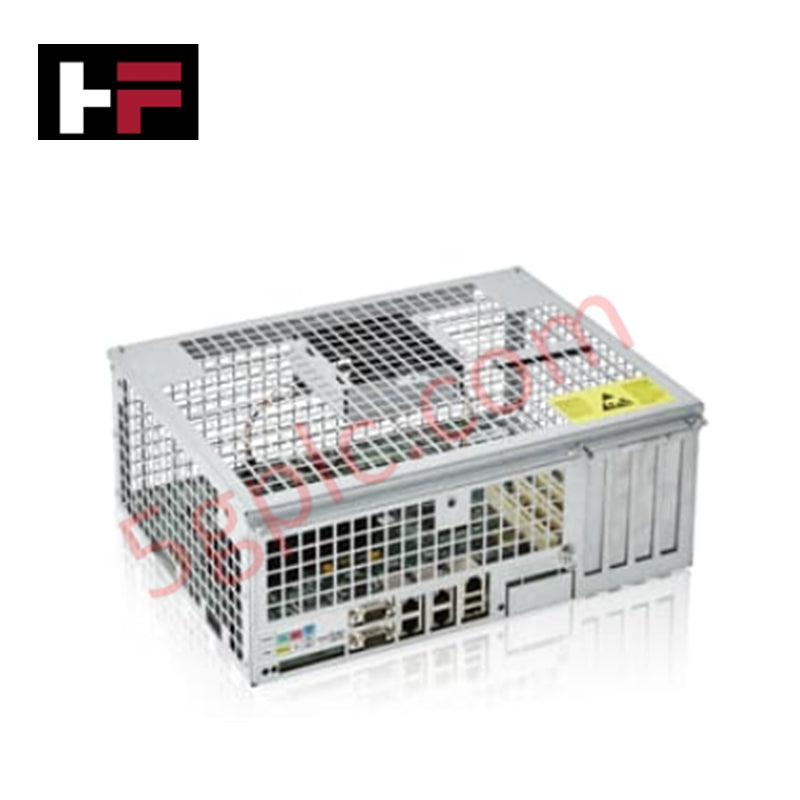
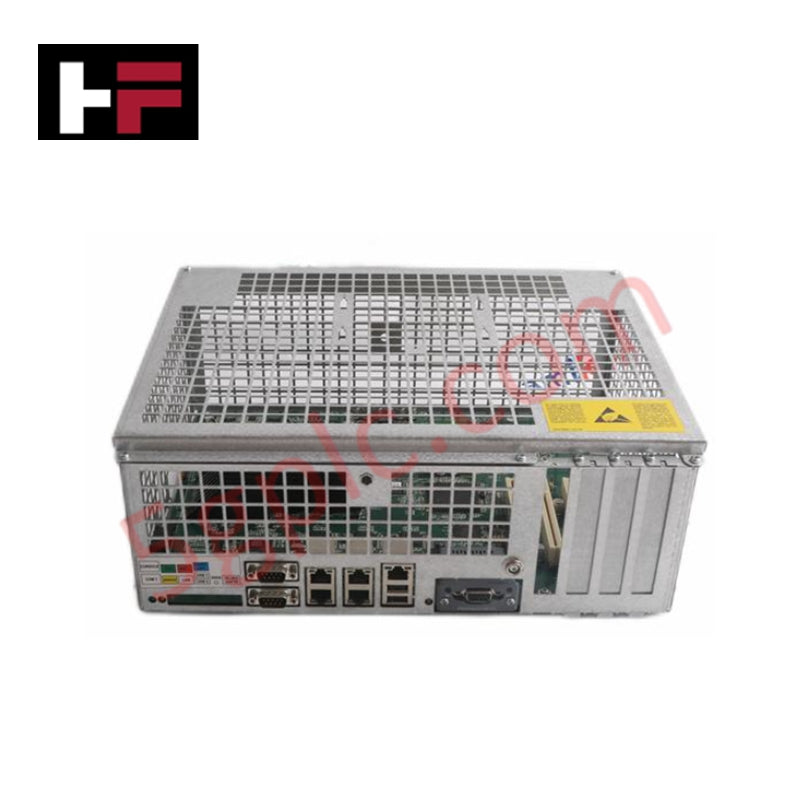
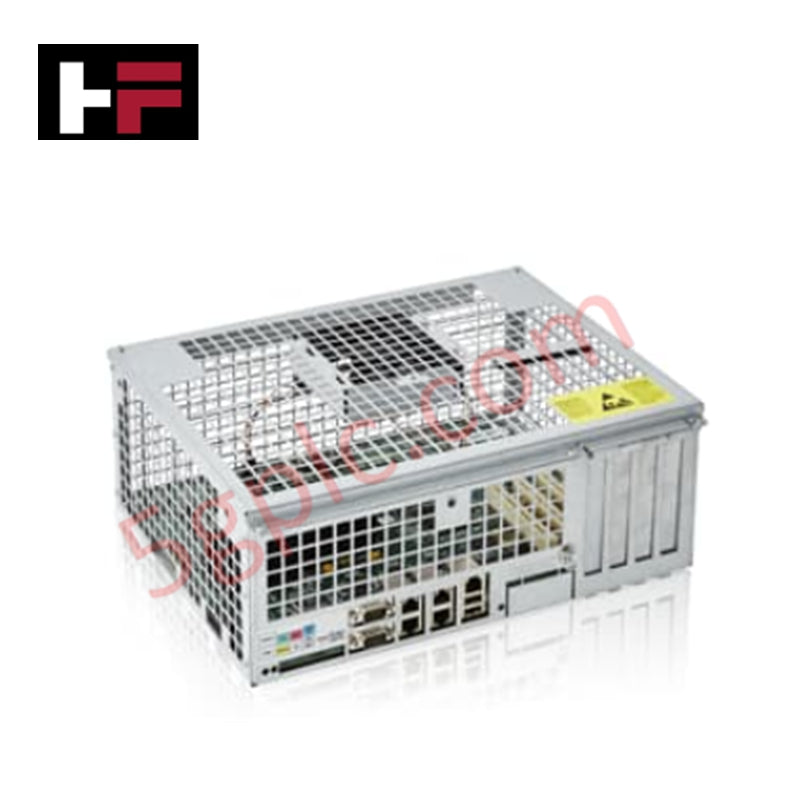
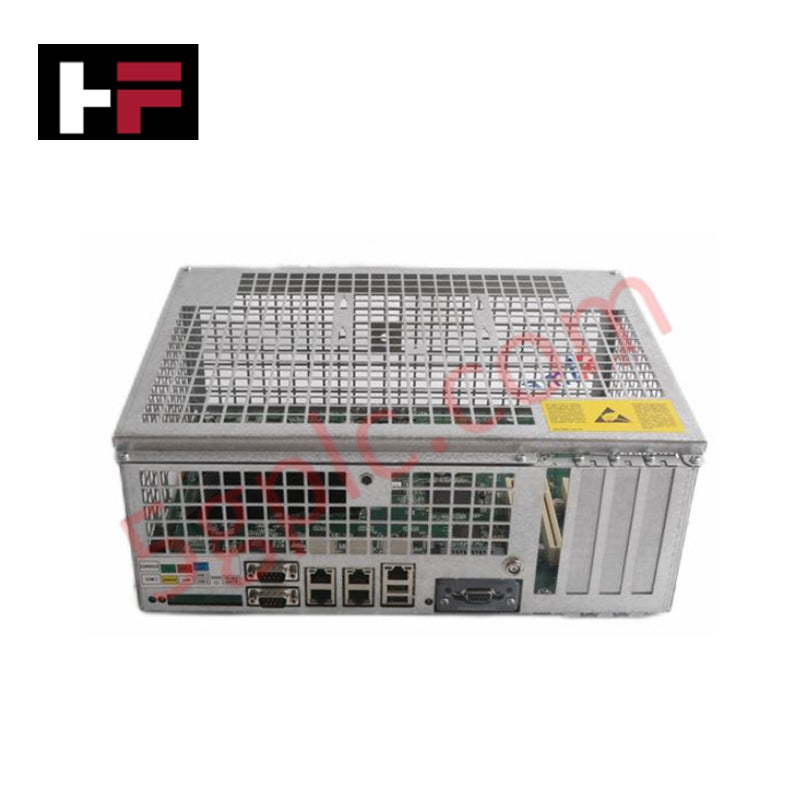
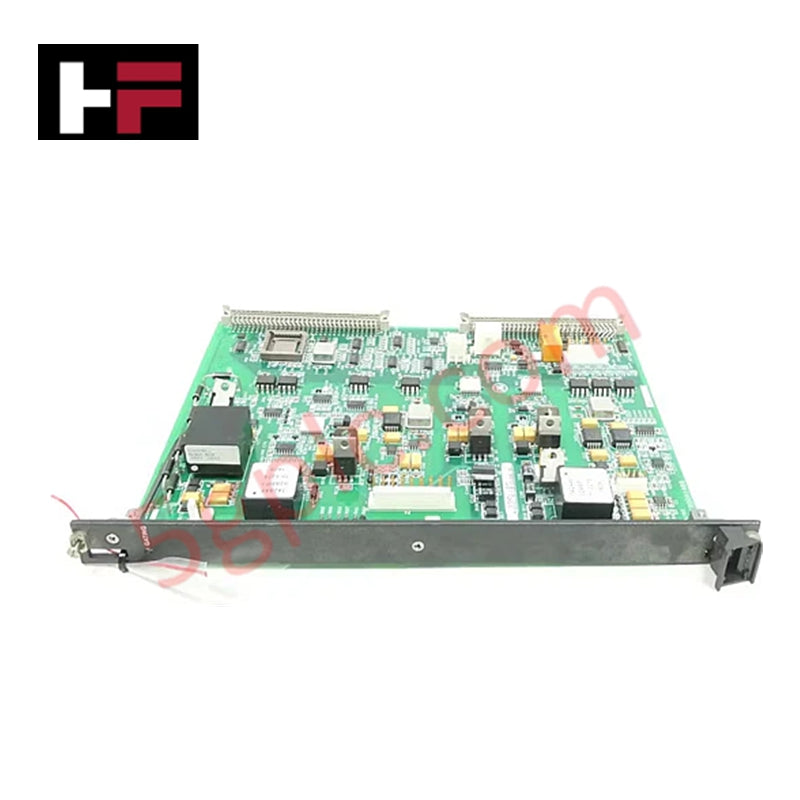
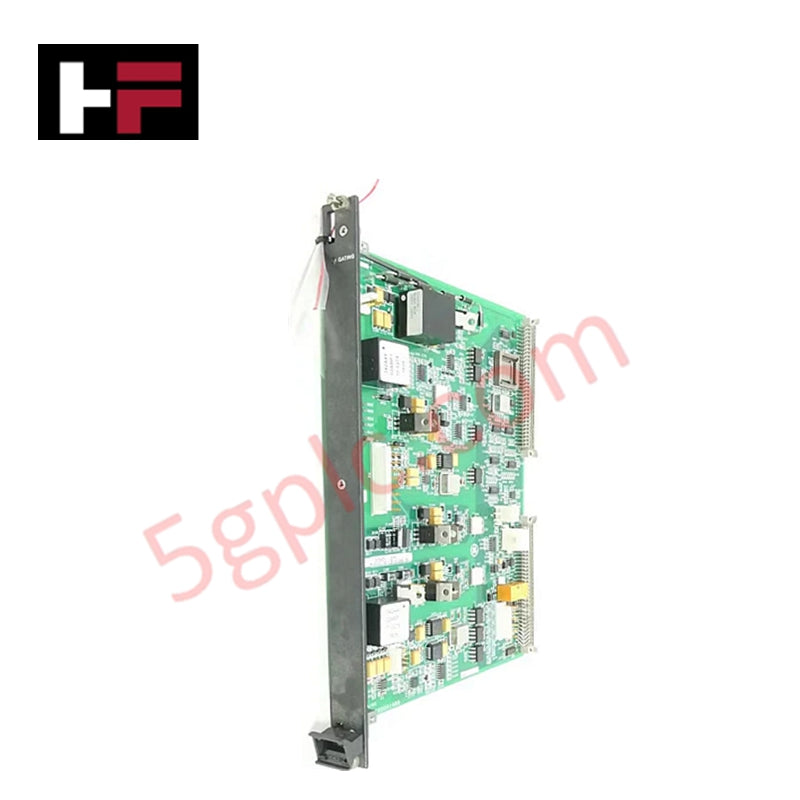
The ABB PM511V16 (3BSE011181R1) serves as the central processing powerhouse for the Advant Controller 400 (AC 400) series. This high-capacity processor module executes complex logic, manages control loops, and coordinates communication across the entire DCS (Distributed Control System) subrack. It handles intensive computational tasks required for large-scale industrial processes, ensuring millisecond-level precision in data handling. We supply this unit as 100% Brand New and Original, maintaining factory-sealed standards to ensure the longevity of your mission-critical control architecture.
Technical Specifications
The PM511V16 utilizes advanced internal architecture to sustain high-speed process automation:
-
Article Number: 3BSE011181R1
-
Series: Advant Controller 410/450
-
Module Type: Central Processing Unit (CPU)
-
Product Net Weight: 0.8 kg
-
Net Depth / Length: 274.5 mm
-
Net Height: 27 mm
-
Net Width: 270 mm
-
Environmental Compliance: Following EU Directive 2011/65/EU (RoHS)
-
WEEE Category: 5. Small Equipment (No External Dimension More Than 50 cm)
Engineering Advantages
-
High-Speed Logic Execution: The PM511V16 manages thousands of I/O points with minimal cycle times. It processes complex PID algorithms and interlocking sequences simultaneously, providing the deterministic performance necessary for power plants and chemical refineries.
-
Robust Fault Tolerance: The processor integrates seamlessly into redundant configurations. When paired with a secondary PM511V16, the system establishes a hot-standby relationship, allowing an instantaneous bumpless transfer if the primary unit detects a hardware fault.
-
Enhanced Memory Management: This V16 revision features optimized memory allocation for large application programs. It supports extensive data logging and complex user-defined function blocks without compromising the stability of the real-time operating system.
-
Advanced Internal Diagnostics: The module continuously monitors its own internal temperature, voltage levels, and memory integrity. It reports discrepancies to the engineering station immediately, allowing for predictive maintenance before a hardware failure affects production.
-
Stable Thermal Profile: Despite its high processing power, the module utilizes a physical design that promotes natural convection. This prevents hotspots within the subrack, even when operating in enclosed cabinets at maximum computational load.
FAQs
-
Can the PM511V16 replace older versions like the PM511V10?
The V16 is a later hardware and firmware revision. While it maintains backward compatibility with the AC 400 backplane, you must verify your system’s software version. A firmware mismatch between the new CPU and the existing database may require a software update in the engineering tool.
-
Does this module include the backup battery?
Typically, the PM511V16 requires a separate battery module (such as the SB510) to maintain the RAM contents during power outages. We recommend installing a fresh battery whenever replacing the main processor to prevent program loss.
-
What are the primary indicators for a healthy PM511V16?
The front panel features status LEDs. A steady "Run" LED indicates normal operation, while a "Fault" or "Stop" LED signifies an internal hardware error or a software-triggered halt. Always check the system error log for specific fault codes.
-
How do I ensure the processor is correctly seated in the subrack?
Align the module with the guide rails in the Advant Controller subrack and press firmly until the connectors engage. Secure the front mounting screws to ensure a solid electrical ground and to prevent mechanical disconnection due to vibration.
Additional Information
- 100% Genuine Parts: All products are original and authentic, ensuring reliable industrial performance.
- 30-Day Refund Guarantee: Return any in-stock item within 30 days in original, unopened packaging for a full refund (excluding shipping and fees).
- 12-Month Warranty: Covers defects in materials or workmanship; excludes misuse, normal wear, or unauthorized modifications.
- Worldwide Shipping: We ship via USPS, UPS, FedEx, and DHL. Delivery times vary by country and may be subject to customs or import fees.
- Support & Contact: Technical and warranty assistance is available anytime. Contact us here: Contact.
- Purchase Guidance: Check product specifications and compatibility carefully before ordering to ensure proper application.
Tech & Buying Guide

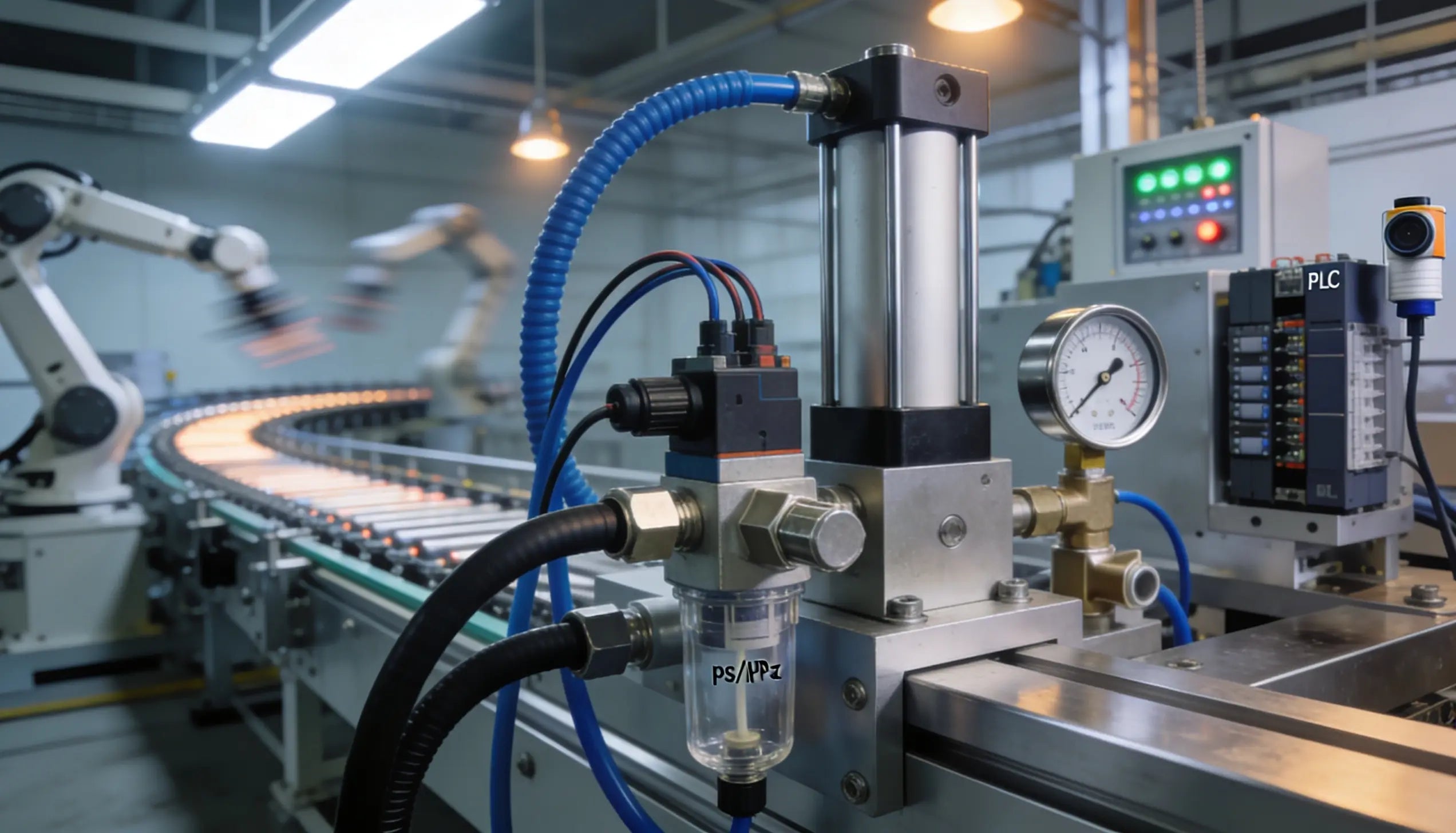
Optimizing Power Supply Sizing for Industrial Automation Systems
The power supply is the silent heartbeat of any industrial automation system. While engineers often prioritize processors and communication protocols, a stable power architecture remains the most critical factor for long-term reliability. In my 15 years of experience, I have found that neglecting power supply sizing often leads to ghost errors, intermittent field device failures, and costly production downtime.
PLC vs. PAC: Navigating Selection in Modern Industrial Automation
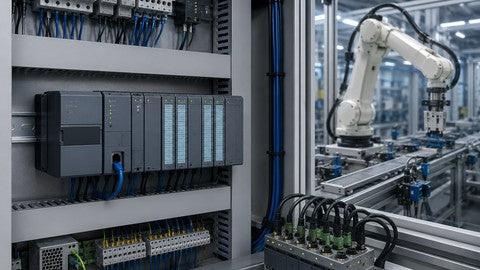
Selecting the right controller is a fundamental decision in industrial automation. While the lines between Programmable Logic Controllers (PLC) and Programmable Automation Controllers (PAC) often blur, understanding their core architectural differences is essential for system reliability. Both controllers serve as the brain of control systems, yet their specific capabilities dictate their suitability for various factory automation tasks.
Transforming Textile Manufacturing: The Strategic Integration of Industrial Automation and AI
The textile industry stands at a critical technological crossroads. Legacy operations must now embrace digital transformation to remain competitive in a global market. By integrating advanced industrial automation—ranging from PLC-controlled machinery to sophisticated AI-driven analytics—manufacturers can significantly boost productivity, minimize material waste, and elevate overall product quality.