










Product Details
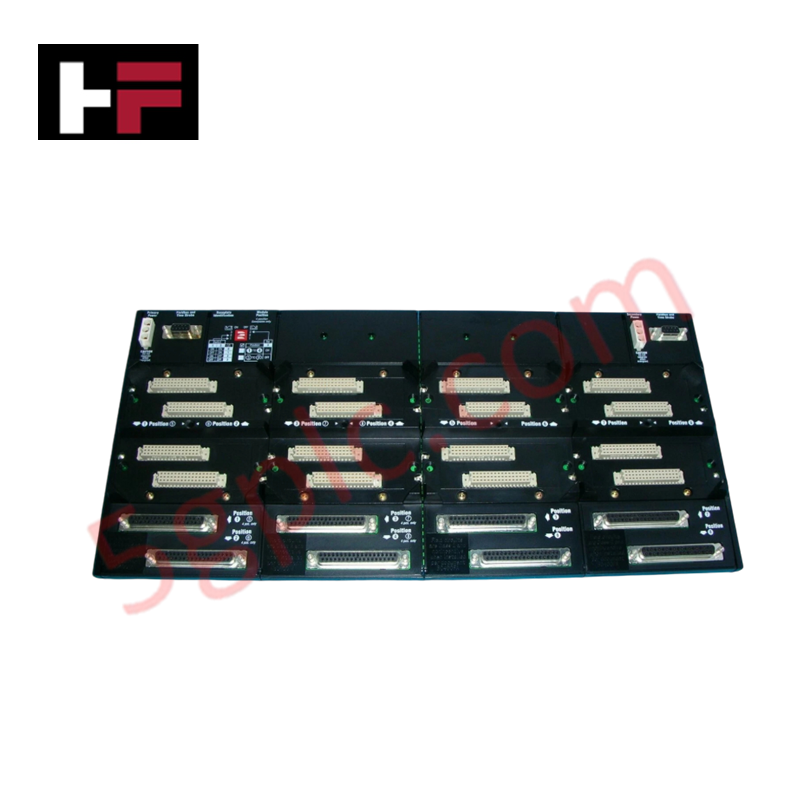
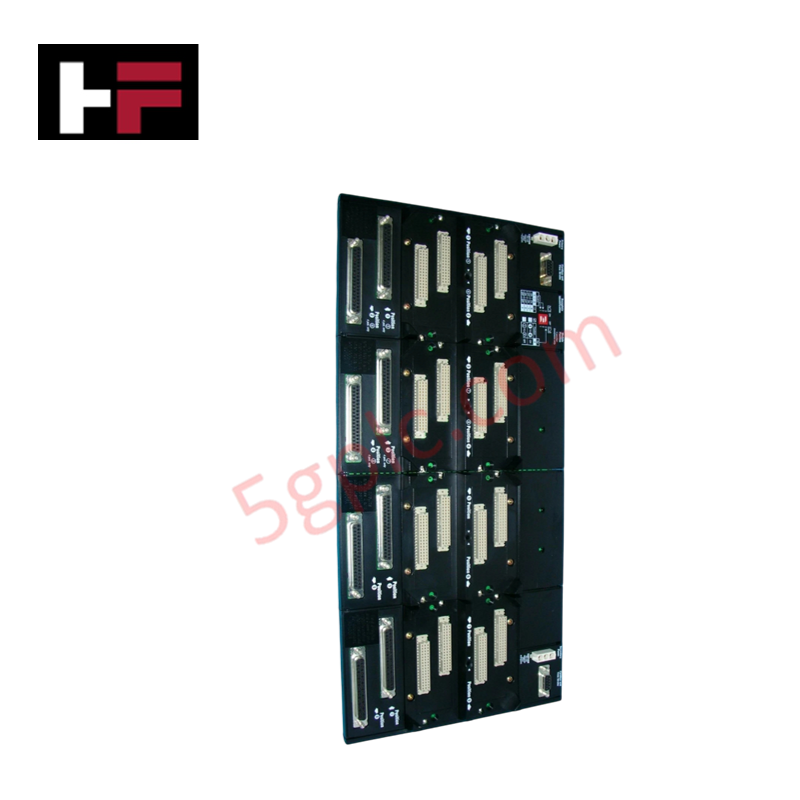
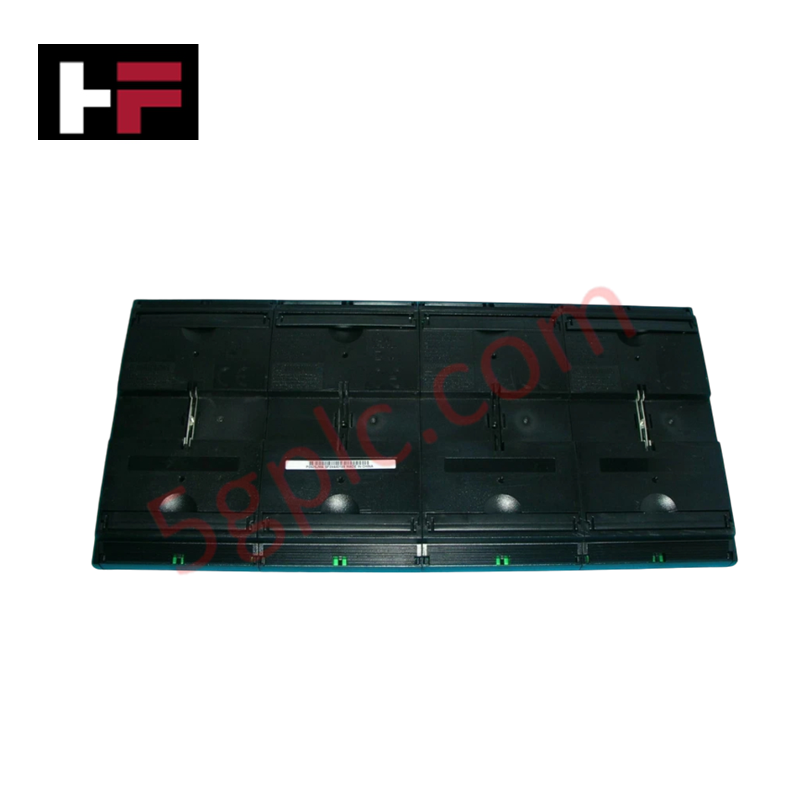
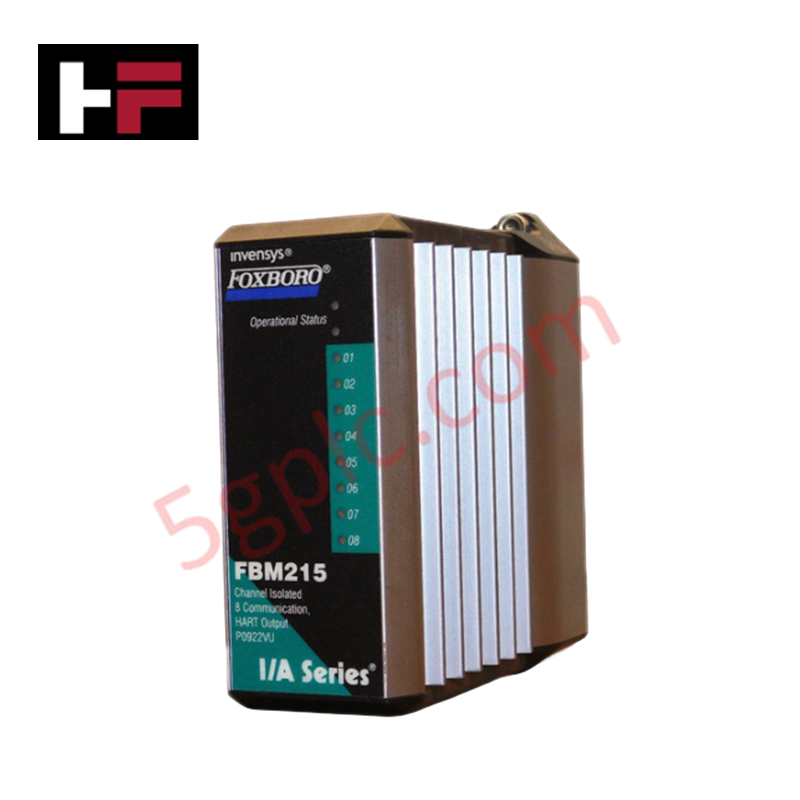
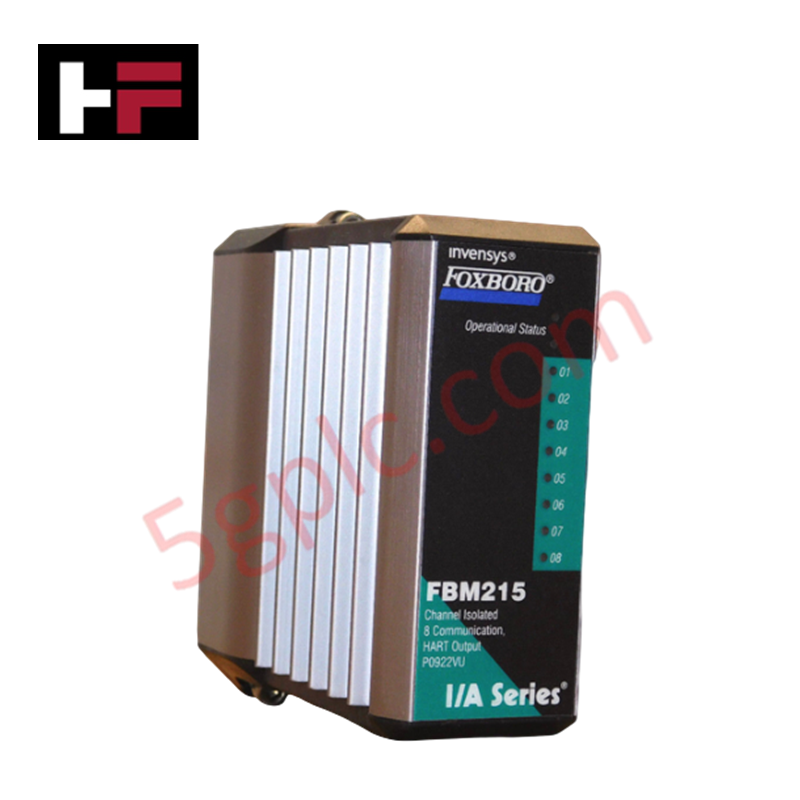
The Foxboro P0918HU, also cataloged as the P0918HU Industrial Power Module, operates as a dedicated hardware component for AC-to-DC conversion and internal bus power distribution within Foxboro control platforms. Configured to accept an input voltage of 90 to 264 VAC, the module delivers a regulated 24 VDC output (±5%) at up to 100 W maximum capacity with greater than 90% full-load efficiency. It maintains continuous power conversion across an operating temperature range of -20 to +60 deg C (-4 to +140 deg F).
Hardware Specifications
| Parameter | Specification |
|---|---|
| Model | P0918HU |
| Brand | Foxboro |
| Origin | USA |
| Weight | 0.9 lbs (0.41 kg) |
| Dimensions | Standard Foxboro Module Form Factor |
| Operating Temp | -20 to +60 deg C (-4 to +140 deg F) |
| Power Consumption | Input-dependent (> 90% efficiency at full load) |
| Input Voltage | 90 to 264 VAC |
| Output Voltage | 24 VDC ± 5% |
| Power Output | 100 W maximum |
| Mounting Type | Baseplate Mount |
DCS Process Control and Channel Isolation
The Foxboro P0918HU industrial power module incorporates high-frequency transformer isolation to decouple primary AC utility supplies from the downstream 24 VDC distribution bus. Designed to supply operational power for 4-20 mA HART loop protocol field devices and system I/O modules, the unit suppresses high-frequency ripple and common-mode line transients. Integrated channel-to-channel isolation prevents ground potential loops between field instrument grounds and backplane control circuits, ensuring signal stability under electrical noise conditions.
Frequently Asked Questions
Q: What happens to the 24 VDC output during an downstream over-load or short-circuit event?
A: The P0918HU contains active foldback over-current protection that clamps current draw to protect connected backplane logic modules from electrical damage.
Q: Can the P0918HU module be hot-swapped during active DCS operation?
A: Hot-swapping is permitted only when installed in dual-redundant baseplate configurations where an adjacent parallel power module maintains the 24 VDC rail load.
Field Installation Guidelines
- Confirm the primary AC power feed is locked out and de-energized prior to connecting input terminal wiring.
- Align the module card edges with the baseplate slots and push firmly until the mechanical locking latches engage fully.
- Route incoming AC power conductors in dedicated wireways separate from low-voltage DC signal and field loop cables.
- Attach the protective earth (PE) grounding lead directly to the main cabinet ground busbar to ensure proper EMI filtering performance.
Additional Information
- 100% Genuine Parts: All products are original and authentic, ensuring reliable industrial performance.
- 30-Day Refund Guarantee: Return any in-stock item within 30 days in original, unopened packaging for a full refund (excluding shipping and fees).
- 12-Month Warranty: Covers defects in materials or workmanship; excludes misuse, normal wear, or unauthorized modifications.
- Worldwide Shipping: We ship via USPS, UPS, FedEx, and DHL. Delivery times vary by country and may be subject to customs or import fees.
- Support & Contact: Technical and warranty assistance is available anytime. Contact us here: Contact.
- Purchase Guidance: Check product specifications and compatibility carefully before ordering to ensure proper application.




Tech & Buying Guide

Mastering Wire Identification in Industrial Automation: The Power of Ferrules and Cross-Ferruling
Proper wire labeling forms the cornerstone of reliable control system installation and long-term maintenance. In complex industrial automation environments, technicians terminate thousands of conductor ends inside control panels, marshalling racks, and field junction boxes. Ferrules serve as individual tube-shaped sleeve markers slipped onto conductors before final termination. While technicians historically relied on pre-printed individual letter rings, modern control panel builders utilize automated ferrule printing machines. These thermal-transfer printers generate durable, single-sleeve heat-shrink tags directly matching approved wiring schematics, significantly accelerating cabinet assembly workflows.

Understanding Marshalling Cabinets in Industrial Automation and Control Systems
Marshalling cabinets serve as the crucial connection hub between field instruments and centralized processing units. In large DCS and PLC control system architectures, hundreds of multipair field cables run from local junction boxes to the central instrument equipment room. The marshalling cabinet houses field terminal blocks, surge arresters, intrinsic safety isolation barriers, and interposing relays. By segregating field field-wiring terminations from sensitive processor hardware, engineers protect expensive controller backplanes from high-voltage transients. Consequently, this modular separation dramatically streamlines maintenance workflows and simplifies system expansion.

Essential Best Practices for PLC Wiring and Installation in Industrial Automation
Successful control system deployment begins with thoroughly reviewing manufacturer technical documentation. Controllers from major brands like Allen-Bradley, Siemens, and Schneider Electric feature unique terminal layouts. Engineers must verify voltage requirements before connecting power cables to prevent catastrophic equipment damage. Standard line connections require strict adherence to regional electrical codes and proper wire color coding. Furthermore, panel builders should always establish a robust low-impedance ground connection using at least 16-AWG copper conductor tied directly to the main plant grounding grid.