










Product Details
Technical Product Overview
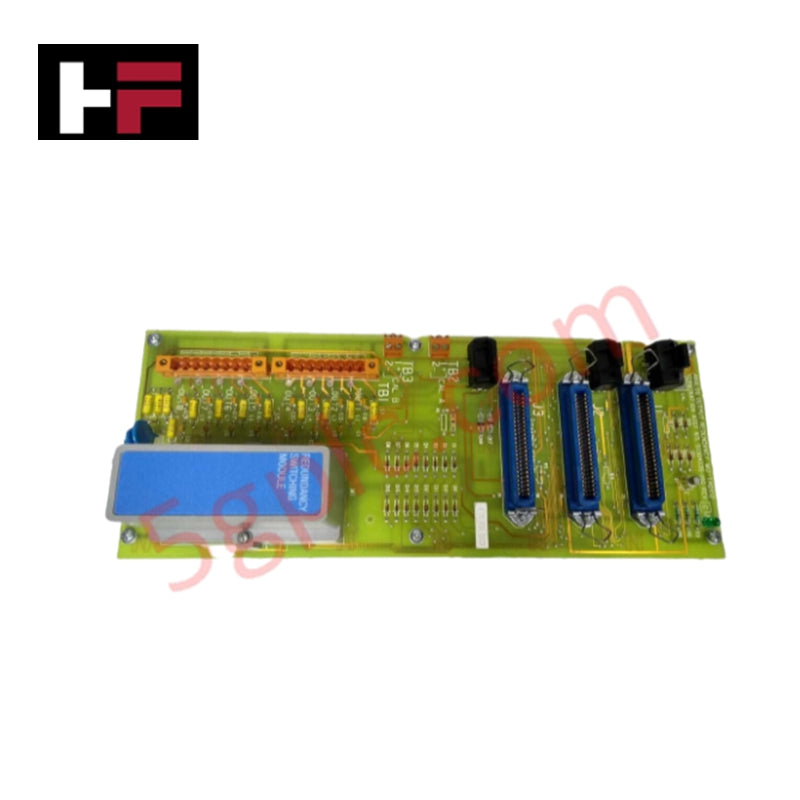
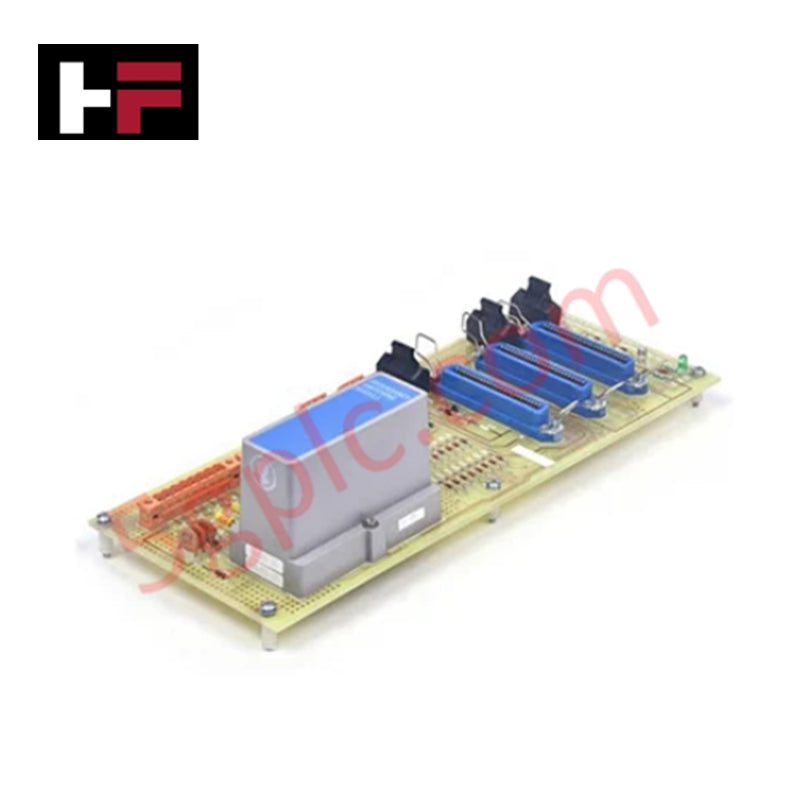
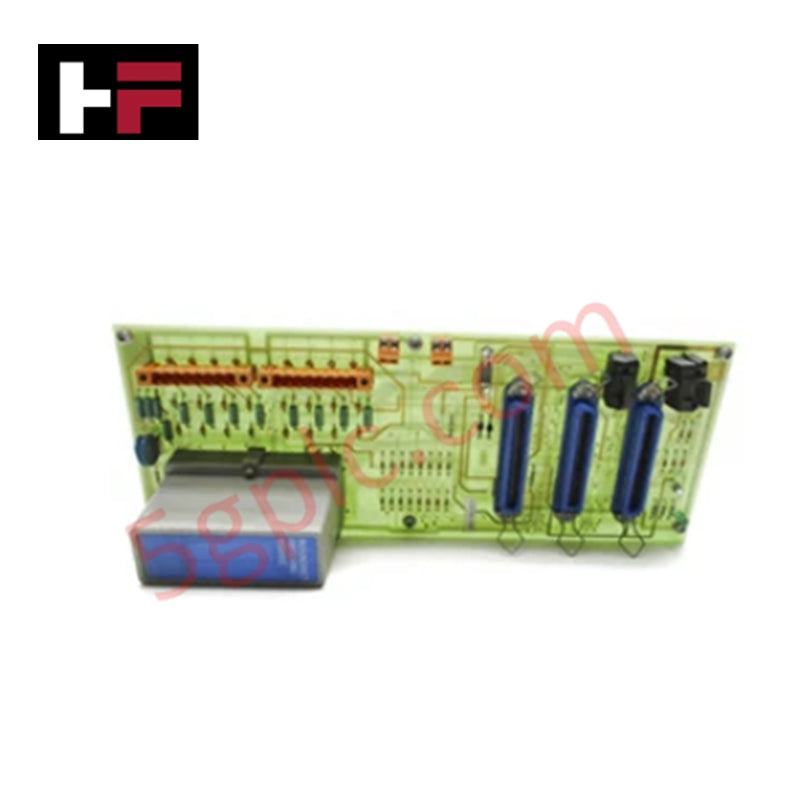
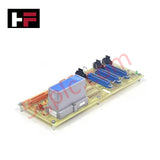
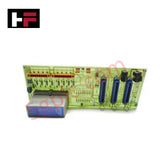
The MU-TAOX12 serves as a specialized 8-point Analog Output Field Termination Assembly (FTA) within the Honeywell TDC 3000 and Experion PKS ecosystems. Engineered for high-precision current loop control, this module converts digital commands into stable 4-20mA signals to drive actuators, valves, and positioners.
A critical engineering advantage of the MU-TAOX12 is its elevated field terminal voltage overhead. Compared to standard assemblies like the MU-GAIH13 or MU-GAIH83, this model provides increased drive capability, effectively overcoming higher impedance in extended field wiring runs without compromising signal integrity.
Detailed Engineering Specifications
-
Signal Architecture: 8-Channel isolated current output (typically 4-20mA)
-
Digital Resolution: 12-bit D/A conversion for granular control
-
Calibration Accuracy: ±0.1% of full-scale range at reference conditions
-
Input Power Requirement: Nominal 24 VDC
-
Environmental Range: Rated for operation from -40°C to +70°C (-40°F to 158°F)
-
Drive Capacity: Enhanced voltage rails to support long-distance cable loops
-
Reliability Features: Supports redundant processor configurations for mission-critical loops
-
Form Factor: Approximately 14.5 x 10.5 x 3.5 inches
-
Physical Mass: 2.2 lbs (1.0 kg)
-
Installation Standards: Designed for Rittal cabinet mounting using Honeywell-certified hardware
Installation and Hardware Compliance
To maintain the thermal and electromagnetic certification of the MU-TAOX12, the assembly must be housed within a standard Rittal enclosure. Integration requires the use of official Honeywell/Rittal mounting brackets and standoffs. Adhering to these structural requirements ensures the ±0.1% accuracy is maintained even in high-vibration or variable-temperature industrial environments.
Functional Comparison: MU-TAOX12 vs. MU-GAIH13
While both units handle analog signals, the MU-TAOX12 is specifically optimized for output drive. The primary differentiator is the "Field Terminal Voltage." The MU-TAOX12 allows for significantly longer wiring distances between the DCS cabinet and the field device, as it can source higher voltage to push the 20mA signal through increased loop resistance.
Frequently Asked Questions
Does the MU-TAOX12 support redundancy?
Yes. The MU-TAOX12 can be configured in a redundant architecture to ensure that a processor failure does not result in the loss of control over the analog output loops.
Can this unit be used with non-Honeywell mounting hardware?
Honeywell documentation strictly specifies standard Rittal mounting hardware to ensure proper grounding and physical support. Using third-party hardware may void the mechanical warranty.
Additional Information
- 100% Genuine Parts: All products are original and authentic, ensuring reliable industrial performance.
- 30-Day Refund Guarantee: Return any in-stock item within 30 days in original, unopened packaging for a full refund (excluding shipping and fees).
- 12-Month Warranty: Covers defects in materials or workmanship; excludes misuse, normal wear, or unauthorized modifications.
- Worldwide Shipping: We ship via USPS, UPS, FedEx, and DHL. Delivery times vary by country and may be subject to customs or import fees.
- Support & Contact: Technical and warranty assistance is available anytime. Contact us here: Contact.
- Purchase Guidance: Check product specifications and compatibility carefully before ordering to ensure proper application.
Tech & Buying Guide

Navigating Industrial Automation Failures: Types, Causes, and Mitigation Strategies
Modern manufacturing relies heavily on automated control systems to maximize throughput and maintain product quality. However, unplanned downtime in industrial automation can cost facility operators thousands of dollars per hour. Understanding how programmable logic controllers (PLCs), distributed control systems (DCS), and field instrumentation fail empowers engineering teams to implement robust preventive maintenance strategies.
Essential Motion Control Commands: A Practical Guide for Engineers
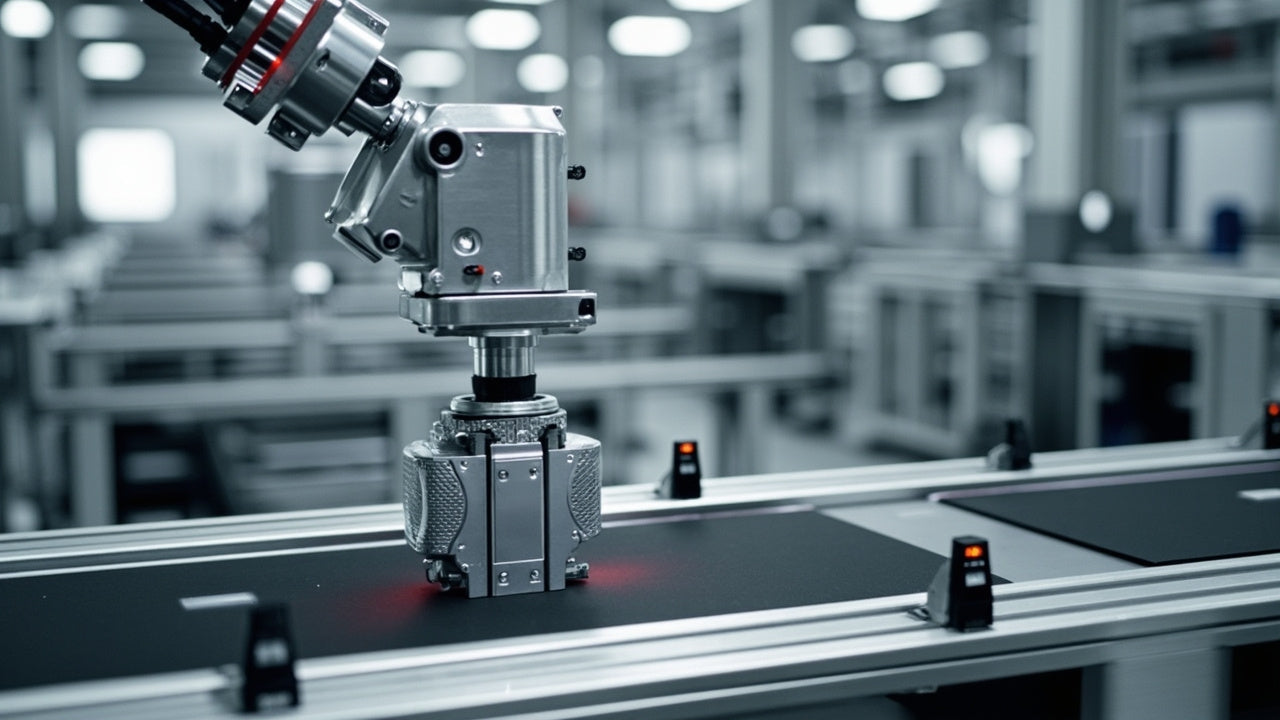
Automation engineers often rely on precise position and speed control to drive modern factory machinery. Modern industrial systems, such as Programmable Logic Controllers (PLCs) and Distributed Control Systems (DCS), depend heavily on standardized motion instructions. Mastering these commands ensures operational safety, protects mechanical components, and optimizes cycle times across production lines.

The Role of Intrinsic Safety Barriers in PLC and DCS Architectures
Implementing robust protection in hazardous industrial environments represents a fundamental safety requirement in factory automation. Process facilities often handle volatile gases, dusts, and chemical agents that pose significant combustion risks. Consequently, control system engineers must deploy energy-limiting interfaces to isolate safe-area control cabinets from hazardous-area field instrumentation. This article examines the function, selection, and electrical principles of intrinsic safety barriers within modern PLC and DCS networks.