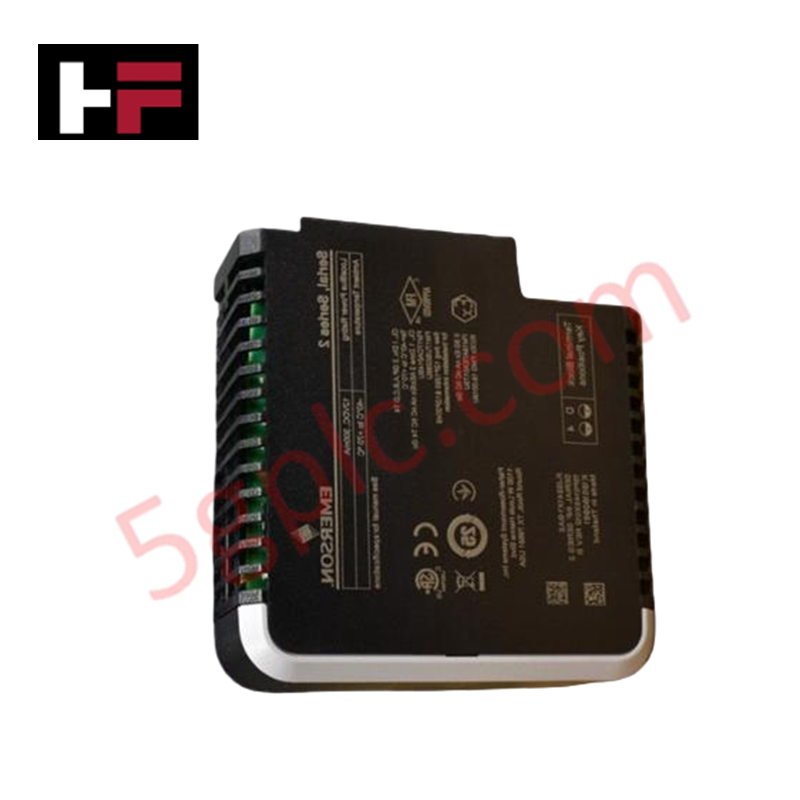
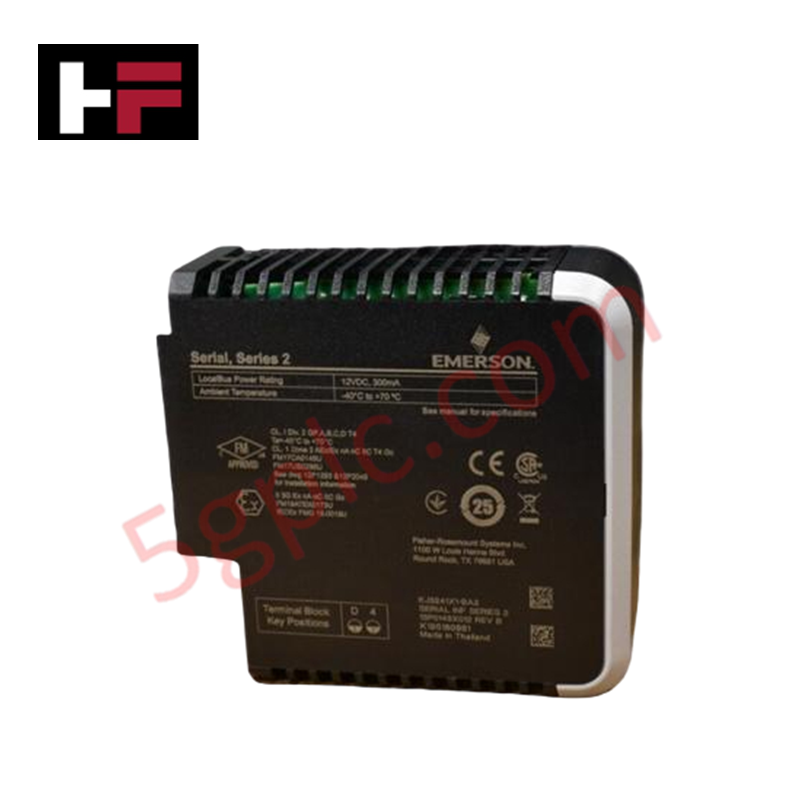
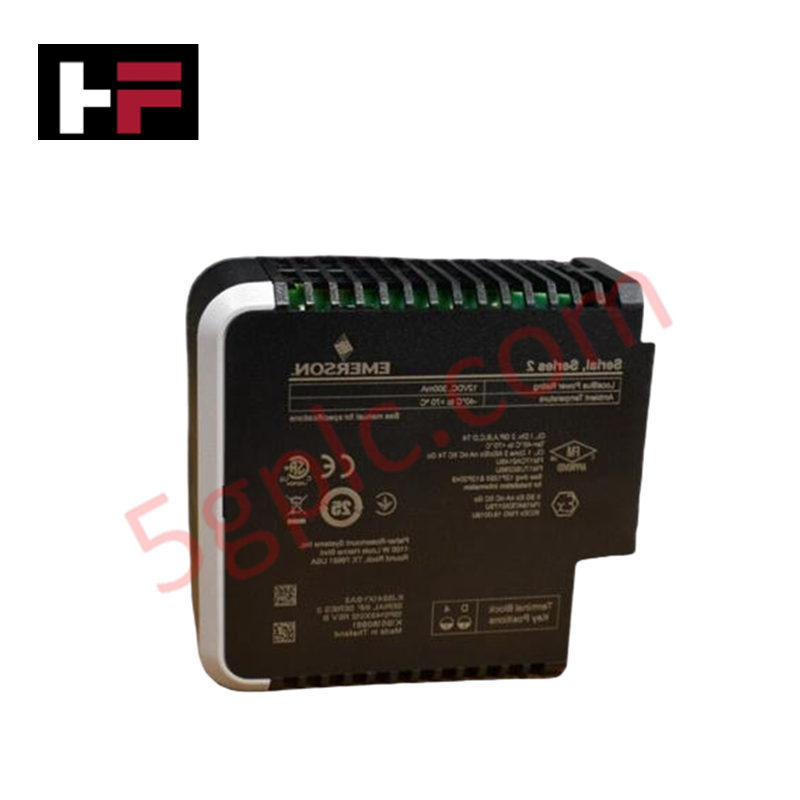
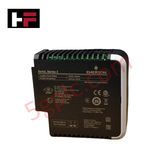
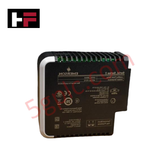
Product Details
The Emerson KJ3241X1-BA2, also cataloged as the KJ3241X1-BA2 Serial Interface Card, operates as a dedicated hardware component for multi-protocol serial data transmission within DeltaV distributed control system networks. The module executes data mapping and point-to-point physical line integration, shifting external device registers directly into localized controller memory structures over the system backplane assembly.
Hardware Specifications
| Parameter | Specification |
| Model | KJ3241X1-BA2 |
| Brand | Emerson |
| Origin | USA |
| Weight | 0.5 kg |
| Dimensions | 25.4 cm x 2.5 cm x 20.3 cm |
| Operating Temp | -40 deg C to +70 deg C |
| Power Consumption | Standard local bus current load footprint |
| Communication Ports | RS232 / RS485 physical layer options |
| System Platform | DeltaV M-Series / S-Series Carrier Structures |
Channel-to-Channel Isolation Parameters
Mechanical execution of this electronic serial interface card relies on internal signal processing segmentation layers to secure high-speed frame tracking metrics. The circuit board layout implements rigorous channel-to-channel isolation parameters across independent communication ports, establishing dedicated electrical boundaries. This structural segregation blocks high-voltage transient spikes, line noise, and field ground differentials from propagating across parallel lanes or corrupting the integrated 4-20 mA HART loop protocol layer running concurrently on the same controller carrier rail.
Frequently Asked Questions
Q: Does this serial communication interface card support live hot-swap insertion when the controller carrier is powered?
A: Yes. The hardware is designed with power-limiting circuitry that permits online hot-swap extraction and replacement without disrupting parallel module communications or forcing a main controller reset loop.
Q: How are the transmission lines configured for RS485 multi-drop topologies?
A: The physical wire terminations must be adjusted on the matching terminal block subassembly, configuring proper internal jumper placements and setting bias parameters to maintain electrical signal integrity across the shared bus lane.
Field Installation Guidelines
-
Carrier Track Engagement: Align the interface card rear connectors with the target slot on the passive baseplate. Press the chassis down firmly until the integrated mechanical retention latches engage onto the mounting rails.
-
Serial Cable Shield Grounding: Terminate all communication cable outer shield drains at the central enclosure master earth ground bar. Implementing a single-point grounding matrix eliminates circulating ground currents from inducing signal distortion.
-
Line Impedance Matching: Install external 120 Ohm termination resistors across the positive and negative data lines at the first and last physical nodes of an RS485 network configuration to prevent signal reflection errors.
-
Physical Signal Separation: Route all low-voltage serial data cables through independent wireways separate from heavy electrical AC power lines to avoid inductive noise coupling.
Additional Information
- 100% Genuine Parts: All products are original and authentic, ensuring reliable industrial performance.
- 30-Day Refund Guarantee: Return any in-stock item within 30 days in original, unopened packaging for a full refund (excluding shipping and fees).
- 12-Month Warranty: Covers defects in materials or workmanship; excludes misuse, normal wear, or unauthorized modifications.
- Worldwide Shipping: We ship via USPS, UPS, FedEx, and DHL. Delivery times vary by country and may be subject to customs or import fees.
- Support & Contact: Technical and warranty assistance is available anytime. Contact us here: Contact.
- Purchase Guidance: Check product specifications and compatibility carefully before ordering to ensure proper application.




Tech & Buying Guide

Importance of Safety Barriers in PLC and DCS Control Systems

Static UPS vs. Rotary UPS: Technical Evaluation for Industrial Automation