










Product Details
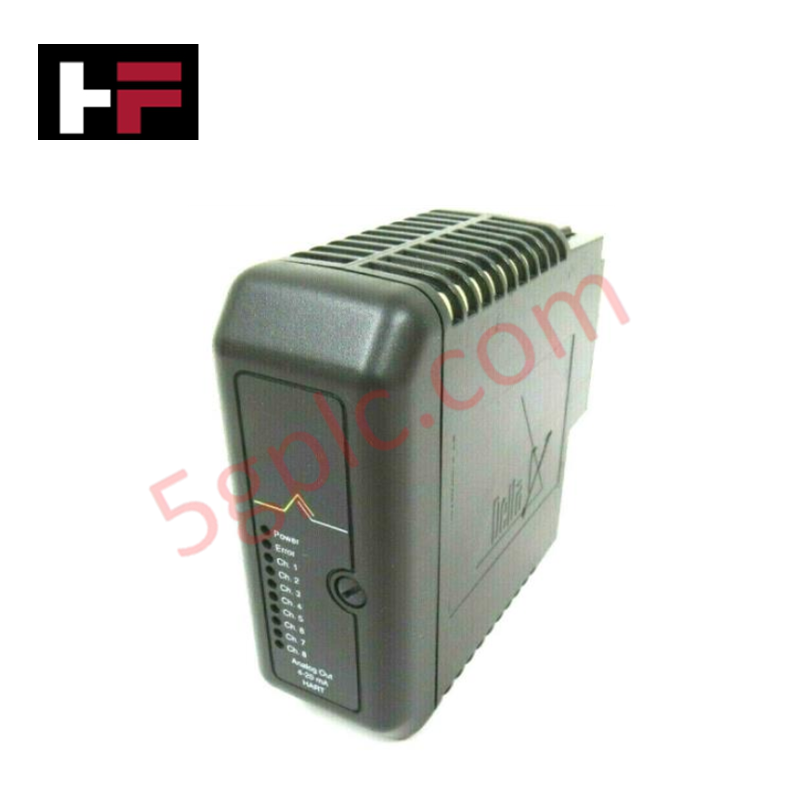
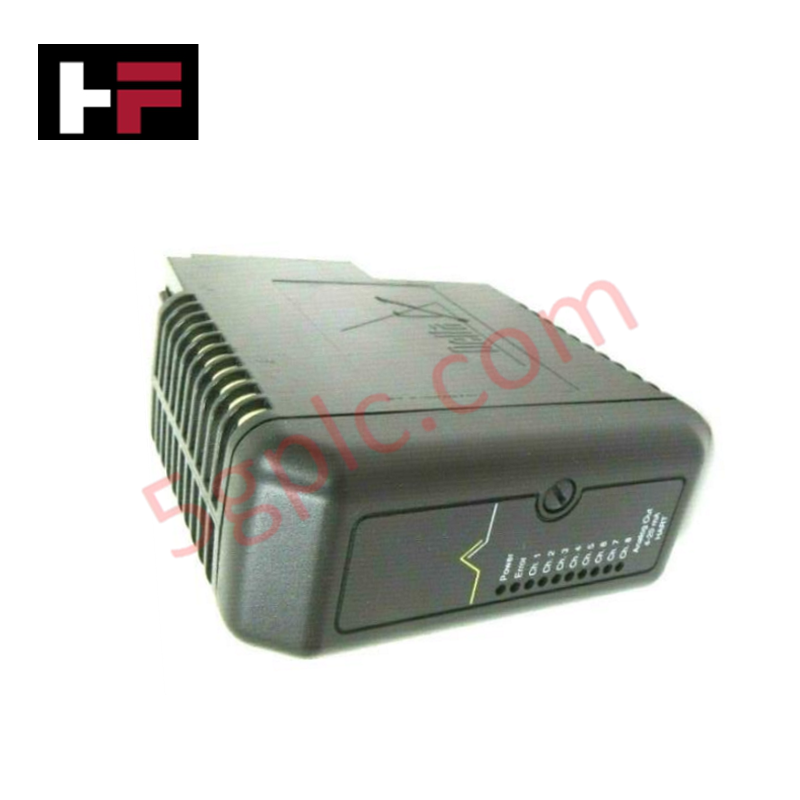
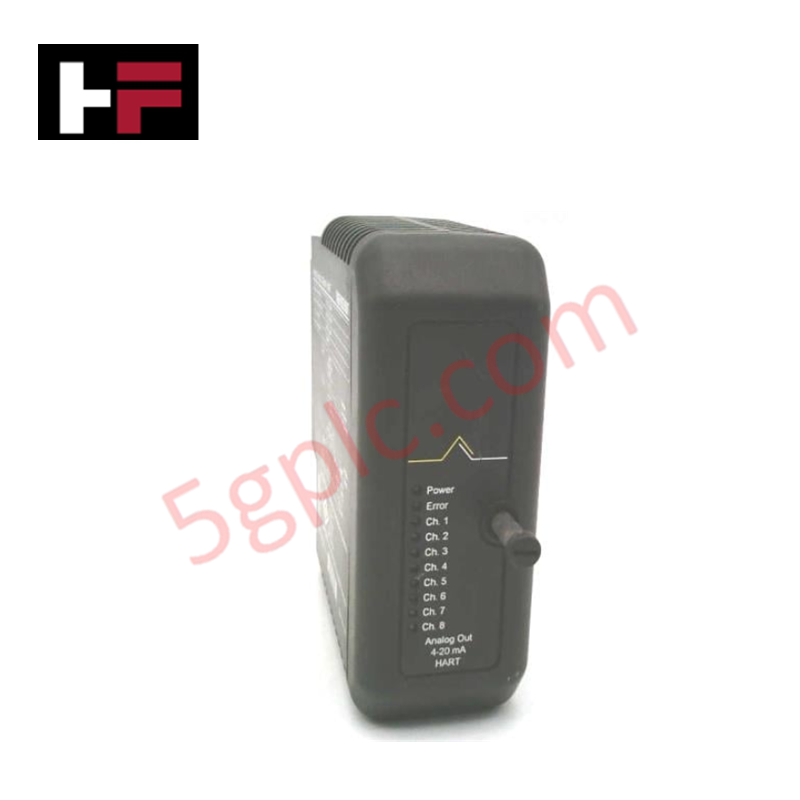
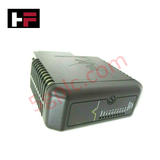
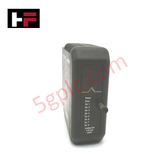
The Emerson KJ3222X1-BA2 serves as the primary KJ3222X1-BA2 Analog Input Module utilized to execute continuous instrumentation monitoring across DeltaV distributed control system platforms. This 8-channel physical interface unit converts analog loop current variations into scaled internal values, transmitting the processed instrumentation data directly across the backplane bus interface for real-time computational execution.
Hardware Specifications
| Parameter | Specification |
| Model | KJ3222X1-BA2 |
| Brand | Emerson |
| Origin | USA |
| Weight | 0.2 kg (0.44 lbs) |
| Dimensions | 4.4 cm x 10.8 cm x 12.7 cm (1.73 in x 4.25 in x 5.00 in) |
| Operating Temp | -40 deg C to +70 deg C |
| Power Consumption | 12 VDC at 150 mA (Standard local bus draw allocation) |
| Input Channel Count | 8 channels |
| Input Signal Configuration | 4-20 mA HART loop protocol |
| Isolation Specification | Channel-to-channel isolation parameters enforced |
Channel-to-Channel Isolation Layer
Mechanical execution of this 8-channel acquisition module relies on internal hardware barriers to safeguard instrumentation signal tracks. The architecture provides strict channel-to-channel isolation layers coupled with dedicated data filtering arrays. This layout stops local ground loops, transient voltage spikes, or single-loop short circuits from transferring into adjacent measuring paths, preserving digital telemetry data streams passed via the superimposed 4-20 mA HART loop protocol.
Frequently Asked Questions
Q: Does this analog input card support continuous hot-swap procedures inside an active rack carrier?
A: Yes. The hardware is designed for online replacement, allowing live module extraction and insertion into an energized slot without creating bus interruptions or altering data processing functions on surrounding operational units.
Q: How does the module handle combined digital and analog signals on a single channel wire run?
A: The input circuitry uses a low-pass filter array to extract the standard 4-20 mA analog value while concurrently decoupling the high-frequency FSK digital bitstream to maintain simultaneous HART telemetry processing.
Field Installation Guidelines
-
Carrier Baseplate Insertion: Position the module tracks over the matching alignment ribs on the designated S-Series interface carrier slot. Apply steady inward pressure until the mechanical mounting clips seat entirely into the base assembly.
-
Shield Continuity Terminations: Route and terminate all external transmitter cable shields directly at the common cabinet earth ground bar. Implementing a single-point grounding matrix stops low-frequency common-mode voltage noise from skewing loop measurements.
-
Conductor Separation Standards: Group and route all 4-20 mA instrumentation loops in independent paths separated from high-voltage AC electrical lines by a minimum layout distance of 300 mm to suppress electro-magnetic coupling.
-
Atmospheric Sealing Controls: For factory floor installations showing high ambient particulate loads, place the control chassis inside an industrial enclosure matching standard positive-pressure rules to maintain operational limits.
Additional Information
- 100% Genuine Parts: All products are original and authentic, ensuring reliable industrial performance.
- 30-Day Refund Guarantee: Return any in-stock item within 30 days in original, unopened packaging for a full refund (excluding shipping and fees).
- 12-Month Warranty: Covers defects in materials or workmanship; excludes misuse, normal wear, or unauthorized modifications.
- Worldwide Shipping: We ship via USPS, UPS, FedEx, and DHL. Delivery times vary by country and may be subject to customs or import fees.
- Support & Contact: Technical and warranty assistance is available anytime. Contact us here: Contact.
- Purchase Guidance: Check product specifications and compatibility carefully before ordering to ensure proper application.




Tech & Buying Guide

Safety Relays in Industrial Automation: Fundamentals, Design Standards, and Fail-Safe Architecture
Safety relays form the bedrock of functional safety in modern factory automation, preventing catastrophic equipment failure and protecting plant personnel. While standard electromechanical relays handle basic load switching, they lack the redundant diagnostics required for high-risk industrial environments. Modern industrial automation platforms—including programmable logic controllers (PLCs) and distributed control systems (DCS)—rely on specialized safety relays to monitor field devices and isolate hazards instantly.

Voice-Activated Industrial Automation: Integrating Speech Control into PLC and DCS Architectures
Industrial automation integrates speech recognition, IIoT protocols, and NLP with PLCs and DCS to streamline operations. By leveraging advanced edge computing, engineers enable real-time, hands-free control—allowing personnel to manage smart factory processes safely away from hazardous equipment.
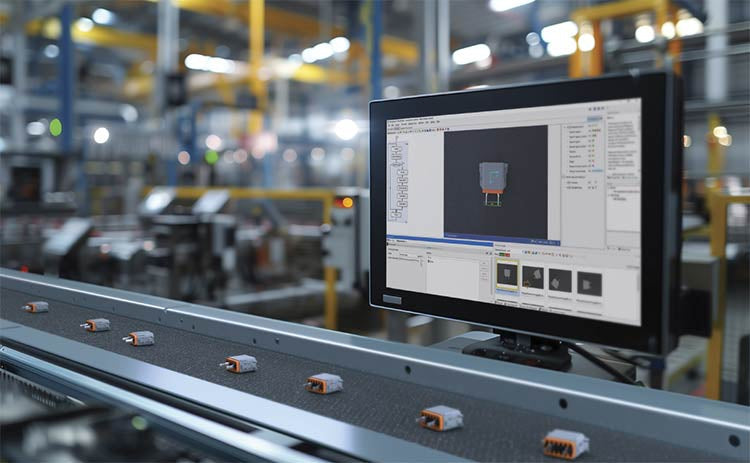
Modern Industrial Automation: Transforming Safety and Efficiency in Mining Operations
Industrial automation has evolved from a simple manufacturing tool into the operational backbone of high-risk sectors. Modern mining operations increasingly rely on advanced control systems, programmable logic controllers (PLCs), distributed control systems (DCS), and artificial intelligence to address deep-underground hazards. By replacing manual labor in high-risk zones, factory automation technologies protect personnel while significantly boosting operational throughput.