










Product Details
Product Overview
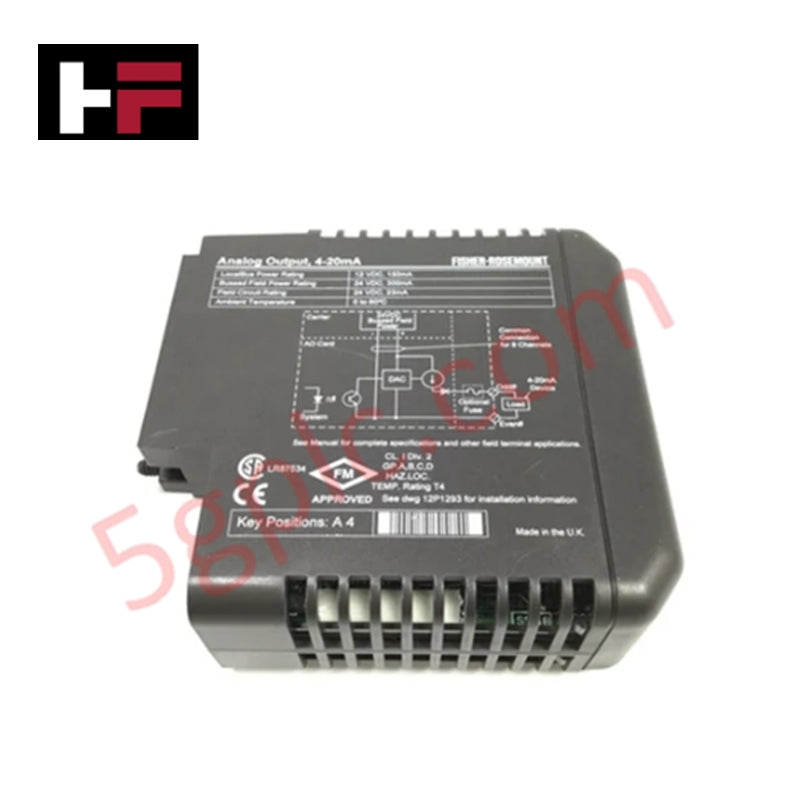
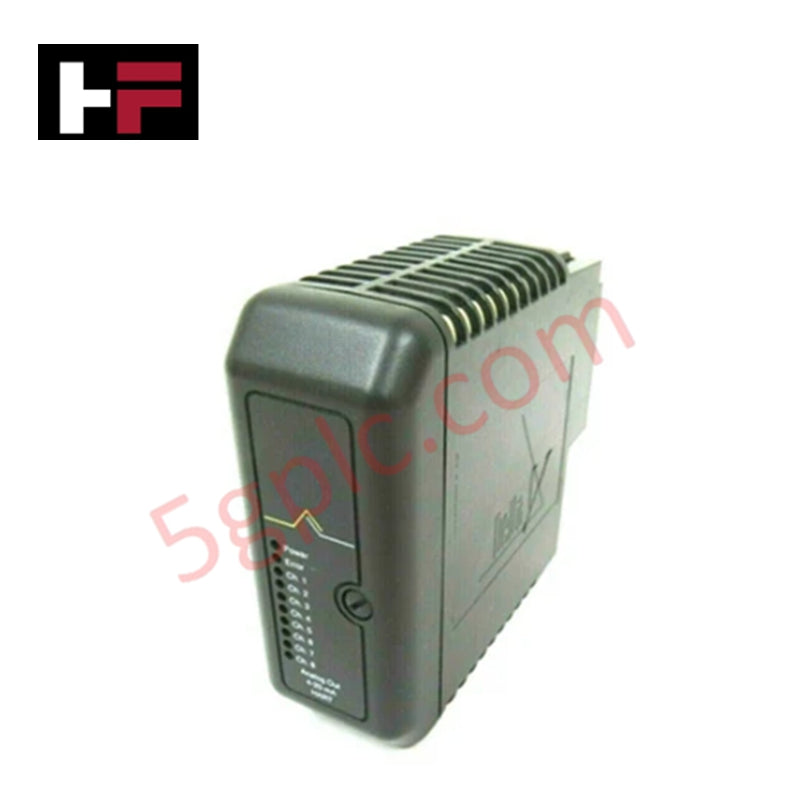
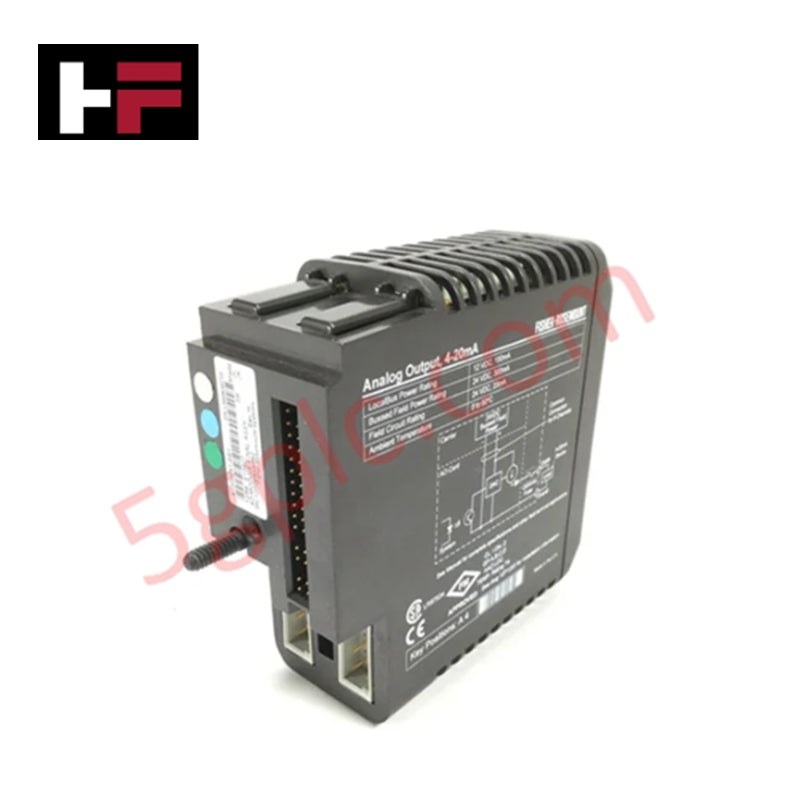
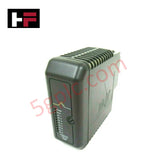
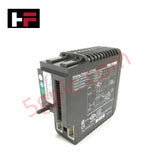
The Emerson KJ2005X1-MQ1 functions as a core processing powerhouse within the DeltaV™ Distributed Control System (DCS). This high-performance controller executes complex control logic, manages I/O communications, and provides real-time monitoring for sophisticated industrial processes. Engineered for high-availability environments, it serves as the central intelligence for chemical processing, oil and gas, and pharmaceutical manufacturing. We supply this unit as 100% Brand New and Original, ensuring your system architecture maintains peak safety and efficiency standards.
Technical Specifications
The KJ2005X1-MQ1 utilizes advanced hardware hardening to ensure consistent execution of logic in volatile environments.
| Parameter | Specification Details |
| Local Bus Power | +5 VDC at 1.4 A |
| Operating Temperature | -40°C to +70°C (-40°F to +158°F) |
| Airborne Contaminants | ISA-S71.04 –1985 Class G3 (Harsh) |
| Shock Resistance | 10g ½ Sinewave for 11 msec |
| Vibration Resistance | 1mm P-P (2–13.2Hz); 0.7g (13.2–150Hz) |
| Relative Humidity | 5% to 95% (Non-Condensing) |
| Calibration | Factory Calibrated (No user adjustment required) |
| Maintenance | No user-serviceable parts |
Engineering Advantages
-
Harsh Environment Resilience: The KJ2005X1-MQ1 carries an ISA-S71.04 Class G3 rating. This provides a specialized chemical barrier against corrosive gases such as Hydrogen Sulfide ($H_2S$) and Sulfur Dioxide ($SO_2$), preventing the premature circuit failure common in refineries and wastewater facilities.
-
Thermal Versatility: A massive operating window of -40°C to +70°C allows for installation in unheated enclosures in arctic climates or high-heat desert environments. This eliminates the need for expensive HVAC systems within the control cabinet.
-
Mechanical Hardening: The module withstands 10g of shock and specific vibration frequencies common to heavy industrial machinery. This durability prevents logic resets or hardware damage caused by harmonic vibrations from nearby pumps or compressors.
-
Maintenance-Free Architecture: The "No Calibration Required" design streamlines long-term lifecycle management. Once installed, the controller maintains signal accuracy through internal reference checks, reducing the labor burden on instrumentation teams.
FAQs
Q: Is the KJ2005X1-MQ1 hot-swappable during active operations?
A: You must only remove or insert this unit when the system power is de-energized, or when the surrounding area is verified as non-hazardous. Hot-swapping in a hazardous area poses an ignition risk due to potential electrical arcing at the backplane interface.
Q: Does this controller arrive with the original Emerson factory firmware?
A: Yes. We supply only 100% Brand New units in original factory packaging. Each KJ2005X1-MQ1 contains the authentic factory-loaded firmware, ready for system integration and commissioning within your DeltaV environment.
Q: What are the primary power requirements for this specific MQ1 model?
A: The module draws power directly from the DeltaV local bus, requiring +5 VDC at 1.4 A. Ensure your system power supply has sufficient headroom to accommodate the total current draw of all controllers and I/O modules on the segment.
Q: How do I address a malfunction if the unit is non-serviceable?
A: Because the KJ2005X1-MQ1 utilizes a sealed, high-integrity design to meet G3 standards, it contains no user-serviceable parts. If a hardware fault occurs, you should replace the module with a brand-new unit to maintain the safety rating of your DCS loop.
Additional Information
- 100% Genuine Parts: All products are original and authentic, ensuring reliable industrial performance.
- 30-Day Refund Guarantee: Return any in-stock item within 30 days in original, unopened packaging for a full refund (excluding shipping and fees).
- 12-Month Warranty: Covers defects in materials or workmanship; excludes misuse, normal wear, or unauthorized modifications.
- Worldwide Shipping: We ship via USPS, UPS, FedEx, and DHL. Delivery times vary by country and may be subject to customs or import fees.
- Support & Contact: Technical and warranty assistance is available anytime. Contact us here: Contact.
- Purchase Guidance: Check product specifications and compatibility carefully before ordering to ensure proper application.



Tech & Buying Guide

Mastering Wire Identification in Industrial Automation: The Power of Ferrules and Cross-Ferruling
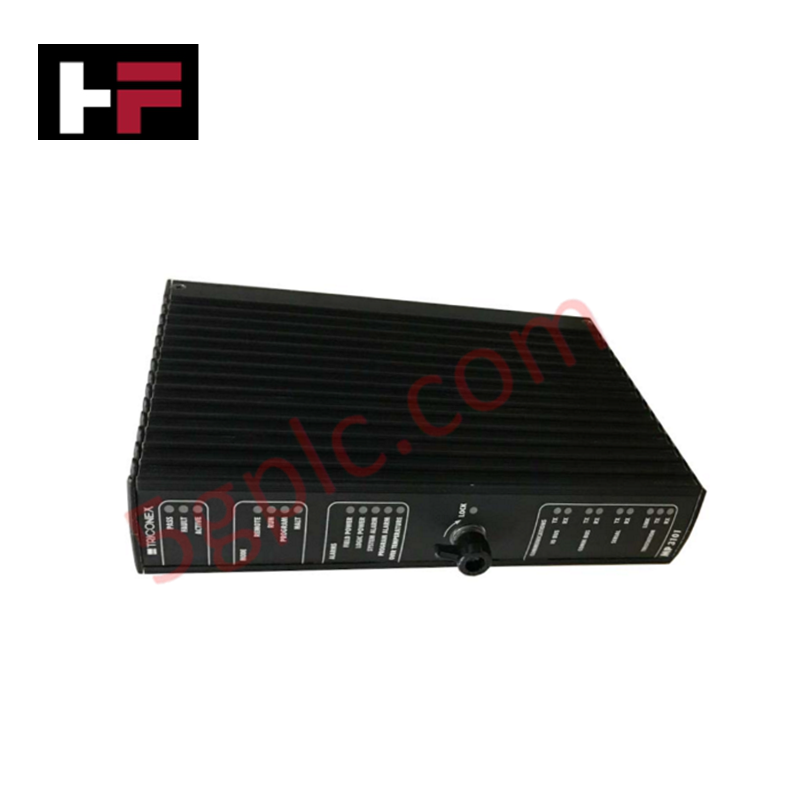
Proper wire labeling forms the cornerstone of reliable control system installation and long-term maintenance. In complex industrial automation environments, technicians terminate thousands of conductor ends inside control panels, marshalling racks, and field junction boxes. Ferrules serve as individual tube-shaped sleeve markers slipped onto conductors before final termination. While technicians historically relied on pre-printed individual letter rings, modern control panel builders utilize automated ferrule printing machines. These thermal-transfer printers generate durable, single-sleeve heat-shrink tags directly matching approved wiring schematics, significantly accelerating cabinet assembly workflows.

Understanding Marshalling Cabinets in Industrial Automation and Control Systems
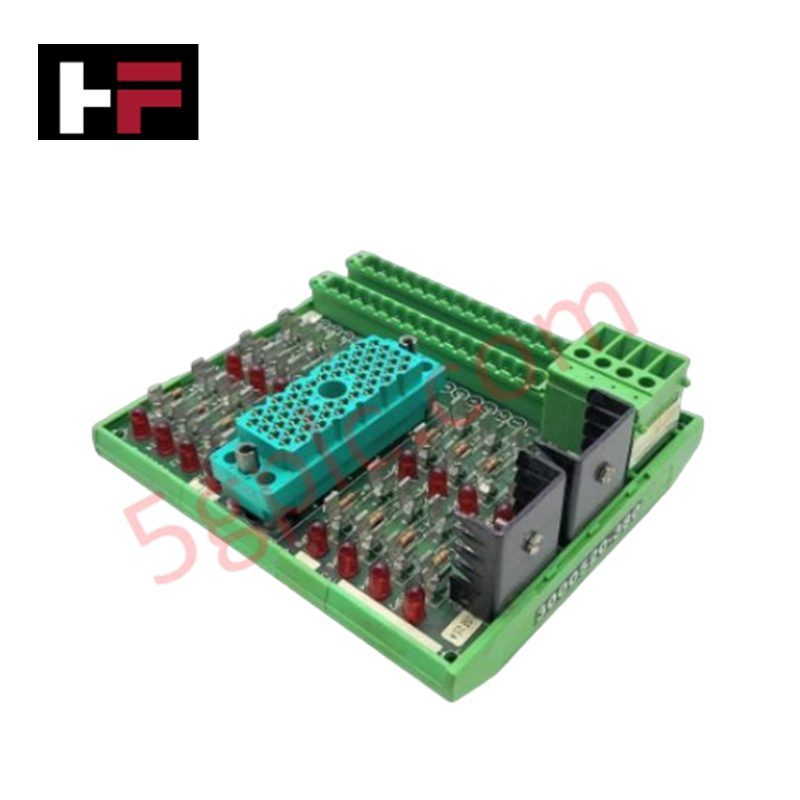
Marshalling cabinets serve as the crucial connection hub between field instruments and centralized processing units. In large DCS and PLC control system architectures, hundreds of multipair field cables run from local junction boxes to the central instrument equipment room. The marshalling cabinet houses field terminal blocks, surge arresters, intrinsic safety isolation barriers, and interposing relays. By segregating field field-wiring terminations from sensitive processor hardware, engineers protect expensive controller backplanes from high-voltage transients. Consequently, this modular separation dramatically streamlines maintenance workflows and simplifies system expansion.

Essential Best Practices for PLC Wiring and Installation in Industrial Automation
Successful control system deployment begins with thoroughly reviewing manufacturer technical documentation. Controllers from major brands like Allen-Bradley, Siemens, and Schneider Electric feature unique terminal layouts. Engineers must verify voltage requirements before connecting power cables to prevent catastrophic equipment damage. Standard line connections require strict adherence to regional electrical codes and proper wire color coding. Furthermore, panel builders should always establish a robust low-impedance ground connection using at least 16-AWG copper conductor tied directly to the main plant grounding grid.