













Product Details
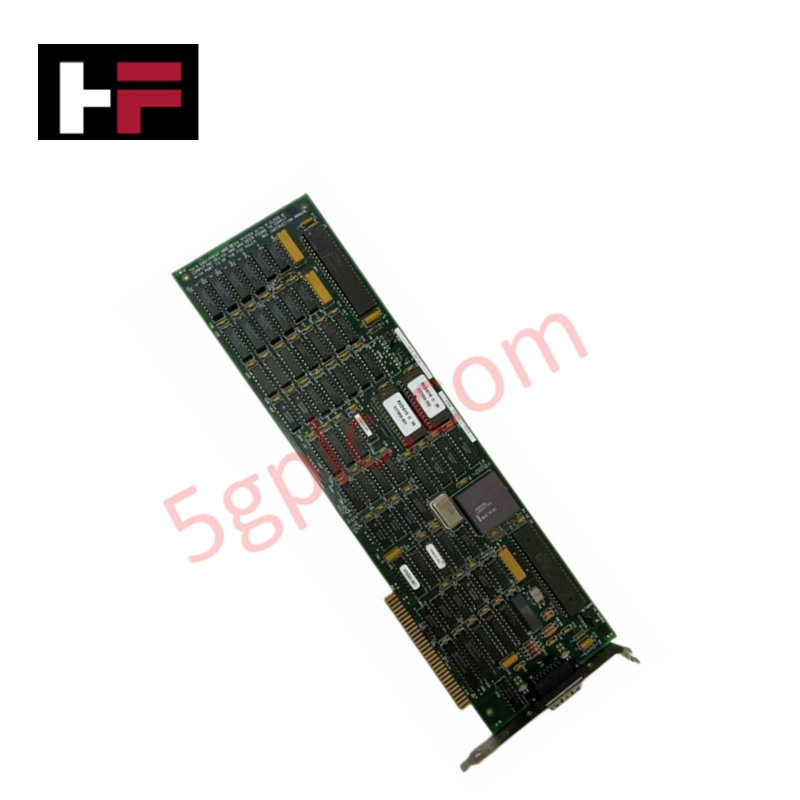
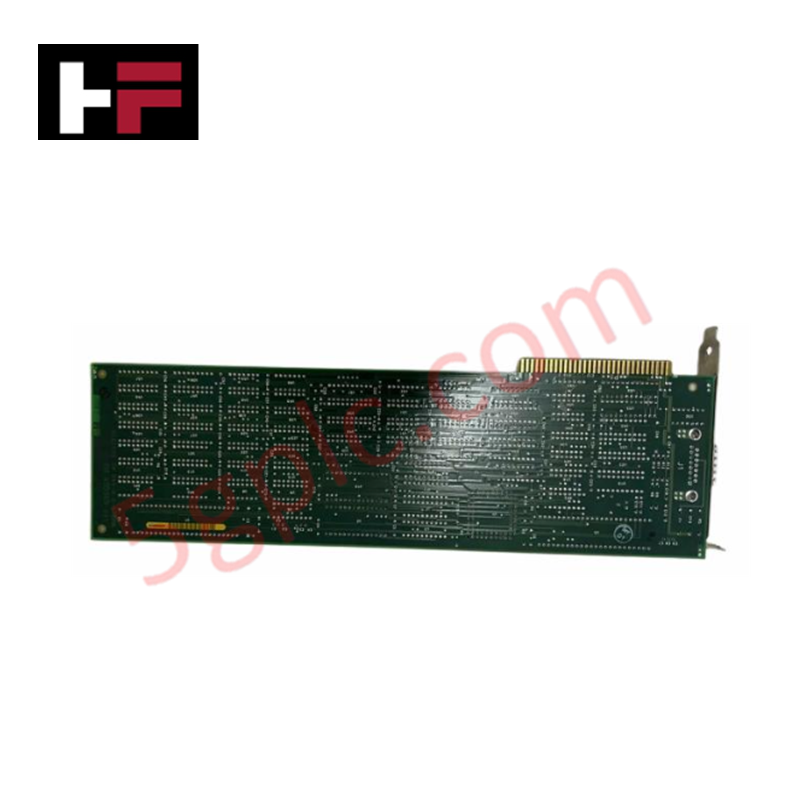
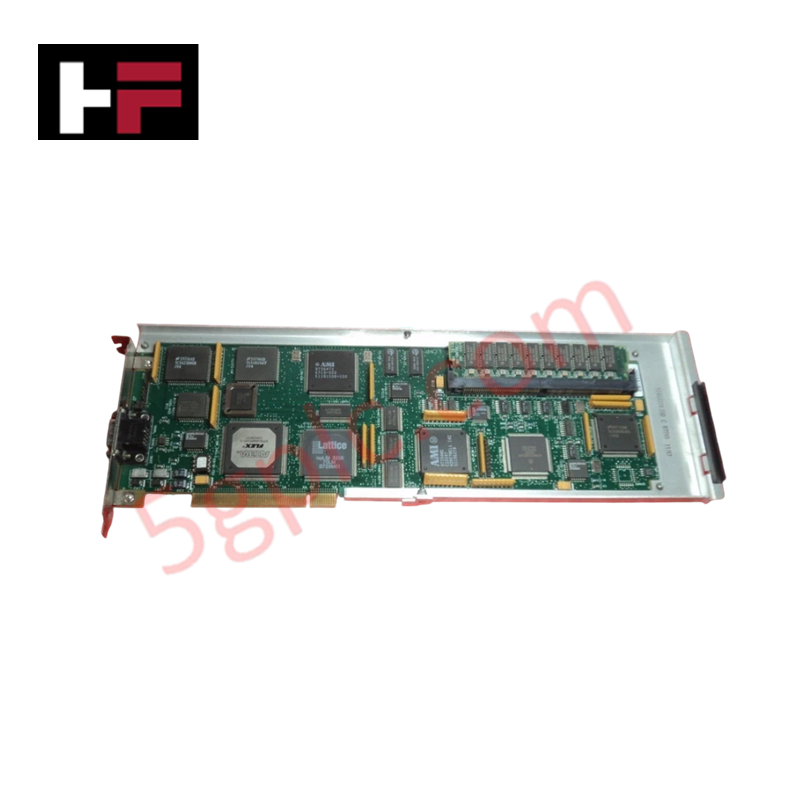
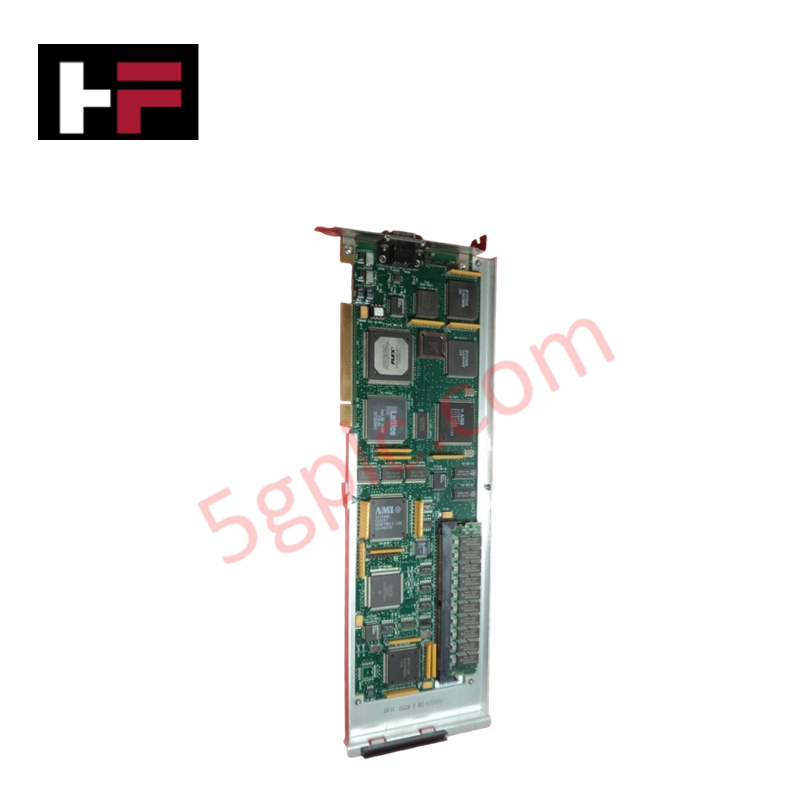
The Honeywell PBA455971-003, also cataloged as the PBA455971 LAN Controller, operates as a dedicated hardware component for industrial Ethernet network communication within Intel Multibus architecture platforms.
Hardware Specifications
| Parameter | Specification |
|---|---|
| Model | PBA455971-003 (PBA455971) |
| Brand | Honeywell |
| Origin | USA |
| Weight | 0.30 kg (0.67 lbs) |
| Dimensions | Standard Multibus I form factor card |
| Operating Temp | -25 deg C to +60 deg C |
| Power Consumption | 5 VDC backplane bus power |
| Bus Interface | Intel Multibus (IEEE-796) |
| Network Standard | Ethernet 10Base-T / 10Base-2 |
| Connector Type | RJ45 and BNC co-axial interfaces |
FOUNDATION Fieldbus / Profibus PA Connectivity & Communication
The PBA455971-003 interface card bridges legacy Multibus rack assemblies to higher-level industrial Ethernet backbones, routing system telemetry and process control data between local CPU cards and external gateway devices. Backplane bus interface circuitry translates parallel Multibus read/write cycles into deterministic network packets, allowing integration with process control networks including FOUNDATION Fieldbus and Profibus PA link couplers. Galvanic isolation on the network port prevents ground loop potential differences across distributed control system nodes.
Frequently Asked Questions
Q: Can the PBA455971-003 LAN controller card be hot-swapped into an active Multibus backplane?
A: No. Multibus (IEEE-796) architecture does not support live insertion; power to the rack enclosure must be shut off prior to installing or removing the card to prevent backplane damage.
Q: How is the physical network media type selected on the PBA455971-003 board?
A: Hardware jumper headers located near the board edge select signal routing between the RJ45 twisted-pair interface and the BNC co-axial connector.
Field Installation Guidelines
- Card Insertion: Align the PCB card edges with the backplane card guides and push firmly until the IEEE-796 edge connectors seat completely in the chassis receptacle.
- Media Selection: Verify that on-board jumper settings match the target physical medium (RJ45 10Base-T or BNC 10Base-2 coaxial) before applying rack power.
- Cable Shielding: Ensure coaxial cable runs use 50-ohm RG-58 cable with properly grounded BNC end-terminators to mitigate high-frequency EMI.
- Thermal Spacing: Maintain at least one open card slot or chassis fan airflow pathway adjacent to the controller card to ensure ambient operating temperatures stay below +60 deg C.
Additional Information
- 100% Genuine Parts: All products are original and authentic, ensuring reliable industrial performance.
- 30-Day Refund Guarantee: Return any in-stock item within 30 days in original, unopened packaging for a full refund (excluding shipping and fees).
- 12-Month Warranty: Covers defects in materials or workmanship; excludes misuse, normal wear, or unauthorized modifications.
- Worldwide Shipping: We ship via USPS, UPS, FedEx, and DHL. Delivery times vary by country and may be subject to customs or import fees.
- Support & Contact: Technical and warranty assistance is available anytime. Contact us here: Contact.
- Purchase Guidance: Check product specifications and compatibility carefully before ordering to ensure proper application.





Tech & Buying Guide

Understanding Modern SCADA Systems: Architecture, Communication Topologies, and Industrial Applications
Supervisory Control and Data Acquisition (SCADA) systems form the digital backbone of modern industrial automation. They collect critical field data, transmit signals across vast distances, and empower plant operators with real-time process visibility. Across modern infrastructures, SCADA solutions streamline centralized control and maintain continuous operational uptime.

Understanding OPC Servers in Modern Industrial Automation: Principles, Architecture, and Applications
In industrial automation, connecting physical hardware with high-level software remains a primary operational challenge. Factories utilize programmable logic controllers (PLCs), distributed control systems (DCS), human-machine interfaces (HMIs), and smart sensors from diverse vendors. These devices often speak different proprietary protocols. Open Platform Communications (OPC) servers solve this interoperability challenge by standardizing how data flows across factory networks.

Industrial Fiber Optic Cables: Principles, Connectors, and Fusion Splicing Techniques
Modern factory automation relies heavily on fiber optic cables for high-speed industrial data transmission. Fiber optic cables transmit light pulses instead of electrical signals, eliminating electromagnetic interference (EMI) risks completely. Each optical strand consists of a high-purity glass core surrounded by a protective cladding layer. The difference in refractive index between core and cladding enables total internal reflection. Protective resin buffers, Kevlar strength members, and rugged outer jackets safeguard delicate glass cores in harsh environments. Consequently, automation engineers prefer fiber backbones for reliable noise-free communication in industrial control systems.