










Product Details
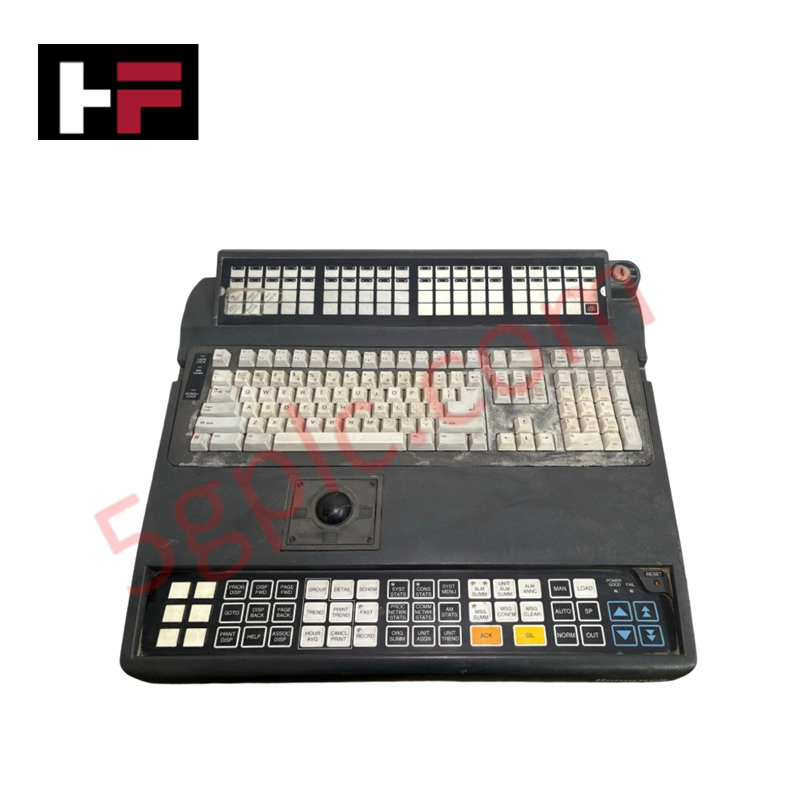
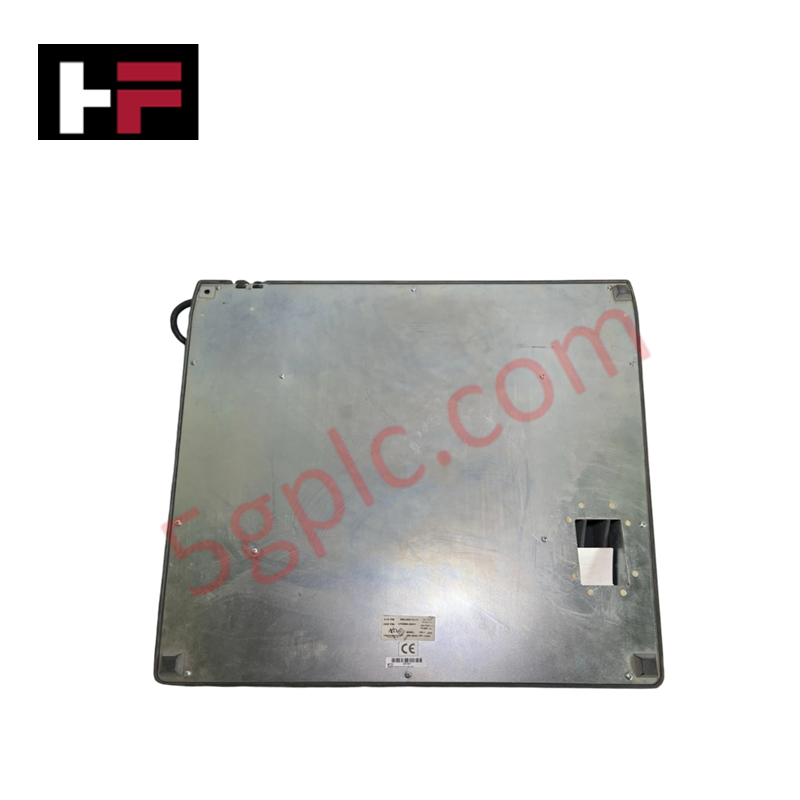
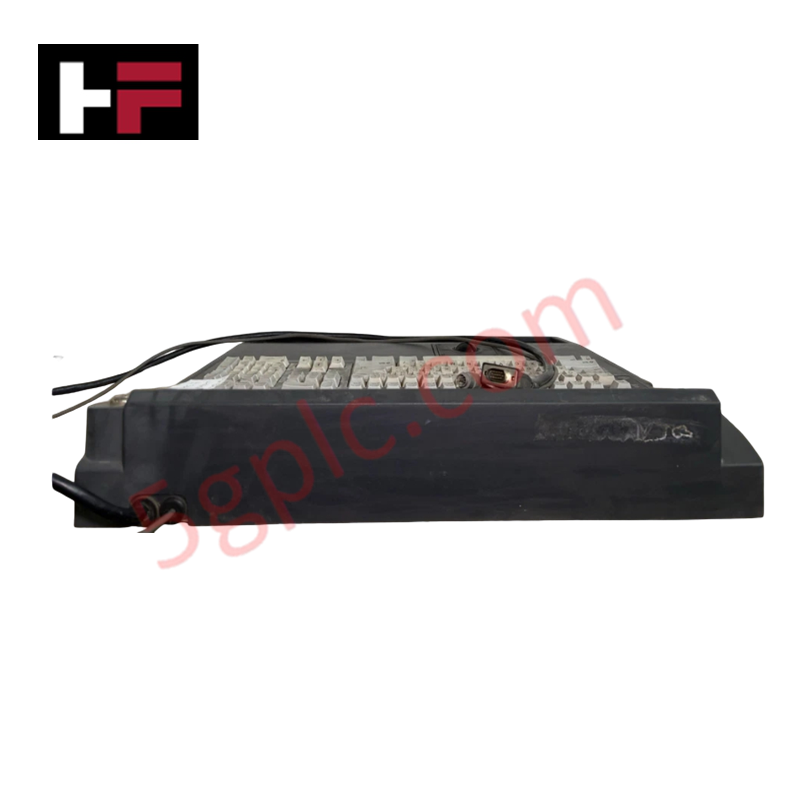
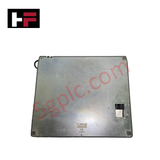
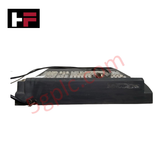
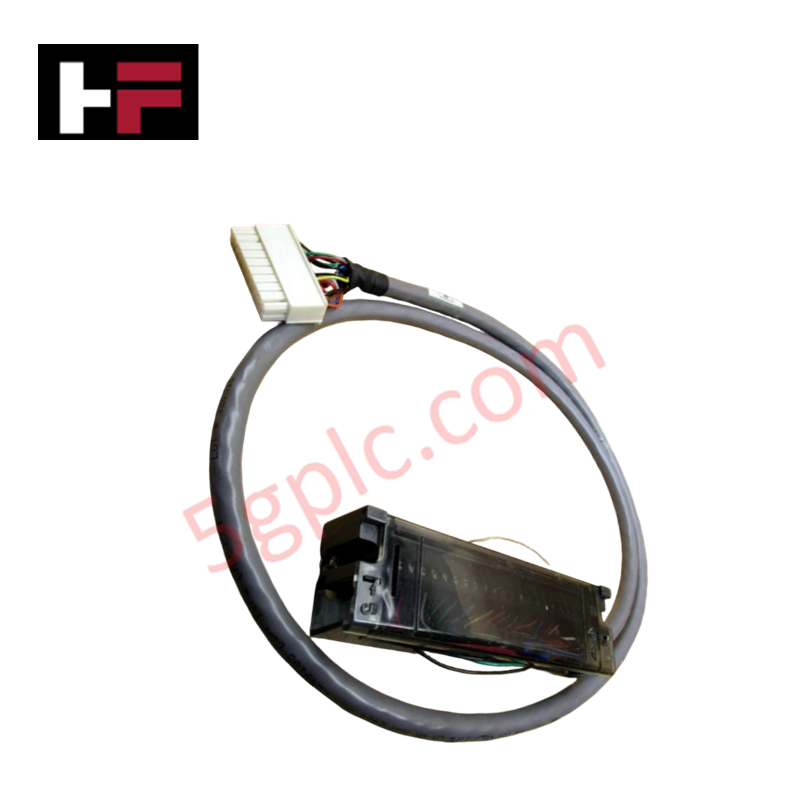
The Honeywell 9395-00381-013-D, also cataloged as the 9395-00381-013 Operator Keyboard, operates as a dedicated hardware component for manual data entry and operator command execution within Honeywell control system interfaces. The rugged input device registers physical key actuations to deliver direct digital input signals to paired controllers and automation stations.
Hardware Specifications
| Parameter | Specification |
|---|---|
| Model | 9395-00381-013-D (Esterline AID-3) |
| Brand | Honeywell |
| Series / Module Type | Industrial Automation / Operator Interface |
| Origin | USA |
| Weight | 0.7 kg |
| Dimensions | 192 mm x 101 mm x 31 mm |
| Operating Temp | 0 to +50 deg C |
| Power Consumption | Low-voltage DC interface bus draw |
| Keycap Life | 1 million operations |
| Storage Temp | -20 to +60 deg C |
Process Control Integration and Channel-to-Channel Isolation Boundaries
The electrical architecture of the 9395-00381-013-D industrial keyboard maintains isolated physical signal termination points to prevent common-mode noise propagation from the operator terminal housing into primary control racks. Although primarily functioning as an input peripheral, the subsystem is insulated to prevent electrical crosstalk from disturbing delicate low-voltage industrial loops, such as nearby 4-20 mA HART loop protocol lines or sensitive serial communication pathways, preserving signal boundary definitions inside clustered control panel configurations.
Frequently Asked Questions
Q: Does this operator keyboard support live hot-swap insertion and extraction on active control station ports?
A: Yes. The interface electronics permit online substitution or connection without disrupting active processor execution, provided that the physical port assignment matches the system firmware peripheral layout map.
Q: How does the internal tactile switch matrix respond to high-frequency vibration fields typical in process environments?
A: The switch matrix features structural mechanical debouncing that filters short-duration vibration contacts, preventing false mechanical registration states from executing accidental command sequences at the operator station.
Field Installation Guidelines
- Panel Cutout Alignment: Verify mounting aperture boundaries match the 192 mm x 101 mm footprint. Inset the chassis housing straight into the opening to prevent binding against frame limits.
- Interface Grounding Sequence: Connect the integrated chassis ground stud directly to the local distribution enclosure earth bar to facilitate proper ambient noise diversion before landing interface cables.
- Cable Separation Controls: Maintain physical separation between the low-voltage keyboard data line and high-voltage alternating current motor lines or variable frequency drive paths to minimize induction fields.
- Fastener Torque Limits: Hand-tighten all rear retention bracket screws uniformly to establish an even face seal profile without warping the elastomeric key overlay boundary.
Additional Information
- 100% Genuine Parts: All products are original and authentic, ensuring reliable industrial performance.
- 30-Day Refund Guarantee: Return any in-stock item within 30 days in original, unopened packaging for a full refund (excluding shipping and fees).
- 12-Month Warranty: Covers defects in materials or workmanship; excludes misuse, normal wear, or unauthorized modifications.
- Worldwide Shipping: We ship via USPS, UPS, FedEx, and DHL. Delivery times vary by country and may be subject to customs or import fees.
- Support & Contact: Technical and warranty assistance is available anytime. Contact us here: Contact.
- Purchase Guidance: Check product specifications and compatibility carefully before ordering to ensure proper application.




Tech & Buying Guide

Hub vs Switch vs Router in Industrial Automation Architecture
Modern factory automation relies on reliable industrial networking infrastructure to exchange real-time field data across operational technology systems. Engineers often encounter networking hardware like hubs, switches, and routers when integrating Programmable Logic Controllers, Distributed Control Systems, and SCADA monitoring nodes. Although these devices share physical ports, they operate at different layers of the Open Systems Interconnection reference model and deliver distinct traffic management capabilities.

Marshalling Cabinet Preventive Maintenance: Essential Healthiness Checks for PLC, DCS, and ESD Systems
Marshalling cabinets serve as the vital interface between field instrumentation and control room electronics in modern process facilities. Regular preventive maintenance of these cabinets ensures signal integrity across programmable logic controllers (PLCs), distributed control systems (DCS), and emergency shutdown (ESD) networks. System technicians must execute structured inspection protocols to mitigate environmental risks, identify loose wiring, and maintain continuous operational readiness.

Spatial Computing in Industrial Automation: Elevating PLC and DCS Operations with AR and VR
Industry 4.0 integrates digital intelligence into field operations, transforming factory automation landscapes worldwide. Spatial technologies—specifically Augmented Reality (AR) and Virtual Reality (VR)—redefine how engineers interact with industrial control systems. By bridging computer-generated CAD models with real-time operational technology (OT) data, immersive displays enable intuitive monitoring, rapid diagnostics, and safer maintenance across complex processing facilities.