Product Details
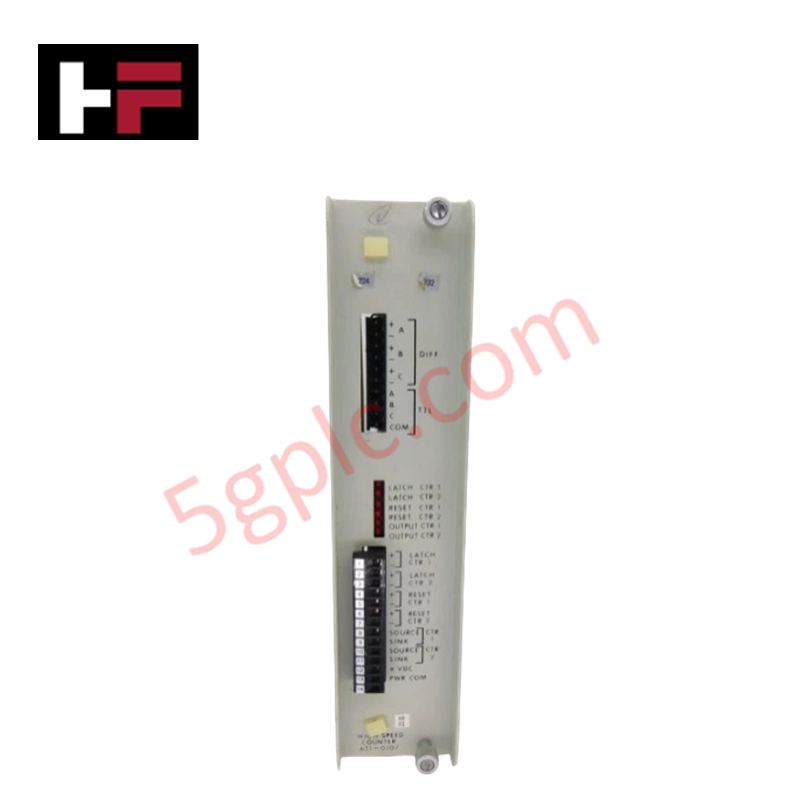
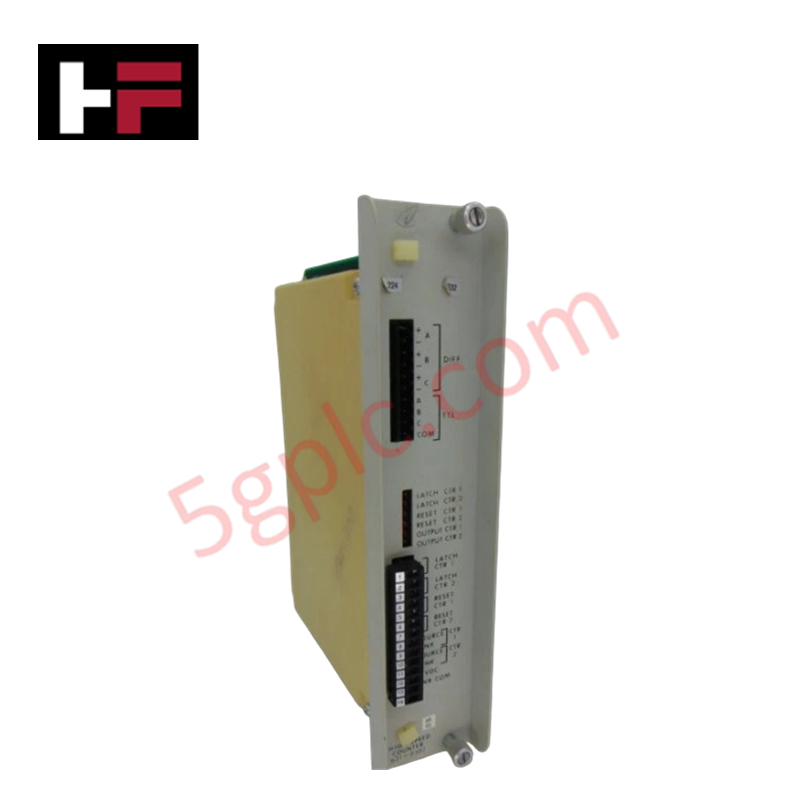
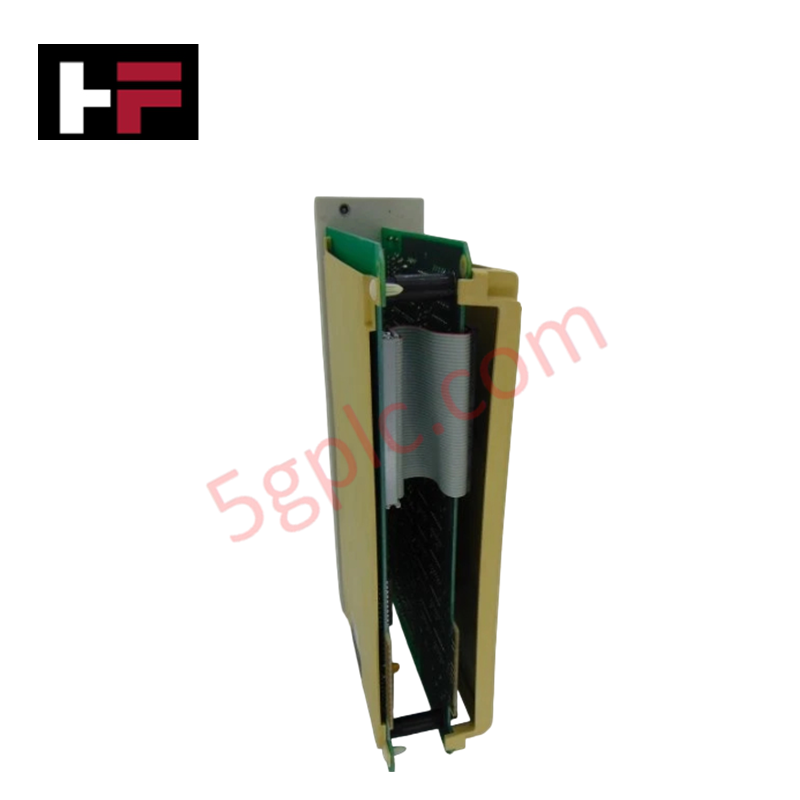
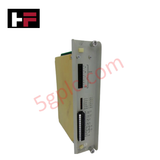
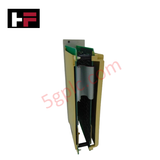
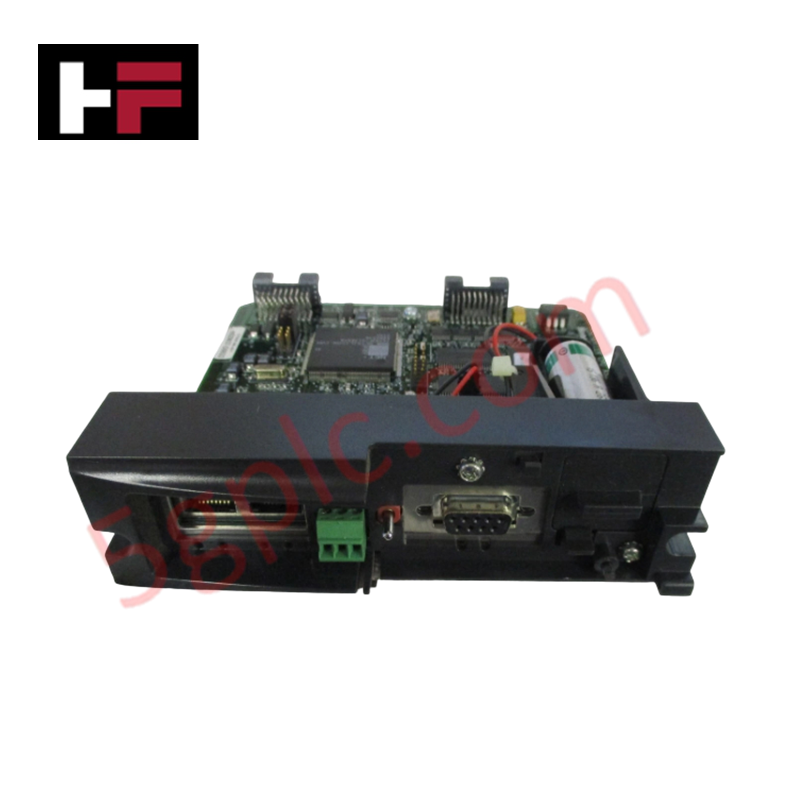
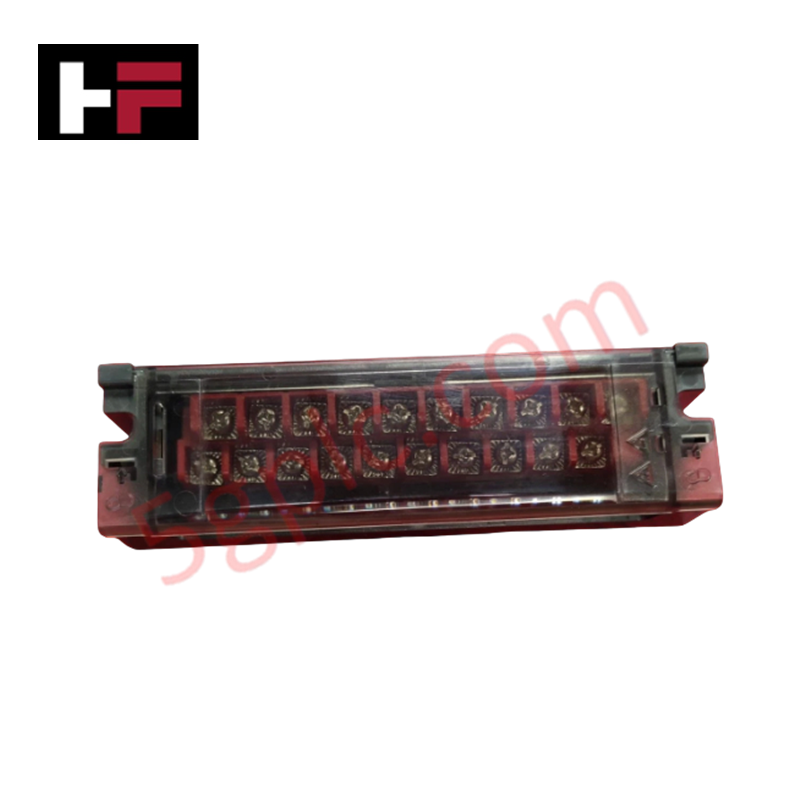
The Honeywell 621-0307, also cataloged as the 621 High-Speed Counter Module, operates as a dedicated hardware component for high-speed event counting technical tasks within Honeywell control system networks. The module processes discrete physical voltage pulses directly to register mechanical and electrical transitions without introducing processing lag to the host controller matrix.
Hardware Specifications
| Parameter | Specification |
|---|---|
| Model | 621-0307 |
| Brand | Honeywell |
| Origin | USA |
| Weight | 200 g |
| Dimensions | 120 mm x 80 mm x 40 mm |
| Operating Temp | -40 to 85 deg C |
| Power Consumption | Rack backplane dependent |
| Input Voltage | 24 VDC |
| Counter Velocity | High-speed counting capability |
Honeywell Channel-to-Channel Isolation Protocols
The assembly incorporates distinct electrical architectures ensuring robust channel-to-channel isolation parameters between the high-speed input circuitry and the internal system backplane logic. This design configuration blocks field-side transient voltage spikes up to the maximum rated limits and eliminates common-mode noise issues, mitigating cross-talk across adjacent input channels while preserving accurate digital count transitions during rapid tracking sequences.
Frequently Asked Questions
Q: Does the module configuration allow active hot-swap insertion during system runtime?
A: To preserve backplane bus communication velocity and prevent signal degradation, the system chassis segment should be completely de-energized before inserting or extracting the hardware interface board.
Q: What is the primary electrical input requirement for the event counting paths?
A: The physical input terminals accept discrete incoming pulses calibrated to a standard nominal electrical rating of 24 VDC.
Field Installation Guidelines
- Mount the module securely within the dedicated rack slot, verifying that the integrated alignment guides mate correctly with the rear bus pins.
- Terminate the 24 VDC external field wiring using shielded twisted-pair cables to counter high-frequency electromagnetic interference along the signal run.
- Ground the cable shielding elements exclusively at the single-point termination bar inside the primary enclosure to avoid developing ground loops.
- Maintain sufficient clearances around the 120 mm x 80 mm x 40 mm enclosure profile to guarantee unhindered passive thermal dissipation within the panel.
Additional Information
- 100% Genuine Parts: All products are original and authentic, ensuring reliable industrial performance.
- 30-Day Refund Guarantee: Return any in-stock item within 30 days in original, unopened packaging for a full refund (excluding shipping and fees).
- 12-Month Warranty: Covers defects in materials or workmanship; excludes misuse, normal wear, or unauthorized modifications.
- Worldwide Shipping: We ship via USPS, UPS, FedEx, and DHL. Delivery times vary by country and may be subject to customs or import fees.
- Support & Contact: Technical and warranty assistance is available anytime. Contact us here: Contact.
- Purchase Guidance: Check product specifications and compatibility carefully before ordering to ensure proper application.





Tech & Buying Guide

Voice-Activated Industrial Automation: Integrating Speech Control into PLC and DCS Architectures
Industrial automation integrates speech recognition, IIoT protocols, and NLP with PLCs and DCS to streamline operations. By leveraging advanced edge computing, engineers enable real-time, hands-free control—allowing personnel to manage smart factory processes safely away from hazardous equipment.
Modern Industrial Automation: Transforming Safety and Efficiency in Mining Operations
Industrial automation has evolved from a simple manufacturing tool into the operational backbone of high-risk sectors. Modern mining operations increasingly rely on advanced control systems, programmable logic controllers (PLCs), distributed control systems (DCS), and artificial intelligence to address deep-underground hazards. By replacing manual labor in high-risk zones, factory automation technologies protect personnel while significantly boosting operational throughput.