
Product Details
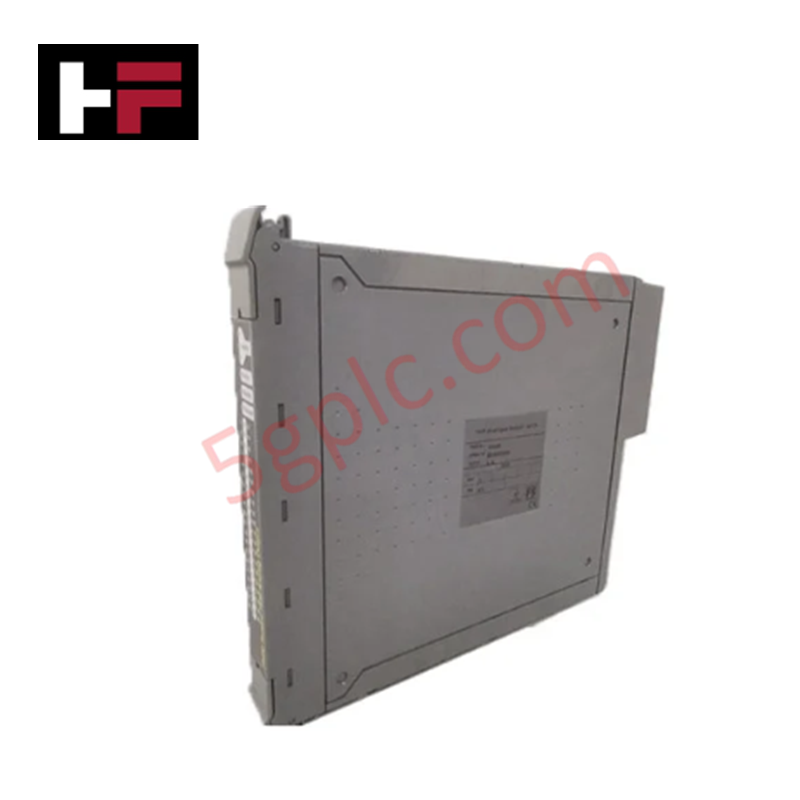
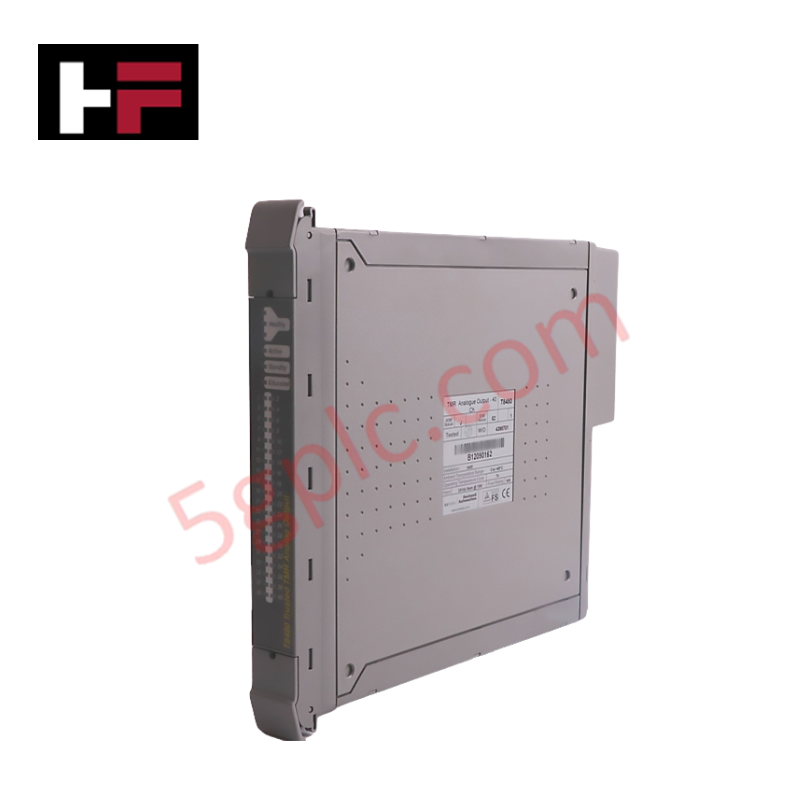
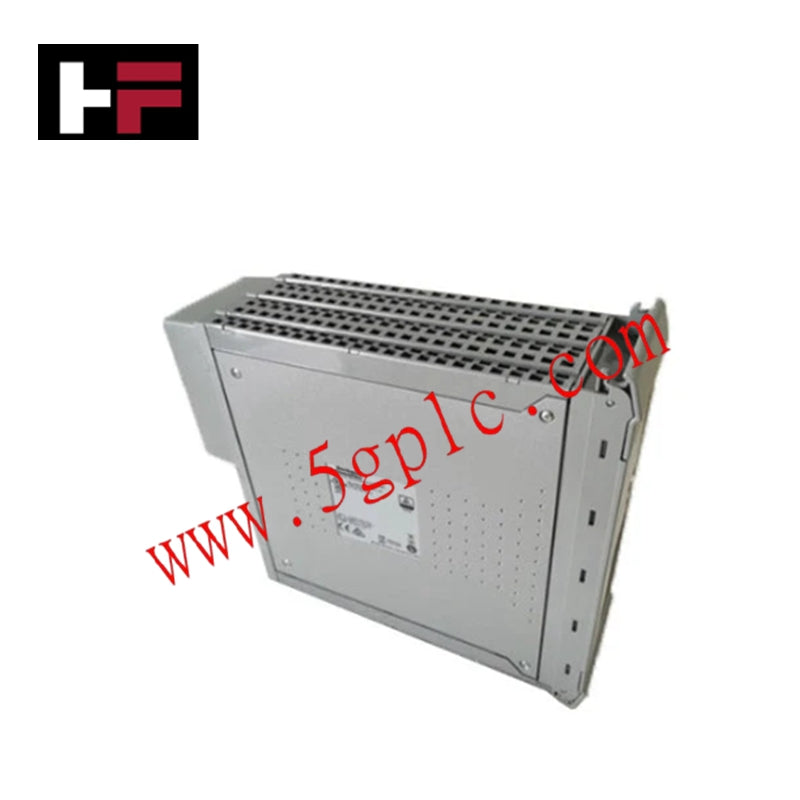
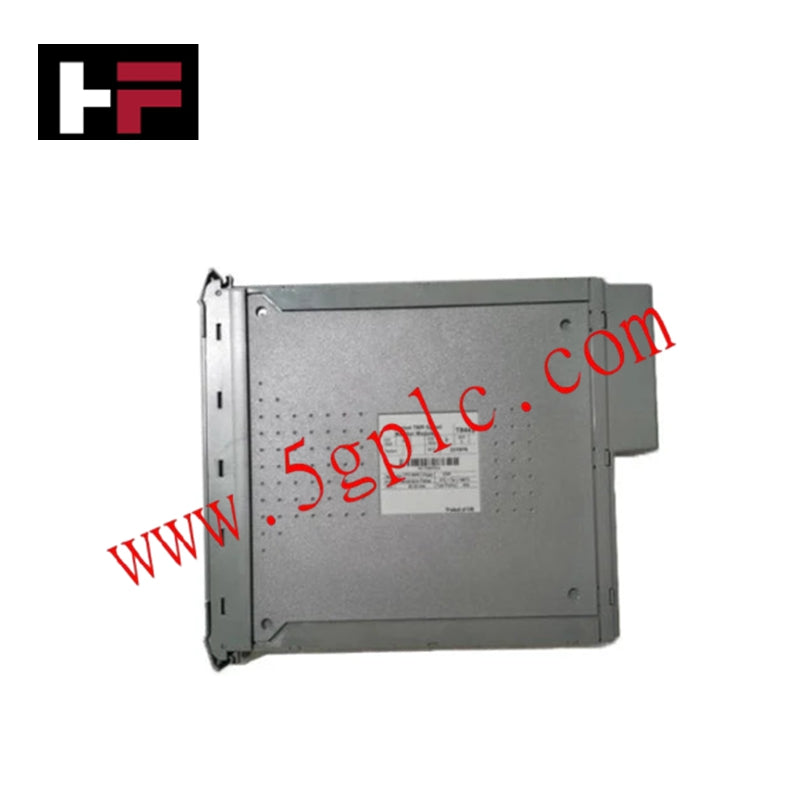
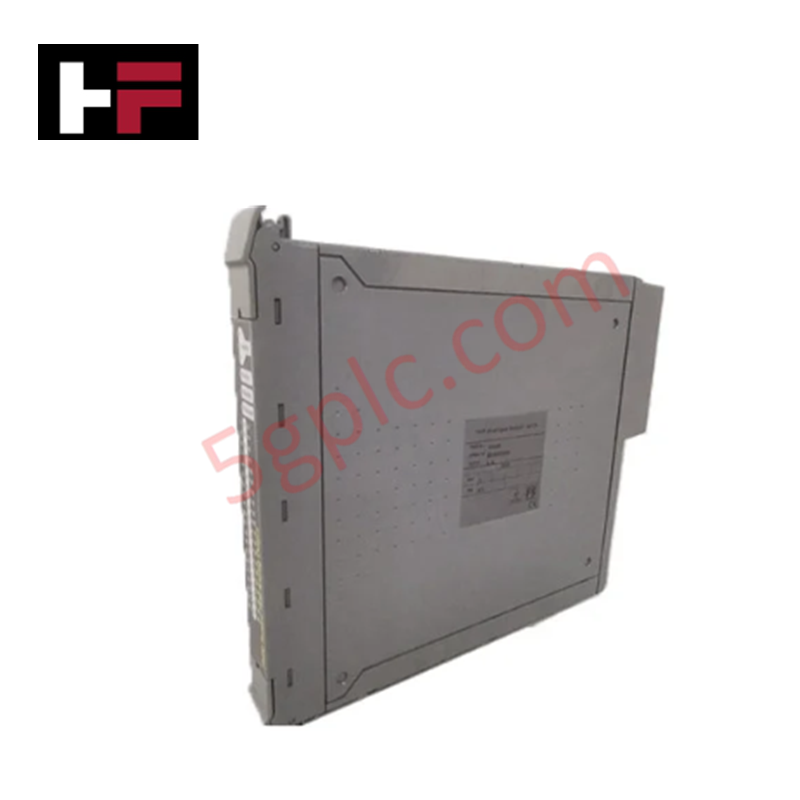
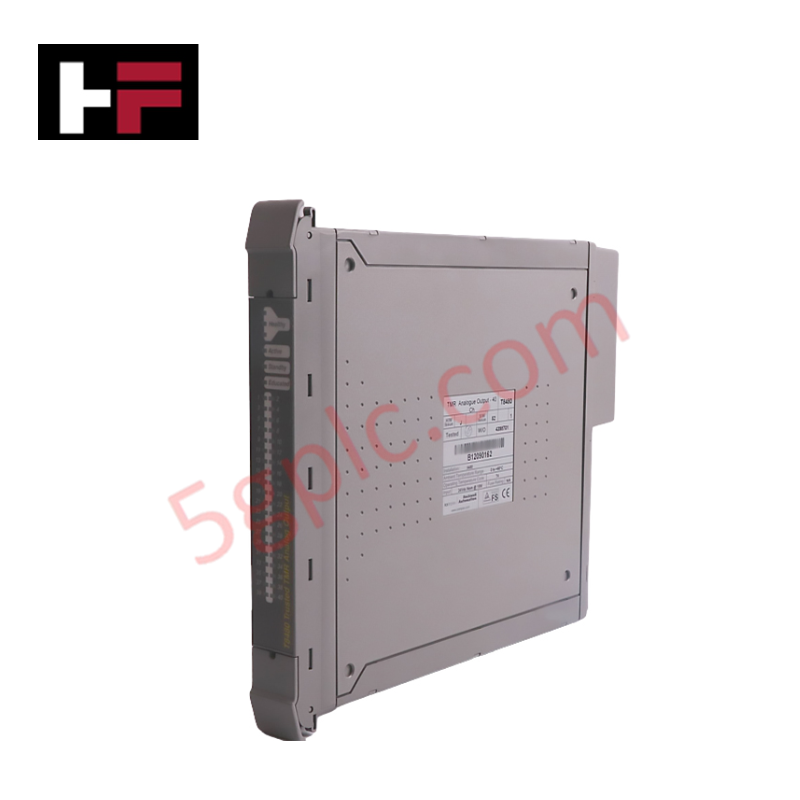
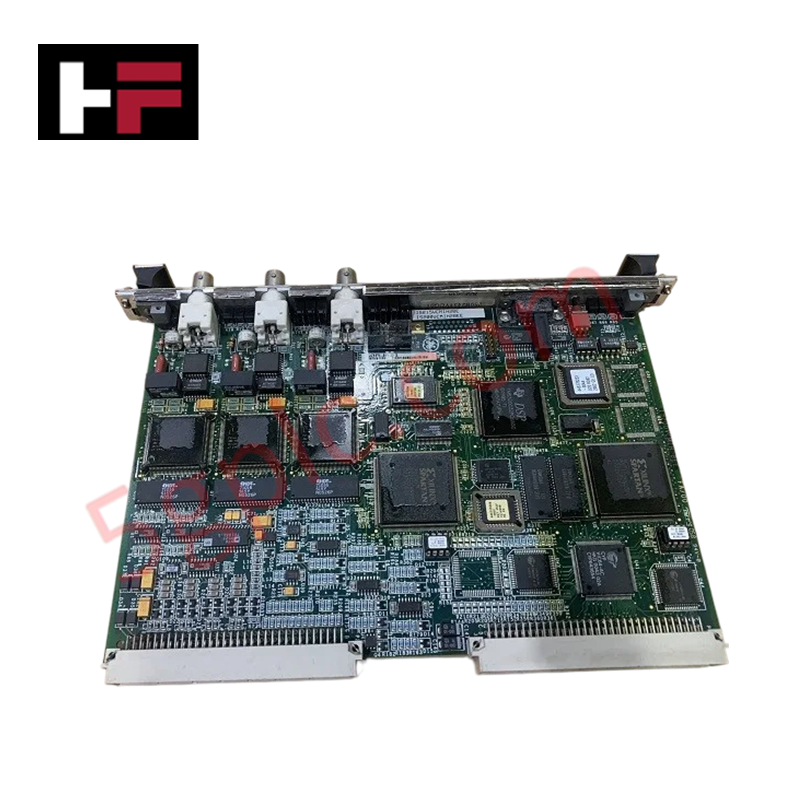
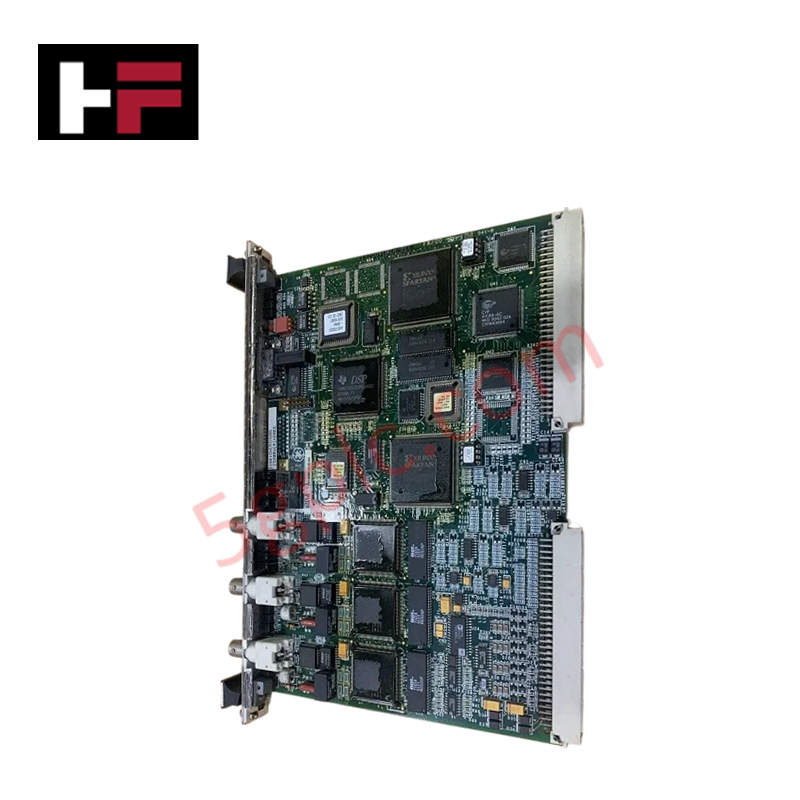
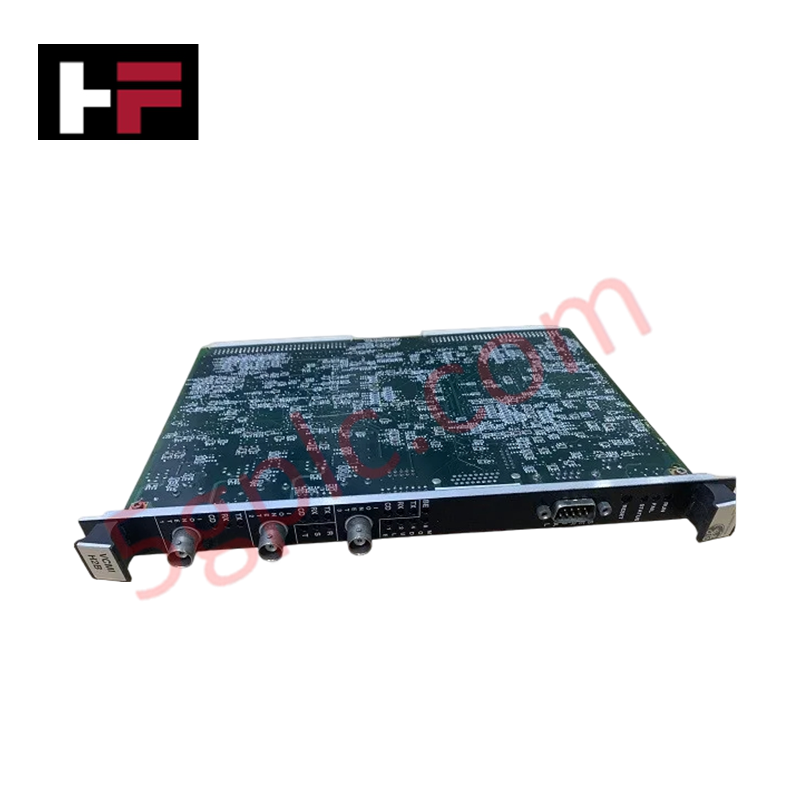
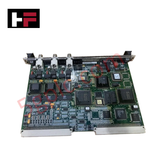
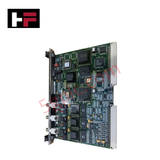
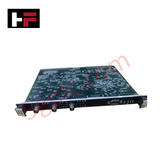
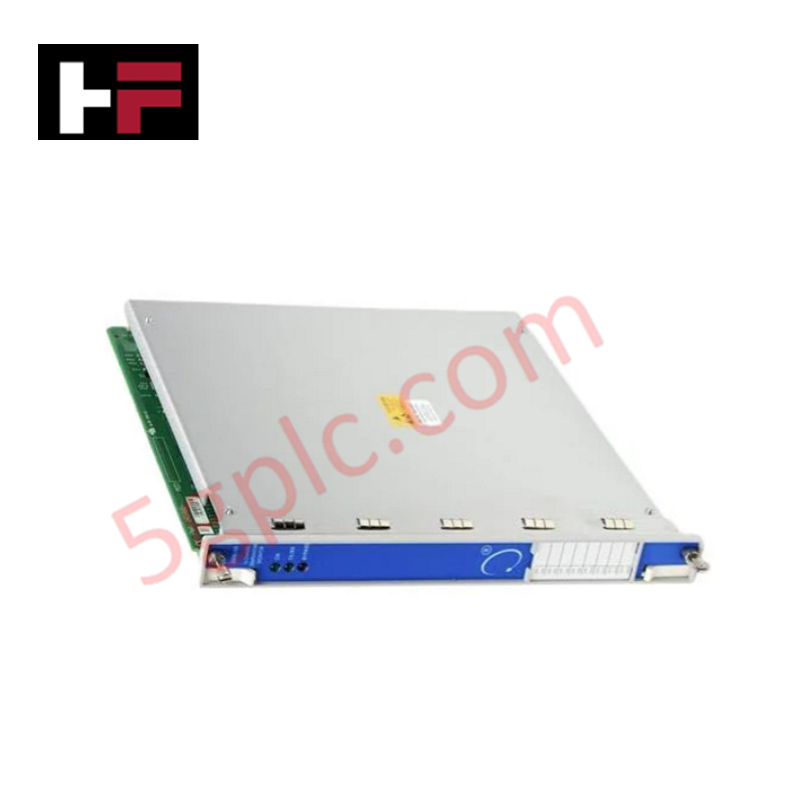
Configured for internal network management in Mark VI Speedtronic control platforms, the GE IS200VCMIH2B (IS200VCMIH2B VME Communications Interface) provides direct physical execution of backplane data exchange. This hardware component serves as the primary VME bus master controller utilized to execute inter-module communication across Control and Protection Modules within the Mark VI rack architecture.
Hardware Specifications
| Parameter | Specification |
|---|---|
| Model | IS200VCMIH2B |
| Brand | GE |
| Dimensions | Standard VME board form factor |
| Operating Temp | Standard indoor air-cooled range |
| Power Consumption | 125 V dc |
| Core Performance | VME bus master; 3 IONet ports; 9-pin serial interface |
Industrial Control and Firmware Compatibility
The IS200VCMIH2B is installed in slot one of the Central Control Module, facilitating high-speed data transfer between I/O cards, control modules, and protection modules. The module supports I/O density scaling by coordinating multiple network segments through three dedicated DIN connectors (IONet1 through IONet3). Deterministic backplane bus communication velocity is maintained through two onboard field-programmable gate arrays (FPGAs), which manage signal routing and data packet prioritization. Firmware flash compatibility is strictly enforced through the ControlST software suite, requiring exact version matching between the VCMI processor and the host controller to ensure synchronized operation. The board’s architecture includes extensive onboard diagnostics via front-faceplate LED arrays, providing real-time status visibility for network activity and board health.
Frequently Asked Questions
Q: Is the IS200VCMIH2B hot-swappable in the Mark VI rack?
A: No. The VME backplane connection does not support live insertion or removal. The chassis power must be isolated and the board de-energized before extraction to prevent electrical damage to the backplane connectors and the high-density surface-mount components.
Q: What is the purpose of the 9-pin serial connector on the faceplate?
A: The 9-pin male serial connector serves as a local engineering interface for diagnostic polling and system configuration. It is not intended for high-speed continuous control data bus communication.
Field Installation Guidelines
- Mounting: Ensure the board is aligned with the slot one guide rails of the Central Control Module. Seat the board firmly to ensure full engagement of the backplane connectors.
- Grounding: The PCB must maintain a secure electrical path to the rack chassis ground. Ensure the faceplate mounting screws are tightened to the specified torque to maintain electromagnetic compatibility (EMC) shielding.
- Cabling: Utilize shielded cables for all IONet connections to prevent crosstalk. Ensure cables are strain-relieved to prevent mechanical stress on the faceplate DIN connectors.
- Verification: Perform a power-up diagnostic check via the system engineering software to confirm that all three IONet ports and the VME bus interface are correctly initialized before placing the control module into service.
Additional Information
- 100% Genuine Parts: All products are original and authentic, ensuring reliable industrial performance.
- 30-Day Refund Guarantee: Return any in-stock item within 30 days in original, unopened packaging for a full refund (excluding shipping and fees).
- 12-Month Warranty: Covers defects in materials or workmanship; excludes misuse, normal wear, or unauthorized modifications.
- Worldwide Shipping: We ship via USPS, UPS, FedEx, and DHL. Delivery times vary by country and may be subject to customs or import fees.
- Support & Contact: Technical and warranty assistance is available anytime. Contact us here: Contact.
- Purchase Guidance: Check product specifications and compatibility carefully before ordering to ensure proper application.





Tech & Buying Guide

Mastering VFD Braking Theory and Mechanical Brake Sequencing in Industrial Automation
In industrial automation, variable frequency drives (VFDs) regulate motor speed and torque across manufacturing plants and material handling systems. However, certain heavy-duty applications experience external loads that can rotate the motor shaft without an active command. For instance, gravity pulls loads downward in unanchored hoisting equipment. Therefore, engineers integrate mechanical brakes with VFD logic to maintain absolute safety and prevent structural damage or personnel injury during shutdowns.

Optimizing Tank Level Control Using Proportional Algorithms in PLC Systems
Industrial automation engineers frequently encounter liquid level regulation challenges across diverse process plants. Traditional ON-OFF control mechanisms often disrupt system stability due to abrupt actuator switching. Therefore, upgrading to closed-loop architectures like proportional control yields smoother responses. In a typical PLC environment, such as Siemens TIA Portal, engineers utilize closed-loop feedback to minimize process errors without requiring full PID complexity.
Understanding Why Your PLC Enters Stop Mode: Causes and Troubleshooting
In industrial automation, programmable logic controllers (PLCs) serve as the core intelligence of modern factory automation and distributed control systems (DCS). Understanding how a PLC transitions between modes is vital for maintenance engineers. Typically, a PLC operates across four primary modes: Run, Stop, Start-Up, and Hold. When power is applied, the system immediately boots into Stop mode before initiating the Start-Up sequence. If the controller encounters a critical error during execution, it automatically reverts to Stop mode to prevent equipment damage. Therefore, monitoring these state transitions helps technicians maintain high system availability.