










Product Details
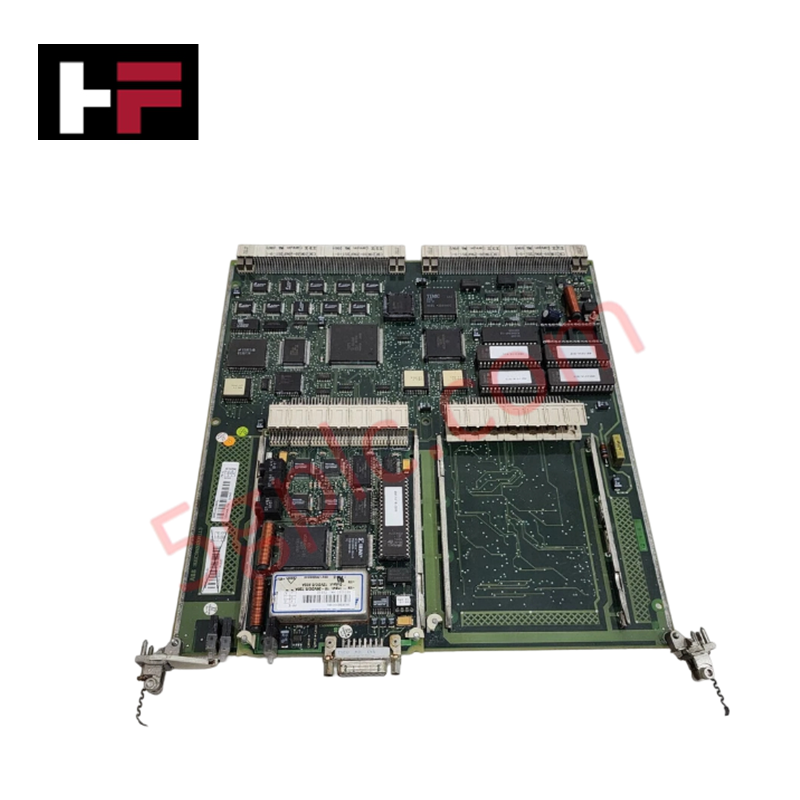
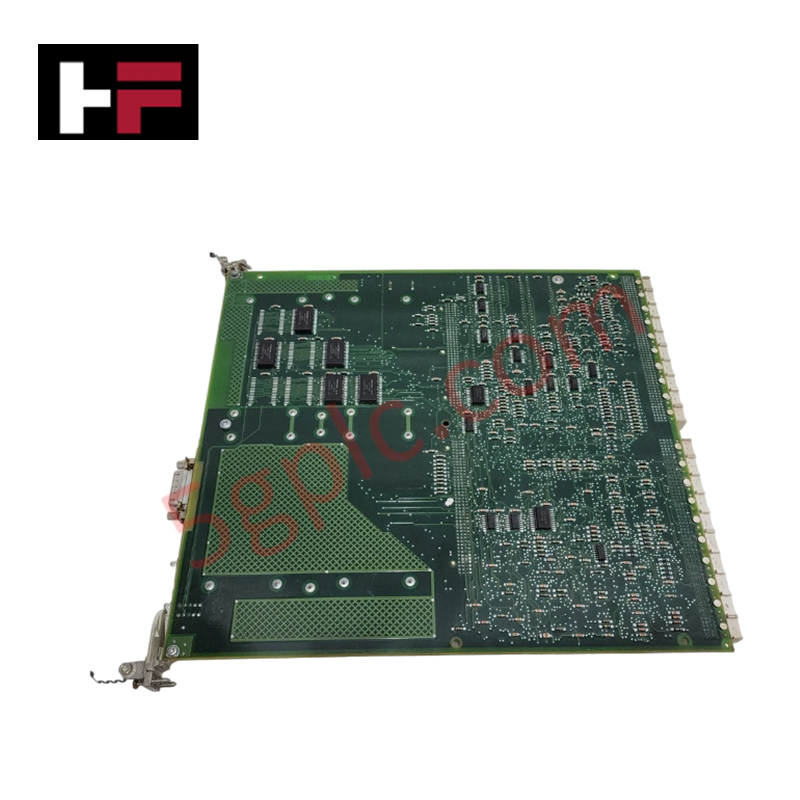
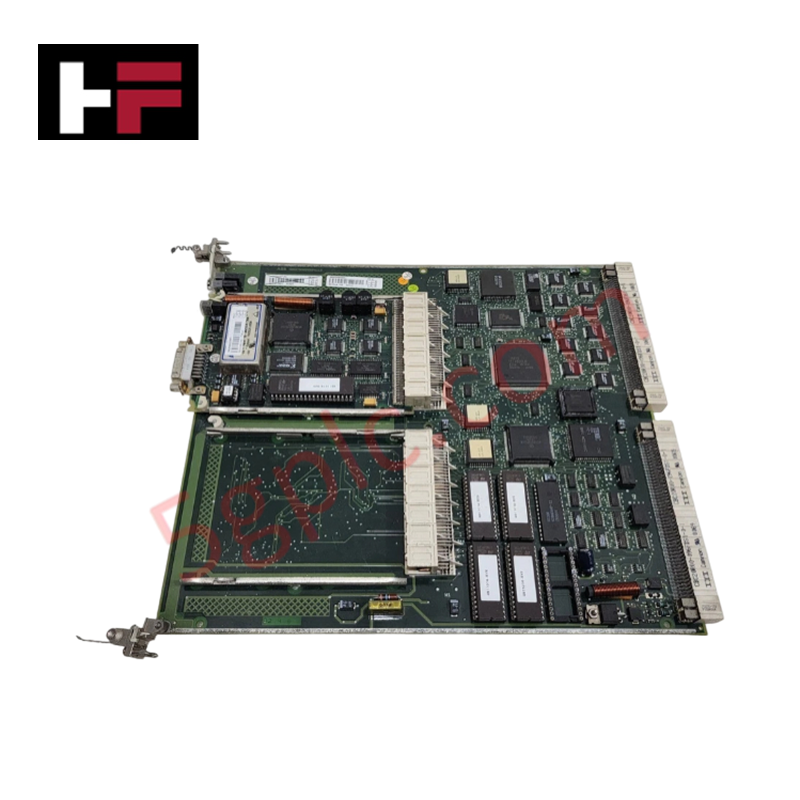
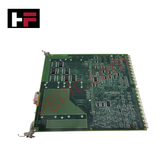
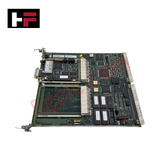
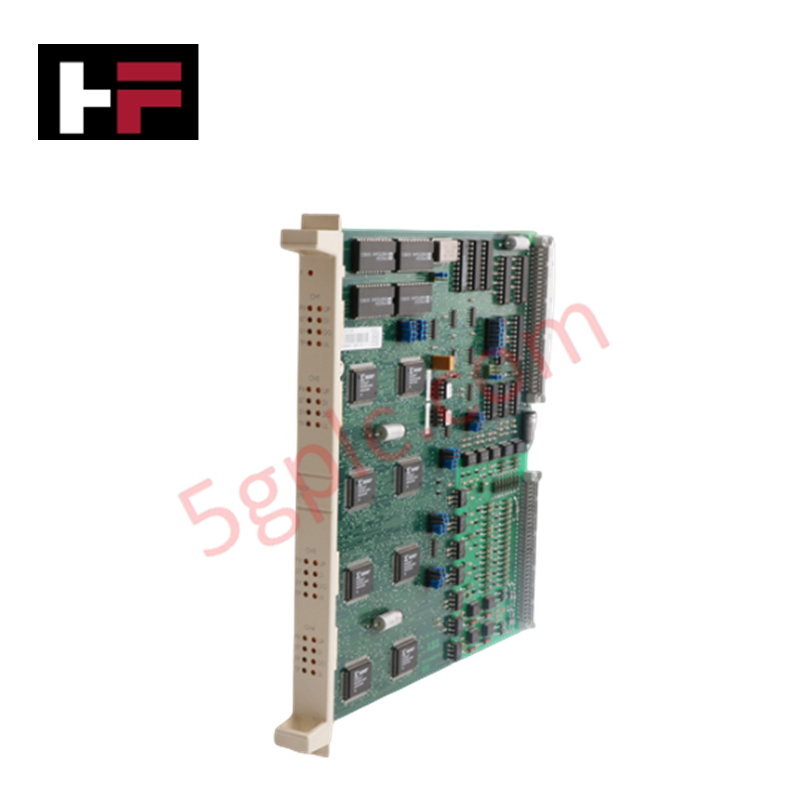
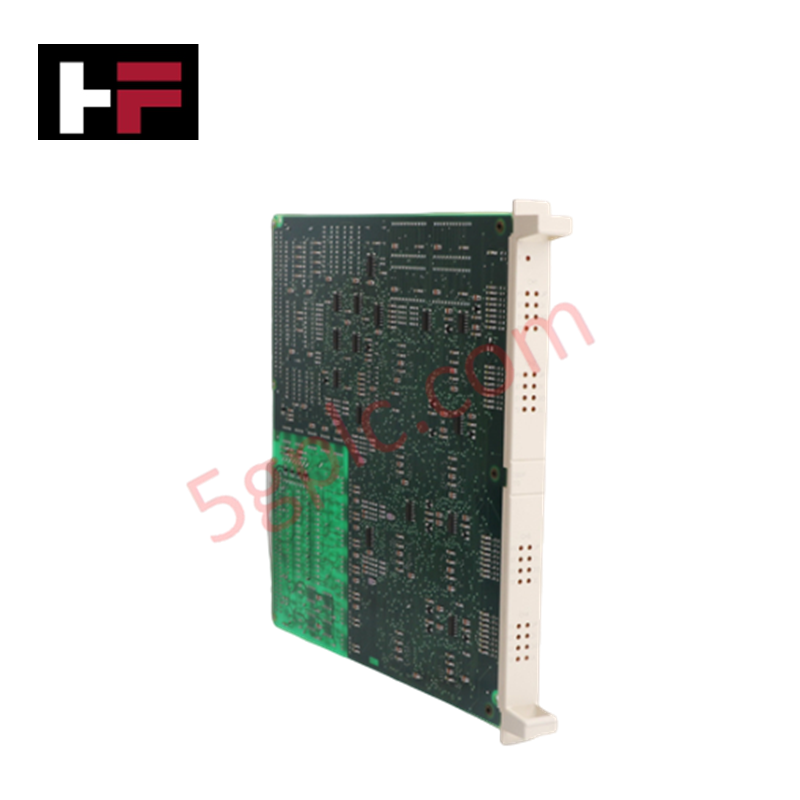
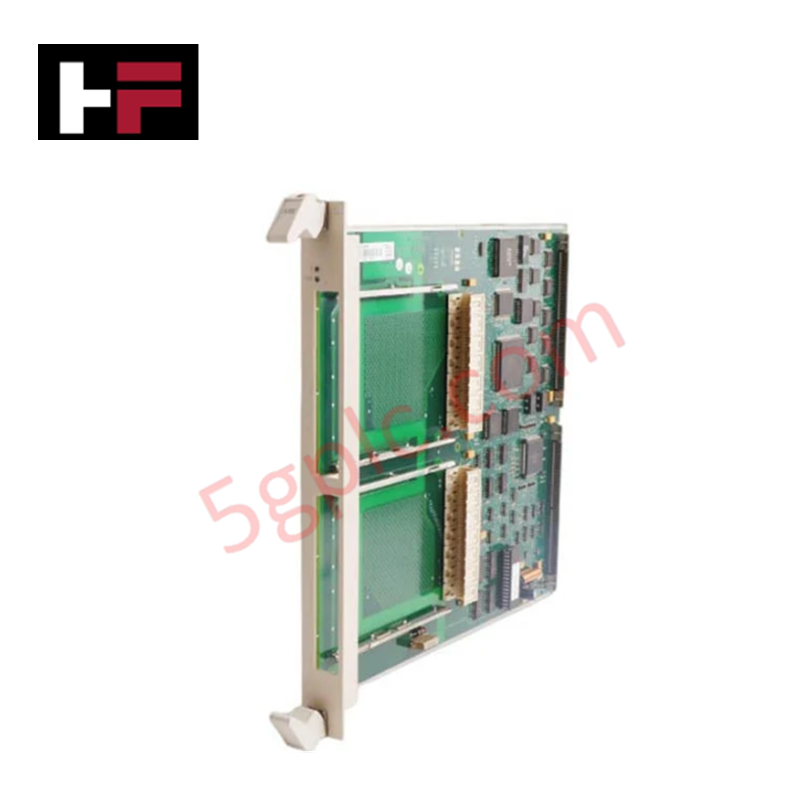
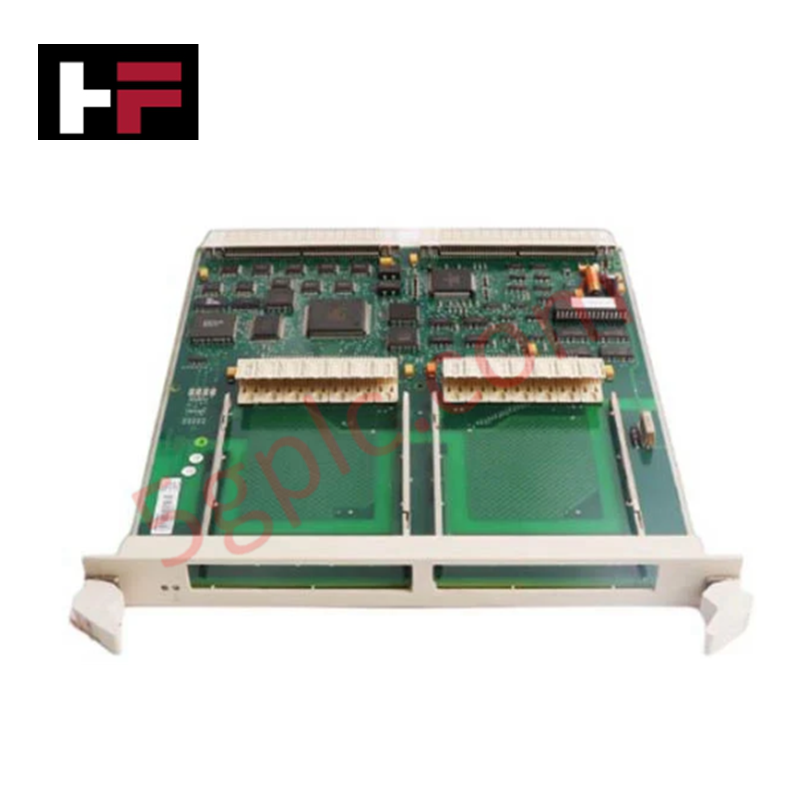
The ABB SC540 3BSE006096R1, also cataloged as the SC540 Communication Module, operates as a dedicated hardware component for local protocol processing and submodule carrier management within ABB MOD 300 Process Control System architectures.
Hardware Specifications
| Parameter | Specification |
|---|---|
| Model | SC540 (Product ID: 3BSE006096R1) |
| Brand | ABB |
| Origin | Sweden |
| Weight | 0.71 kg |
| Dimensions | 30 mm x 300 mm x 291 mm (W x H x D) |
| Operating Temp | 0 to +55 deg C |
| Power Consumption | Standard rack backplane load |
| Integrated Processor | Onboard local CPU |
| Product Type | Communication Module / Submodule Carrier |
| System Compatibility | ABB MOD 300 Process Control System |
| Environmental Compliance | Non-RoHS Compliant (Exempted under EU 2011/65/EU Article 2(4)) |
Deterministic Network Backplane Routing and Firmware Flash Compatibility
The SC540 carrier utilizes its onboard local CPU to process asynchronous communication protocols and offload real-time signal handling from the main controller backplane. Embedded bus transceiver logic ensures deterministic backplane bus communication velocity across adjacent submodule slots, maintaining firmware flash compatibility and strict timing alignment during high-density I/O scan cycles.
Frequently Asked Questions
Q: Does the SC540 submodule carrier support hot-swapping during active system operations?
A: No. Removing or inserting the SC540 while the subrack is powered disrupts the local CPU communication bus and can cause fault trips on attached submodules. Power down the carrier slot prior to module replacement.
Q: How is thermal management handled across the SC540 assembly given its 30 mm width profile?
A: The module relies on vertical cabinet convection airflow through the subrack. Ventilation spaces above and below the card cage must remain unobstructed to maintain passive cooling across the local CPU board.
Field Installation Guidelines
- Ensure the subrack cabinet power supply is fully isolated before aligning the SC540 carrier with the card cage guide rails.
- Slide the module smoothly into the designated rack slot until the backplane edge connectors mate securely with the bus plane.
- Tighten top and bottom retaining screws to establish low-impedance grounding contact with the subrack metal frame.
- Verify all daughter submodules and front communication cables are securely latched before restoring system power.
Additional Information
- 100% Genuine Parts: All products are original and authentic, ensuring reliable industrial performance.
- 30-Day Refund Guarantee: Return any in-stock item within 30 days in original, unopened packaging for a full refund (excluding shipping and fees).
- 12-Month Warranty: Covers defects in materials or workmanship; excludes misuse, normal wear, or unauthorized modifications.
- Worldwide Shipping: We ship via USPS, UPS, FedEx, and DHL. Delivery times vary by country and may be subject to customs or import fees.
- Support & Contact: Technical and warranty assistance is available anytime. Contact us here: Contact.
- Purchase Guidance: Check product specifications and compatibility carefully before ordering to ensure proper application.
Tech & Buying Guide
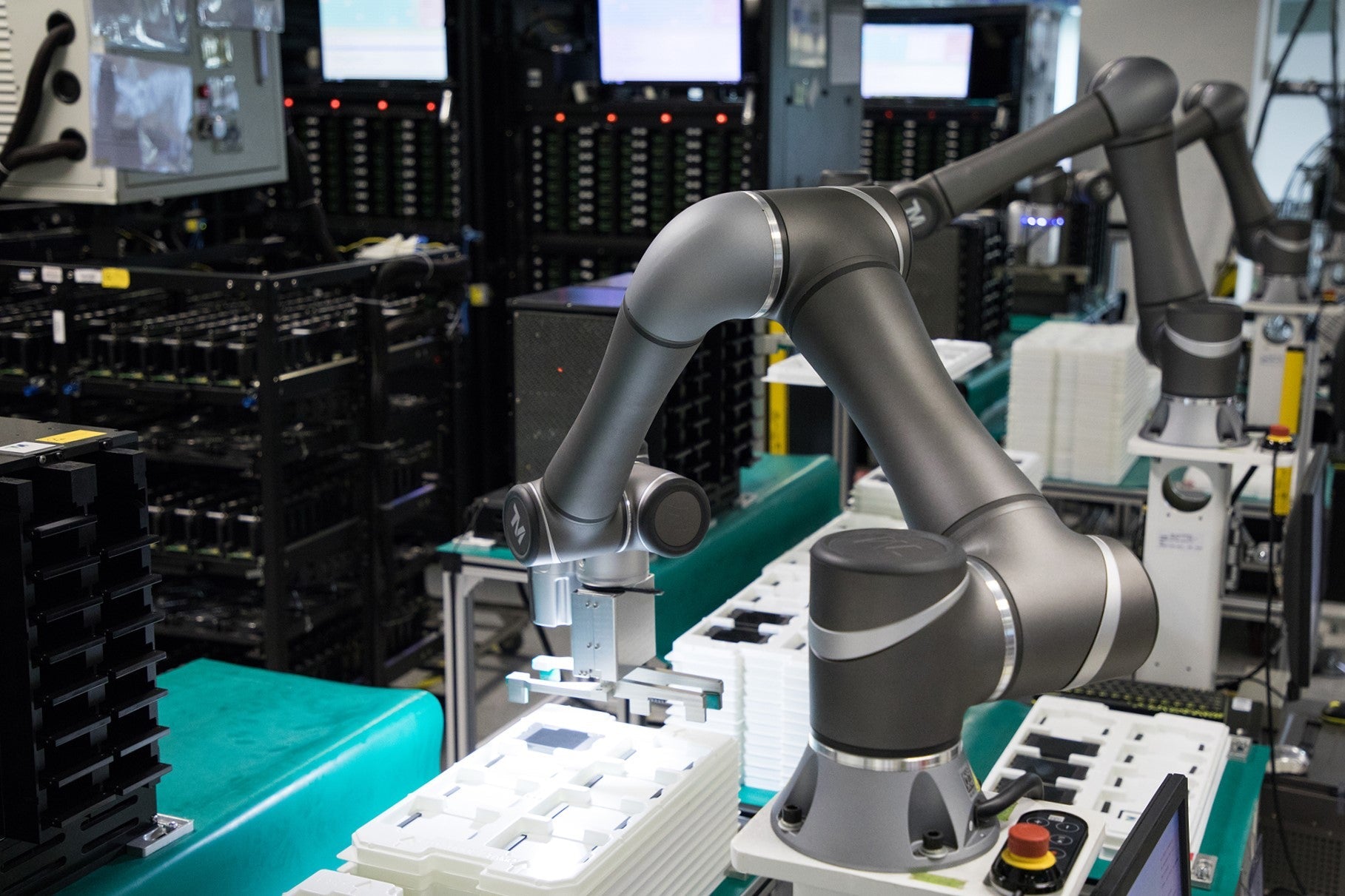
Redundant Automation Systems: Ensuring Continuous Uptime in Critical Control Infrastructure
System reliability directly determines operational profitability across high stakes process industries. Modern industrial automation platforms must eliminate single points of failure to prevent catastrophic shutdowns. Deploying fault tolerant architecture safeguards complex facilities against unexpected hardware glitches, network disruptions, and maintenance outages.

Understanding Types of Noise in Electronic Circuits and Control Systems
Signal integrity directly determines measurement accuracy and loop stability across industrial automation environments. Electronic noise introduces unwanted stochastic interference into analog loops, sensor feedback lines, and digital fieldbus networks. Understanding how intrinsic electronic noise and external electromagnetic interference manifest allows control engineers to optimize signal conditioning and shield sensitive instrumentation effectively.

Why 24V DC Power Supplies Standardize Modern Industrial Automation
Industrial control cabinets worldwide rely on 24V DC as the universal power standard for field instrumentation, sensors, and controllers. Walk into any manufacturing plant, and you will find PLCs, human-machine interfaces (HMIs), and smart actuators running on extra-low voltage DC. Standardizing on 24V DC enhances operational safety, lowers cabinet footprint, and maintains steady control performance across factory networks.