








Product Details
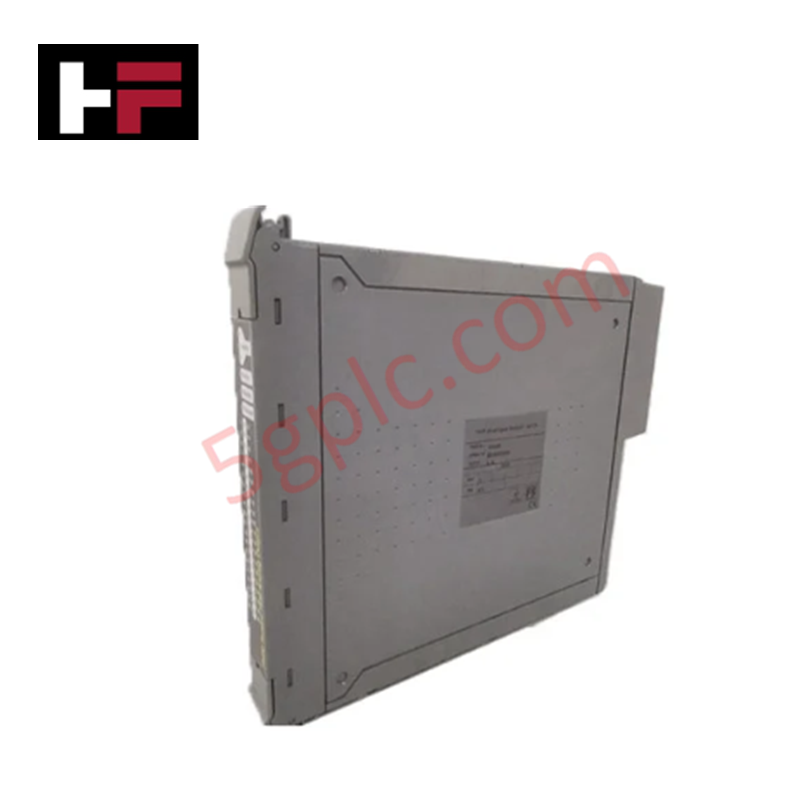
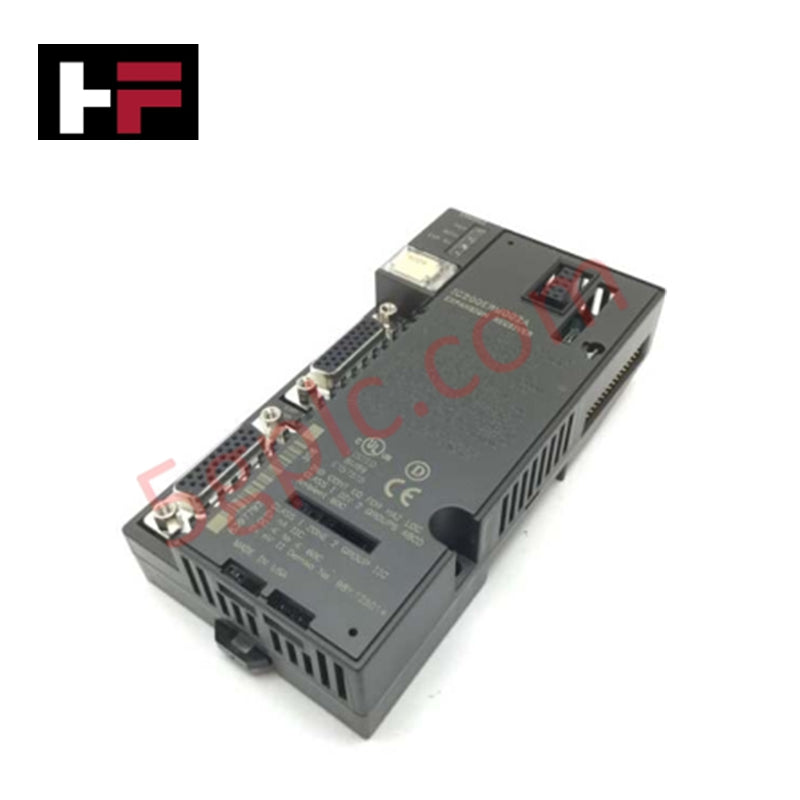
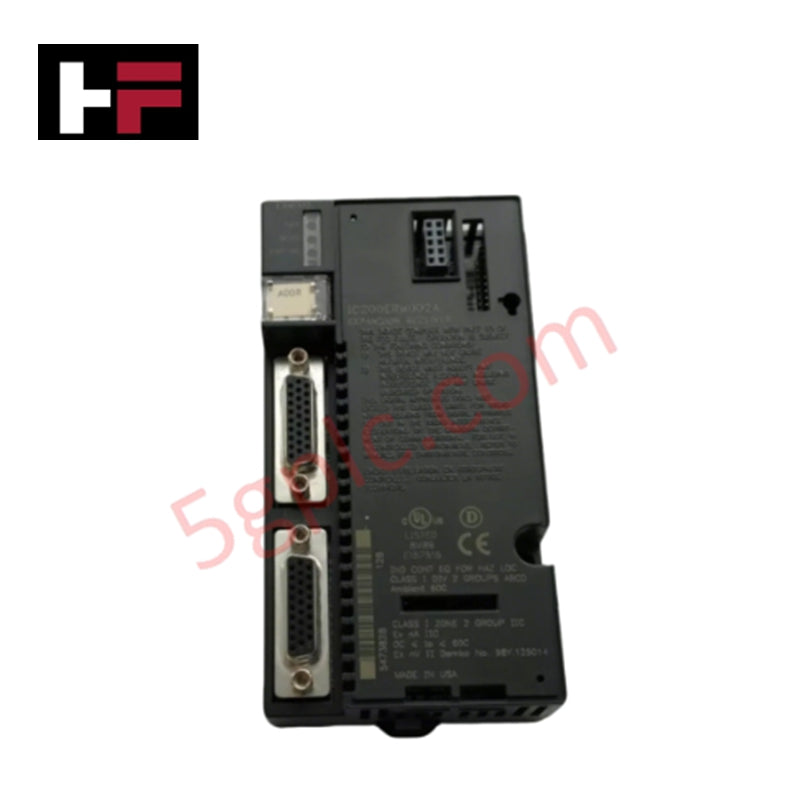
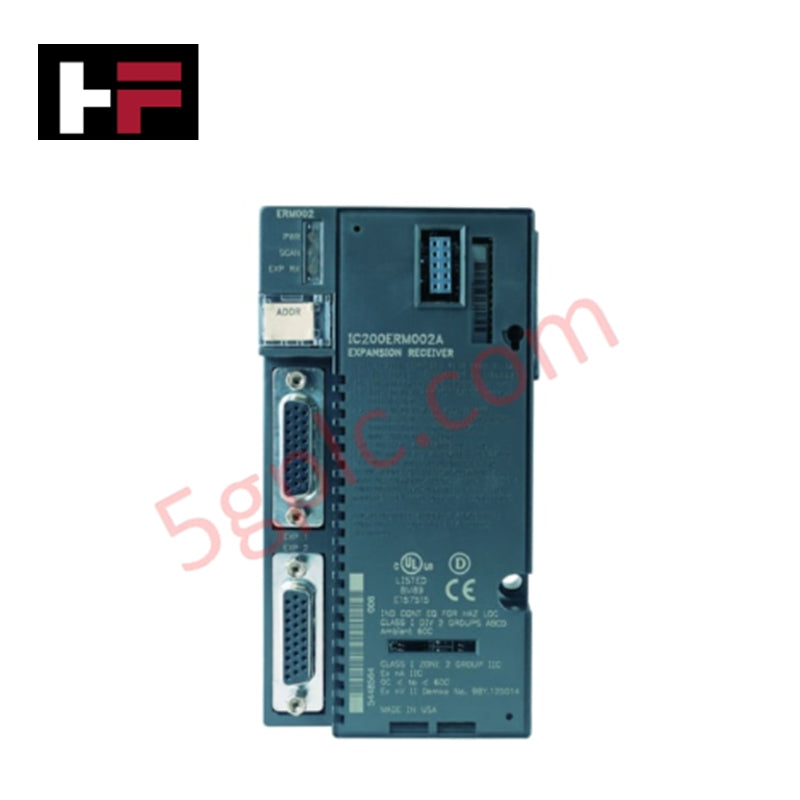
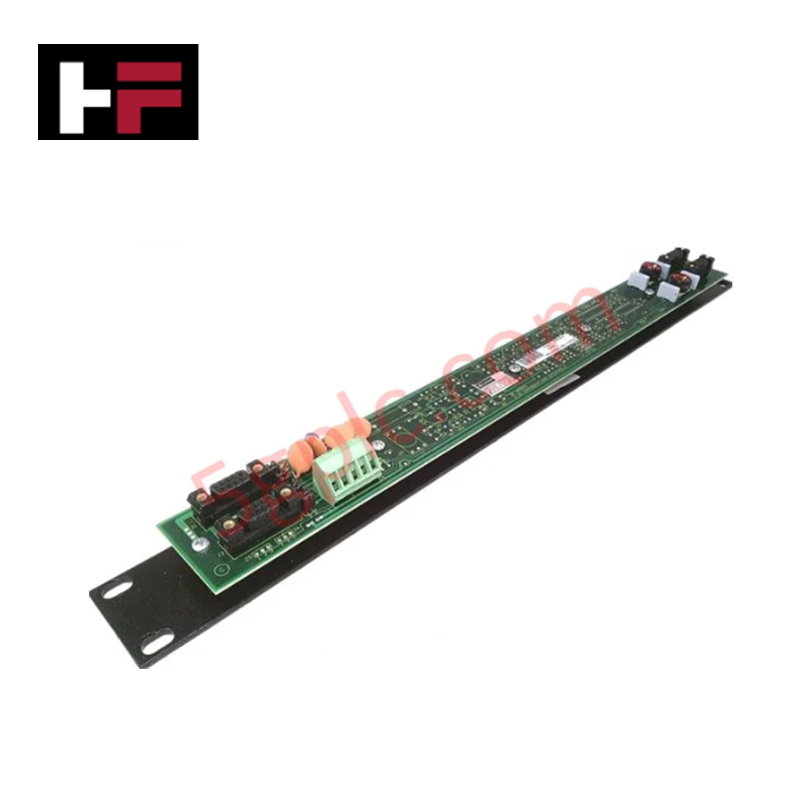
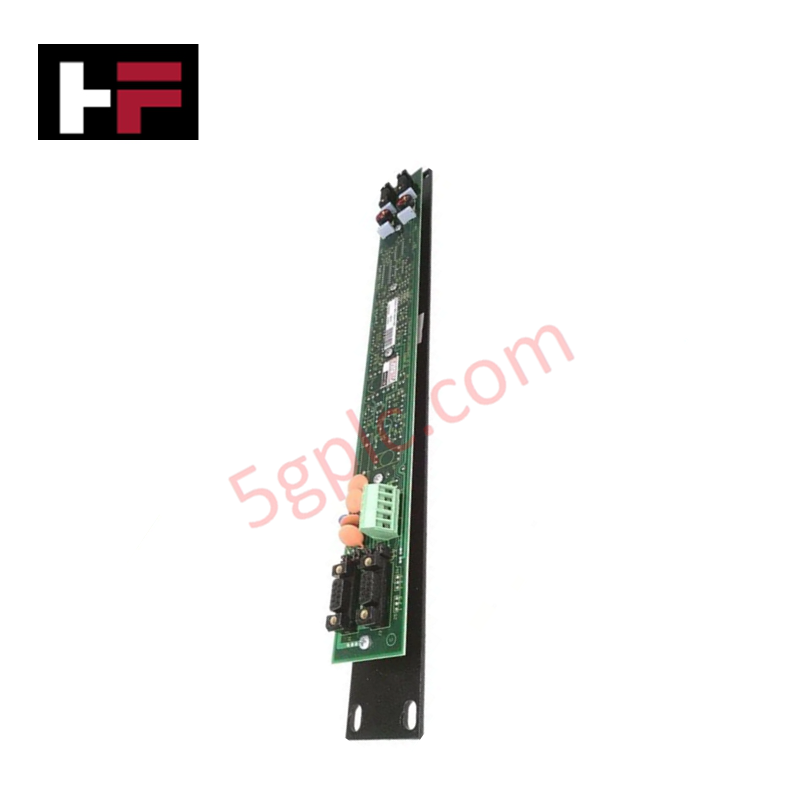
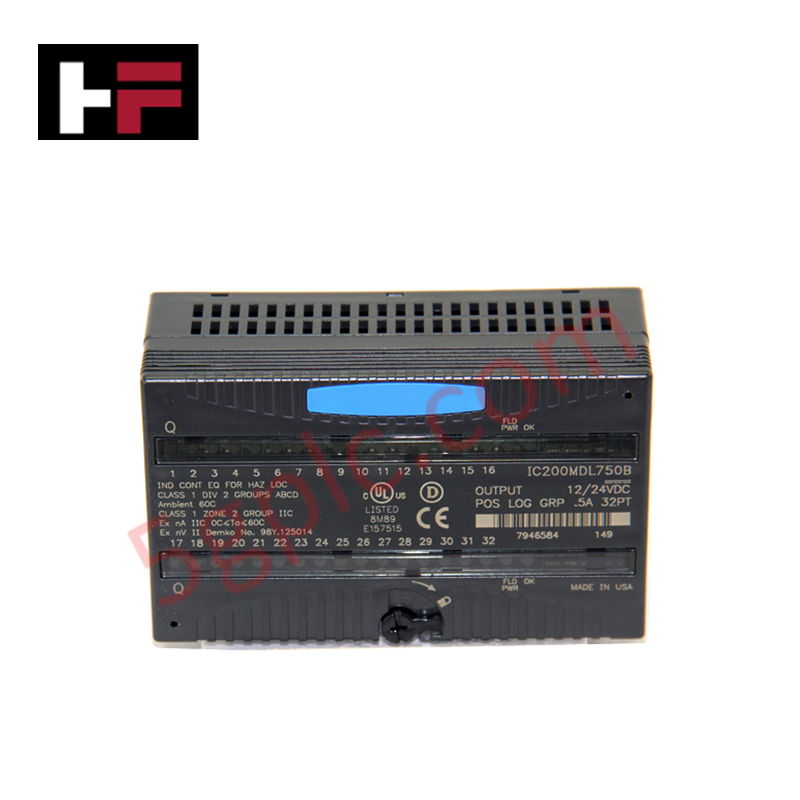
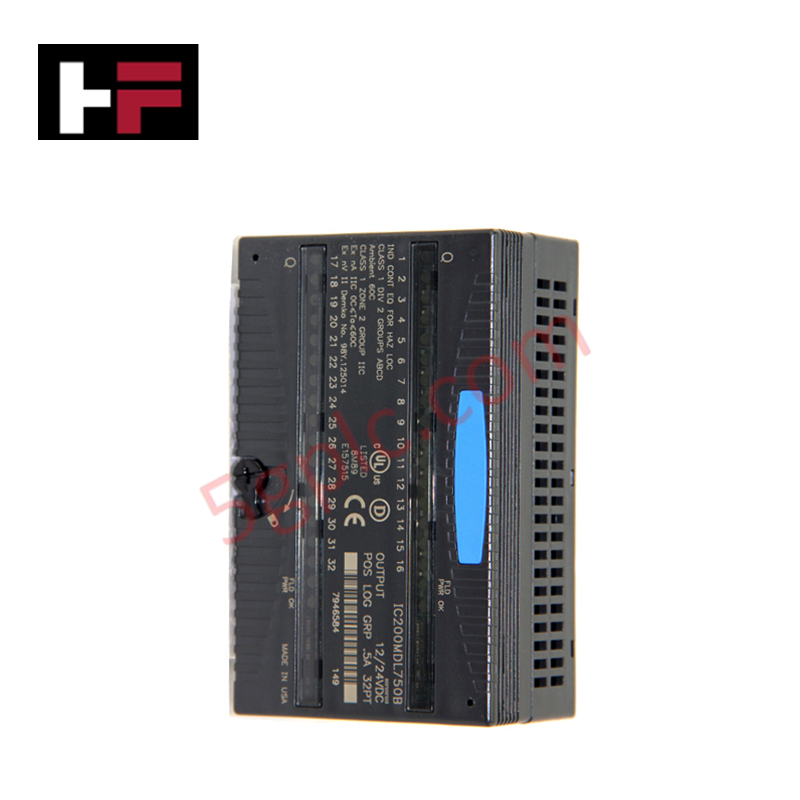
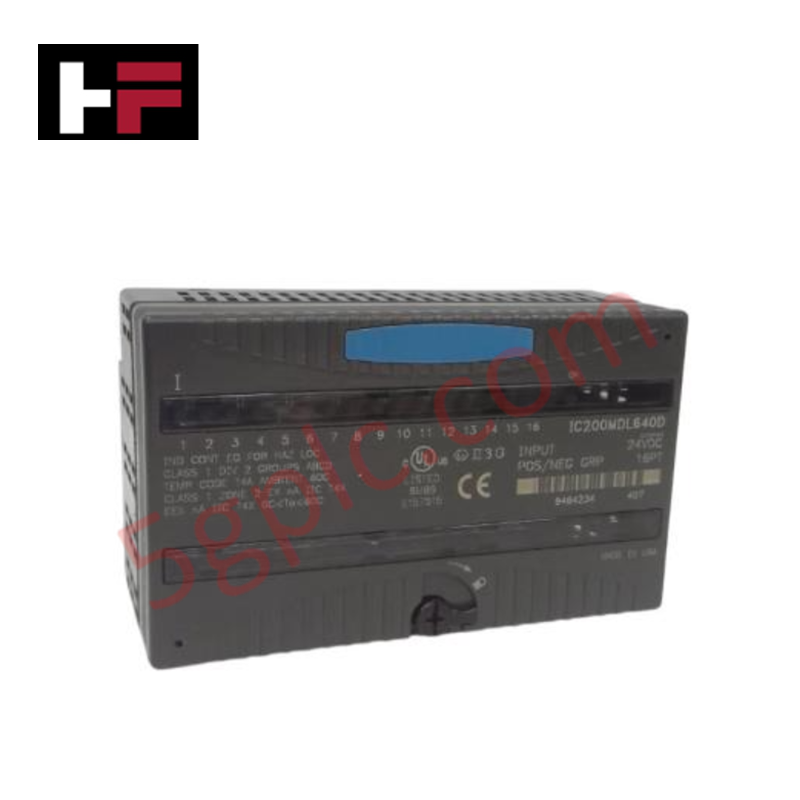
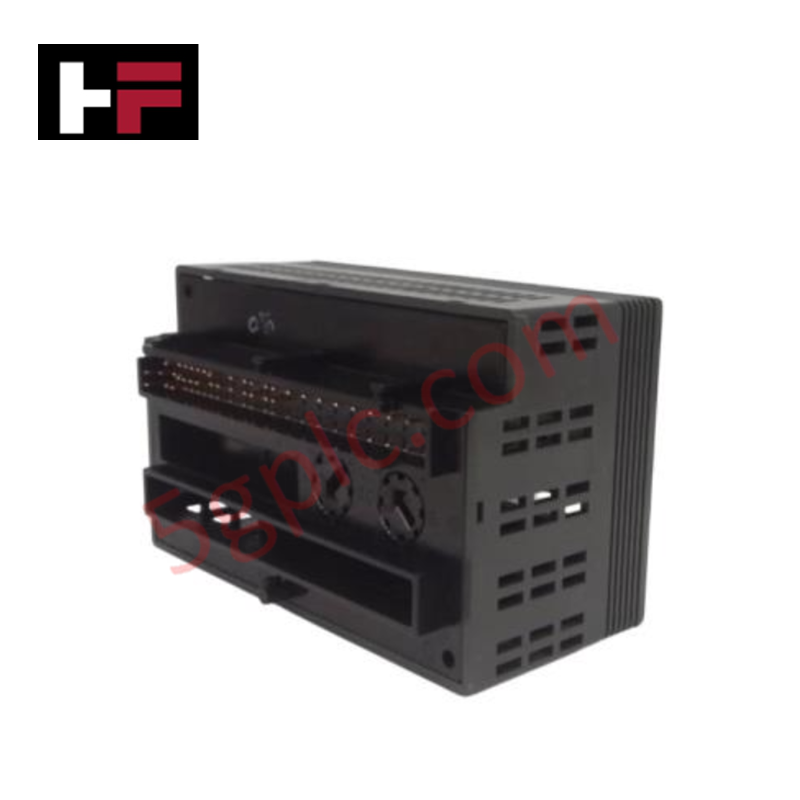
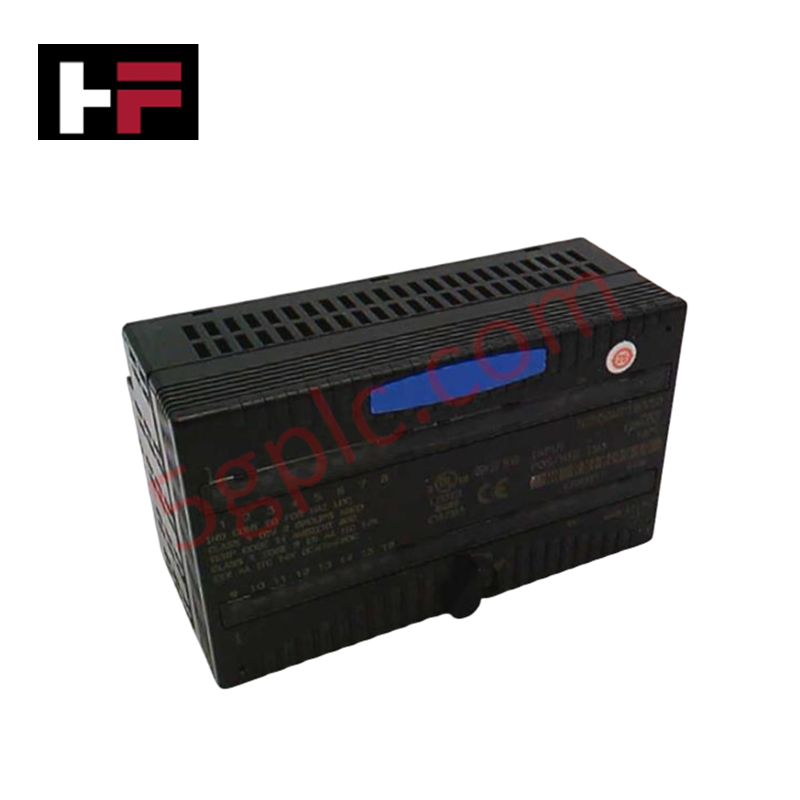
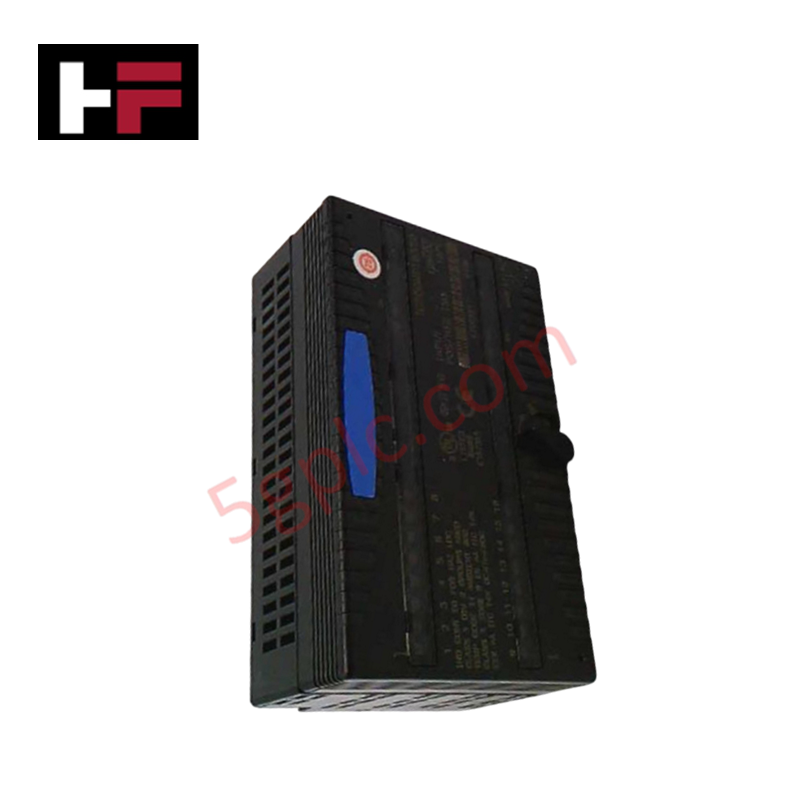
The GE IC200ERM002C, also cataloged as the IC200ERM002 Expansion Receiver Module, operates as a dedicated hardware component for multi-rack I/O bus expansion and data distribution within GE VersaMax control networks.
Hardware Specifications
| Parameter | Specification |
|---|---|
| Model | IC200ERM002C |
| Brand | GE (GE Fanuc / Emerson) |
| Origin | USA |
| Weight | 0.23 kg (0.50 lbs) |
| Dimensions | Standard VersaMax slot footprint |
| Operating Temp | Standard industrial operating range |
| Power Consumption | 70 mA at 5 VDC / 20 mA at 3.3 VDC backplane supply |
| Architecture | Non-isolated expansion receiver |
| Expansion Capacity | Up to 7 racks (maximum 8 modules per rack) |
| Connectors | Dual 26-pin female D-shell expansion ports |
| Multi-Rack Bus Distance | Up to 15 m (50 ft) maximum cable length |
| Single-Ended Bus Distance | Up to 1 m (3.3 ft) maximum cable length |
| Data Transfer Rate | 5 Mbps / 2.765 Mbps |
| Status Indicators | 3 onboard status LED indicators |
Deterministic Network Execution & Backplane Velocity
The IC200ERM002C module extends local I/O capacity across multi-rack or single-ended configurations while maintaining backplane bus communication velocity across connected racks. Operating at data transfer rates of 2.765 Mbps or 5 Mbps, the non-isolated receiver routes control signals from upstream transmitter units through its dual 26-pin D-shell interface ports.
Integration into Profinet / EtherNet/IP deterministic network structures via head-end interface units ensures synchronized signal evaluation across up to 56 expansion modules. Enforced firmware flash compatibility prevents timing discrepancies across the backplane, supporting real-time I/O density scaling while drawing only 70 mA at 5 VDC or 20 mA at 3.3 VDC from the local backplane power rail.
Frequently Asked Questions
Q: What are the backplane current consumption values for the IC200ERM002C module?
A: The module draws 70 mA when operating on a 5 VDC backplane bus rail and 20 mA when supplied from a 3.3 VDC backplane bus rail.
Q: What are the maximum expansion cable length limits for single-ended versus multi-rack installations?
A: Single-ended configurations permit a maximum cable length of 1 m (3.3 ft), whereas multi-rack implementations support up to 15 m (50 ft) total bus cable length.
Q: Can the IC200ERM002C module be inserted or removed while the expansion chassis power is active?
A: No. System power to the expansion rack backplane must be completely isolated prior to mounting or removing the module to avoid data line corruption and backplane hardware damage.
Field Installation Guidelines
- Power Disconnection: Isolate all incoming primary and secondary 24 VDC power supplies feeding the VersaMax rack prior to physical installation.
- Module Placement: Mount the IC200ERM002C in the far-left slot position of the expansion rack carrier on the 35 mm DIN rail assembly.
- ESD Precautions: Attach a grounded wrist strap to an unpainted metal enclosure surface before handling the module to protect internal circuitry from static discharge.
- Cable Routing: Connect the 26-pin expansion cable from the upstream transmitter or preceding receiver to the upper D-shell port and secure hand-tight thumbscrews.
- Bus Termination: If the module is installed in the final rack of a multi-rack system, connect a bus terminator plug to the lower 26-pin D-shell port.
Additional Information
- 100% Genuine Parts: All products are original and authentic, ensuring reliable industrial performance.
- 30-Day Refund Guarantee: Return any in-stock item within 30 days in original, unopened packaging for a full refund (excluding shipping and fees).
- 12-Month Warranty: Covers defects in materials or workmanship; excludes misuse, normal wear, or unauthorized modifications.
- Worldwide Shipping: We ship via USPS, UPS, FedEx, and DHL. Delivery times vary by country and may be subject to customs or import fees.
- Support & Contact: Technical and warranty assistance is available anytime. Contact us here: Contact.
- Purchase Guidance: Check product specifications and compatibility carefully before ordering to ensure proper application.
Tech & Buying Guide
Multi-Touch HMI Technology: Transforming Interaction in Industrial Automation
Modern human-machine interfaces (HMIs) are evolving rapidly across factory floors worldwide. Traditional resistive touchscreens allowed operators to register only a single touch point at a time. Today, multi-touch HMI panels enable intuitive multi-finger gestures and concurrent multi-operator inputs in demanding industrial automation setups.

Centralized vs Decentralized Automation Systems: Architectural Trade-Offs in Modern Industrial Control
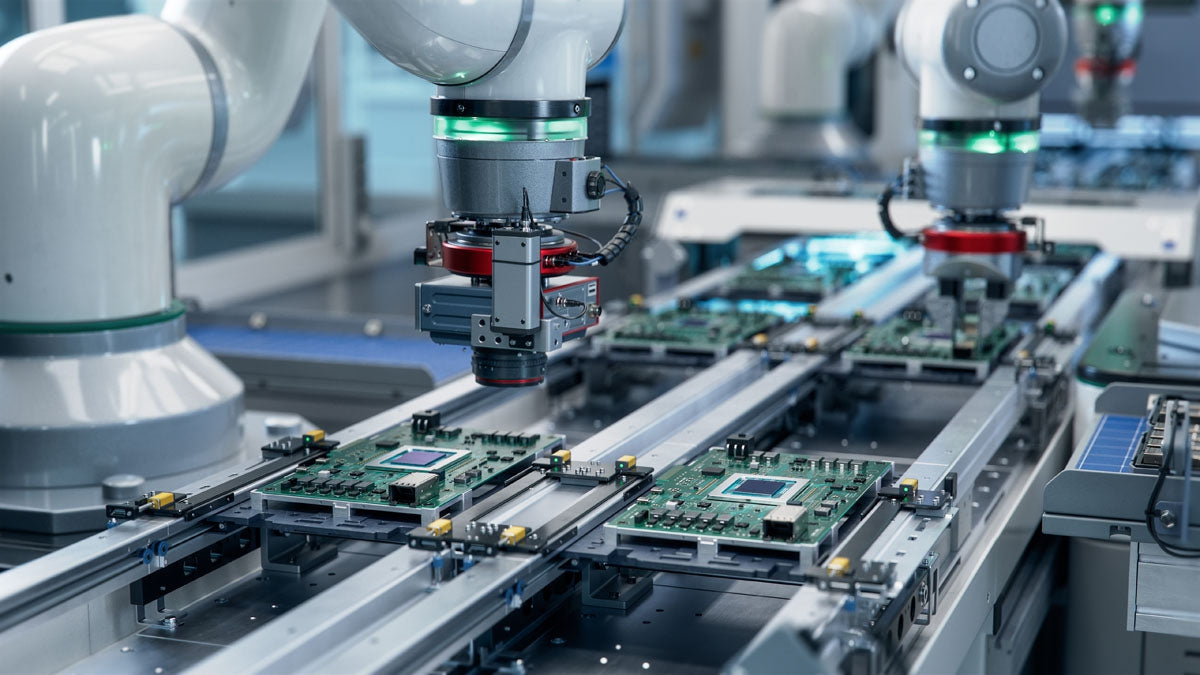
Industrial automation relies heavily on robust control architectures to manage complex processes efficiently. Engineers must choose between centralized and decentralized topologies when designing plant automation. This decision directly impacts system reliability, scalability, and long-term maintenance costs.

Engineering a Process Control System Philosophy: Principles and Operational Impact
A Process Control System (PCS) Philosophy serves as the foundational blueprint for modern plant engineering. During the design and construction phases, this document establishes clear guidelines for instrumentation and control (I&C) teams. Consequently, a well-defined philosophy directly dictates overall operational stability, maintenance efficiency, and future expansion capabilities across heavy process industries.