












Product Details
Technical Overview
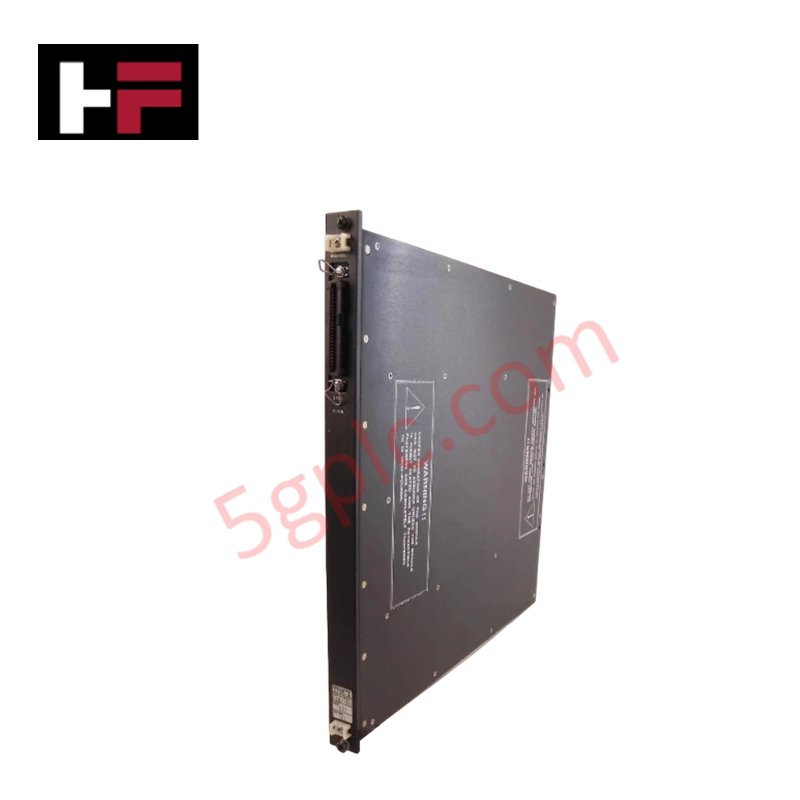
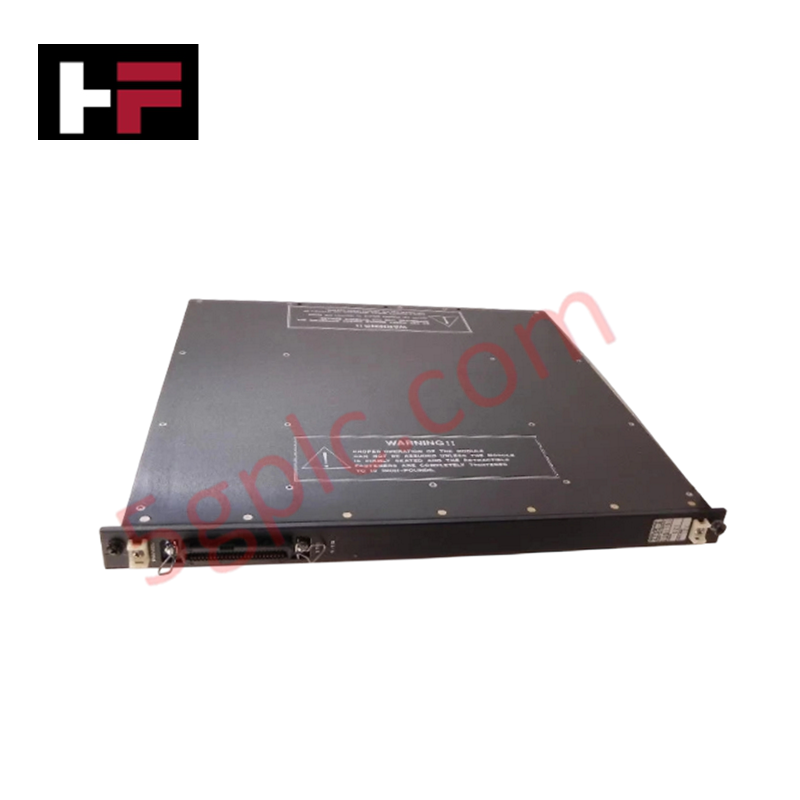
The IC694CHS392 serves as a high-density serial expansion baseplate within the GE Fanuc (now Emerson) PACSystems RX3i architecture. Engineered for versatile system scaling, this 10-slot backplane allows engineers to extend I/O capabilities up to 15 meters (50 feet) from the main CPU rack. It is specifically designed to house a broad range of discrete, analog, and specialty modules, ensuring seamless integration into complex automated environments.
Specifications
-
Product Series: PACSystems RX3i
-
Module Type: Serial Expansion Baseplate
-
Total Slot Capacity: 10 Universal I/O Slots
-
Dedicated Power Supply Slot: One (1) specific slot for RX3i Power Supply modules
-
Expansion Interface: 25-pin D-shell female connector for serial link
-
Max Interconnect Distance: 15 Meters (50 Feet) via expansion cable
-
Current Draw: 150 mA at 5 VDC (Internal Logic)
-
Module Compatibility: Supports all IC694 series I/O and option modules
-
Mounting Configurations: Front panel mounting or recessed mounting supported
-
Physical Weight: Approximately 0.94 kg (2.06 lbs)
-
Hot Swapping: Note that Hot Insertion/Removal of modules is not supported on this specific serial backplane.
Deployment and Compatibility
The IC694CHS392 is frequently utilized in distributed control systems where I/O points are required at a distance from the central processor. Unlike the IC695 series universal backplanes, this expansion unit utilizes the serial bus, making it an efficient choice for standard I/O density without the overhead of PCI bus requirements.
How does this differ from the IC694CHS398?The IC694CHS392 provides 10 slots for modules, whereas the IC694CHS398 is a smaller 5-slot version. Both share the same 50-foot maximum cable length and electrical characteristics, allowing for flexible footprint planning depending on the specific I/O count required for the cabinet.
Common Troubleshooting and FAQ
Why is my expansion rack not being recognized by the CPU?Ensure the expansion cable is securely seated in the 25-pin D-shell connector and that the rack address is correctly configured. Also, verify that the power supply in the IC694CHS392 is operational, as expansion racks require their own local power source.
Can I place a CPU module in this backplane?No, the IC694CHS392 is a serial expansion baseplate and does not support CPU modules or high-speed PCI-based modules. It is strictly for I/O and option modules.
Additional Information
- 100% Genuine Parts: All products are original and authentic, ensuring reliable industrial performance.
- 30-Day Refund Guarantee: Return any in-stock item within 30 days in original, unopened packaging for a full refund (excluding shipping and fees).
- 12-Month Warranty: Covers defects in materials or workmanship; excludes misuse, normal wear, or unauthorized modifications.
- Worldwide Shipping: We ship via USPS, UPS, FedEx, and DHL. Delivery times vary by country and may be subject to customs or import fees.
- Support & Contact: Technical and warranty assistance is available anytime. Contact us here: Contact.
- Purchase Guidance: Check product specifications and compatibility carefully before ordering to ensure proper application.




Tech & Buying Guide

Mastering Wire Identification in Industrial Automation: The Power of Ferrules and Cross-Ferruling
Proper wire labeling forms the cornerstone of reliable control system installation and long-term maintenance. In complex industrial automation environments, technicians terminate thousands of conductor ends inside control panels, marshalling racks, and field junction boxes. Ferrules serve as individual tube-shaped sleeve markers slipped onto conductors before final termination. While technicians historically relied on pre-printed individual letter rings, modern control panel builders utilize automated ferrule printing machines. These thermal-transfer printers generate durable, single-sleeve heat-shrink tags directly matching approved wiring schematics, significantly accelerating cabinet assembly workflows.

Understanding Marshalling Cabinets in Industrial Automation and Control Systems
Marshalling cabinets serve as the crucial connection hub between field instruments and centralized processing units. In large DCS and PLC control system architectures, hundreds of multipair field cables run from local junction boxes to the central instrument equipment room. The marshalling cabinet houses field terminal blocks, surge arresters, intrinsic safety isolation barriers, and interposing relays. By segregating field field-wiring terminations from sensitive processor hardware, engineers protect expensive controller backplanes from high-voltage transients. Consequently, this modular separation dramatically streamlines maintenance workflows and simplifies system expansion.

Essential Best Practices for PLC Wiring and Installation in Industrial Automation
Successful control system deployment begins with thoroughly reviewing manufacturer technical documentation. Controllers from major brands like Allen-Bradley, Siemens, and Schneider Electric feature unique terminal layouts. Engineers must verify voltage requirements before connecting power cables to prevent catastrophic equipment damage. Standard line connections require strict adherence to regional electrical codes and proper wire color coding. Furthermore, panel builders should always establish a robust low-impedance ground connection using at least 16-AWG copper conductor tied directly to the main plant grounding grid.