










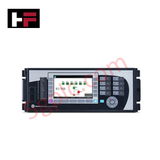
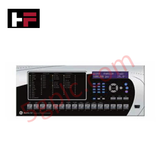
Product Details
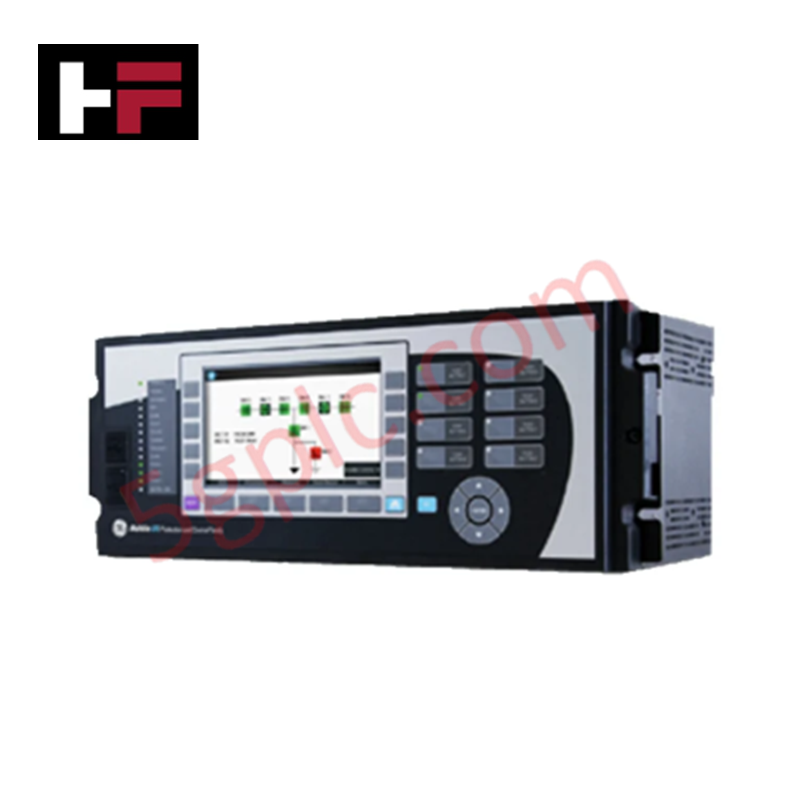
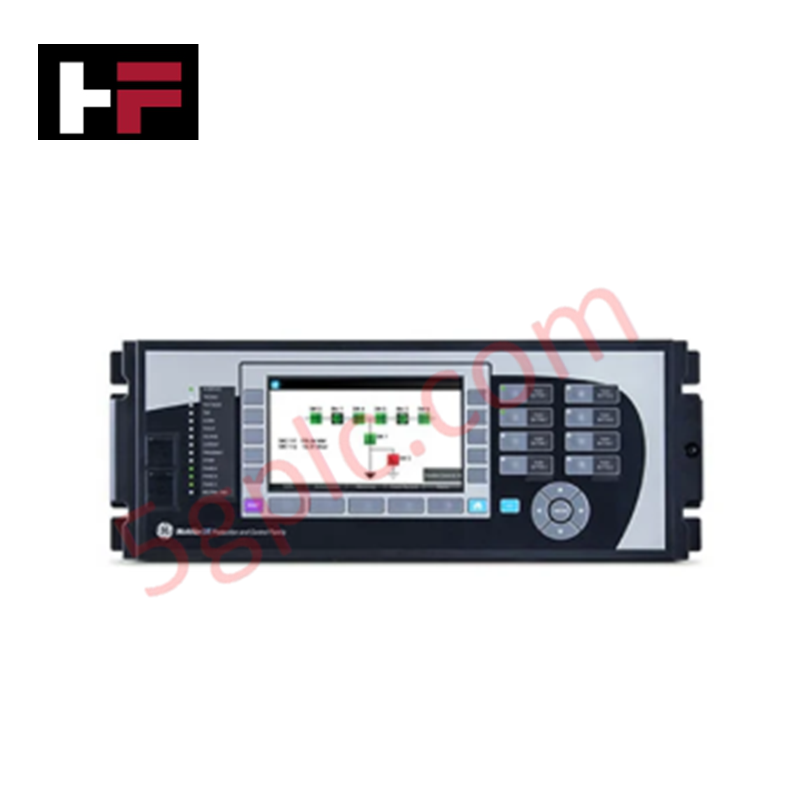
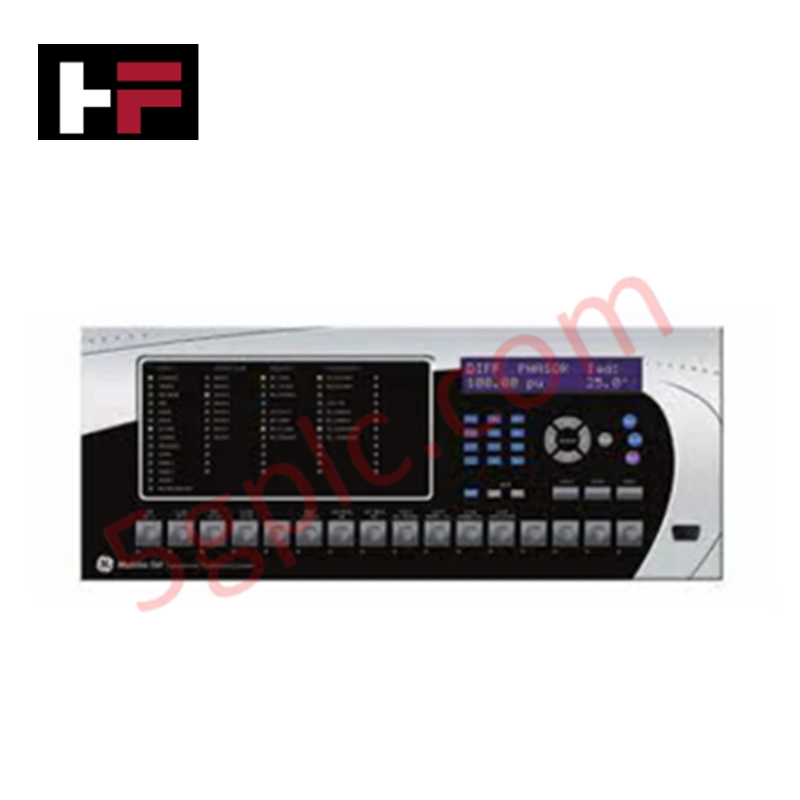
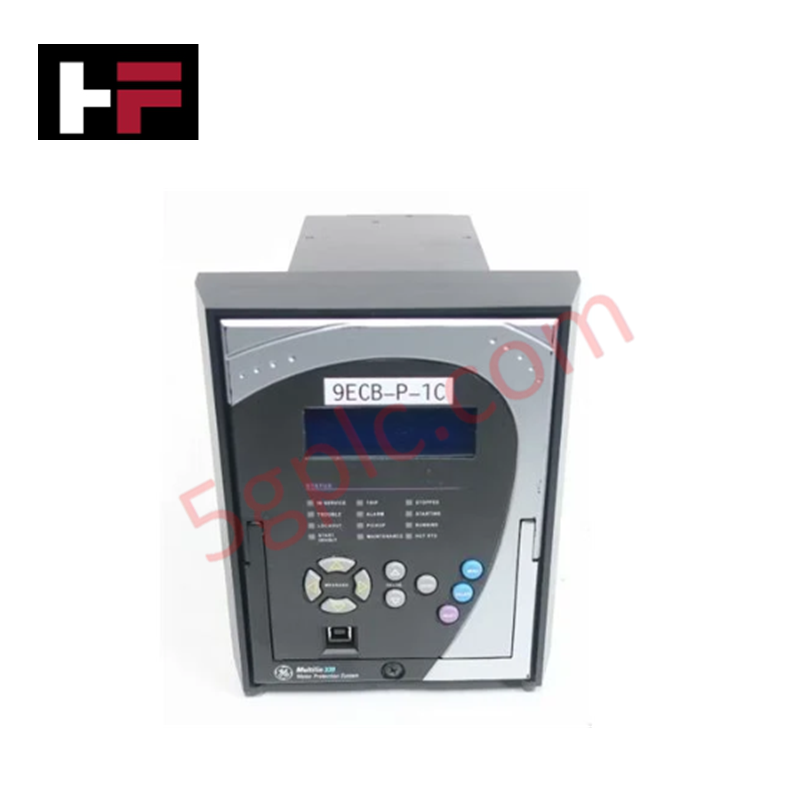
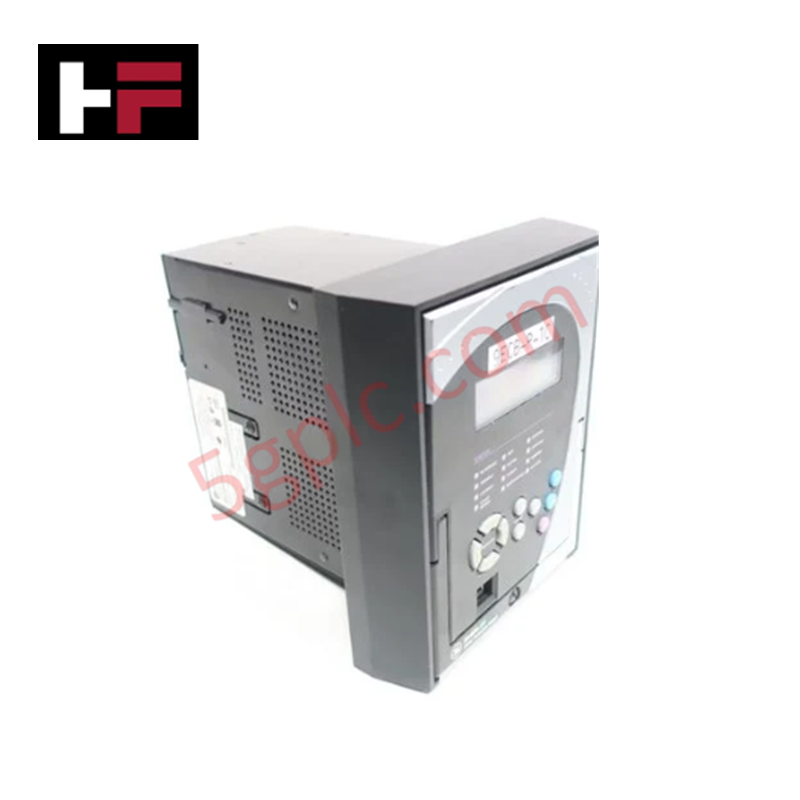
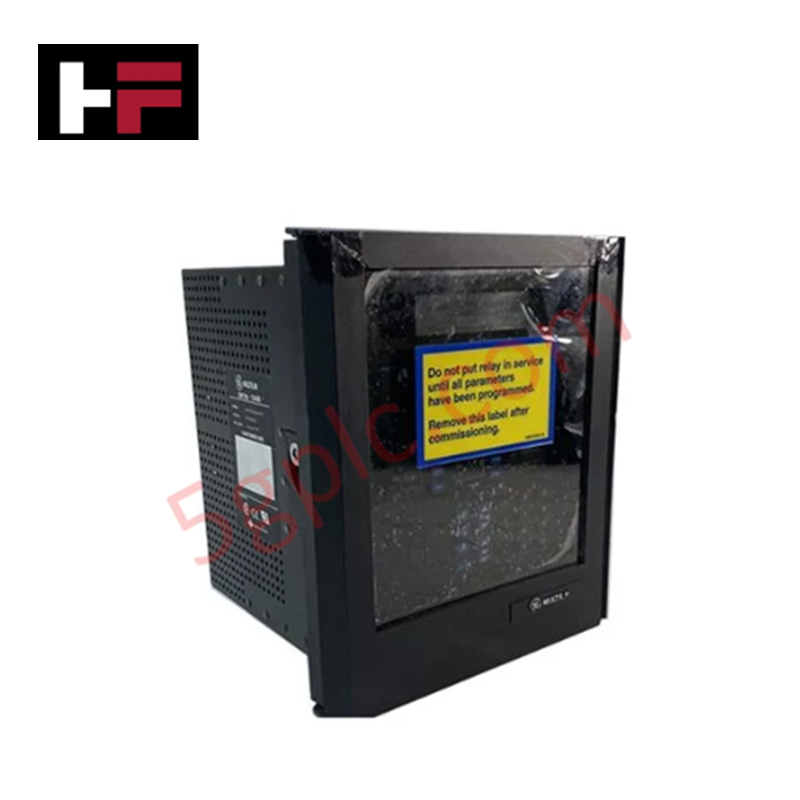
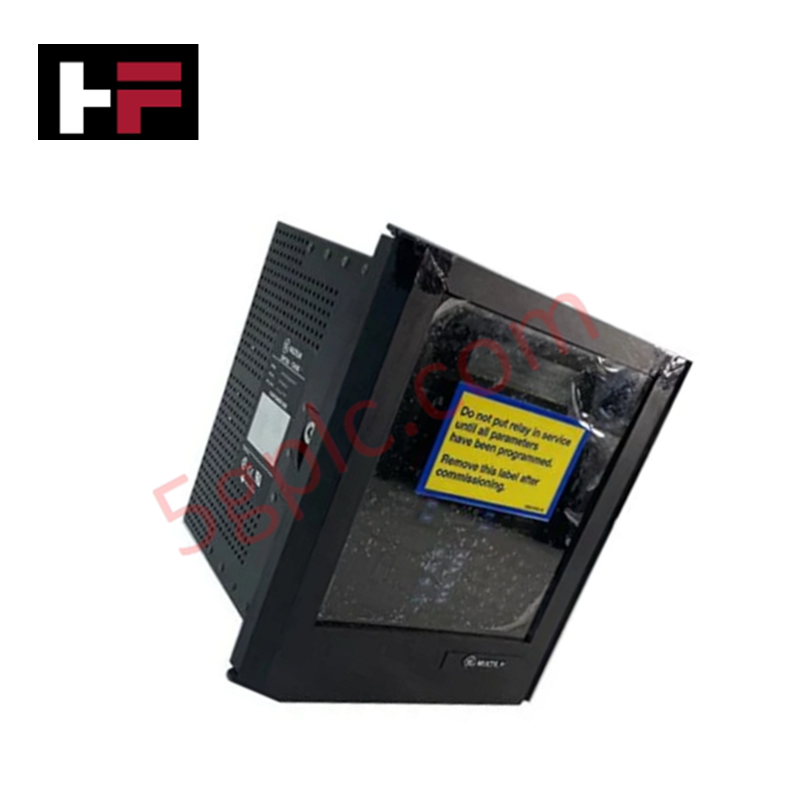
The GE Fanuc F35A00VFHF8AH6GM8APXX, also cataloged as the F35 Circuit Breaker, operates as a dedicated hardware component for electrical circuit protection within medium voltage networks. Configured with a nominal continuous physical rating of 4160 VAC and 800 A, the breaker executes immediate arc interruption up to 65000 A under fault conditions. The onboard microprocessor-based trip unit samples current parameters across three phases to drive internal trip coils when threshold parameters for overloads, ground faults, or phase imbalances are breached.
Hardware Specifications
| Parameter | Specification |
|---|---|
| Model | F35A00VFHF8AH6GM8APXX |
| Brand | GE Fanuc |
| Origin | Technical specifications determine factory origin |
| Dimensions | 38 inches (965.2 mm) W x 29 inches (736.6 mm) H x 18 inches (457.2 mm) D |
| Operating Temp | -40 to +70 deg C |
| Power Consumption | Microprocessor logic sub-unit powered via internal line draw |
| Rated Voltage | 4160 VAC |
| Rated Current | 800 A |
| Interrupting Capacity | 65000 A |
| Storage Temperature | -40 to +85 deg C |
| Mounting Options | Panel mount or DIN rail mount |
| Enclosure Ratings | NEMA 1, 2, 3R, 4, and 12 |
| Protection Vectors | Ground fault, arc flash, phase balance protection |
Firmware Flash Compatibility and Microprocessor Trip Logic
The microprocessor-based trip unit regulates current-zero clearing coordinates by matching sensor acquisition times to internal firmware parameters. The processing core relies on strict firmware flash compatibility across memory tables to guarantee sub-cycle reaction thresholds for arc flash sensing and ground fault timing loops. By separating secondary monitoring communications from the execution registers of the direct-acting trip mechanism, the unit avoids backplane delays and processes heavy current step changes within fixed execution windows.
Frequently Asked Questions
Q: Can the microprocessor-based trip unit be flashed with newer firmware versions while the circuit breaker is energized with 4160 VAC?
A: No. Firmware modification or programming alterations must be performed with the breaker completely racked out and isolated from the primary voltage source. Updating firmware flash components on live systems introduces risk of unintended trip actuation or internal component damage.
Q: What dictates backplane current limitations when interfacing this device with external communication adapters?
A: The integrated trip logic draws power directly from internal current transformers or a separate secondary auxiliary line. It maintains isolation from external supervisory busses, ensuring that communication hardware faults do not interrupt the core phase balance protection loop.
Field Installation Guidelines
- Chassis Grounding Connection: Secure a heavy copper grounding bus strap directly from the designated frame ground terminal to the master station earth matrix before pulling primary lines.
- Secondary Signal Shielding: Route all external sensing lines and auxiliary alarm loops using shielded twisted-pair cables. Ground the shield at the enclosure cable gland entry plate to eliminate electromagnetic noise.
- Environmental Clearance: Ensure the panel or DIN rail layout conforms exactly to the NEMA rating limits specified, maintaining mandatory air gap clearances for 4160 VAC physical bus alignment.
Additional Information
- 100% Genuine Parts: All products are original and authentic, ensuring reliable industrial performance.
- 30-Day Refund Guarantee: Return any in-stock item within 30 days in original, unopened packaging for a full refund (excluding shipping and fees).
- 12-Month Warranty: Covers defects in materials or workmanship; excludes misuse, normal wear, or unauthorized modifications.
- Worldwide Shipping: We ship via USPS, UPS, FedEx, and DHL. Delivery times vary by country and may be subject to customs or import fees.
- Support & Contact: Technical and warranty assistance is available anytime. Contact us here: Contact.
- Purchase Guidance: Check product specifications and compatibility carefully before ordering to ensure proper application.


Tech & Buying Guide

Will PLCs Become Obsolete? The Future of Control Systems in Industry 4.0
Modern manufacturing is undergoing a rapid technological transformation driven by Industry 4.0 innovations. Technologies like Artificial Intelligence (AI), Machine Learning (ML), and the Industrial Internet of Things (IIoT) are dominating discussions across the factory automation sector. Consequently, many engineers wonder if these advanced digital tools will eventually replace traditional Programmable Logic Controllers (PLCs). However, evaluating the core physics of industrial operations reveals a very different reality for control systems.

Demystifying Open Platform Communication (OPC): The Backbone of Industrial Interoperability
Interoperability remains a cornerstone requirement for modern smart factories and process automation. Open Platform Communication (OPC) bridges the gap between disparate hardware platforms, control systems, and visualization software. By establishing a universal communication standard, OPC allows field controllers, SCADA platforms, and enterprise software from different vendors to exchange real-time data seamlessly.

Understanding Siemens PLC Memory Cards: MMC, SMC, and SD Solutions in Industrial Automation
Memory management plays a pivotal role in maintaining control system reliability across modern manufacturing plants. Industrial control systems rely on specialized memory cards to store project logic, firmware updates, and retentive system data. Siemens uses several memory architectures, including Micro Memory Cards (MMC) and SIMATIC Memory Cards (SMC). Engineers must understand these hardware variations to ensure zero data loss and minimize downtime during maintenance routines.