










Product Details
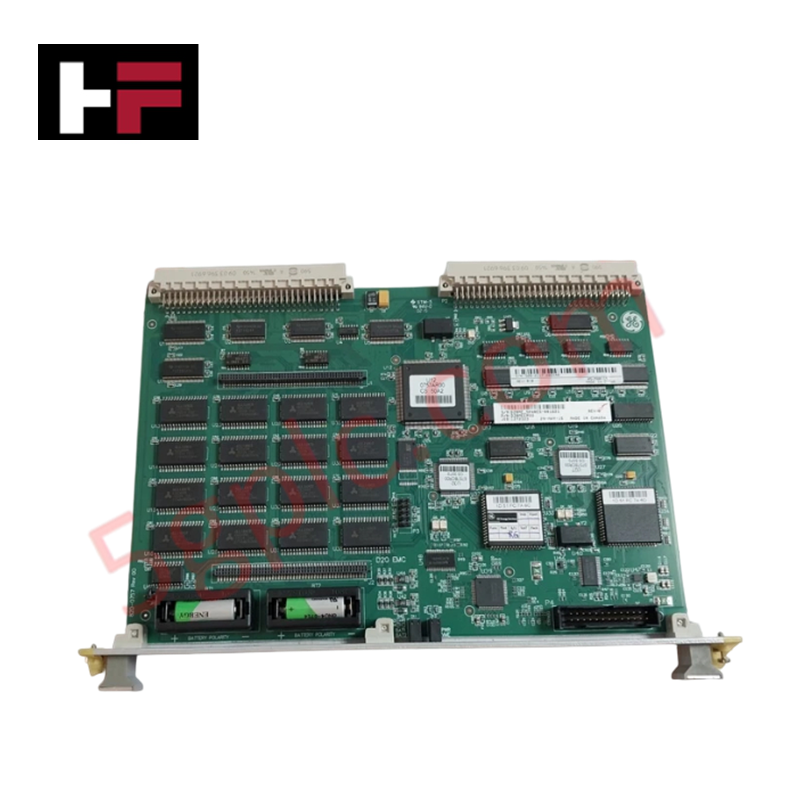
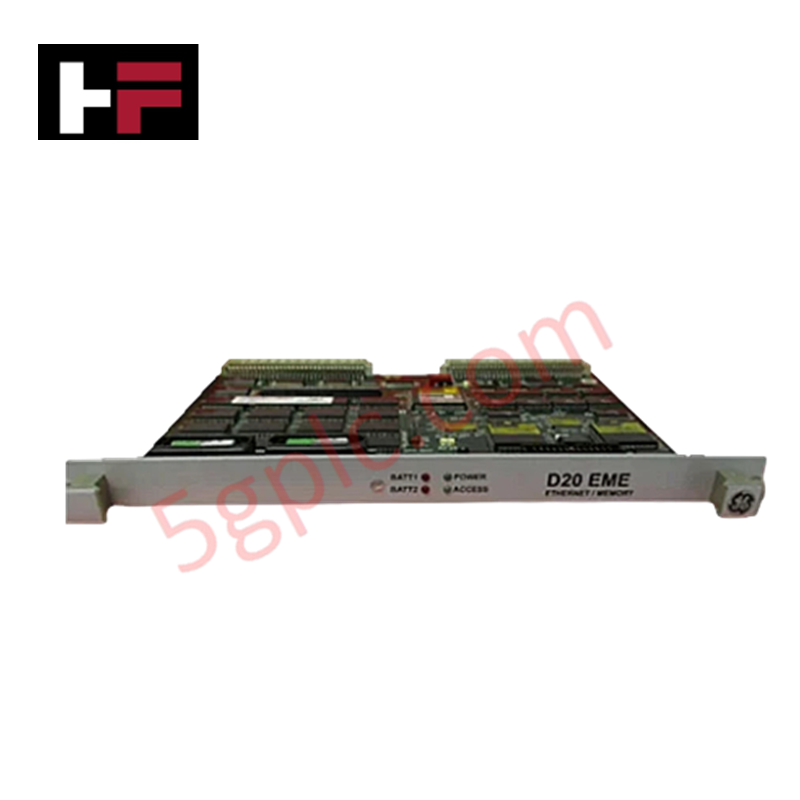
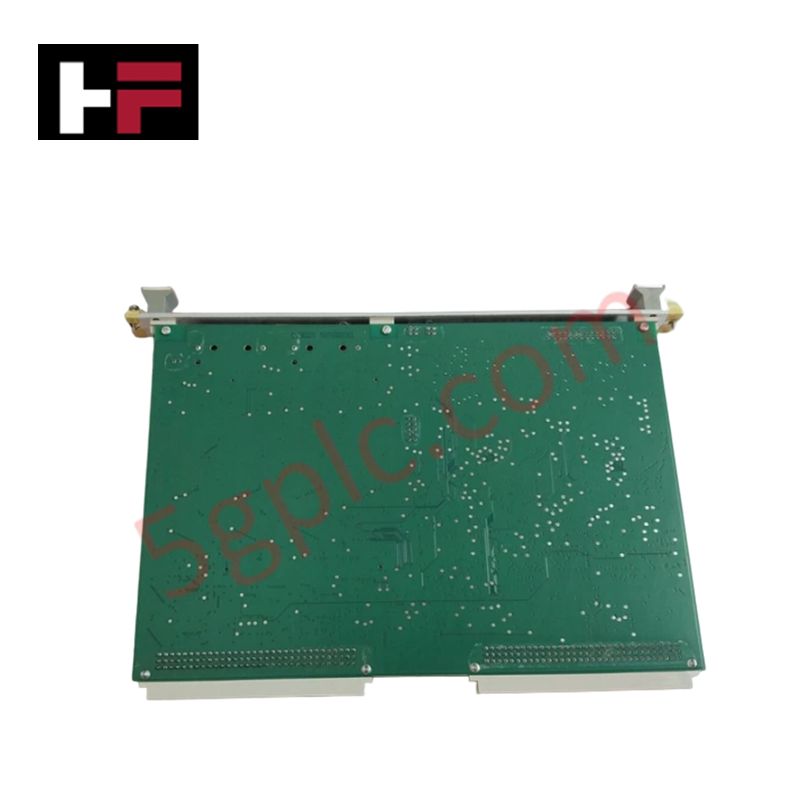
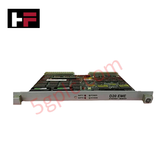
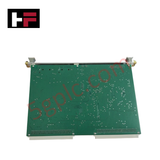
The GE D20 EME, also cataloged as the D20 EME Ethernet and Memory Expansion Module, operates as a dedicated hardware component for localized processing scaling and network medium conversion within D20 substation automation platforms.
Hardware Specifications
| Parameter | Specification |
|---|---|
| Model | D20 EME |
| Brand | GE (General Electric) |
| Origin | United States |
| Weight | Standard Rack Component Weight |
| Dimensions | 19.0" wide x 5.25" high x 8.1" deep |
| Operating Temp | -20 - 60 deg C |
| Power Consumption | Base Power Input Dependent |
| Power Supply Options | 20-60 VDC / 100-300 VDC / 85-264 VAC |
| Media Types Supported | 10Base-T, 10Base-2, 10Base-FL |
| Memory Options | 0 MB, 8 MB, or 16 MB battery-backed SRAM |
| Communication Ports | 7 RS-232/485 serial, 1 RS-232 maintenance, 2 D.20 Link HDLC |
| Standards Compliance | EN 61000-6-2 (Immunity), EN 61000-6-4 (Emissions) |
Suffix Breakdown & Model Matrix
- D20 EME: Base module architecture denoting Ethernet and Memory Expansion capability.
- Memory Matrix Configurations: Discrete factory assembly profiles specify onboard battery-backed volatile memory retention capacities, coded explicitly as 0 MB, 8 MB, or 16 MB SRAM layouts.
- Power Supply Matrix Codes: Base designations correlate to internal power board installation profiles, differentiating low-voltage direct current (20-60 VDC) from universal high-voltage ranges (100-300 VDC / 85-264 VAC).
Firmware Flash Compatibility and Serial-to-Ethernet Processing
The processing architecture handles data packet routing between legacy HDLC peripheral networks and external substation links. Serial-to-Ethernet translation rates match localized timing blocks to prevent data truncation over asynchronous connections. To ensure the integrity of diagnostic logging and prevent memory parity failures within the volatile SRAM banks, node integration relies entirely on verifying exact firmware flash compatibility rules across the active D20 master controller baseplate.
Frequently Asked Questions
Q: Does the D20 EME module support live backplane insertion or hot-swap remediation?
A: No. The internal logic connections and shared address lines of the high-speed processing bus lack active electrical isolation boundaries. The chassis power bus must be locked out before seating the unit to prevent hardware latch-up.
Q: How is memory mapping managed if the battery-backed SRAM configuration is upgraded?
A: Changing the memory configuration requires setting physical jumpers on the circuit board and applying a matching firmware flash compatibility script. This procedure ensures that the D20 operating system recognizes the expanded memory address spaces during boot initialization.
Field Installation Guidelines
- Chassis Rack Alignment: Slide the 19" module smoothly into the designated sub-rack guide rails, tightening all four front-panel thumbscrews to the frame to ensure uniform grounding continuity.
- Fiber Optic Optical Connection: Clean all 10Base-FL ST connectors prior to insertion, verifying that fiber bend radii remain above 30 mm to prevent structural signal degradation.
- Serial Comm Line Shielding: Ground all external RS-485 network drain wires at the chassis entry point only, suppressing local common-mode noise across the seven active communication ports.
Additional Information
- 100% Genuine Parts: All products are original and authentic, ensuring reliable industrial performance.
- 30-Day Refund Guarantee: Return any in-stock item within 30 days in original, unopened packaging for a full refund (excluding shipping and fees).
- 12-Month Warranty: Covers defects in materials or workmanship; excludes misuse, normal wear, or unauthorized modifications.
- Worldwide Shipping: We ship via USPS, UPS, FedEx, and DHL. Delivery times vary by country and may be subject to customs or import fees.
- Support & Contact: Technical and warranty assistance is available anytime. Contact us here: Contact.
- Purchase Guidance: Check product specifications and compatibility carefully before ordering to ensure proper application.


Tech & Buying Guide

Will PLCs Become Obsolete? The Future of Control Systems in Industry 4.0
Modern manufacturing is undergoing a rapid technological transformation driven by Industry 4.0 innovations. Technologies like Artificial Intelligence (AI), Machine Learning (ML), and the Industrial Internet of Things (IIoT) are dominating discussions across the factory automation sector. Consequently, many engineers wonder if these advanced digital tools will eventually replace traditional Programmable Logic Controllers (PLCs). However, evaluating the core physics of industrial operations reveals a very different reality for control systems.

Demystifying Open Platform Communication (OPC): The Backbone of Industrial Interoperability
Interoperability remains a cornerstone requirement for modern smart factories and process automation. Open Platform Communication (OPC) bridges the gap between disparate hardware platforms, control systems, and visualization software. By establishing a universal communication standard, OPC allows field controllers, SCADA platforms, and enterprise software from different vendors to exchange real-time data seamlessly.

Understanding Siemens PLC Memory Cards: MMC, SMC, and SD Solutions in Industrial Automation
Memory management plays a pivotal role in maintaining control system reliability across modern manufacturing plants. Industrial control systems rely on specialized memory cards to store project logic, firmware updates, and retentive system data. Siemens uses several memory architectures, including Micro Memory Cards (MMC) and SIMATIC Memory Cards (SMC). Engineers must understand these hardware variations to ensure zero data loss and minimize downtime during maintenance routines.