










Product Details
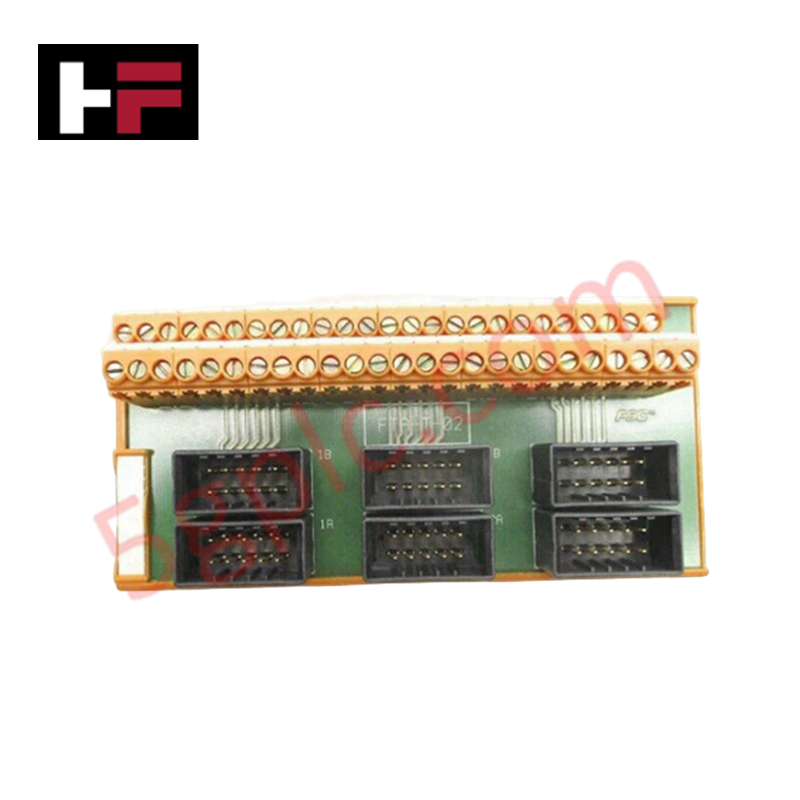
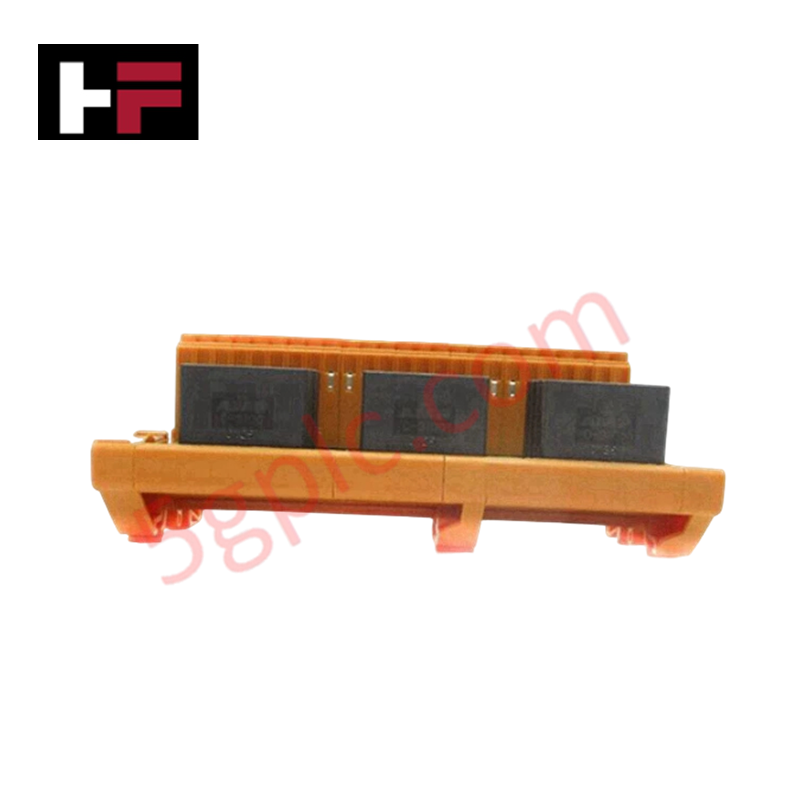
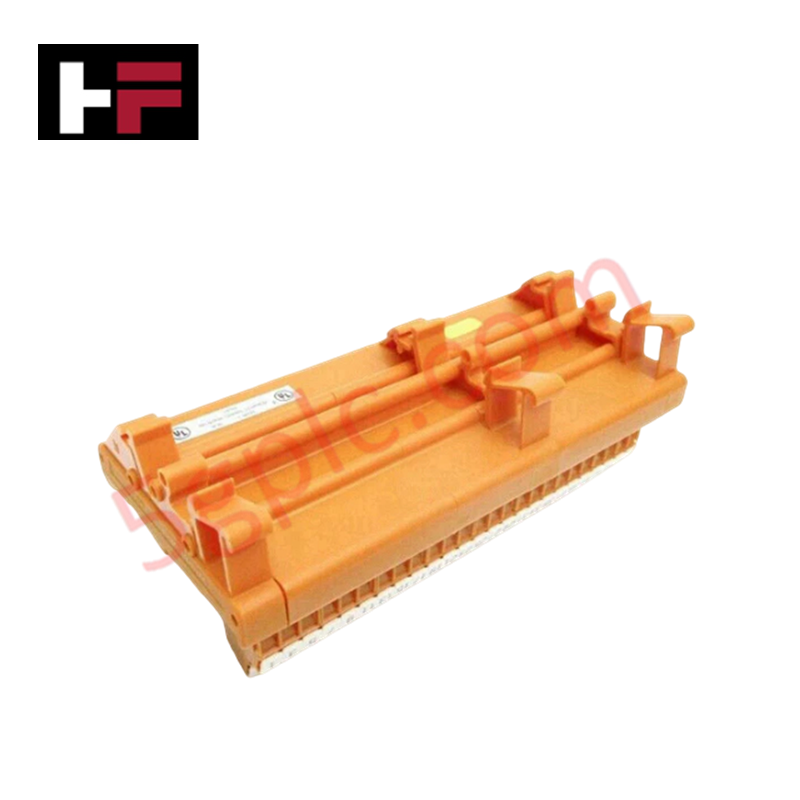
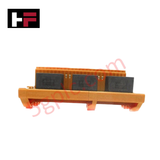
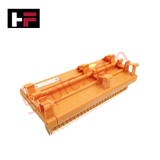
The Honeywell FTA-E-02, also cataloged as the FTA-E-02 Field Termination Assembly, operates as a dedicated hardware component for high-density digital output distribution within process control and safety-rated network architectures. The unit provides direct physical termination for 24 channels, facilitating signal routing between controller output modules and field-side final control elements through standardized 56-pin ELCO connectivity.
Hardware Specifications
| Parameter | Specification |
|---|---|
| Model | FTA-E-02 |
| Brand | Honeywell |
| Dimensions | 125 x 70 x 55 mm |
| Number of Channels | 24 (6 groups of 4) |
| Max Voltage | 36 VAC/50 VDC (Cat 3); 125 VAC/150 VDC (Cat 2) |
| Max Continuous Current | 2 A per channel |
DCS Channel-to-Channel Isolation
The FTA-E-02 utilizes an integrated design to maintain channel-to-channel isolation across its six independent output groups. This isolation prevents electrical faults or surge currents occurring in a single output loop from propagating to adjacent channels or the central controller backplane. By strictly adhering to IEC 1010 standards for overvoltage categories, the assembly ensures that control signals maintain defined integrity levels, reducing the risk of common-mode interference in complex process instrumentation loops.
Frequently Asked Questions
Q: Can the ELCO connector polarization be reconfigured after the assembly has been installed?
A: Yes, the ELCO socket polarization can be adjusted using the ELCO polarizing tool (part no. 06 1989 02). The socket supports six distinct positions per side. It is recommended to perform this adjustment prior to field cable connection to avoid mechanical damage to the polarization keys.
Q: Are there specific constraints for wiring different voltage levels across the 24 channels?
A: The FTA allows for mixed-voltage connections between the six groups of four channels. However, operators must verify that the wiring configuration complies with the respective overvoltage category limits (Cat 2 or Cat 3) defined in the specifications to prevent dielectric breakdown or insulation failure.
Field Installation Guidelines
- Mount the assembly onto a standard DIN EN rail, ensuring a minimum rail length of 126 mm for secure mechanical fit.
- Verify that the ELCO socket polarization key matches the mating cable connector before insertion; failure to align keys may result in bent pins or incomplete contact.
- Terminate field devices to the corresponding pins. Ensure that the total continuous current does not exceed 2 A per channel to maintain terminal integrity.
- Ensure the DIN rail is bonded to a low-impedance ground path to mitigate electromagnetic interference (EMI).
- Confirm correct channel state execution by toggling outputs from the controller and measuring voltage levels at the field terminals with a high-impedance multimeter.
Additional Information
- 100% Genuine Parts: All products are original and authentic, ensuring reliable industrial performance.
- 30-Day Refund Guarantee: Return any in-stock item within 30 days in original, unopened packaging for a full refund (excluding shipping and fees).
- 12-Month Warranty: Covers defects in materials or workmanship; excludes misuse, normal wear, or unauthorized modifications.
- Worldwide Shipping: We ship via USPS, UPS, FedEx, and DHL. Delivery times vary by country and may be subject to customs or import fees.
- Support & Contact: Technical and warranty assistance is available anytime. Contact us here: Contact.
- Purchase Guidance: Check product specifications and compatibility carefully before ordering to ensure proper application.
Tech & Buying Guide

Navigating Industrial Automation Failures: Types, Causes, and Mitigation Strategies
Modern manufacturing relies heavily on automated control systems to maximize throughput and maintain product quality. However, unplanned downtime in industrial automation can cost facility operators thousands of dollars per hour. Understanding how programmable logic controllers (PLCs), distributed control systems (DCS), and field instrumentation fail empowers engineering teams to implement robust preventive maintenance strategies.
Essential Motion Control Commands: A Practical Guide for Engineers
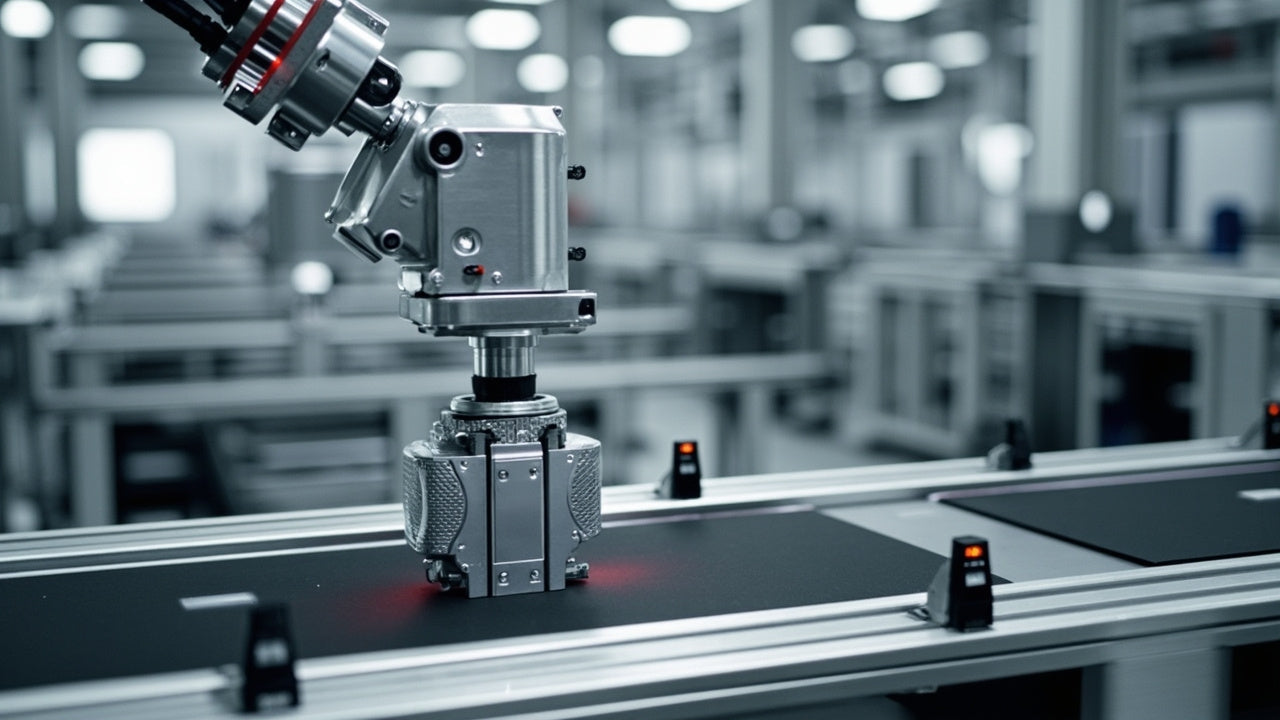
Automation engineers often rely on precise position and speed control to drive modern factory machinery. Modern industrial systems, such as Programmable Logic Controllers (PLCs) and Distributed Control Systems (DCS), depend heavily on standardized motion instructions. Mastering these commands ensures operational safety, protects mechanical components, and optimizes cycle times across production lines.

The Role of Intrinsic Safety Barriers in PLC and DCS Architectures
Implementing robust protection in hazardous industrial environments represents a fundamental safety requirement in factory automation. Process facilities often handle volatile gases, dusts, and chemical agents that pose significant combustion risks. Consequently, control system engineers must deploy energy-limiting interfaces to isolate safe-area control cabinets from hazardous-area field instrumentation. This article examines the function, selection, and electrical principles of intrinsic safety barriers within modern PLC and DCS networks.