










Product Details
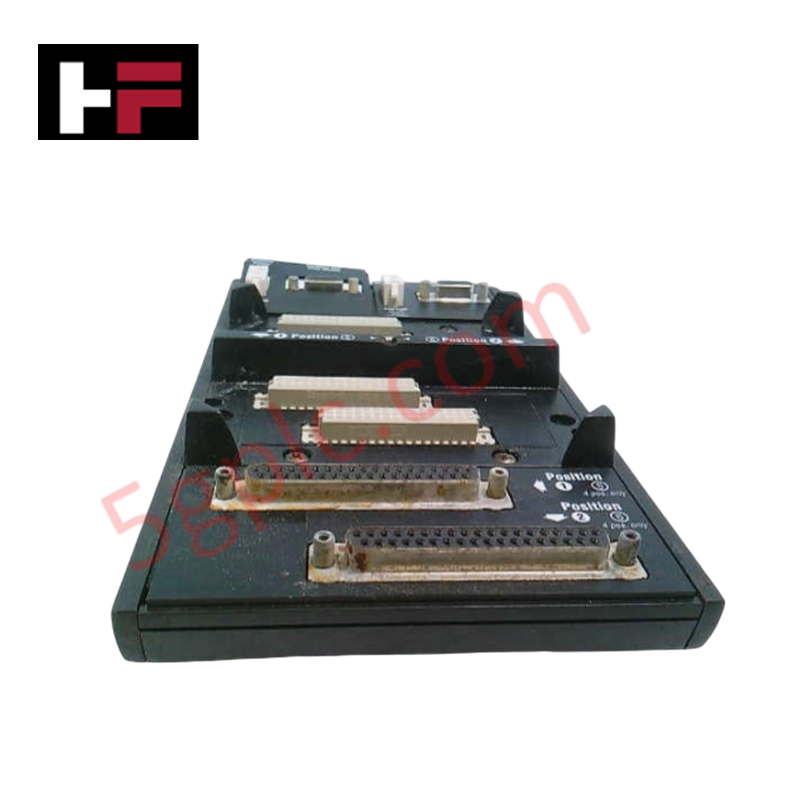
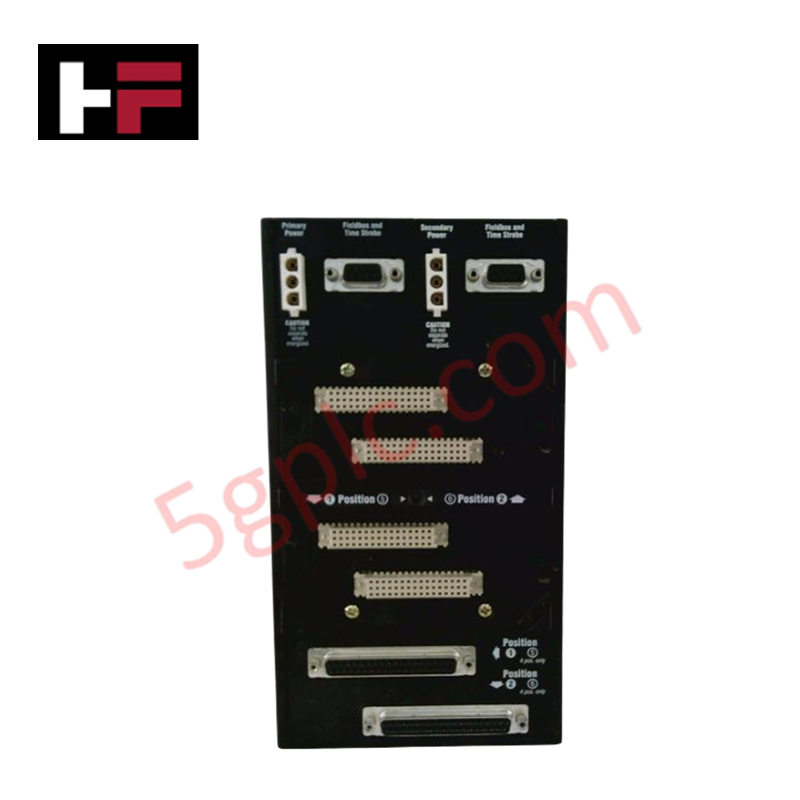
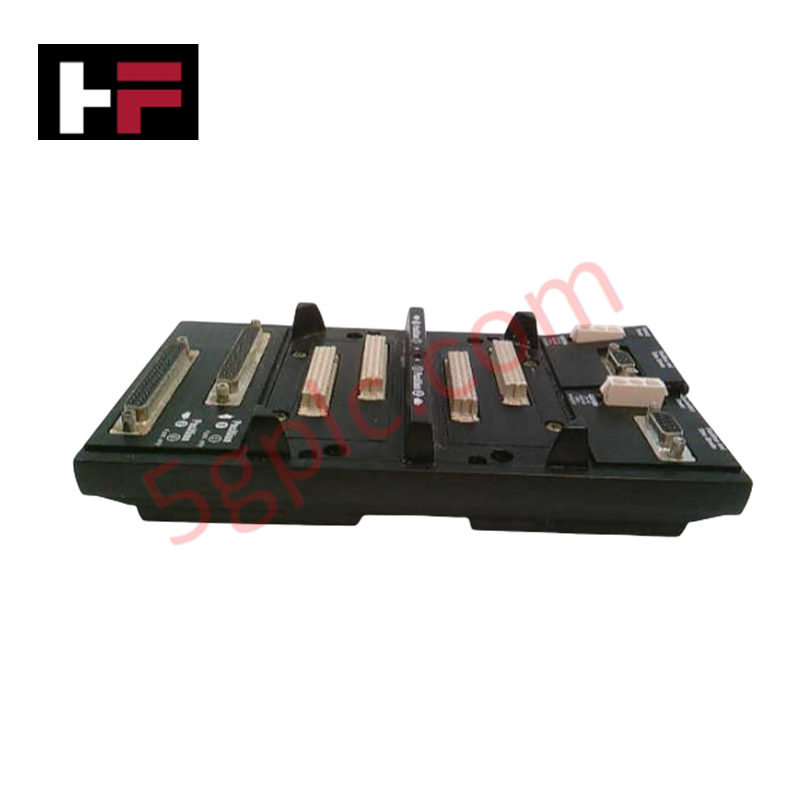
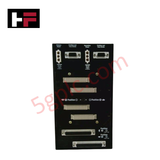
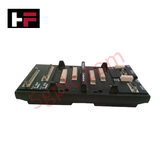
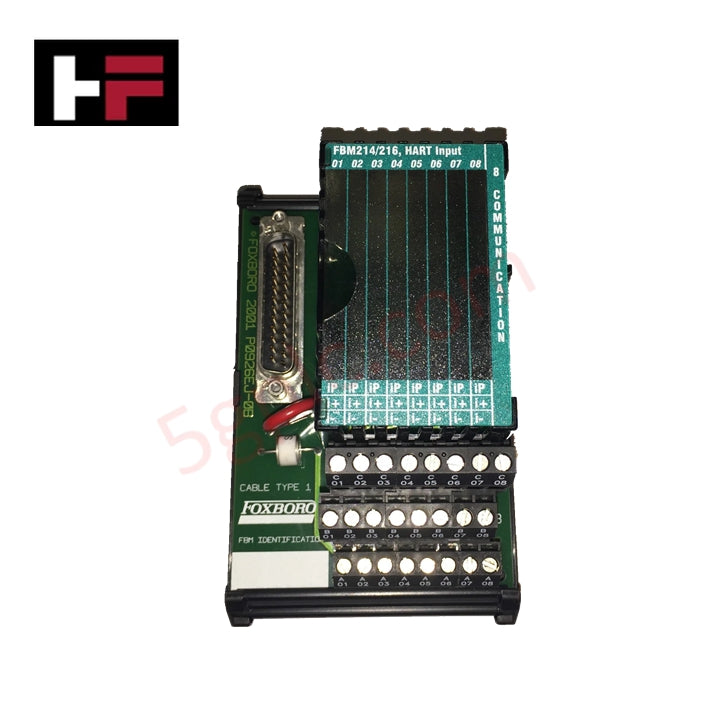
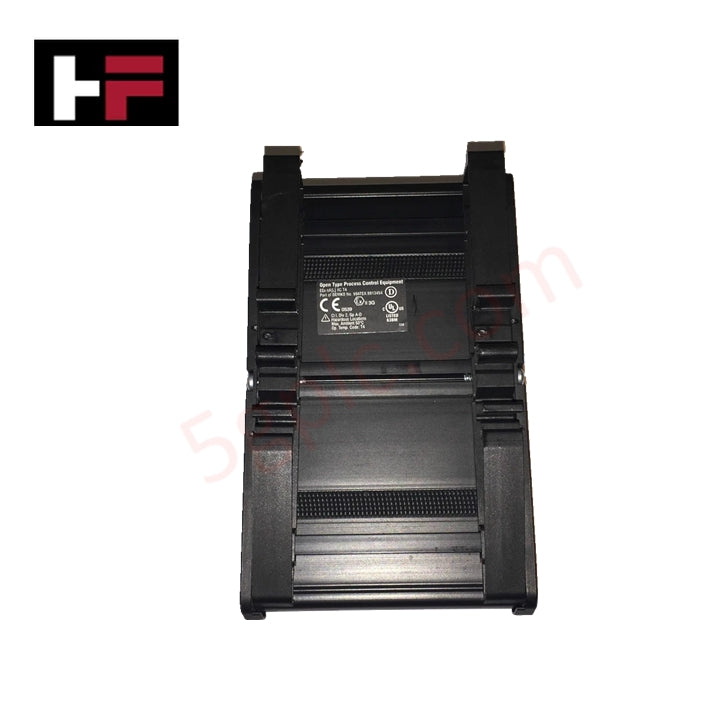
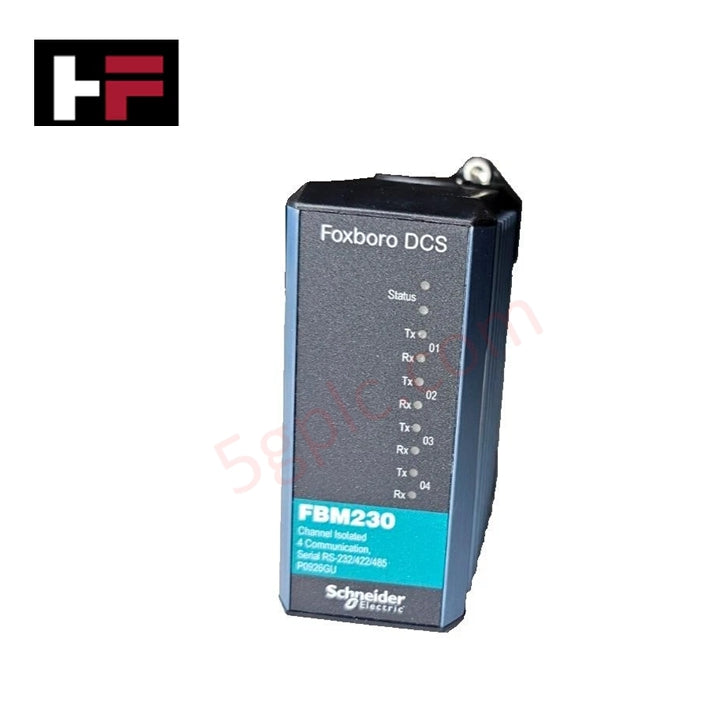
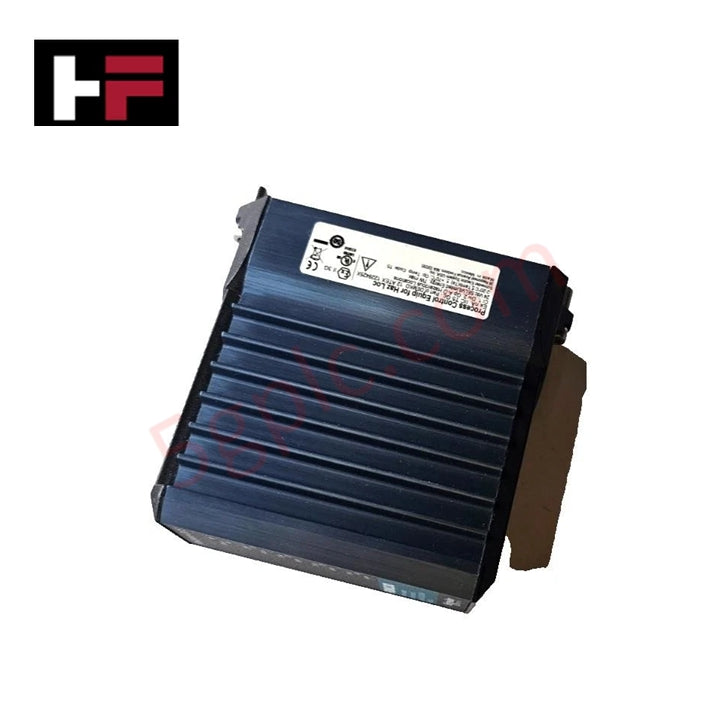
The Foxboro P0926KH, also cataloged as the P0926KH Modular Baseplate, operates as a dedicated hardware component for module mounting and backplane bus routing within Foxboro Evo Process Automation System architecture. It provides power connections and signal backplane execution across 2 Mbps standard fieldbus channels and 268 Kbps lines dedicated to 100 Series Fieldbus Modules (FBMs).
Hardware Specifications
| Parameter | Specification |
|---|---|
| Model | P0926KH |
| Brand | Foxboro |
| Origin | USA |
| Weight | 0.85 lbs (0.39 kg) |
| Dimensions | 150 mm x 100 mm x 30 mm |
| Operating Temp | -40 deg C to +70 deg C |
| Power Consumption | Primary and secondary 24 VDC connections |
| Mounting Options | Vertical and horizontal DIN-rail mounting |
| Fieldbus Compatibility | 2 Mbps Fieldbus (standard) / 268 Kbps Fieldbus (100 Series FBMs) |
| Operating Humidity | 5% to 95% non-condensing |
| Shock / Vibration | 10 g peak (11 ms) / 0.7 g from 13.2 Hz to 150 Hz |
Process Loop Signal Conditioning and Channel Isolation
The Foxboro P0926KH incorporates dedicated backplane isolation channels designed to decouple high-frequency digital communications from field-side wiring loops. By isolating the internal dual 24 VDC distribution paths from field I/O connections, the baseplate prevents common-mode noise and ground loop currents from interfering with 4-20 mA HART loop protocol signaling across connected control modules.
Frequently Asked Questions
Q: Does the P0926KH support simultaneous operation of 200 Series modules and legacy 100 Series FBMs?
A: Yes, the backplane integrates dual communication paths running at 2 Mbps for standard modules and 268 Kbps specifically mapped for legacy 100 Series FBM signal processing.
Q: How is power redundancy maintained across the baseplate terminals?
A: The board features discrete primary and secondary 24 VDC bus connections with internal diode isolation, ensuring uninterrupted backplane power if one supply feed fails.
Field Installation Guidelines
Mount the baseplate securely onto standard DIN rails in either vertical or horizontal orientations. Verify that DIN-rail grounding clamps make direct metal-to-metal contact with an unpainted, grounded metallic backpanel to establish an effective protective earth connection.
Connect both primary and secondary 24 VDC feeds using independent, fused power lines. Ensure all fieldbus communication cables maintain proper shielding with drain wires terminated to a single chassis earth point. When passing field cables into panel enclosures, verify that NPT conduit fittings achieve a minimum 5-thread engagement to maintain enclosure mechanical integrity.
Additional Information
- 100% Genuine Parts: All products are original and authentic, ensuring reliable industrial performance.
- 30-Day Refund Guarantee: Return any in-stock item within 30 days in original, unopened packaging for a full refund (excluding shipping and fees).
- 12-Month Warranty: Covers defects in materials or workmanship; excludes misuse, normal wear, or unauthorized modifications.
- Worldwide Shipping: We ship via USPS, UPS, FedEx, and DHL. Delivery times vary by country and may be subject to customs or import fees.
- Support & Contact: Technical and warranty assistance is available anytime. Contact us here: Contact.
- Purchase Guidance: Check product specifications and compatibility carefully before ordering to ensure proper application.
Tech & Buying Guide

Redefining Control Systems: The Rise of Flexible I/O Modules in Industrial Automation
Conventional input-output architectures often limit engineering agility and inflate long-term inventory costs. Today, Flexible Input/Output Modules (FIOM) are transforming how control system engineers design, commission, and maintain automation infrastructure. By allowing individual channel software configuration, FIOM technology bridges the gap between rigid hardware design and dynamic plant requirements.
Understanding Modern SCADA Systems: Architecture, Communication Topologies, and Industrial Applications
Supervisory Control and Data Acquisition (SCADA) systems form the digital backbone of modern industrial automation. They collect critical field data, transmit signals across vast distances, and empower plant operators with real-time process visibility. Across modern infrastructures, SCADA solutions streamline centralized control and maintain continuous operational uptime.
Understanding OPC Servers in Modern Industrial Automation: Principles, Architecture, and Applications
In industrial automation, connecting physical hardware with high-level software remains a primary operational challenge. Factories utilize programmable logic controllers (PLCs), distributed control systems (DCS), human-machine interfaces (HMIs), and smart sensors from diverse vendors. These devices often speak different proprietary protocols. Open Platform Communications (OPC) servers solve this interoperability challenge by standardizing how data flows across factory networks.