










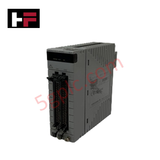
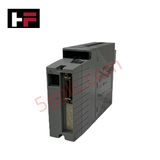
Product Details
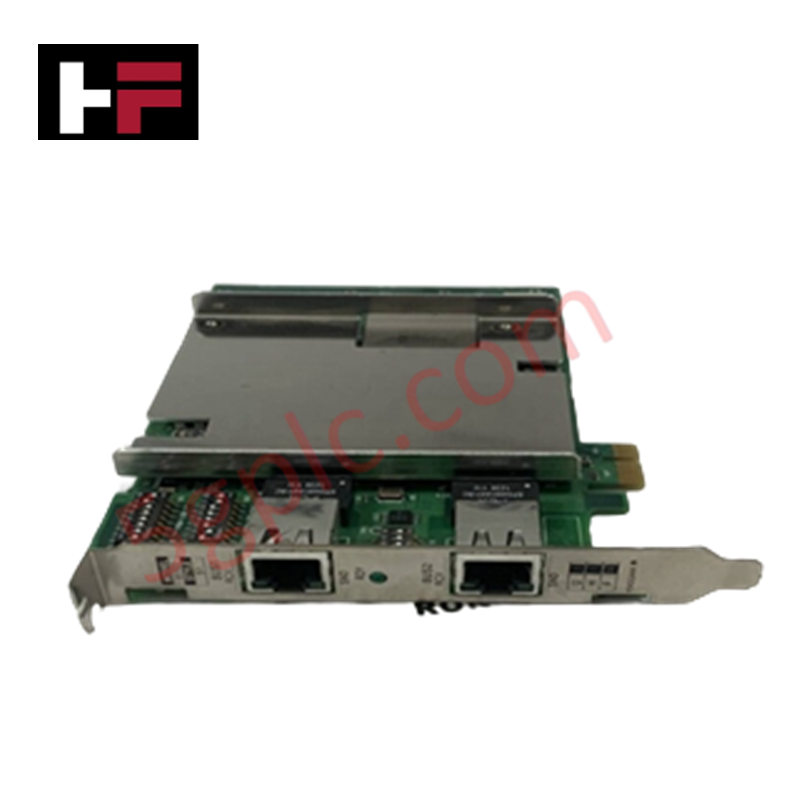
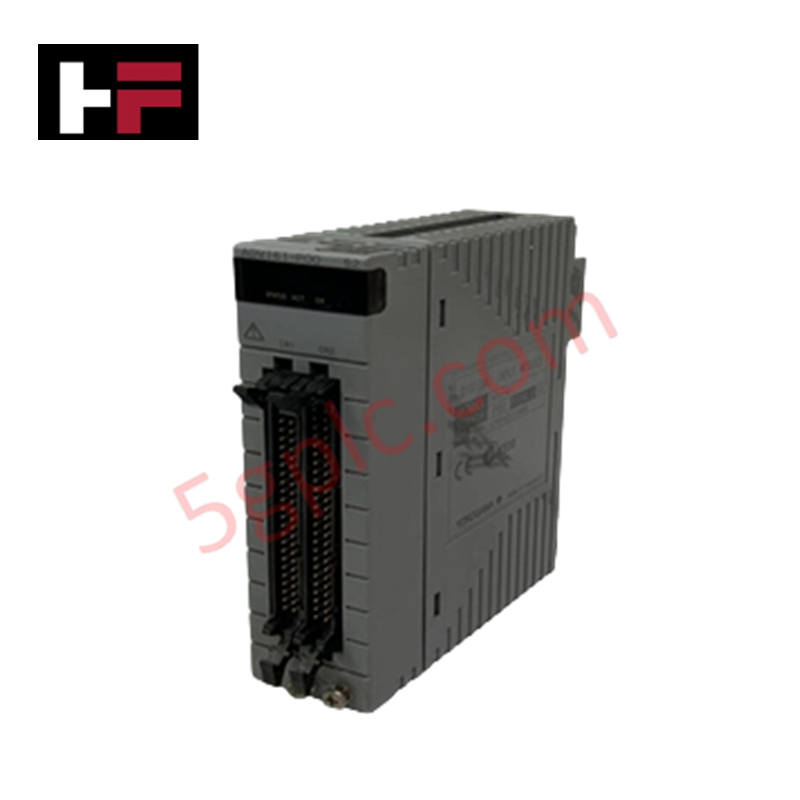
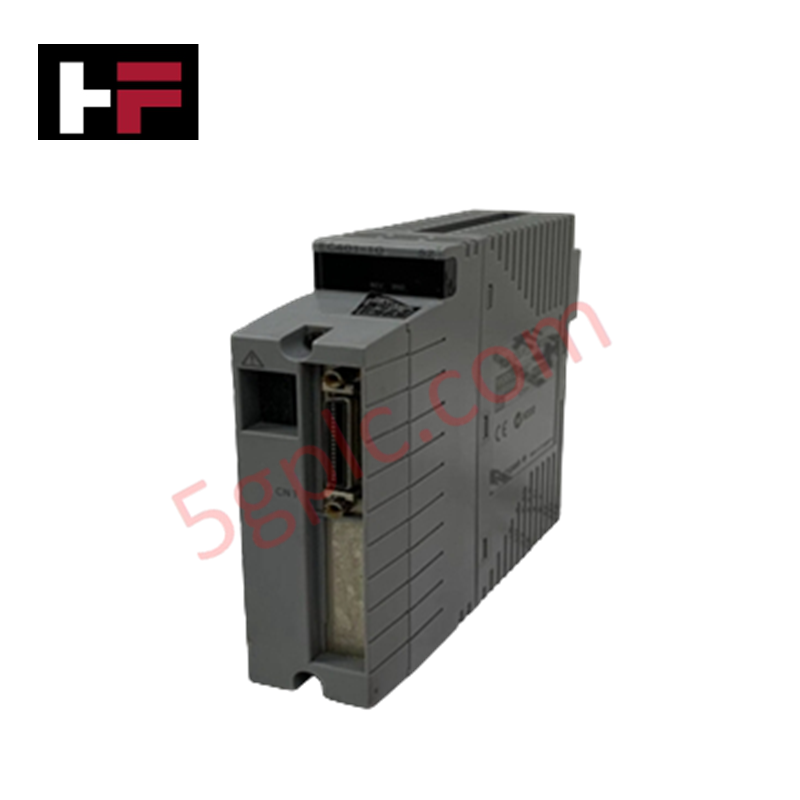
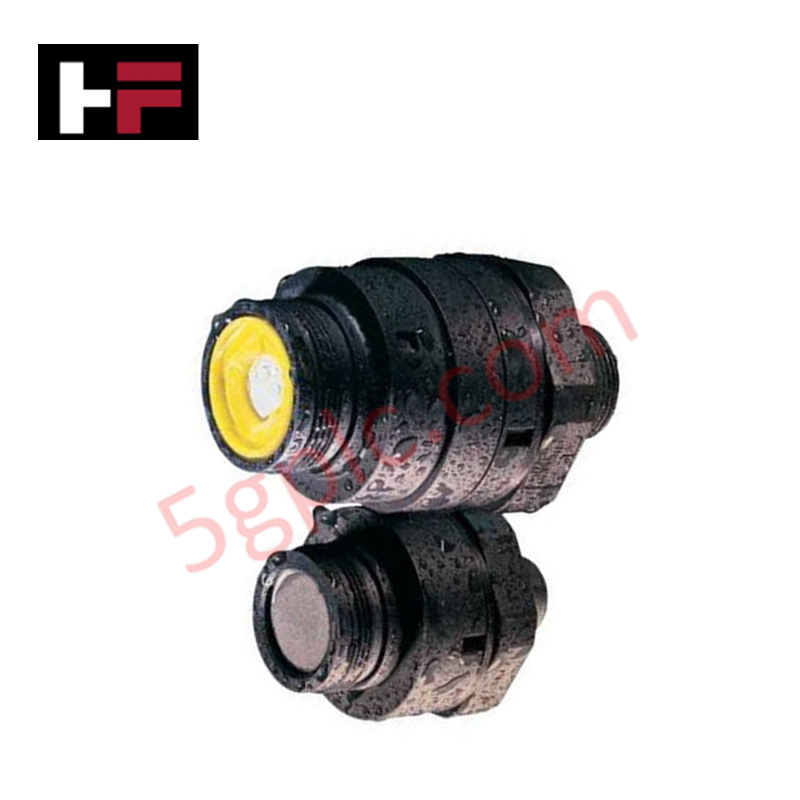
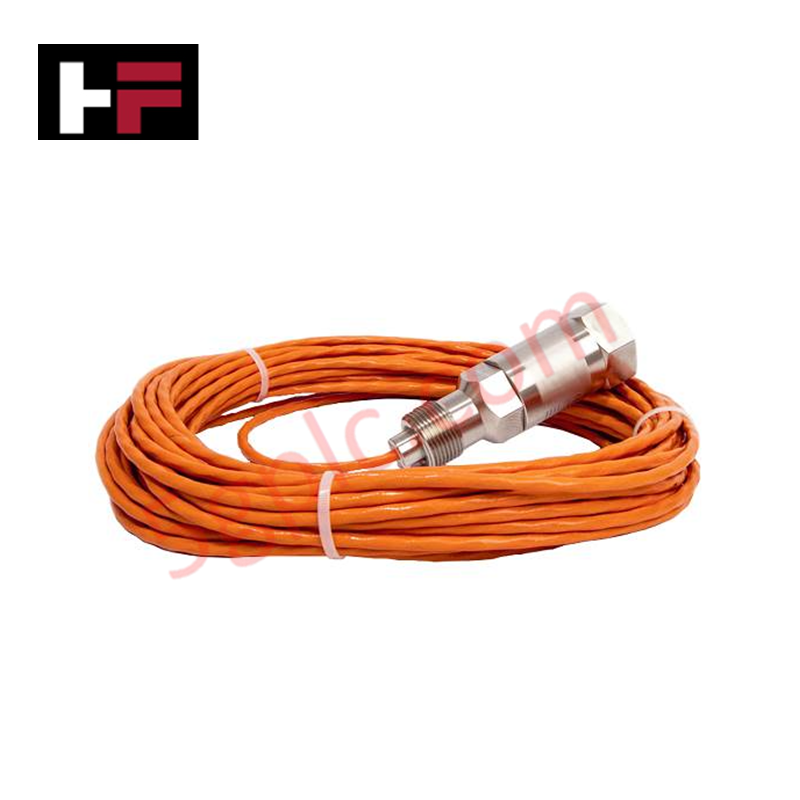
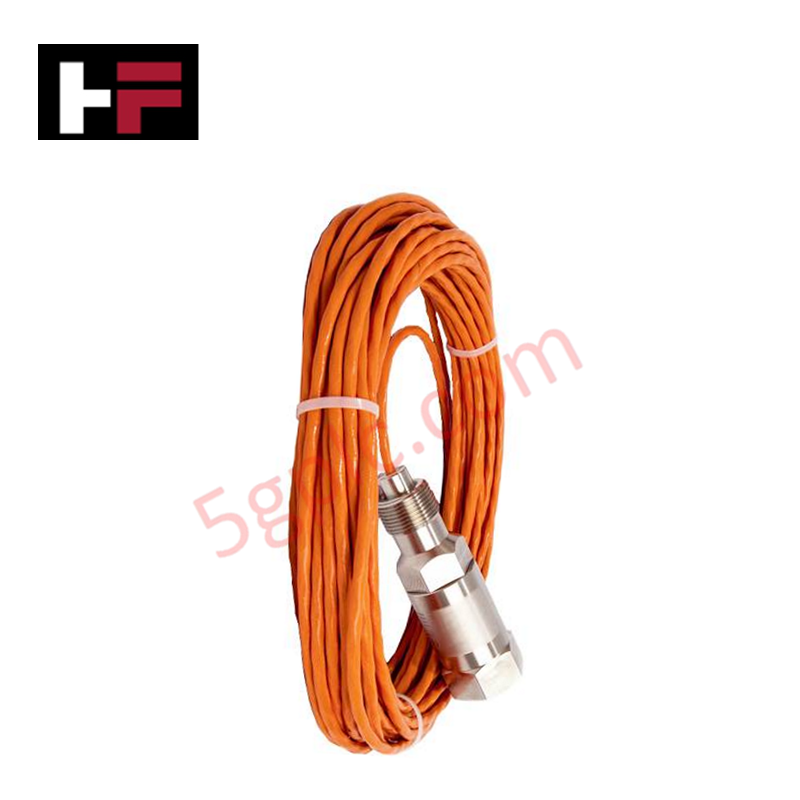
The Yokogawa FCA4*B, also cataloged as the FCA4 Pressure Measurement Module, operates as a dedicated hardware component for dual-sensor pressure and differential pressure signal acquisition within Yokogawa CENTUM VP and CENTUM CS DCS networks.
Suffix Breakdown & Model Matrix
| Code Element | Specification / Description |
|---|---|
| FCA4 | Base module designation for multi-protocol pressure and differential pressure measurement |
| *B | Style code Revision B specifying housing enclosure construction and terminal interface |
Hardware Specifications
| Parameter | Specification |
|---|---|
| Model | FCA4*B |
| Brand | Yokogawa |
| Origin | Japan |
| Weight | 0.3 kg |
| Dimensions | 7.6 cm x 3 cm x 15.2 cm |
| Operating Temp | -10 deg C to 60 deg C |
| Power Consumption | 10 W |
| Power Supply | 24 VDC |
| Enclosure Rating | IP67 (ruggedized metal housing) |
| Relative Humidity | 5% to 95% (non-condensing) |
| Measured Variables | Pressure, differential pressure (DP) |
| Sensor Inputs | Dual pressure sensor interface |
| Input Signal Types | 4-20 mA, mV, thermocouple, RTD |
| Output Signal | Digital |
| Communication Protocols | FOUNDATION Fieldbus, PROFIBUS DP, HART |
FOUNDATION Fieldbus and 4-20 mA HART Loop Protocol Integration
The FCA4*B pressure measurement module integrates multi-protocol digital communication, supporting FOUNDATION Fieldbus, PROFIBUS DP, and 4-20 mA HART loop protocol standards. Internal signal conditioning circuitry converts analog millivolt, thermocouple, RTD, and 4-20 mA inputs from dual pressure sensors into calibrated digital output streams. Channel-to-channel isolation and integrated signal filtering suppress common-mode electrical noise and prevent ground loops, delivering deterministic process variable updates to CENTUM VP and CENTUM CS controllers.
Frequently Asked Questions
Q: Does the IP67-rated housing of the FCA4*B require additional field enclosures for outdoor mounting?
A: The IP67 metal housing provides direct resistance against dust ingress and low-pressure water jets, allowing direct field mounting; however, secondary shading is recommended in high-temperature environments subject to direct solar exposure.
Q: How are mixed sensor input types configured on the FCA4*B module?
A: Analog input selection across 4-20 mA, millivolt, thermocouple, and RTD signal sources is defined via system configuration software, which adjusts internal analog-to-digital scaling and cold junction compensation parameters per input channel.
Q: What power parameters must be met when energizing the module on a 24 VDC bus loop?
A: The power supply must maintain a stable 24 VDC output capable of supplying at least 10 W continuous power per module under full sensor excitation and active fieldbus transmission states.
Field Installation Guidelines
- Mechanical Mounting: Secure the FCA4*B module to structural panels or mounting plates using M4 fasteners. Torque all mounting hardware to 2.5 N-m to maintain structural stability.
- Gland Sealing: Cable entries must use IP67-rated metallic cable glands. Install sealed blind plugs in all unused cable entry ports to preserve the enclosure rating.
- Shield Grounding: Connect signal cable drain wires directly to the main functional earth (FE) ground terminal on the module housing to suppress high-frequency electromagnetic interference.
- Wiring Separation: Route 24 VDC power lines and high-frequency digital signal cables in separate wire ducts, maintaining a minimum 300 mm distance from 230 VAC power conduits.
Additional Information
- 100% Genuine Parts: All products are original and authentic, ensuring reliable industrial performance.
- 30-Day Refund Guarantee: Return any in-stock item within 30 days in original, unopened packaging for a full refund (excluding shipping and fees).
- 12-Month Warranty: Covers defects in materials or workmanship; excludes misuse, normal wear, or unauthorized modifications.
- Worldwide Shipping: We ship via USPS, UPS, FedEx, and DHL. Delivery times vary by country and may be subject to customs or import fees.
- Support & Contact: Technical and warranty assistance is available anytime. Contact us here: Contact.
- Purchase Guidance: Check product specifications and compatibility carefully before ordering to ensure proper application.





Tech & Buying Guide

Demystifying Open Platform Communication (OPC): The Backbone of Industrial Interoperability
Interoperability remains a cornerstone requirement for modern smart factories and process automation. Open Platform Communication (OPC) bridges the gap between disparate hardware platforms, control systems, and visualization software. By establishing a universal communication standard, OPC allows field controllers, SCADA platforms, and enterprise software from different vendors to exchange real-time data seamlessly.

Understanding Siemens PLC Memory Cards: MMC, SMC, and SD Solutions in Industrial Automation
Memory management plays a pivotal role in maintaining control system reliability across modern manufacturing plants. Industrial control systems rely on specialized memory cards to store project logic, firmware updates, and retentive system data. Siemens uses several memory architectures, including Micro Memory Cards (MMC) and SIMATIC Memory Cards (SMC). Engineers must understand these hardware variations to ensure zero data loss and minimize downtime during maintenance routines.

Redefining Control Systems: The Rise of Flexible I/O Modules in Industrial Automation
Conventional input-output architectures often limit engineering agility and inflate long-term inventory costs. Today, Flexible Input/Output Modules (FIOM) are transforming how control system engineers design, commission, and maintain automation infrastructure. By allowing individual channel software configuration, FIOM technology bridges the gap between rigid hardware design and dynamic plant requirements.