











Product Details
Product Overview
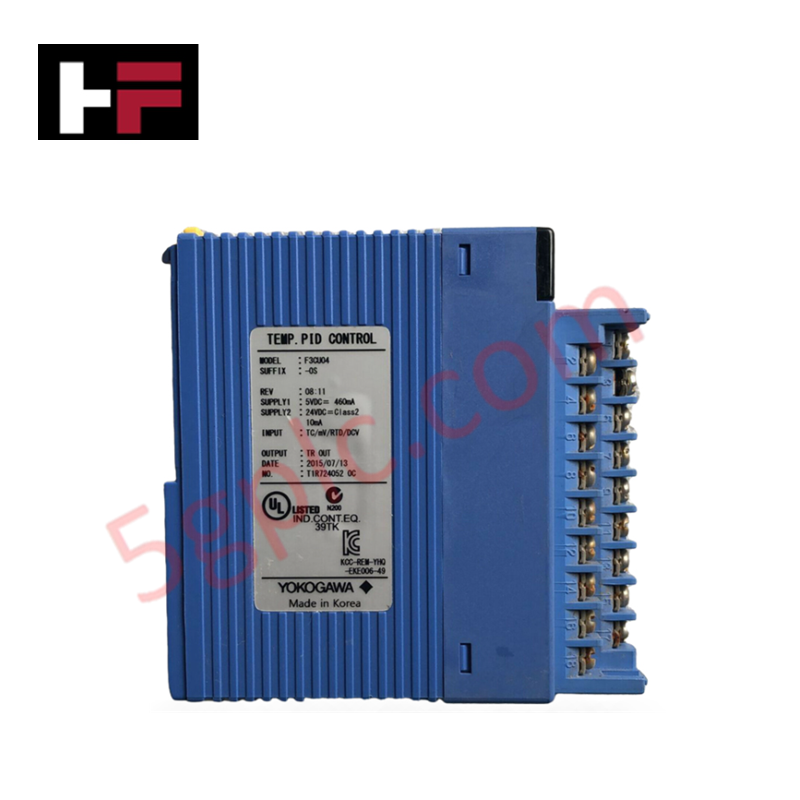
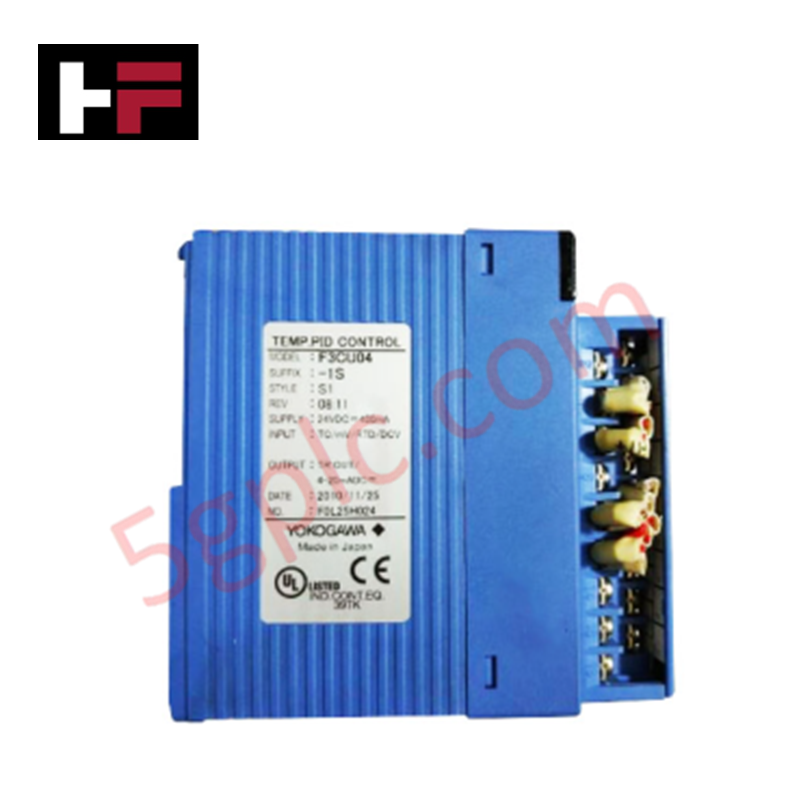
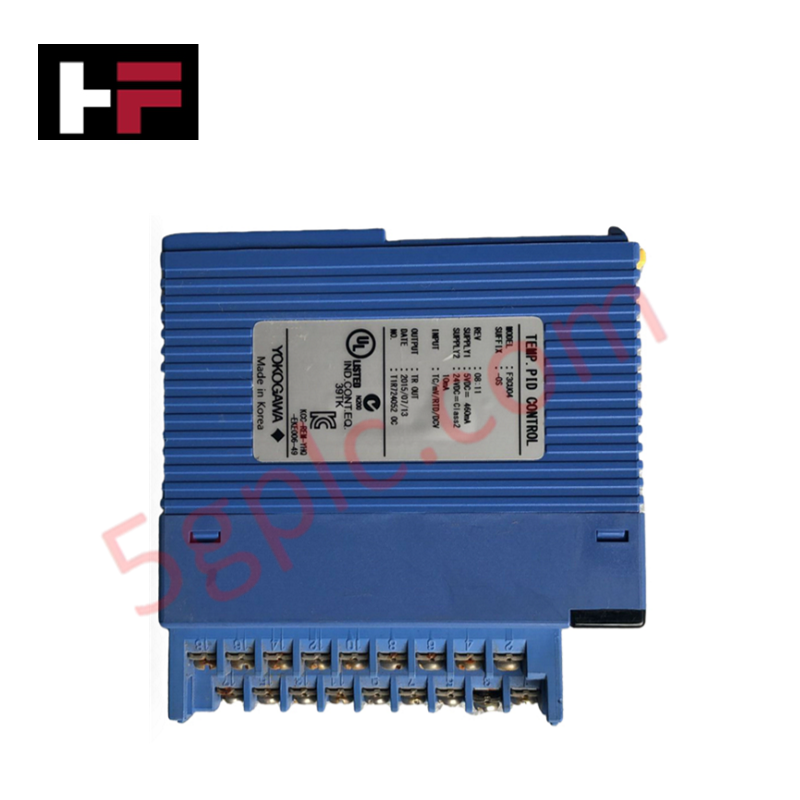
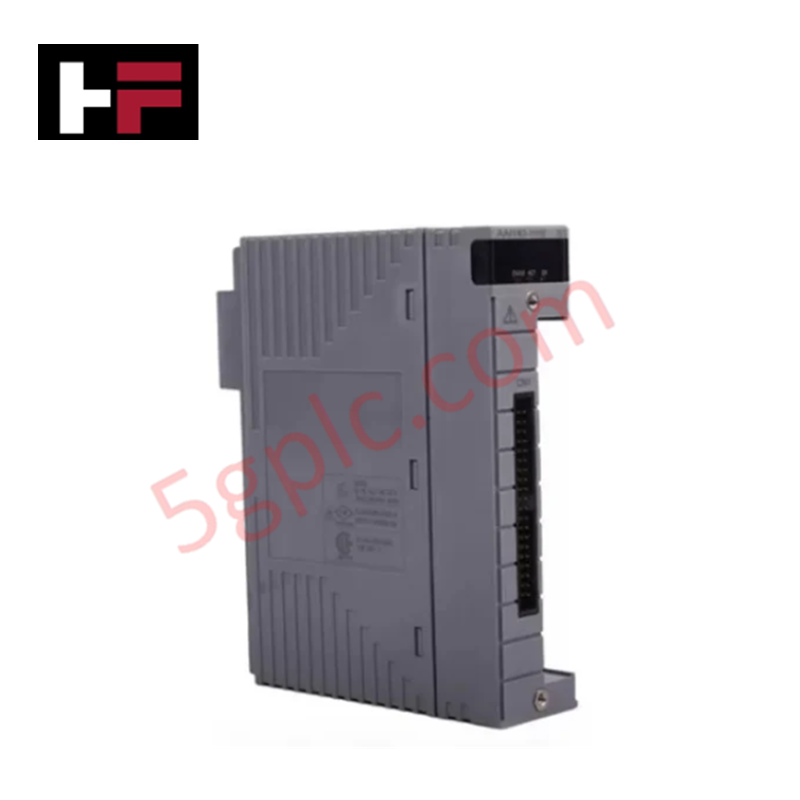
The Yokogawa F3CU04-1S serves as a specialized Temperature PID Control module for the FA-M3 controller series. This module automates thermal regulation for critical industrial processes, maintaining setpoints through advanced PID logic. We supply this unit as 100% Brand New and Original, ensuring precise thermal response and stable alarm monitoring for your factory automation line.
Part Number Breakdown
| Code | Specification | Detail |
| F3CU04 | Base Model | Temperature PID Control Module |
| -1 | Type | Standard PID hardware configuration |
| S | Revision | Hardware revision level |
Technical Specifications
| Feature | Details |
| Alarm Outputs | 4 outputs per loop (2 relays per loop) |
| Alarm Functions | ON-delay timing included |
| Warm-up Time | 30 minutes minimum |
| Max Ambient Change Rate | 10°C/h maximum |
| Current Consumption | 470 mA (5 VDC) |
| External Connection | Dual 18-point terminal blocks (M3.5 screws) |
| Shipping Weight | 3.0 kg |
Engineering Advantages
-
Advanced Alarm Logic: The F3CU04-1S provides 4 alarm outputs per control loop. This granular alarm structure allows engineers to configure primary and secondary safety triggers (e.g., Warning and Shutdown) without requiring external relay logic.
-
Stable Thermal Performance: The module features an "Alarm ON-delay" function. This capability filters out transient temperature spikes, preventing nuisance alarms in processes where minor, non-critical fluctuations occur during normal operation.
-
Robust Connectivity: The module utilizes two 18-point terminal blocks with M3.5 screws. This connection method ensures a high-torque mechanical grip on field wiring, preventing loose connections that often trigger signal drift in precision thermal applications.
-
Environmental Resilience: Engineered for stable operation, the F3CU04-1S handles ambient temperature changes up to 10°C/h without degrading PID control accuracy. This robustness keeps process variables steady, even in plant environments experiencing significant seasonal or daily temperature swings.
FAQs
-
What does the "30-minute warm-up" specification mean for my process?
The module requires 30 minutes to stabilize its internal reference voltage and thermal sensor circuitry. Ensure you power on the module at least 30 minutes before enabling the active PID control loops to guarantee maximum accuracy.
-
Can I replace an older F3CU04 revision with the -1S model?
The F3CU04-1S maintains backward compatibility with standard FA-M3 base units. However, always review your existing control program logic, as updated hardware revisions occasionally include minor register mapping changes.
-
How do the two input relays for alarms 1 and 2 operate?
Each control loop provides two specific alarm inputs. You define these in the software to trigger based on deviation, absolute value, or rate-of-change, providing flexible safety interlocks for your specific thermal loop.
-
Is the F3CU04-1S susceptible to interference from nearby motor controllers?
Yokogawa designs the F3CU04-1S with internal signal isolation. However, for maximum precision, route your temperature sensor leads (thermocouple or RTD) away from high-power cabling or AC motor drives to minimize electromagnetic noise pickup.
Additional Information
- 100% Genuine Parts: All products are original and authentic, ensuring reliable industrial performance.
- 30-Day Refund Guarantee: Return any in-stock item within 30 days in original, unopened packaging for a full refund (excluding shipping and fees).
- 12-Month Warranty: Covers defects in materials or workmanship; excludes misuse, normal wear, or unauthorized modifications.
- Worldwide Shipping: We ship via USPS, UPS, FedEx, and DHL. Delivery times vary by country and may be subject to customs or import fees.
- Support & Contact: Technical and warranty assistance is available anytime. Contact us here: Contact.
- Purchase Guidance: Check product specifications and compatibility carefully before ordering to ensure proper application.
Tech & Buying Guide

Navigating Industrial Automation Failures: Types, Causes, and Mitigation Strategies
Modern manufacturing relies heavily on automated control systems to maximize throughput and maintain product quality. However, unplanned downtime in industrial automation can cost facility operators thousands of dollars per hour. Understanding how programmable logic controllers (PLCs), distributed control systems (DCS), and field instrumentation fail empowers engineering teams to implement robust preventive maintenance strategies.
Essential Motion Control Commands: A Practical Guide for Engineers
Automation engineers often rely on precise position and speed control to drive modern factory machinery. Modern industrial systems, such as Programmable Logic Controllers (PLCs) and Distributed Control Systems (DCS), depend heavily on standardized motion instructions. Mastering these commands ensures operational safety, protects mechanical components, and optimizes cycle times across production lines.

The Role of Intrinsic Safety Barriers in PLC and DCS Architectures
Implementing robust protection in hazardous industrial environments represents a fundamental safety requirement in factory automation. Process facilities often handle volatile gases, dusts, and chemical agents that pose significant combustion risks. Consequently, control system engineers must deploy energy-limiting interfaces to isolate safe-area control cabinets from hazardous-area field instrumentation. This article examines the function, selection, and electrical principles of intrinsic safety barriers within modern PLC and DCS networks.