










Product Details
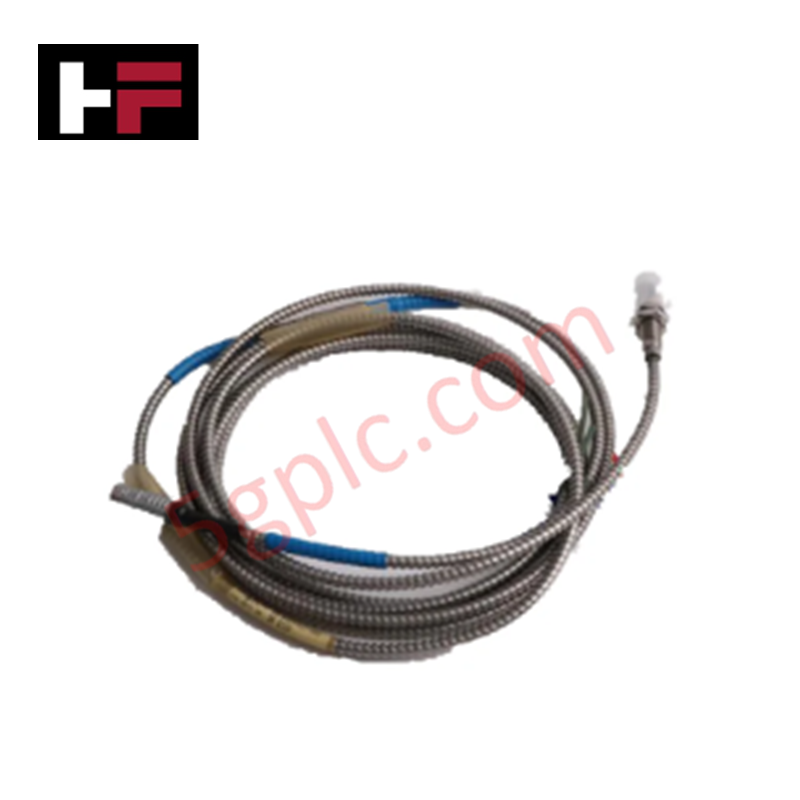
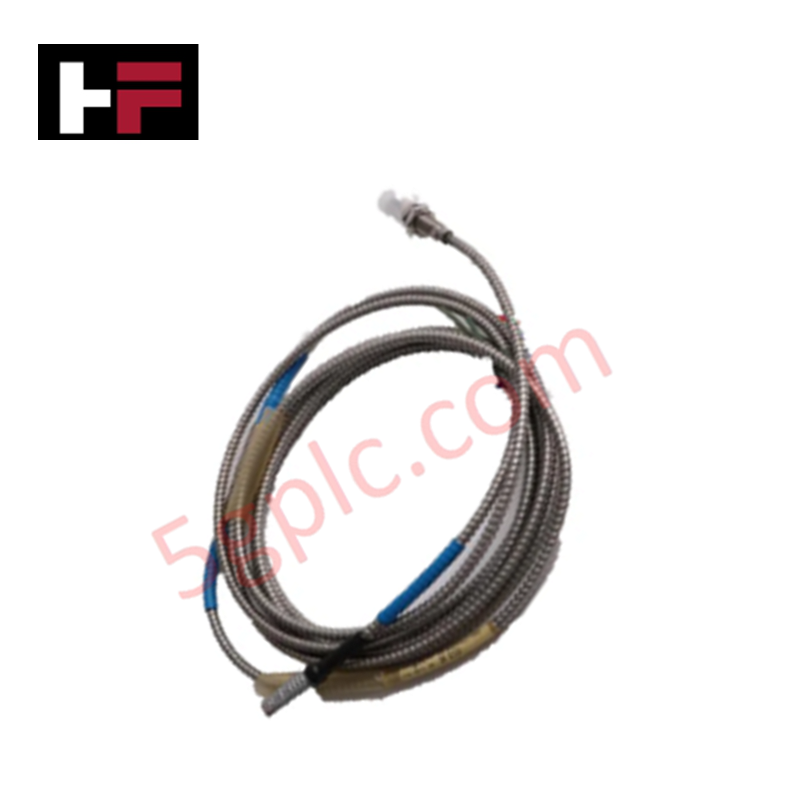
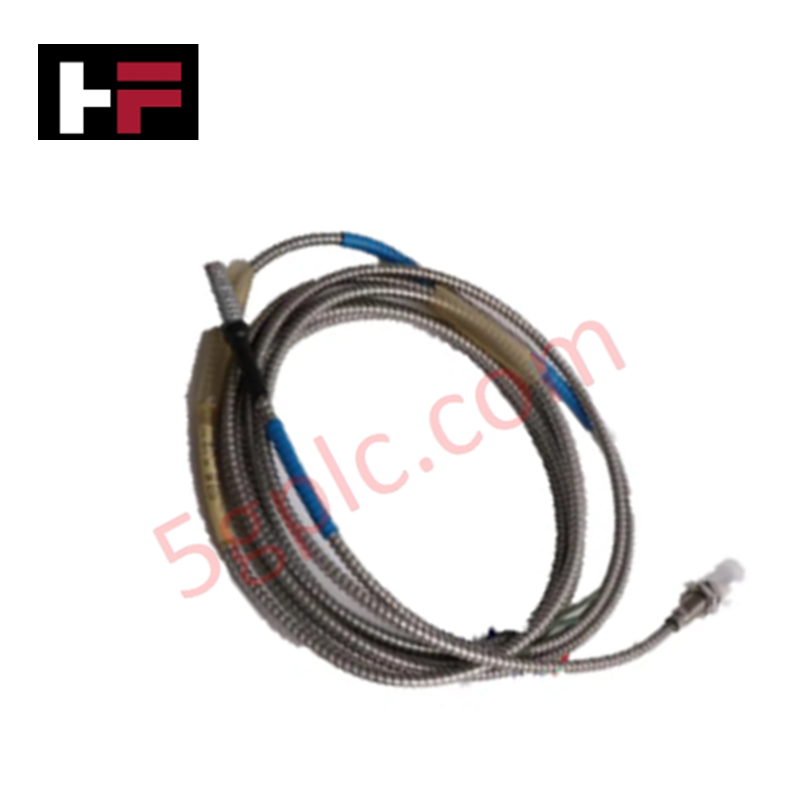
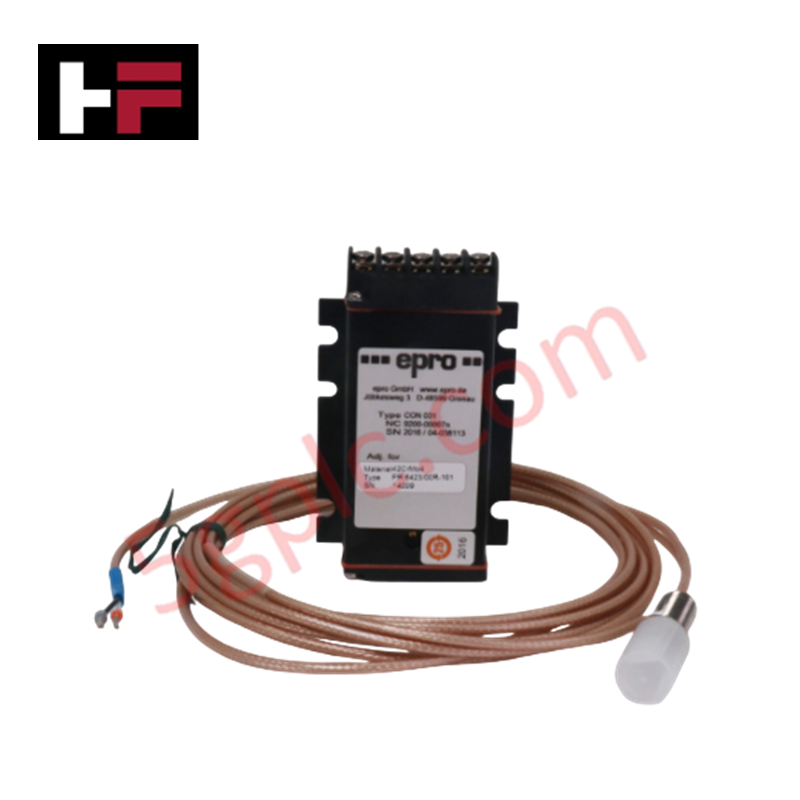
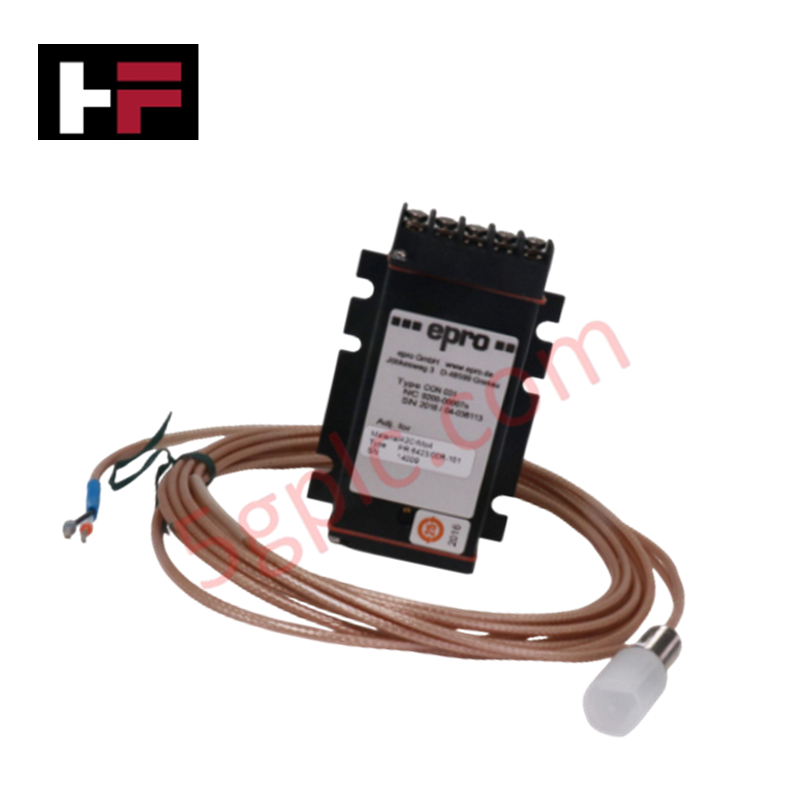
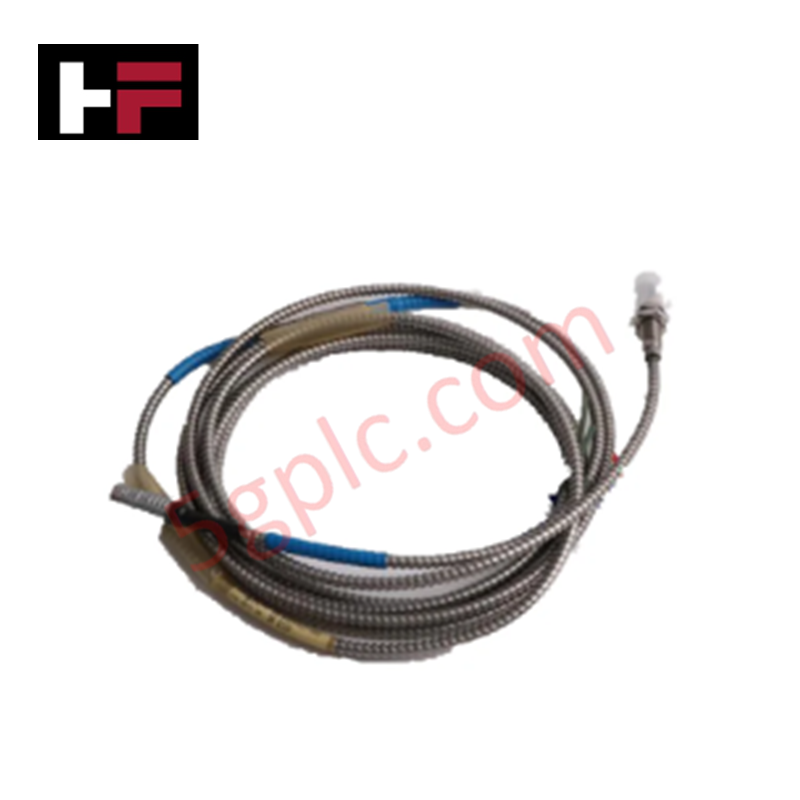
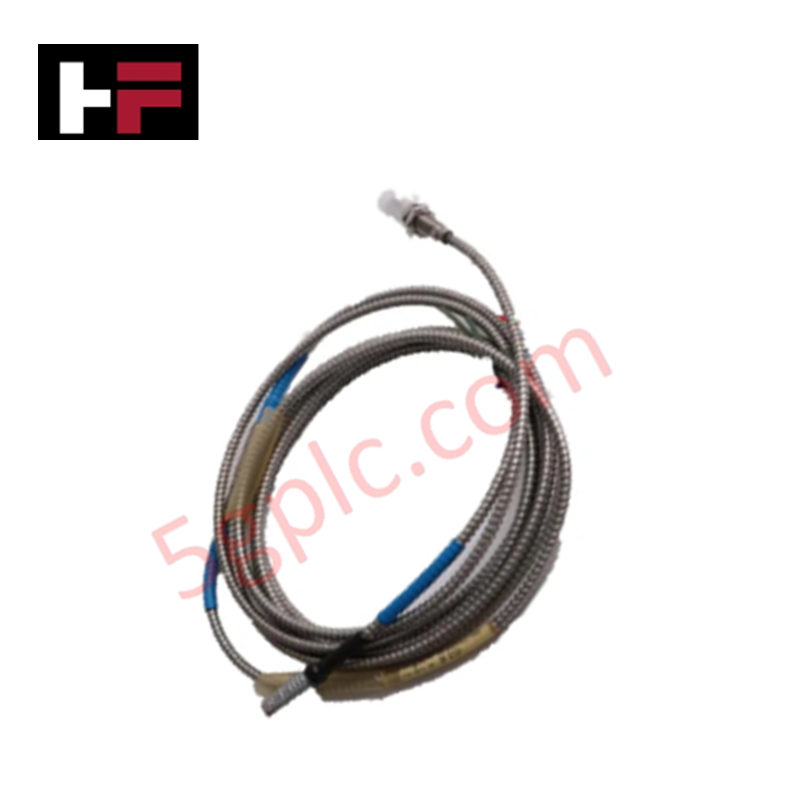
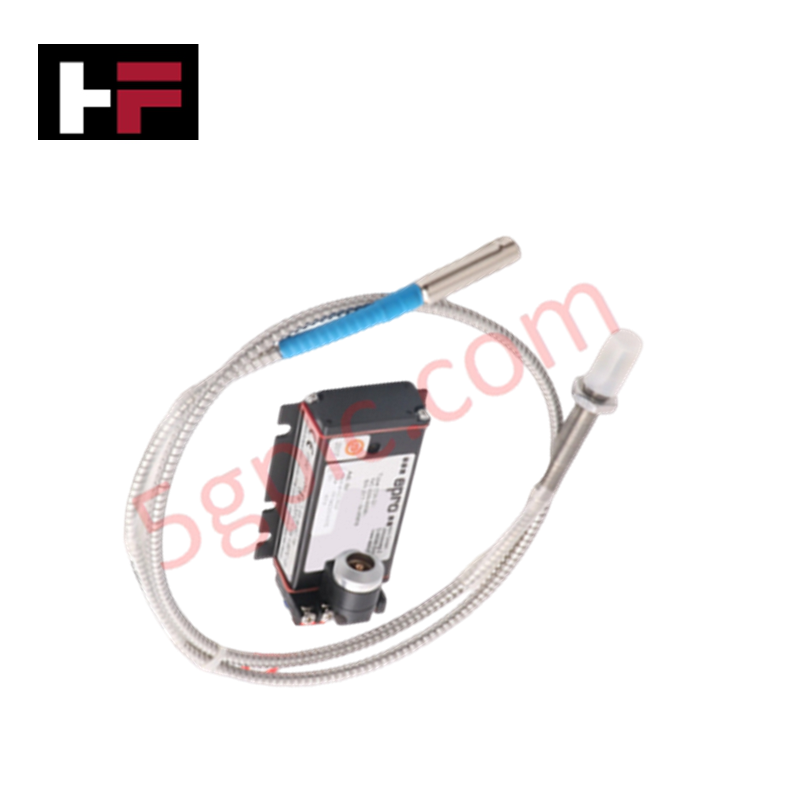
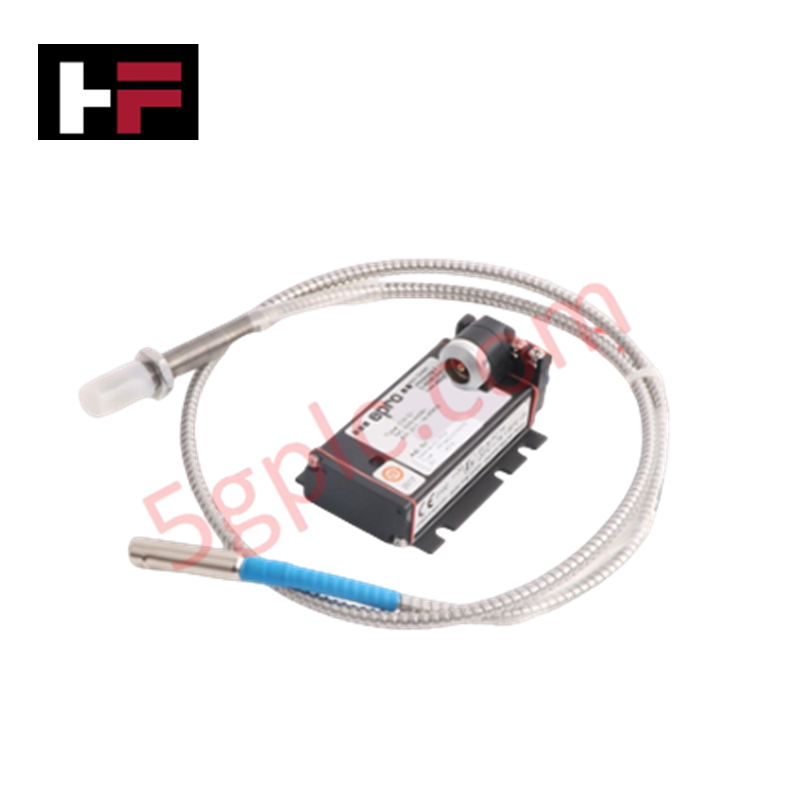
The Emerson PR6423/013-110, also cataloged as the PR6423 Proximity Sensors, operates as a dedicated hardware component for non-contact shaft displacement and dynamic vibration measurement within Emerson AMS and EPRO machinery monitoring platforms. The transducer assembly establishes an eddy current inductive field at the probe tip to convert microscopic physical gap variations relative to conductive metal targets into continuous electrical outputs without mechanical contact.
Hardware Specifications
| Parameter | Specification |
|---|---|
| Model | PR6423/013-110 |
| Brand | Emerson |
| Origin | United States |
| Operating Temp | -35 to +180 deg C (Sensor Head) |
| Probe Head Diameter | 8 mm |
| Measurement Principle | Non-contact Eddy Current |
| Target Material | Ferromagnetic steel |
| Housing Material | Stainless steel (SST) |
| Cable Interface | Armored / Standard extension cable assembly |
4-20 mA HART Loop Protocol & Channel Isolation
When wired into compatible CON series signal converters, the sensor interface delivers conditioned analog voltage or 4-20 mA HART loop protocol outputs to upstream monitoring racks. Galvanic channel-to-channel isolation decouples field sensor signals from system ground references, preventing common-mode earth potential interference in multi-channel installations. Internal thermal compensation preserves scale factor stability across wide operating temperature spans, ensuring accurate peak-to-peak vibration and axial position feedback.
Frequently Asked Questions
Q: What is the primary function of the PR6423/013-110 sensor assembly?
A: The sensor measures dynamic shaft vibration and static axial displacement in rotating machinery using non-contact eddy current inductive sensing.
Q: How does the signal converter process the transducer's raw measurements?
A: The paired CON converter module energizes the probe coil and demodulates impedance variations into standardized voltage or 4-20 mA HART loop protocol signals.
Field Installation Guidelines
Maintain an unobstructed metallic clearance radius around the 8 mm sensing tip of at least 1.5 times the tip diameter to prevent surrounding enclosure geometry from inducing false inductance loading. Route sensor cabling inside dedicated grounded metallic conduit, maintaining physical separation from high-voltage AC cables and motor drives. Connect the cable shield braid to the technical earth terminal frame at a single point only to avoid circulating ground loop currents. Secure mounting locknuts to standard torque specifications and protect exposed connections with self-amalgamating tape.
Additional Information
- 100% Genuine Parts: All products are original and authentic, ensuring reliable industrial performance.
- 30-Day Refund Guarantee: Return any in-stock item within 30 days in original, unopened packaging for a full refund (excluding shipping and fees).
- 12-Month Warranty: Covers defects in materials or workmanship; excludes misuse, normal wear, or unauthorized modifications.
- Worldwide Shipping: We ship via USPS, UPS, FedEx, and DHL. Delivery times vary by country and may be subject to customs or import fees.
- Support & Contact: Technical and warranty assistance is available anytime. Contact us here: Contact.
- Purchase Guidance: Check product specifications and compatibility carefully before ordering to ensure proper application.




Tech & Buying Guide

Demystifying Open Platform Communication (OPC): The Backbone of Industrial Interoperability
Interoperability remains a cornerstone requirement for modern smart factories and process automation. Open Platform Communication (OPC) bridges the gap between disparate hardware platforms, control systems, and visualization software. By establishing a universal communication standard, OPC allows field controllers, SCADA platforms, and enterprise software from different vendors to exchange real-time data seamlessly.

Understanding Siemens PLC Memory Cards: MMC, SMC, and SD Solutions in Industrial Automation
Memory management plays a pivotal role in maintaining control system reliability across modern manufacturing plants. Industrial control systems rely on specialized memory cards to store project logic, firmware updates, and retentive system data. Siemens uses several memory architectures, including Micro Memory Cards (MMC) and SIMATIC Memory Cards (SMC). Engineers must understand these hardware variations to ensure zero data loss and minimize downtime during maintenance routines.

Redefining Control Systems: The Rise of Flexible I/O Modules in Industrial Automation
Conventional input-output architectures often limit engineering agility and inflate long-term inventory costs. Today, Flexible Input/Output Modules (FIOM) are transforming how control system engineers design, commission, and maintain automation infrastructure. By allowing individual channel software configuration, FIOM technology bridges the gap between rigid hardware design and dynamic plant requirements.