










Product Details
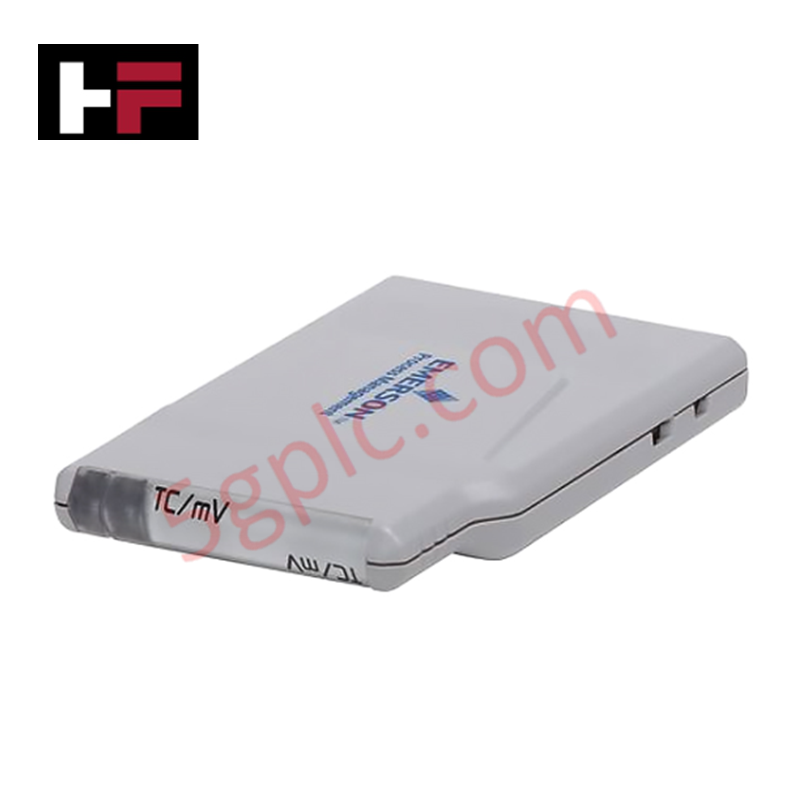
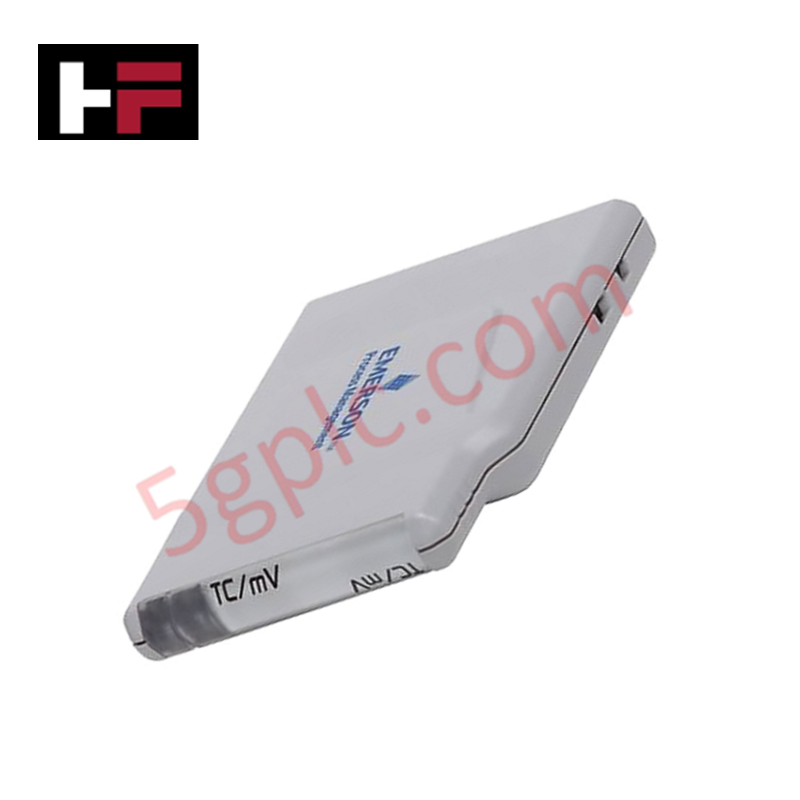
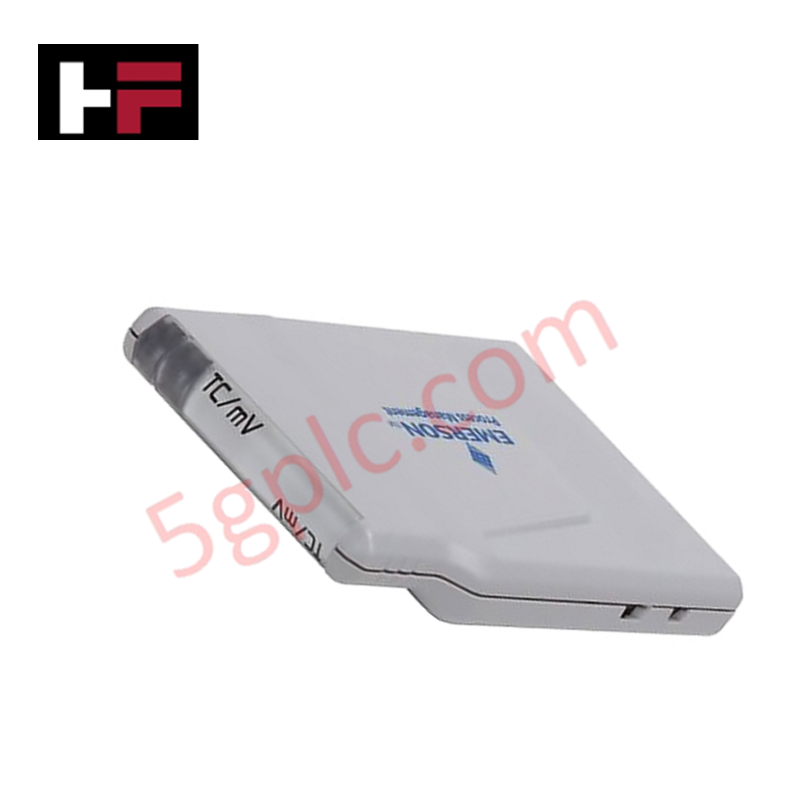
Configured for high-precision thermal signal acquisition in DeltaV I/O subsystems, the Emerson KL3032X1-BA1 (KL3032X1-BA1, also cataloged as SE4303T02) CHARM provides direct physical/electrical execution of thermocouple and millivolt input monitoring.
Hardware Specifications
| Parameter | Specification |
| Model | KL3032X1-BA1 |
| Brand | Emerson |
| Origin | USA |
| Weight | Not specified |
| Dimensions | Standard CHARM form factor |
| Operating Temp | -40 deg C to +85 deg C |
| Power Consumption | 22 mA @ 24 VDC |
| Input Signal | Thermocouples (J, K, T, E, R, S, B, N), +/- 100 mV |
| Resolution | 24-bit A/D converter |
Process Control: Cold Junction Compensation (CJC)
The KL3032X1-BA1 CHARM integrates active Cold Junction Compensation (CJC) circuitry to maintain temperature measurement accuracy across the specified operating range of -40 deg C to +85 deg C. By utilizing an integrated temperature sensor at the terminal junction, the module performs real-time algorithmic correction of the thermocouple electromotive force (EMF). This process eliminates the requirement for external reference junctions and ensures an accuracy of +/- 1.0 deg C for ambient temperatures within the operational envelope. The module architecture ensures consistent thermal readings by stabilizing the reference junction temperature, thereby mitigating the impact of localized thermal gradients within the terminal housing.
Frequently Asked Questions (FAQ)
Q: Does the KL3032X1-BA1 require periodic manual calibration?
A: No. The KL3032X1-BA1 is factory-calibrated and does not require periodic manual calibration. The internal 24-bit A/D converter and firmware-based compensation algorithms maintain long-term stability and accuracy over the product lifespan.
Q: How does the module handle open sensor conditions?
A: The module is equipped with integrated open sensor detection circuitry. Upon detection of a broken thermocouple loop, the module triggers a diagnostic status update to the DeltaV controller, allowing the system to initiate safe state execution or logic-based fault handling.
Field Installation Guidelines
-
Mounting: Install the KL3032X1-BA1 into the designated CHARM carrier slot. Ensure the module is properly seated to establish electrical contact with the backplane for both signal acquisition and 24 VDC power distribution.
-
Wiring: Connect thermocouple or mV signal leads directly to the associated terminal block. Ensure consistent polarity and utilize shielded wiring where applicable to maintain the 90 dB Common Mode Rejection (CMR) performance.
-
Grounding: While each sensor is galvanically isolated, ensure the carrier backplane is connected to the cabinet ground to maintain the overall integrity of the electromagnetic shielding.
-
Verification: Use the DeltaV diagnostic workstation to verify the signal integrity and CJC status upon commissioning. Confirm that the input scaling matches the specific thermocouple type (J, K, T, etc.) defined in the control strategy.
Additional Information
- 100% Genuine Parts: All products are original and authentic, ensuring reliable industrial performance.
- 30-Day Refund Guarantee: Return any in-stock item within 30 days in original, unopened packaging for a full refund (excluding shipping and fees).
- 12-Month Warranty: Covers defects in materials or workmanship; excludes misuse, normal wear, or unauthorized modifications.
- Worldwide Shipping: We ship via USPS, UPS, FedEx, and DHL. Delivery times vary by country and may be subject to customs or import fees.
- Support & Contact: Technical and warranty assistance is available anytime. Contact us here: Contact.
- Purchase Guidance: Check product specifications and compatibility carefully before ordering to ensure proper application.
Tech & Buying Guide

Why 24V DC Power Supplies Standardize Modern Industrial Automation
Industrial control cabinets worldwide rely on 24V DC as the universal power standard for field instrumentation, sensors, and controllers. Walk into any manufacturing plant, and you will find PLCs, human-machine interfaces (HMIs), and smart actuators running on extra-low voltage DC. Standardizing on 24V DC enhances operational safety, lowers cabinet footprint, and maintains steady control performance across factory networks.

Essential Motion Control Commands: A Practical Guide for Engineers
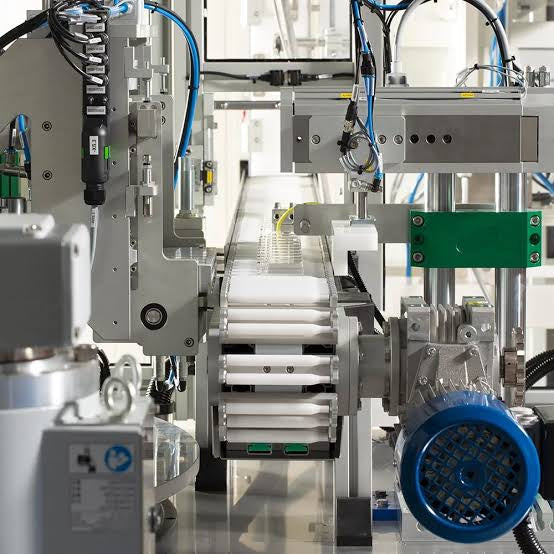
Automation engineers often rely on precise position and speed control to drive modern factory machinery. Modern industrial systems, such as Programmable Logic Controllers (PLCs) and Distributed Control Systems (DCS), depend heavily on standardized motion instructions. Mastering these commands ensures operational safety, protects mechanical components, and optimizes cycle times across production lines.
Mastering Modern Industrial Joystick Controls in Heavy Automation
Industrial joysticks play a pivotal role in human-machine interaction across heavy material handling and mobile hydraulics. These tactile controllers translate complex operator movements into precise electrical signals for PLCs, motion controllers, and DCS networks. Consequently, selecting and installing the right joystick architecture ensures operator safety, reduces fatigue, and optimizes equipment performance.