










Product Details
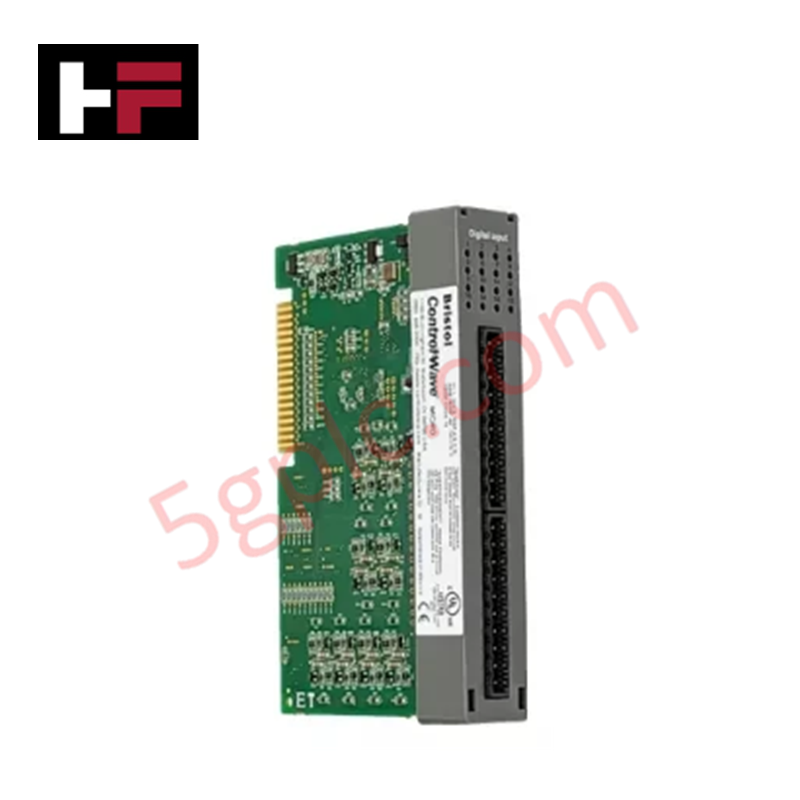
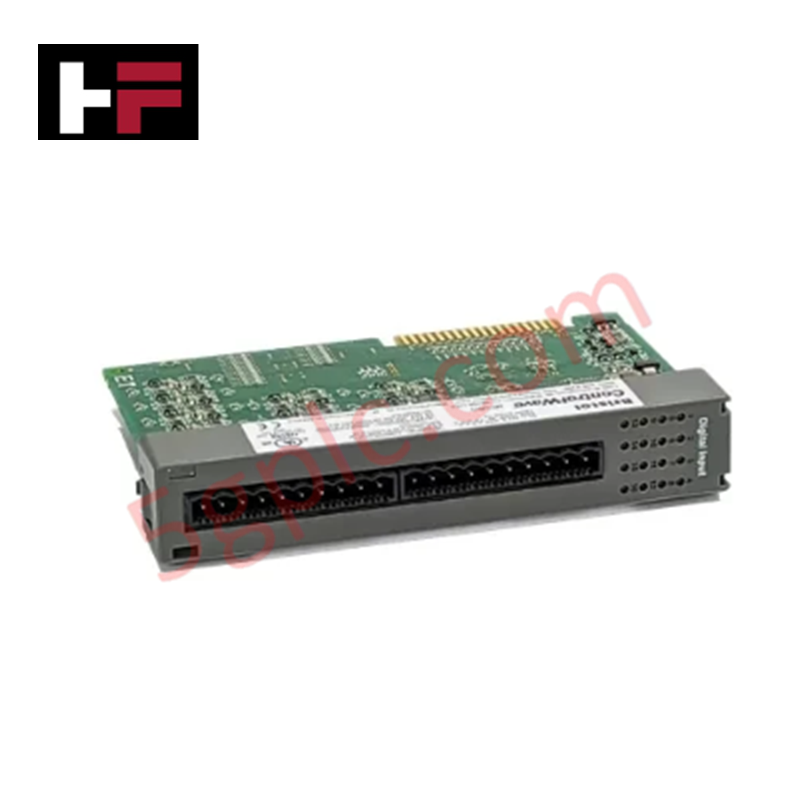
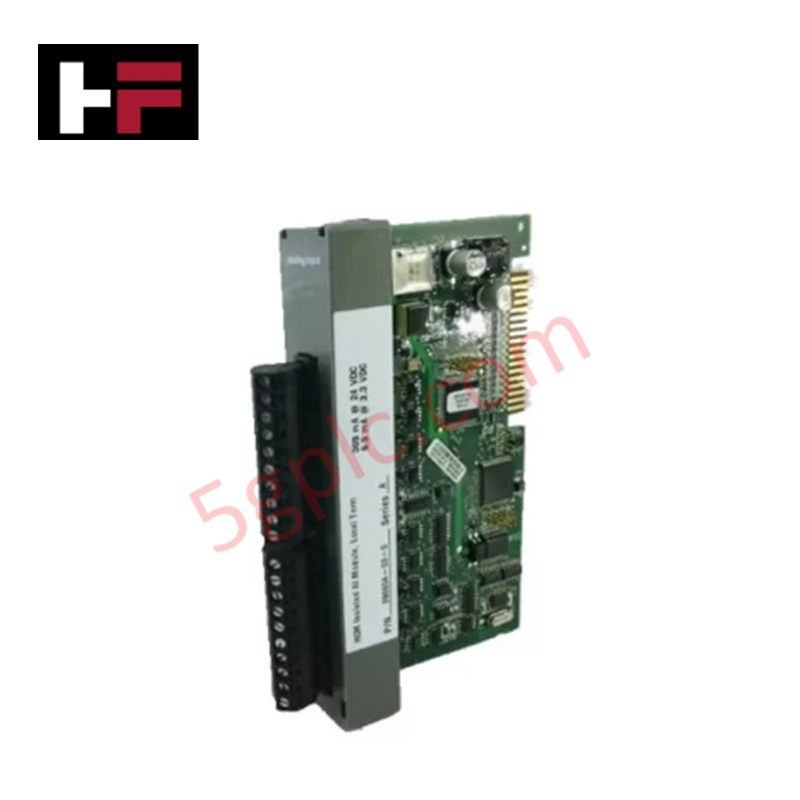
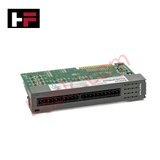
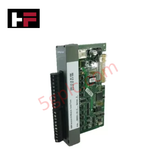
The Emerson 396563-08-0, also cataloged as the 396563 Analog Input/Output Module, operates as a dedicated hardware component for analog field signal acquisition and control output execution within ControlWave Micro systems. It interfaces 6 single-ended analog inputs and 2 analog outputs directly with the backplane processing architecture.
Hardware Specifications
| Parameter | Specification |
|---|---|
| Model | 396563-08-0 |
| Brand | Emerson |
| Base Model | 396563 |
| Origin | USA |
| Weight | Approx. 0.25 kg |
| Dimensions | Standard ControlWave Micro Slot Footprint |
| Operating Temp | -40 to 70 deg C |
| Power Consumption | System Backplane Powered |
| Analog Inputs | 6 single-ended channels, jumper configurable (4-20 mA / 1-5 VDC) |
| Analog Outputs | 2 channels, jumper configurable (4-20 mA / 1-5 VDC) |
| Output Field Voltage | 11 to 30 VDC (Externally Sourced) |
| Surge Protection | 30 VDC transorbs between signal lines and ground |
| Termination Options | Local or remote termination headers |
4-20 mA HART Loop Protocol and Channel Isolation
The 396563-08-0 module provides low-noise analog signal conversion for process loops, accommodating 4-20 mA current and 1-5 VDC voltage configurations via hardware jumpers. Dedicated 30 VDC transient voltage suppression (TVS) transorbs on each channel divert overvoltage spikes to ground, maintaining internal channel-to-channel isolation. This suppresses backplane crosstalk and protects analog processing circuits during electrical surges across 4-20 mA HART loop protocol field wiring paths.
Frequently Asked Questions
Q: How are input and output signal ranges configured on the 396563-08-0 module?
A: Each of the 6 analog inputs and 2 analog outputs features individual hardware jumpers, allowing field selection between 4-20 mA current loops and 1-5 VDC voltage signals.
Q: What power source is required to drive the analog outputs on the 396563-08-0?
A: The 2 analog output channels require an external DC power supply operating within an 11 to 30 VDC voltage range.
Q: What type of transient protection is integrated into the signal channels?
A: Onboard 30 VDC transorb surge suppressors are wired between each signal terminal and earth ground to clamp transient voltage spikes.
Field Installation Guidelines
- Power down the ControlWave Micro rack assembly prior to inserting or removing the 396563-08-0 module from its backplane slot.
- Set the onboard configuration jumpers for each input and output channel to either 4-20 mA or 1-5 VDC before installing the module.
- Wire external signal lines to either local or remote termination blocks, ensuring external 11-30 VDC field power is applied to the output loops.
- Route low-level analog input wiring in shielded, twisted-pair cables, keeping them segregated from high-voltage AC cables and motor drives.
- Connect cable shield drain wires directly to the chassis ground bus bar to optimize transient surge clamping performance.
Additional Information
- 100% Genuine Parts: All products are original and authentic, ensuring reliable industrial performance.
- 30-Day Refund Guarantee: Return any in-stock item within 30 days in original, unopened packaging for a full refund (excluding shipping and fees).
- 12-Month Warranty: Covers defects in materials or workmanship; excludes misuse, normal wear, or unauthorized modifications.
- Worldwide Shipping: We ship via USPS, UPS, FedEx, and DHL. Delivery times vary by country and may be subject to customs or import fees.
- Support & Contact: Technical and warranty assistance is available anytime. Contact us here: Contact.
- Purchase Guidance: Check product specifications and compatibility carefully before ordering to ensure proper application.




Tech & Buying Guide

Static UPS vs. Rotary UPS: Technical Evaluation for Industrial Automation

Comprehensive Guide to Noise Types in Industrial Automation and Electronics

Mitigating Emergency Stop Spurious Trips in Industrial Control Systems
Emergency stop (E-Stop) pushbuttons serve as vital safety devices in factory automation and process control plants. Functional safety standards mandate normally-closed (NC) contact blocks to ensure fail-safe operation during wiring breaks or power outages. However, mechanical degradation over time can trigger unexpected spurious trips, halting production lines without an actual emergency. Understanding the underlying causes of mechanical contact failure allows automation engineers to implement robust, fault-tolerant safety circuits.