










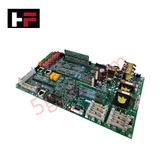
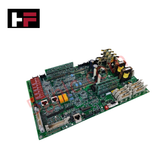
Product Details
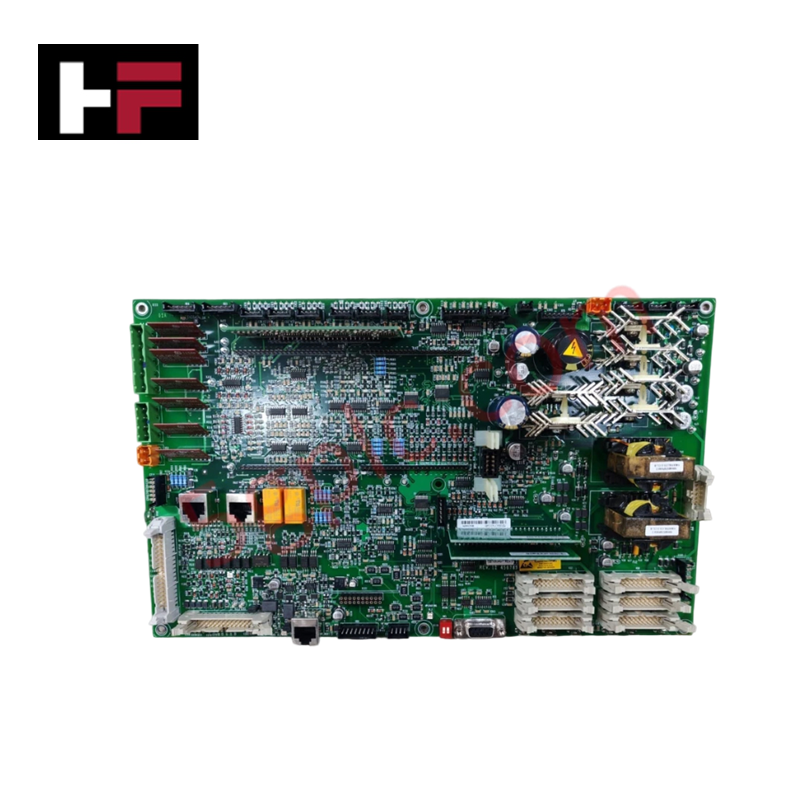
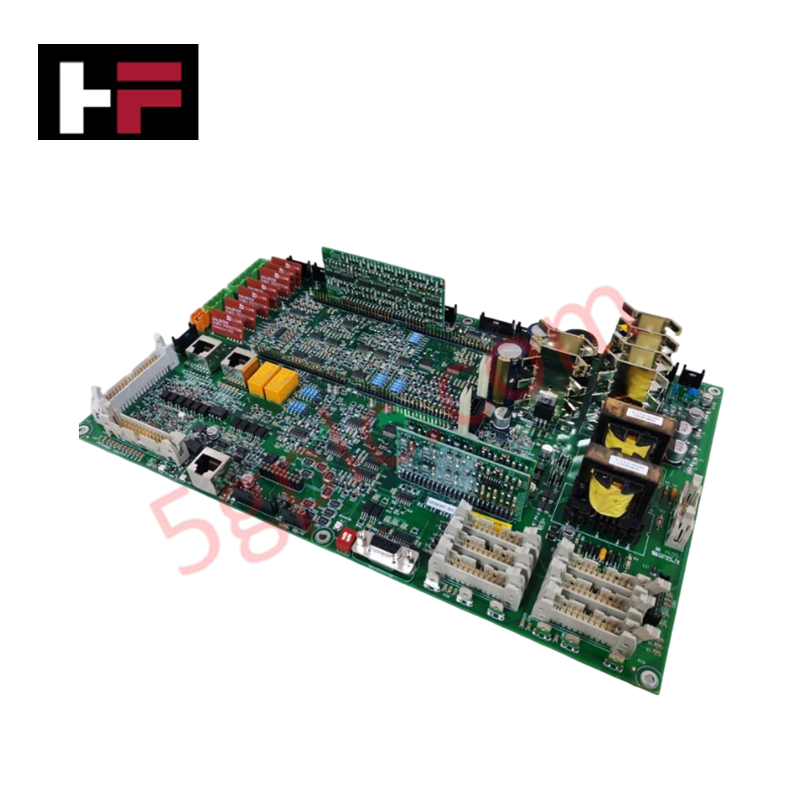
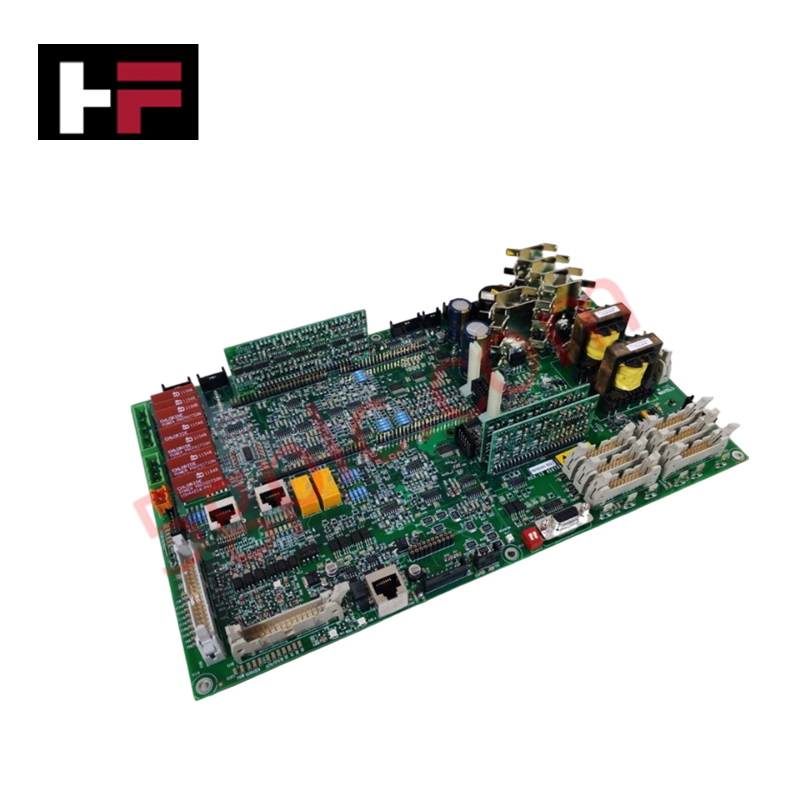
Configured for DC to AC power conversion in process control infrastructure, the Emerson 15B10934G1 (15B10893G1 Inverter Board) provides direct physical/electrical execution. It transforms direct current inputs into regulated alternating current outputs to power internal module logic and control bus interfaces.
Hardware Specifications
| Parameter | Specification |
|---|---|
| Model | 15B10934G1 |
| Brand | Emerson |
| Base Model | 15B10893G1 |
| Origin | USA |
| Weight | 0.2 lbs (0.09 kg) |
| Dimensions | 2.5 cm x 27.9 cm x 25.4 cm |
| Operating Temp | -40 to +60 deg C |
| Power Consumption | Standard system inverter load |
| Board Type | Inverter Board |
| Input Voltage | DC input (system dependent) |
| Output Voltage | Regulated AC output |
| Relative Humidity | 5% to 95% non-condensing |
| Airborne Contaminants | ISA-S71.04-1985 Class G3 |
| Shock Resistance | 10 g half-sine wave for 11 ms |
| Vibration Resistance | 1 mm peak-to-peak (2 to 13.2 Hz), 0.7 g (13.2 to 150 Hz) |
4-20 mA HART Loop Protocol and Channel-to-Channel Isolation
The 15B10934G1 inverter board isolates converted AC power outputs from primary DC input stages via integrated transformers and galvanic barriers. This isolation topology prevents ground potential differences and power switching transients from corrupting low-level analog signals across adjacent control channels, preserving line integrity for 4-20 mA HART loop protocol instruments operating within the same enclosure system.
Frequently Asked Questions
Q: What environmental standards does the 15B10934G1 inverter board meet for harsh installations?
A: The board complies with ISA-S71.04-1985 Class G3 standards for airborne contaminants and operates within a temperature envelope of -40 to +60 deg C.
Q: How are vibration and mechanical shock specifications defined for this inverter board?
A: The hardware withstands 10 g half-sine shock pulses for 11 ms duration and vibration profiles of 1 mm peak-to-peak (2 to 13.2 Hz) and 0.7 g (13.2 to 150 Hz).
Q: Does the module require dedicated external cooling fans?
A: The board relies on passive convection cooling within cabinet air spaces, provided local ambient temperatures do not exceed +60 deg C.
Field Installation Guidelines
- De-energize all primary DC supply sources before inserting or removing the inverter board from the mounting assembly.
- Verify chassis slot alignment and align board edge connectors with the backplane guide tracks.
- Seat the board firmly into the backplane receptacles to ensure complete contact engagement.
- Tighten top and bottom retaining screws to secure the board against industrial vibration profiles.
- Verify chassis grounding integrity to enable full protection against electrostatic discharge and electromagnetic interference.
Additional Information
- 100% Genuine Parts: All products are original and authentic, ensuring reliable industrial performance.
- 30-Day Refund Guarantee: Return any in-stock item within 30 days in original, unopened packaging for a full refund (excluding shipping and fees).
- 12-Month Warranty: Covers defects in materials or workmanship; excludes misuse, normal wear, or unauthorized modifications.
- Worldwide Shipping: We ship via USPS, UPS, FedEx, and DHL. Delivery times vary by country and may be subject to customs or import fees.
- Support & Contact: Technical and warranty assistance is available anytime. Contact us here: Contact.
- Purchase Guidance: Check product specifications and compatibility carefully before ordering to ensure proper application.




Tech & Buying Guide

Static UPS vs. Rotary UPS: Technical Evaluation for Industrial Automation
Comprehensive Guide to Noise Types in Industrial Automation and Electronics
Mitigating Emergency Stop Spurious Trips in Industrial Control Systems
Emergency stop (E-Stop) pushbuttons serve as vital safety devices in factory automation and process control plants. Functional safety standards mandate normally-closed (NC) contact blocks to ensure fail-safe operation during wiring breaks or power outages. However, mechanical degradation over time can trigger unexpected spurious trips, halting production lines without an actual emergency. Understanding the underlying causes of mechanical contact failure allows automation engineers to implement robust, fault-tolerant safety circuits.