










Product Details
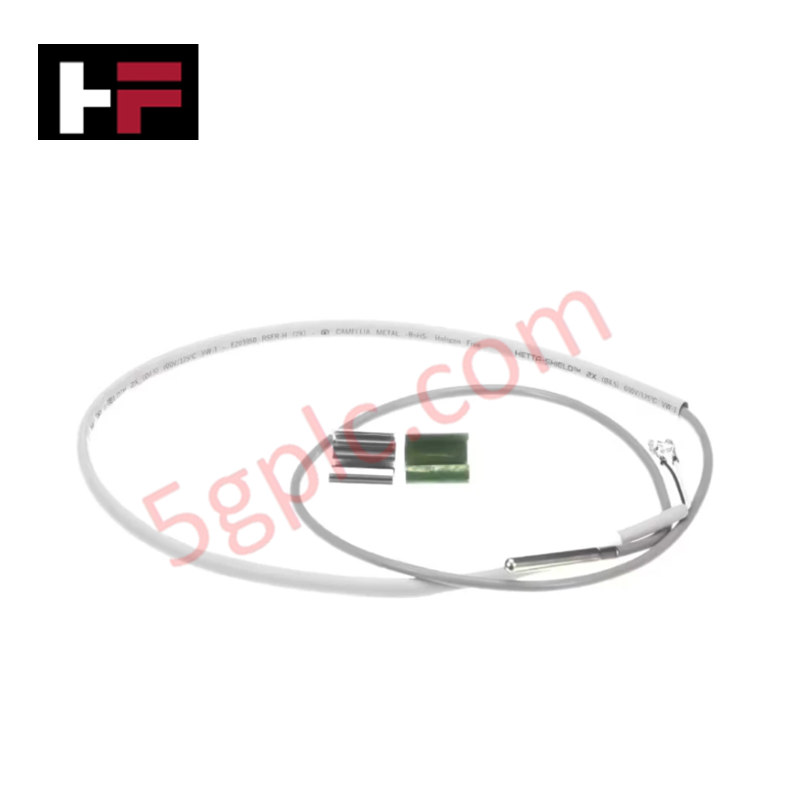
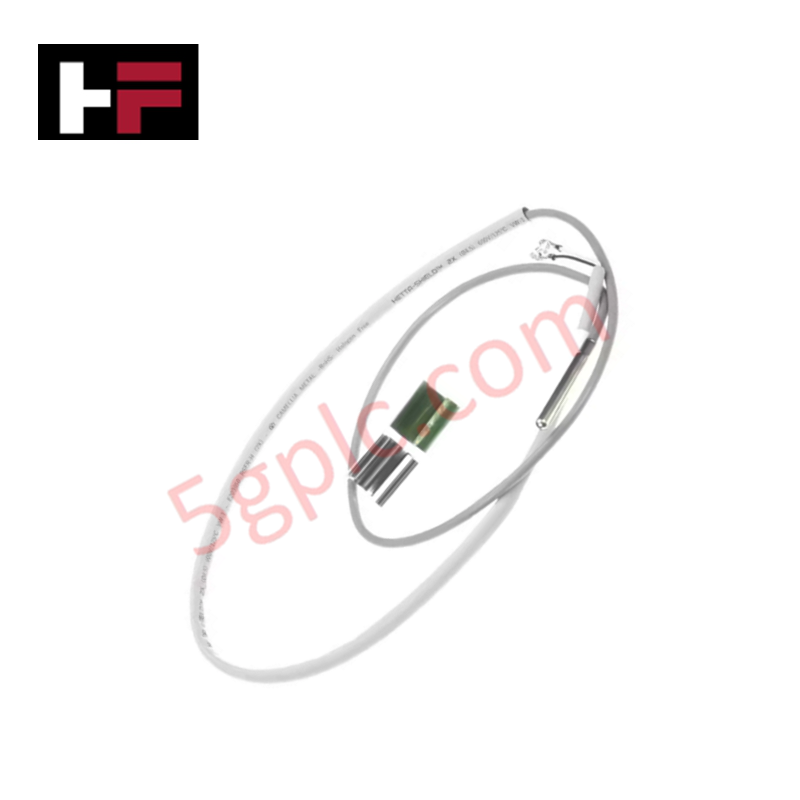
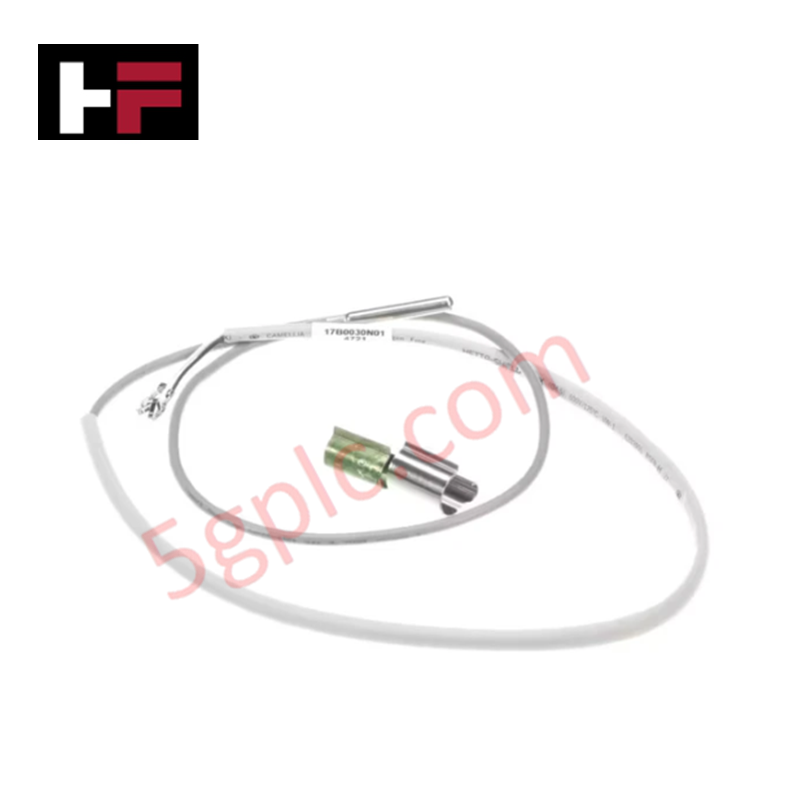
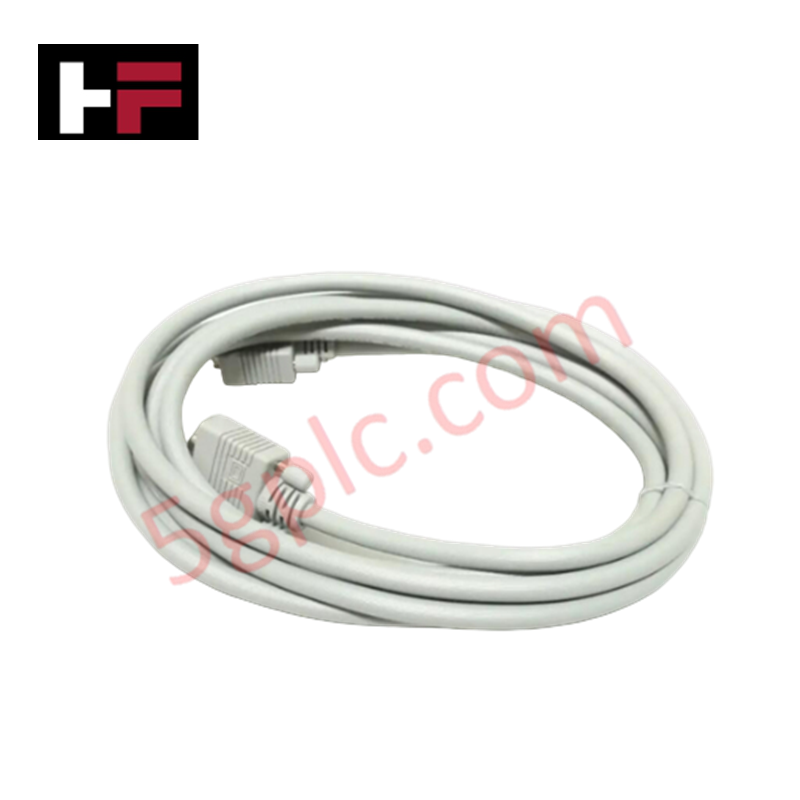
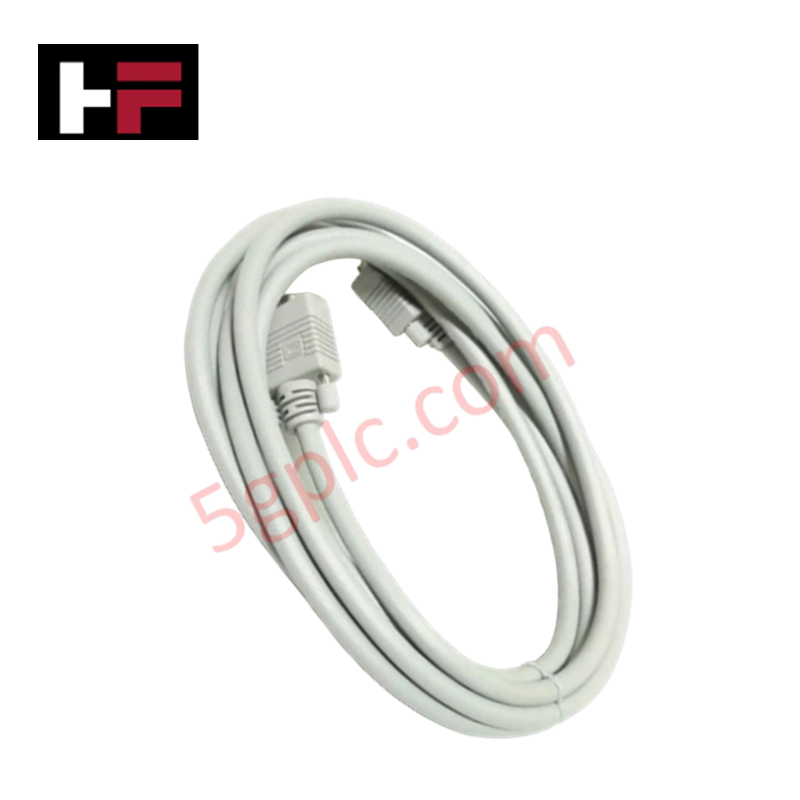
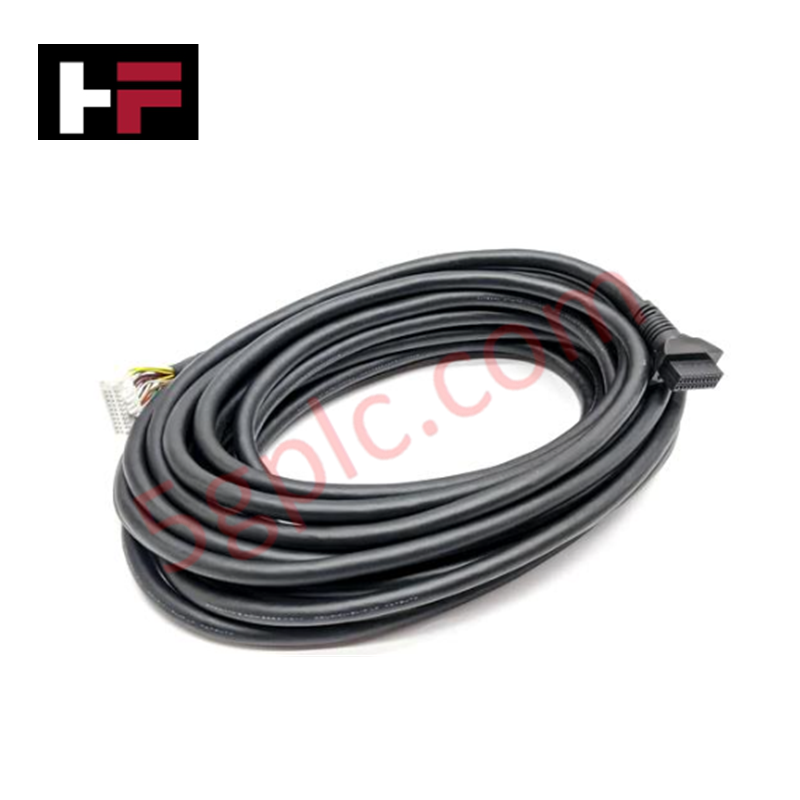
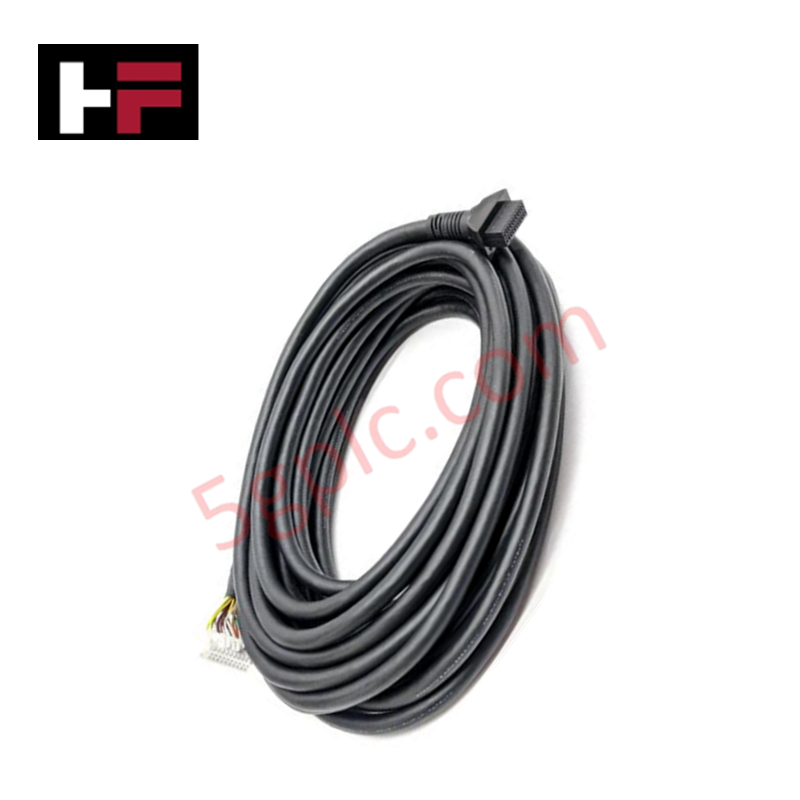
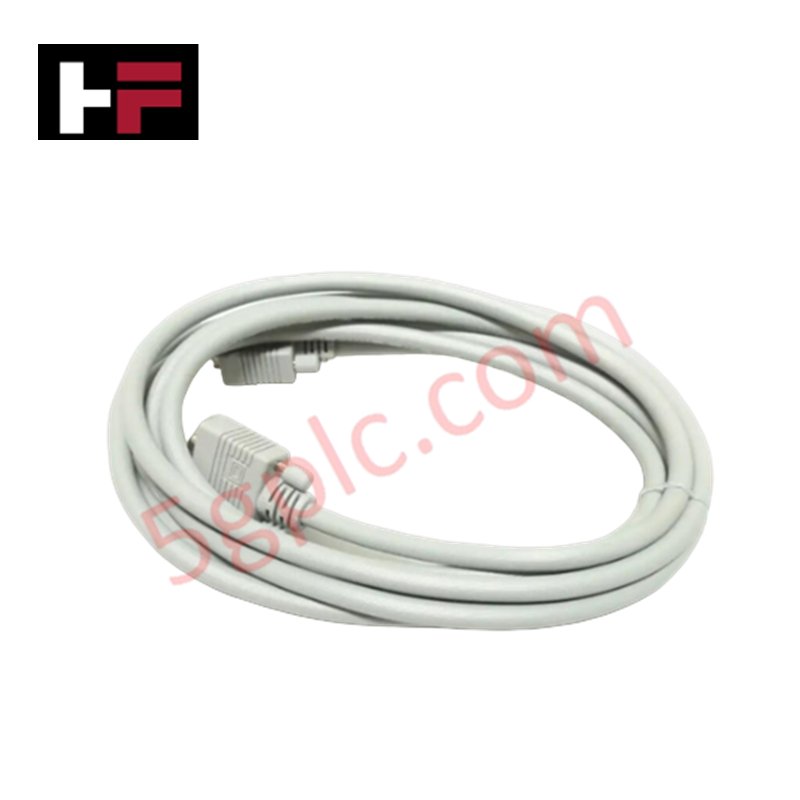
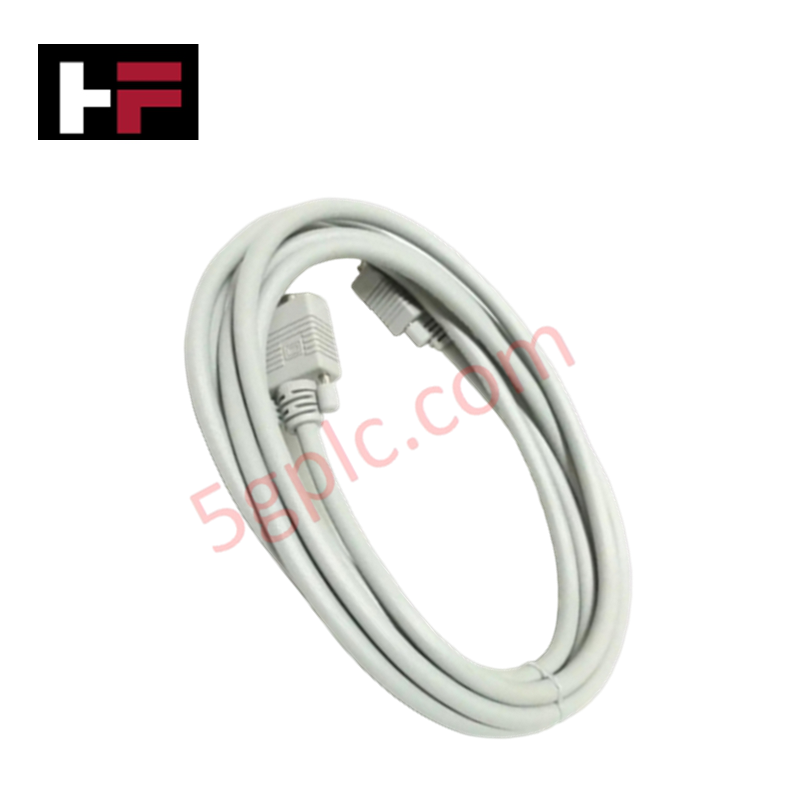
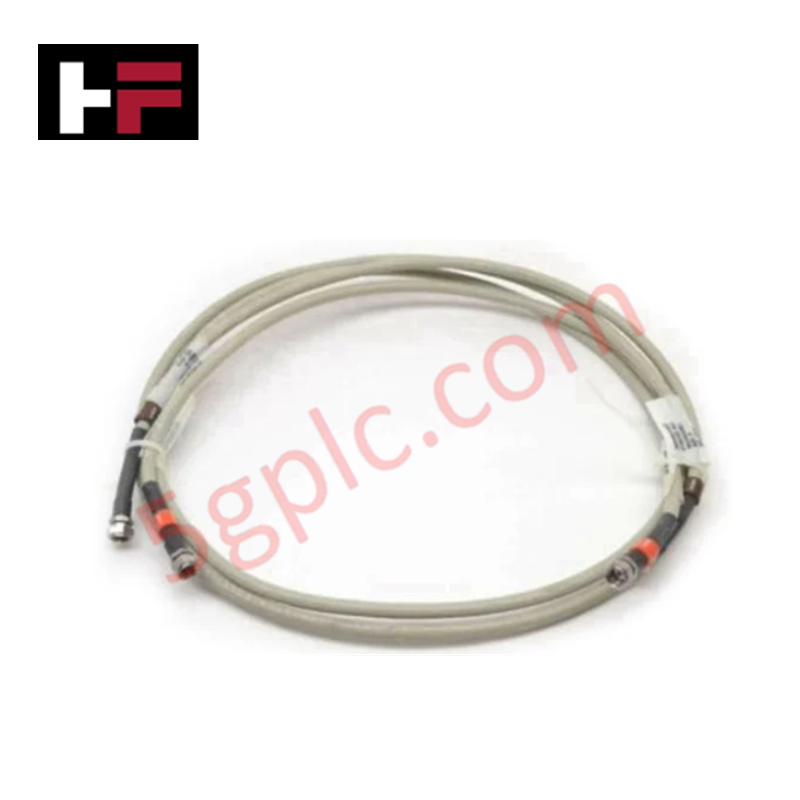
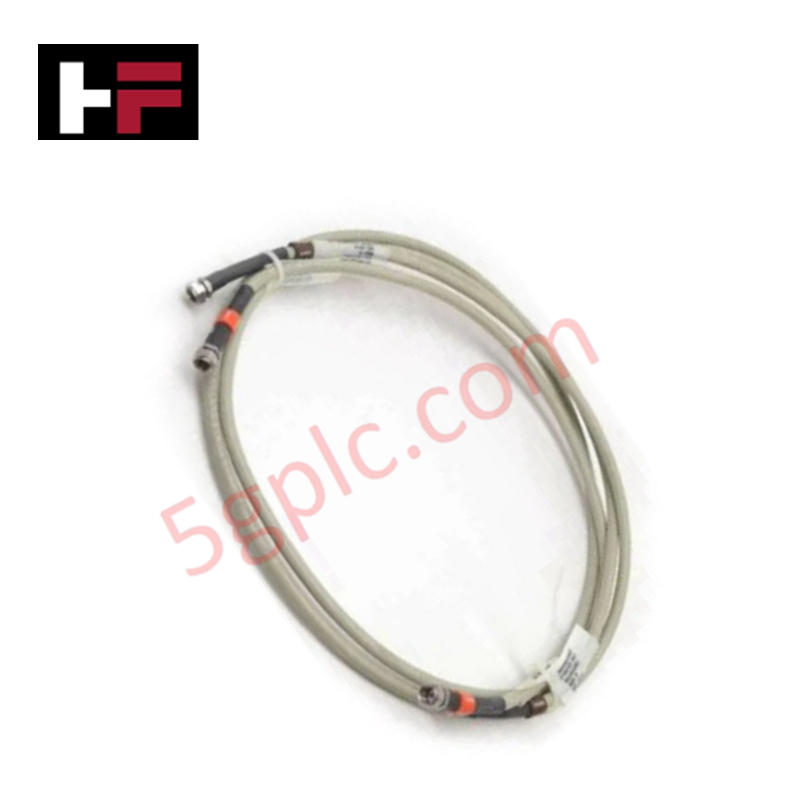
Configured for high-speed optical signal transmission in process control networks, the Honeywell E203950, also cataloged as the E203950 Duplex Zipcord Optical Fiber Cable, operates as a dedicated hardware component for dual-fiber point-to-point physical layer connections within industrial automation networks.
Hardware Specifications
| Parameter | Specification |
|---|---|
| Model | E203950 |
| Brand | Honeywell |
| Origin | USA / Global Manufacturing |
| Dimensions | 2.0 to 3.0 mm per fiber outer diameter |
| Operating Temp | Standard industrial ambient range |
| Power Consumption | Passive physical media |
| Cable Type | Duplex Zipcord Optical Fiber Cable |
| Fiber Type | Single-mode or Multi-mode (configuration dependent) |
| Jacket Rating | OFNR (Non-Conductive Riser), Low-Smoke, Flame-Retardant |
| Core Application | High-speed optical data communication |
Channel-to-Channel Isolation & Galvanic Signal Integrity
In DCS field architecture and industrial communication backbones, total electrical isolation is required to prevent ground potential loops and electromagnetic noise coupling across distributed nodes. The non-conductive dielectric construction of the Honeywell E203950 fiber optic cable eliminates high-voltage transients and ground potential differences between remote rack enclosures. By isolating transmit and receive channels in a dual zipcord physical format, the optical link maintains deterministic data transmission across harsh industrial noise fields without susceptibility to adjacent high-current motor power distribution conductors.
Frequently Asked Questions
Q: What precautions should be taken regarding the minimum bend radius during installation?
A: Maintain the manufacturer specified minimum dynamic bend radius during installation pulling to avoid micro-bending signal attenuation and mechanical stress on the inner optical glass core.
Q: Is this fiber optic cable suitable for deployment near high-voltage motor power wiring?
A: Yes, because the OFNR dielectric cable contains no metallic structural members, it is entirely immune to EMI/RFI noise coupling and can run through shared cable trays without ground potential transfer.
Field Installation Guidelines
- Pull the cable using dedicated optical fiber grips and tension limiters; do not exceed the maximum allowable pulling tension to prevent core damage.
- Maintain clean, dust-free connector end-faces using lint-free optical wipes and isopropyl alcohol before insertion into transceiver ports.
- Secure the zipcord assembly at regular intervals using wide-surface cable ties to prevent crushing or deformation of the outer OFNR flame-retardant jacket.
- Observe all local building safety codes regarding indoor riser installations and fire-stop sealing where cables pass through wall penetrations.
Additional Information
- 100% Genuine Parts: All products are original and authentic, ensuring reliable industrial performance.
- 30-Day Refund Guarantee: Return any in-stock item within 30 days in original, unopened packaging for a full refund (excluding shipping and fees).
- 12-Month Warranty: Covers defects in materials or workmanship; excludes misuse, normal wear, or unauthorized modifications.
- Worldwide Shipping: We ship via USPS, UPS, FedEx, and DHL. Delivery times vary by country and may be subject to customs or import fees.
- Support & Contact: Technical and warranty assistance is available anytime. Contact us here: Contact.
- Purchase Guidance: Check product specifications and compatibility carefully before ordering to ensure proper application.
Tech & Buying Guide

Essential Motion Control Commands: A Practical Guide for Engineers
Automation engineers often rely on precise position and speed control to drive modern factory machinery. Modern industrial systems, such as Programmable Logic Controllers (PLCs) and Distributed Control Systems (DCS), depend heavily on standardized motion instructions. Mastering these commands ensures operational safety, protects mechanical components, and optimizes cycle times across production lines.

The Role of Intrinsic Safety Barriers in PLC and DCS Architectures
Implementing robust protection in hazardous industrial environments represents a fundamental safety requirement in factory automation. Process facilities often handle volatile gases, dusts, and chemical agents that pose significant combustion risks. Consequently, control system engineers must deploy energy-limiting interfaces to isolate safe-area control cabinets from hazardous-area field instrumentation. This article examines the function, selection, and electrical principles of intrinsic safety barriers within modern PLC and DCS networks.

Architectural Selection and Scale Classification of PLC Systems in Industrial Automation
Selecting the correct control platform represents a foundational engineering decision in factory automation. System designers must carefully balance technical parameters against long-term operational requirements when implementing a Programmable Logic Controller (PLC). This article examines the critical evaluation metrics, physical scale classifications, and operational architectures of modern control systems.