










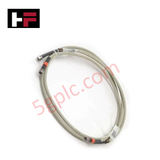
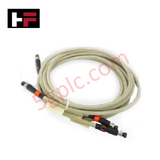
Product Details
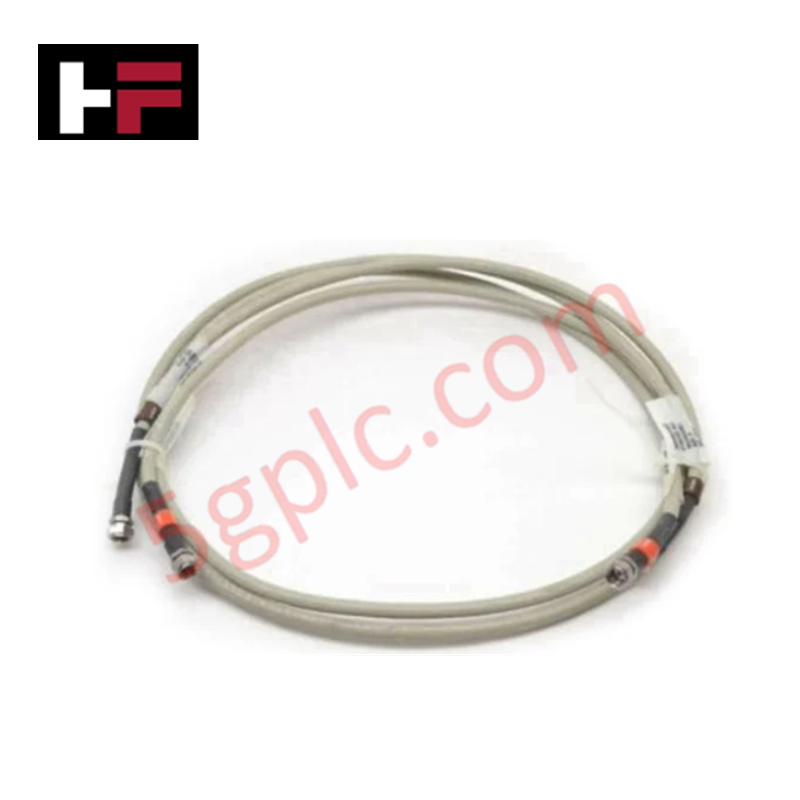
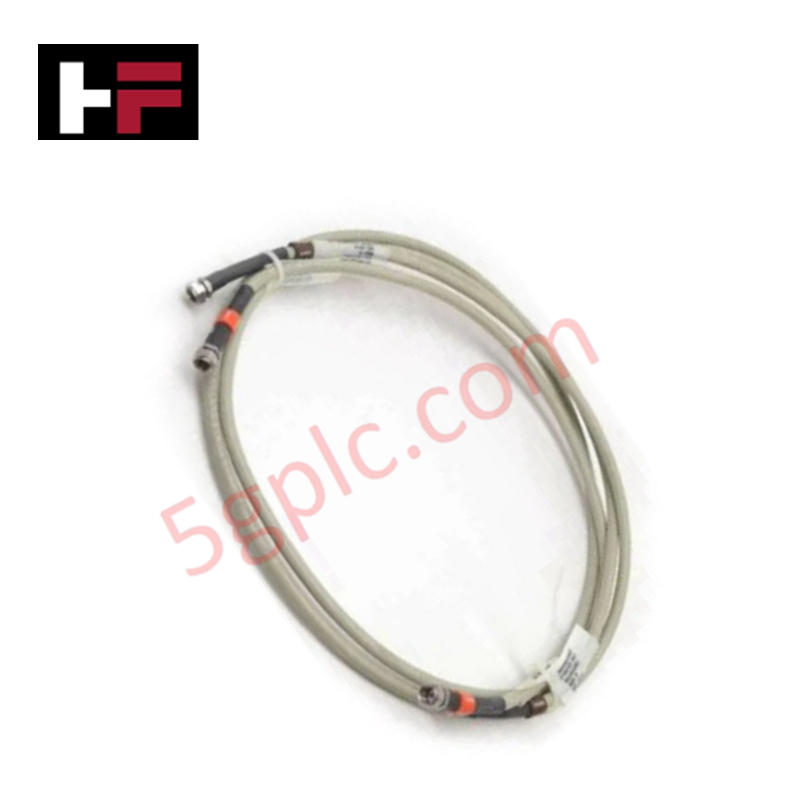
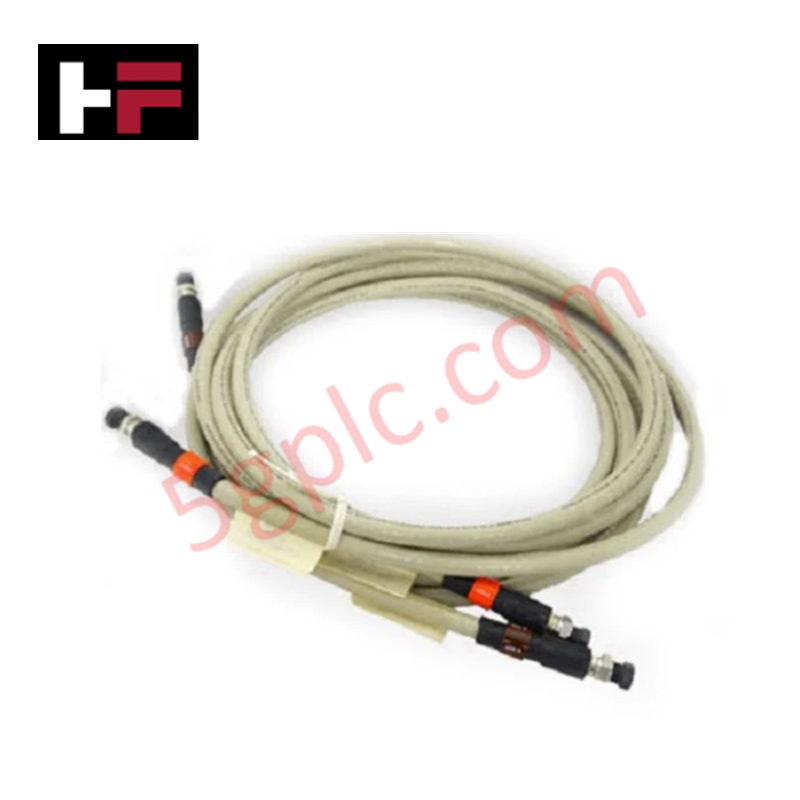
The Honeywell FS-SICC-1011/L3, also cataloged as the FS-SICC-1011/L3 FTA Interconnection Cable, operates as a dedicated hardware component for low-noise signal routing between controllers, I/O modules, and Field Terminal Assemblies (FTAs) within Honeywell Safety Manager platforms.
Hardware Specifications
| Parameter | Specification |
|---|---|
| Model | FS-SICC-1011/L3 |
| Brand | Honeywell |
| Origin | USA |
| Weight | 0.2 kg |
| Dimensions | Cable Length: 3 m (9.8 ft) |
| Operating Temp | -20 deg C to 70 deg C |
| Power Consumption | Passive Component |
| Product Type | FTA Interconnection Cable |
| Connector Type | Dual-end D-sub Connectors |
| Conductor Count | 9 cores |
| Wire Gauge | 28 AWG |
| Shield Type | Braided shield for EMI protection |
Channel Isolation and HART Loop Protocol Integration
The Honeywell FS-SICC-1011/L3 cable assembly utilizes a multi-core 28 AWG wire bundle enveloped by an overall braided shield to maintain channel isolation across high-density field termination assemblies. When transferring low-voltage discrete state transitions or analog values alongside adjacent 4-20 mA HART loop protocol lines, the braid rejects high-frequency electromagnetic interference. This shielding structure preserves signal edge integrity and limits common-mode noise propagation between system I/O racks and marshalling cabinets.
Frequently Asked Questions
Q: Can the D-sub connectors be detached for field conduit pull-through?
A: No, the D-sub connectors are factory-molded to preserve shield continuity and maintain pin contact resistance ratings.
Q: How is shield ground continuity maintained through the cable assembly?
A: The outer braid shield attaches directly to the conductive metal shells of the dual-end D-sub connectors, establishing grounding when mated with cabinet interface headers.
Field Installation Guidelines
- Inspect connector pins and shell housing for physical defects prior to installation.
- Route the 3 m cable through cabinet wireways, respecting a minimum bend radius of 10 times the cable outer diameter.
- Align D-sub connectors with mating FTA and I/O module headers, pressing firmly until seated.
- Tighten connector jack-screws to ensure mechanically stable contact and low-impedance grounding.
- Keep signal interconnection cables isolated from high-voltage AC conductors inside control cabinets.
Additional Information
- 100% Genuine Parts: All products are original and authentic, ensuring reliable industrial performance.
- 30-Day Refund Guarantee: Return any in-stock item within 30 days in original, unopened packaging for a full refund (excluding shipping and fees).
- 12-Month Warranty: Covers defects in materials or workmanship; excludes misuse, normal wear, or unauthorized modifications.
- Worldwide Shipping: We ship via USPS, UPS, FedEx, and DHL. Delivery times vary by country and may be subject to customs or import fees.
- Support & Contact: Technical and warranty assistance is available anytime. Contact us here: Contact.
- Purchase Guidance: Check product specifications and compatibility carefully before ordering to ensure proper application.




Tech & Buying Guide

Static UPS vs. Rotary UPS: Technical Evaluation for Industrial Automation

Comprehensive Guide to Noise Types in Industrial Automation and Electronics

Mitigating Emergency Stop Spurious Trips in Industrial Control Systems
Emergency stop (E-Stop) pushbuttons serve as vital safety devices in factory automation and process control plants. Functional safety standards mandate normally-closed (NC) contact blocks to ensure fail-safe operation during wiring breaks or power outages. However, mechanical degradation over time can trigger unexpected spurious trips, halting production lines without an actual emergency. Understanding the underlying causes of mechanical contact failure allows automation engineers to implement robust, fault-tolerant safety circuits.