










Product Details
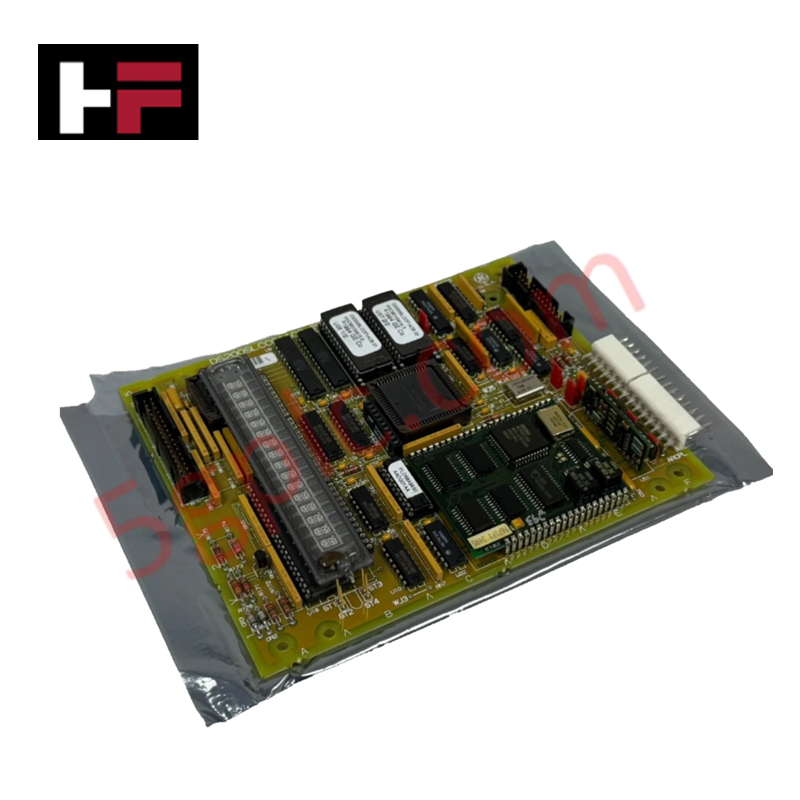
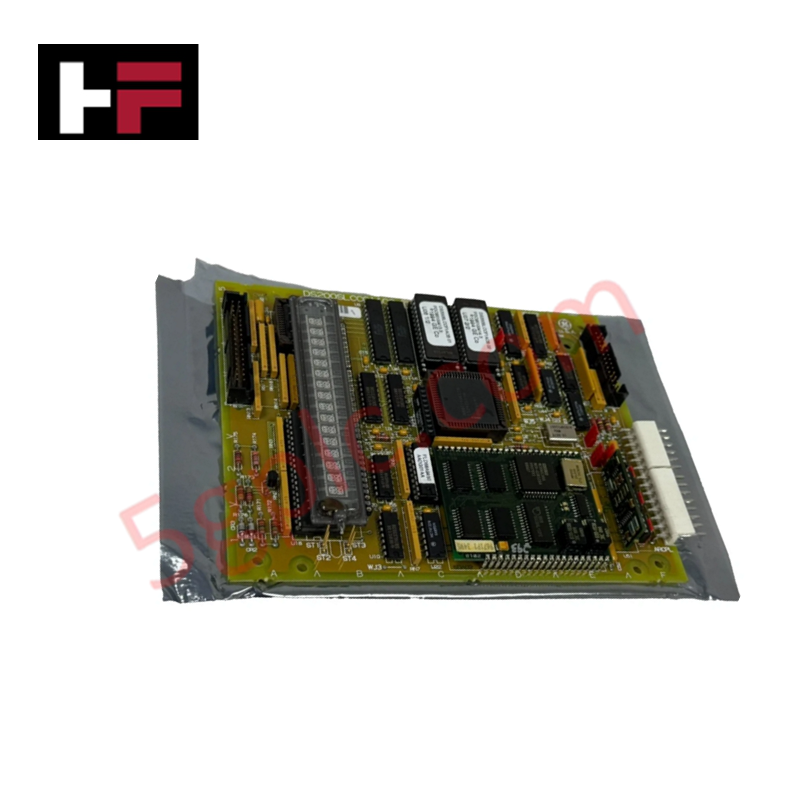
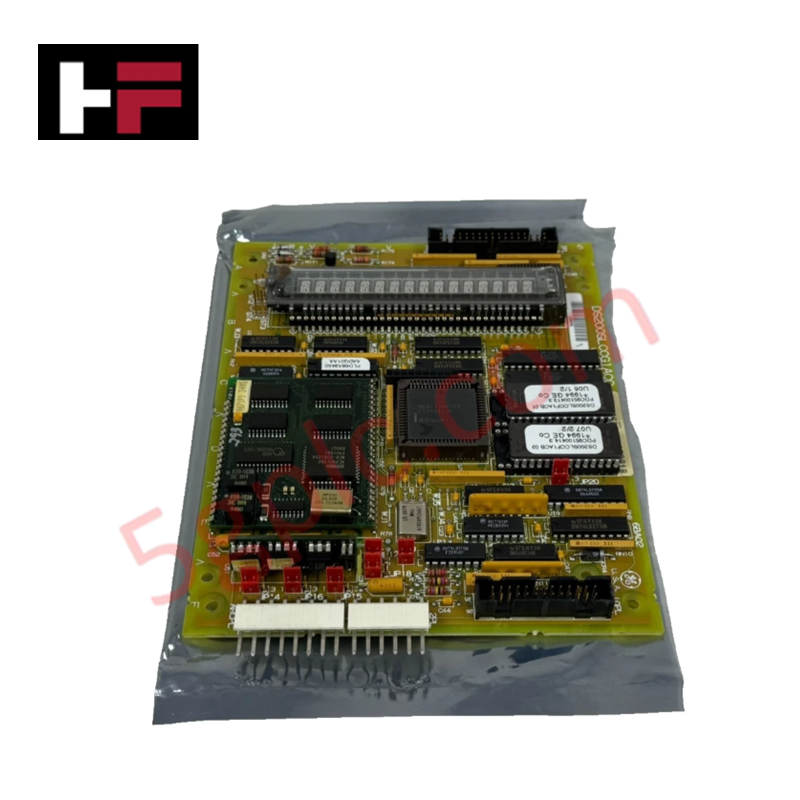
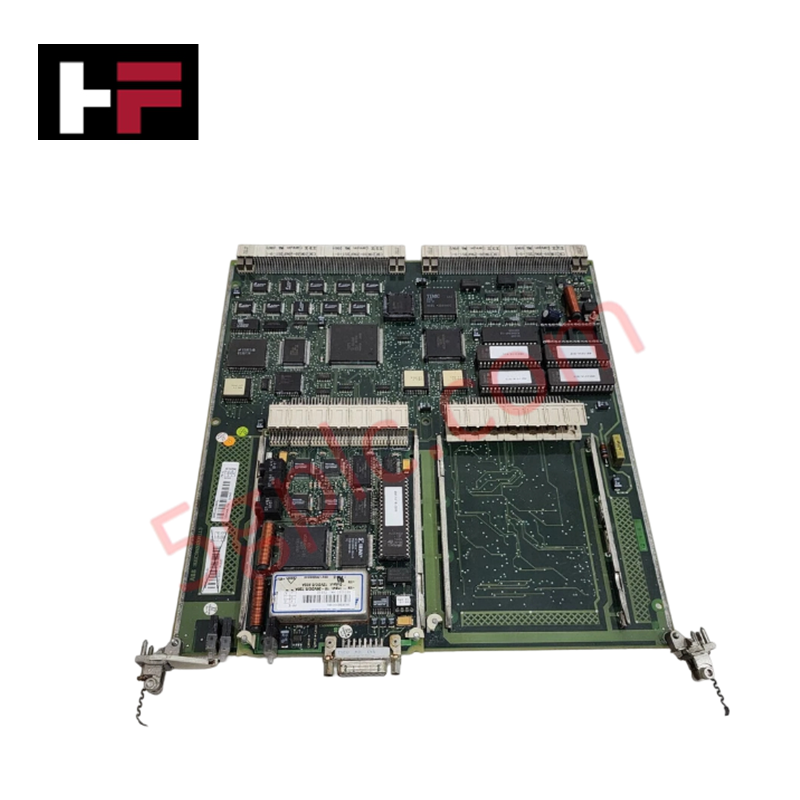
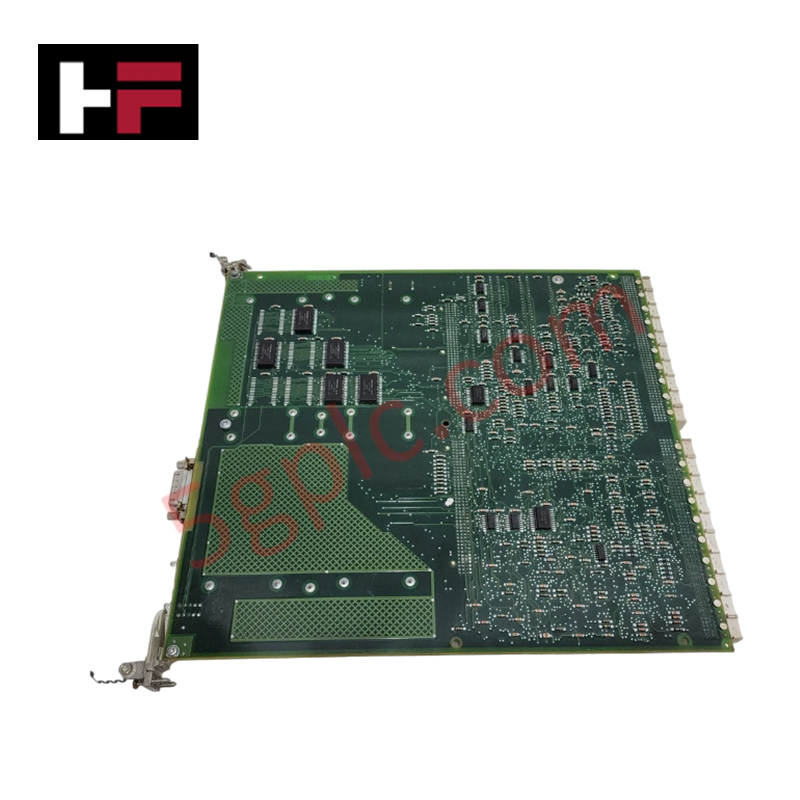
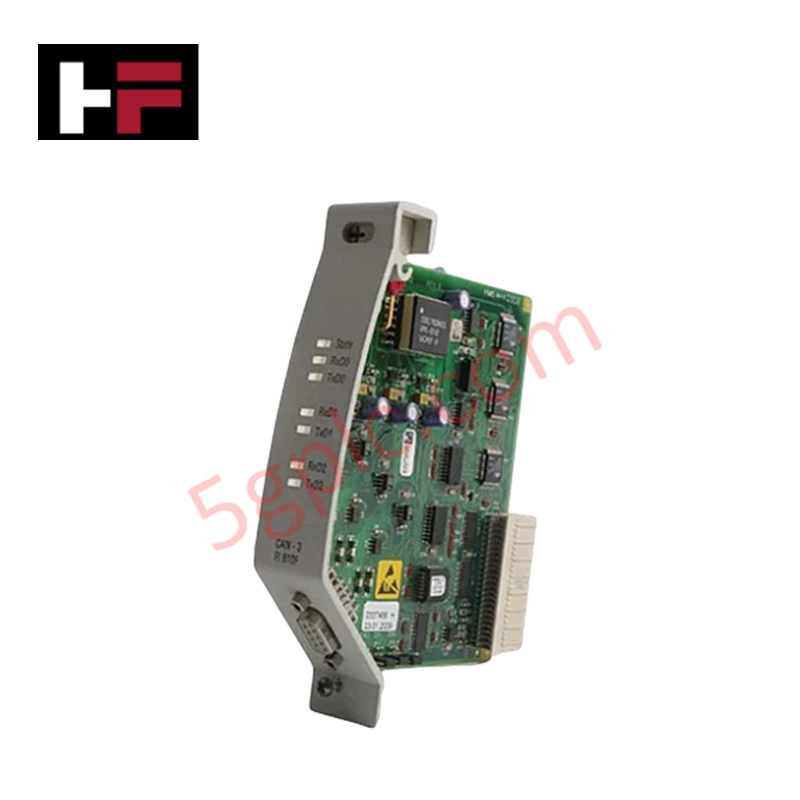
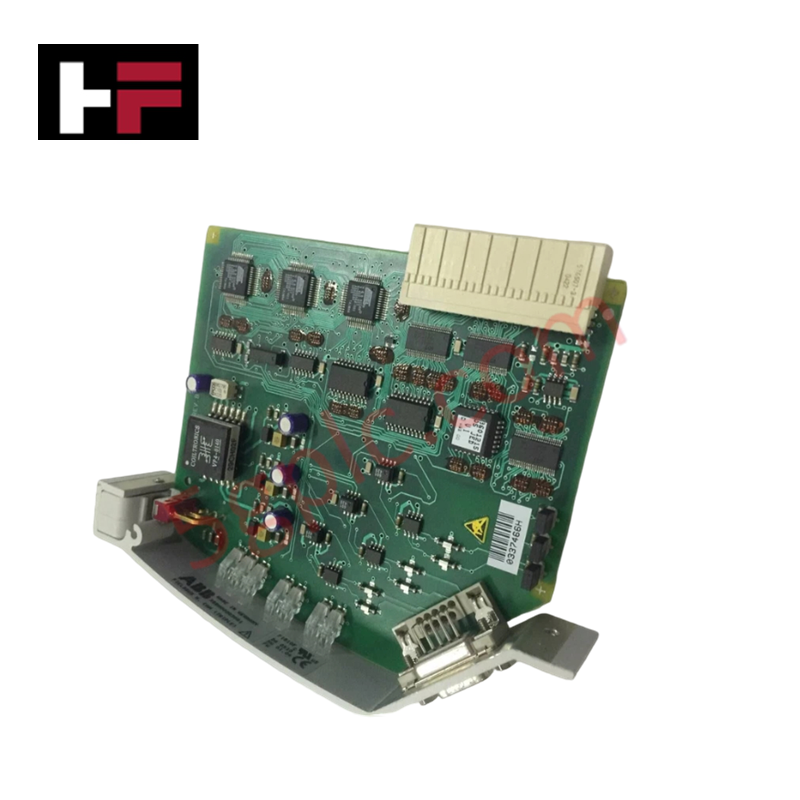
Configured for network interfacing within Mark V drive and turbine control platforms, the GE DS200SLCCG3ADC (DS200SLCCG3 LAN Communication Card) provides direct physical data exchange and local control processing.
Hardware Specifications
| Parameter | Specification |
|---|---|
| Model | DS200SLCCG3ADC |
| Brand | General Electric |
| Origin | Not specified |
| Core Components | Integrated LAN control processor (LCP), 2 EPROM memory cartridges |
Industrial Control & Firmware Compatibility
The DS200SLCCG3ADC utilizes an integrated LAN Control Processor (LCP) to manage data exchange via dual-ported RAM. For deterministic system performance, backplane bus communication velocity must be verified against the host drive control board requirements. Firmware flash compatibility is governed by the two onboard replaceable EPROM cartridges; these must maintain revision parity with the drive control board software to ensure stable network signal filtering. The module supports both isolated and non-isolated signal paths, requiring adherence to grounding standards to maintain I/O density scaling without introducing electrical noise into the communication bus.
Frequently Asked Questions
Q: How is the communication interface established between the card and the host controller?
A: The card utilizes dual-ported RAM to buffer data between the LCP and the drive control processor. This configuration allows simultaneous memory access, facilitating high-speed communication without external polling cycles.
Q: Is the onboard keypad required for module operation?
A: The detachable alphanumeric keypad is a tool for local diagnostic access and configuration. It is not required for the card to execute its primary communication functions, but it provides the interface for viewing system control settings and diagnostics.
Field Installation Guidelines
- Physical Seating: Ensure the module is securely inserted into the designated drive cabinet slot. Check for complete engagement of all pins to prevent communication errors or intermittent signal drops.
- Shielding and Grounding: The board features both isolated and non-isolated circuits. Ensure proper termination of all cable shields at the cabinet entrance to prevent electromagnetic interference (EMI) from degrading the LCP signal filtering.
- Memory Maintenance: Use ESD-safe procedures when handling EPROM cartridges. Ensure cartridges are firmly seated in their respective sockets (U6/U7) to maintain logic integrity.
- Diagnostic Check: Post-installation, attach the keypad to verify the card's initialization status. Use the provided test points to validate voltage levels if communication handshaking fails during system startup.
Additional Information
- 100% Genuine Parts: All products are original and authentic, ensuring reliable industrial performance.
- 30-Day Refund Guarantee: Return any in-stock item within 30 days in original, unopened packaging for a full refund (excluding shipping and fees).
- 12-Month Warranty: Covers defects in materials or workmanship; excludes misuse, normal wear, or unauthorized modifications.
- Worldwide Shipping: We ship via USPS, UPS, FedEx, and DHL. Delivery times vary by country and may be subject to customs or import fees.
- Support & Contact: Technical and warranty assistance is available anytime. Contact us here: Contact.
- Purchase Guidance: Check product specifications and compatibility carefully before ordering to ensure proper application.
Tech & Buying Guide
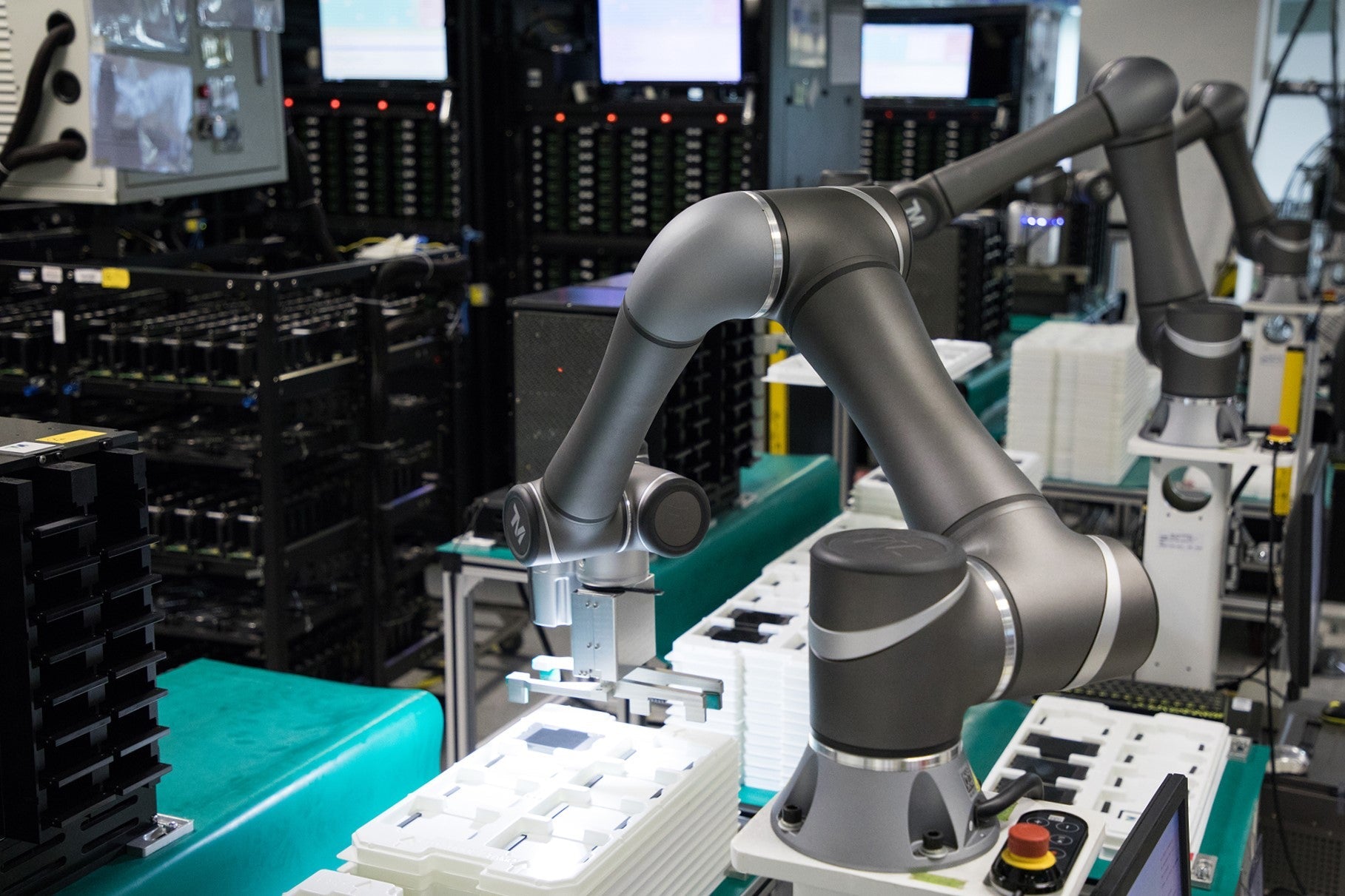
Redundant Automation Systems: Ensuring Continuous Uptime in Critical Control Infrastructure
System reliability directly determines operational profitability across high stakes process industries. Modern industrial automation platforms must eliminate single points of failure to prevent catastrophic shutdowns. Deploying fault tolerant architecture safeguards complex facilities against unexpected hardware glitches, network disruptions, and maintenance outages.

Understanding Types of Noise in Electronic Circuits and Control Systems
Signal integrity directly determines measurement accuracy and loop stability across industrial automation environments. Electronic noise introduces unwanted stochastic interference into analog loops, sensor feedback lines, and digital fieldbus networks. Understanding how intrinsic electronic noise and external electromagnetic interference manifest allows control engineers to optimize signal conditioning and shield sensitive instrumentation effectively.

Why 24V DC Power Supplies Standardize Modern Industrial Automation
Industrial control cabinets worldwide rely on 24V DC as the universal power standard for field instrumentation, sensors, and controllers. Walk into any manufacturing plant, and you will find PLCs, human-machine interfaces (HMIs), and smart actuators running on extra-low voltage DC. Standardizing on 24V DC enhances operational safety, lowers cabinet footprint, and maintains steady control performance across factory networks.