












Product Details
Product Overview
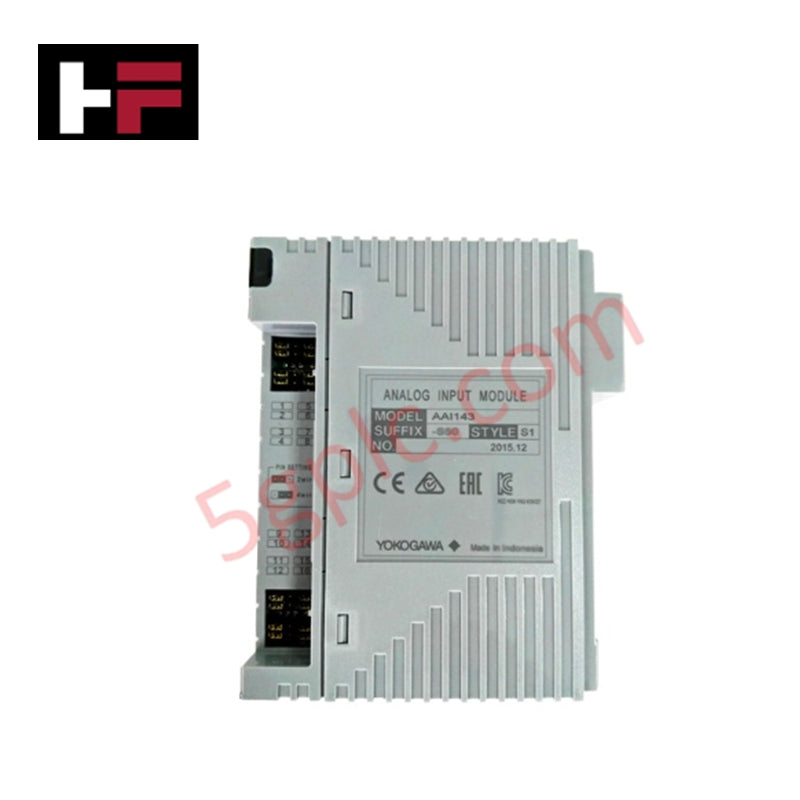
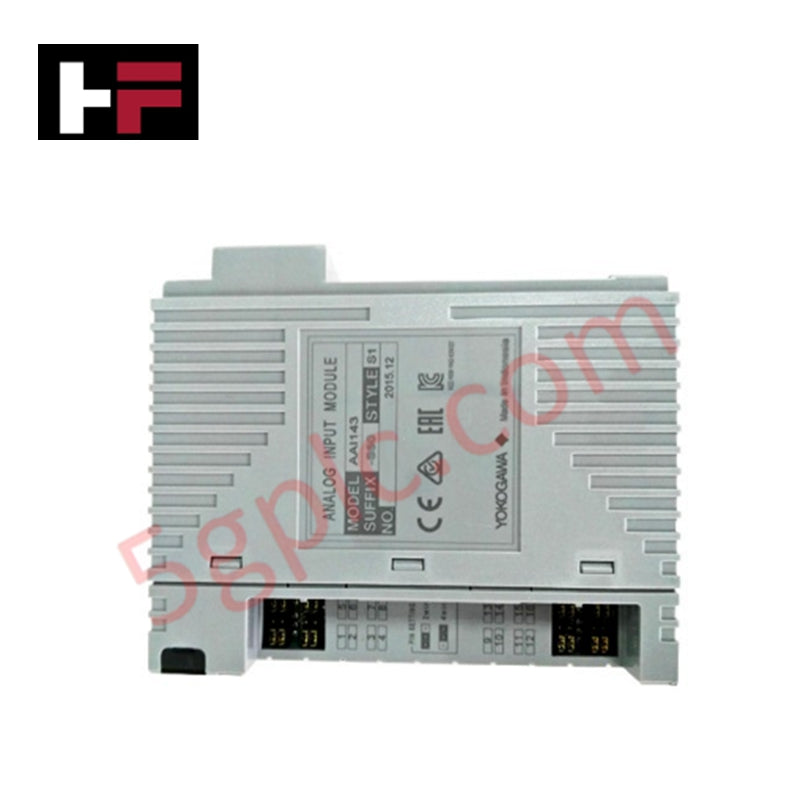
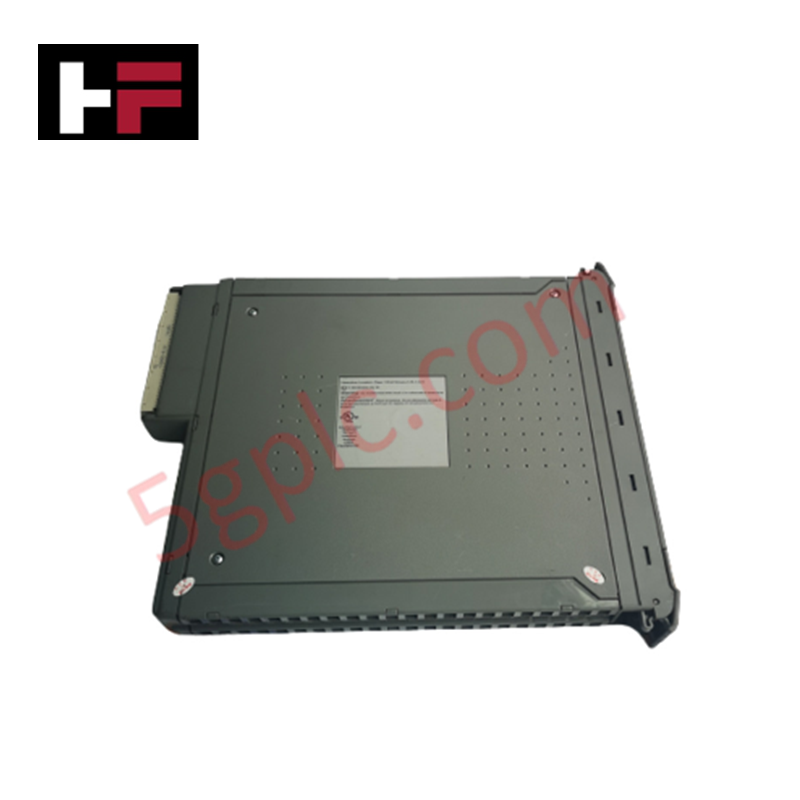
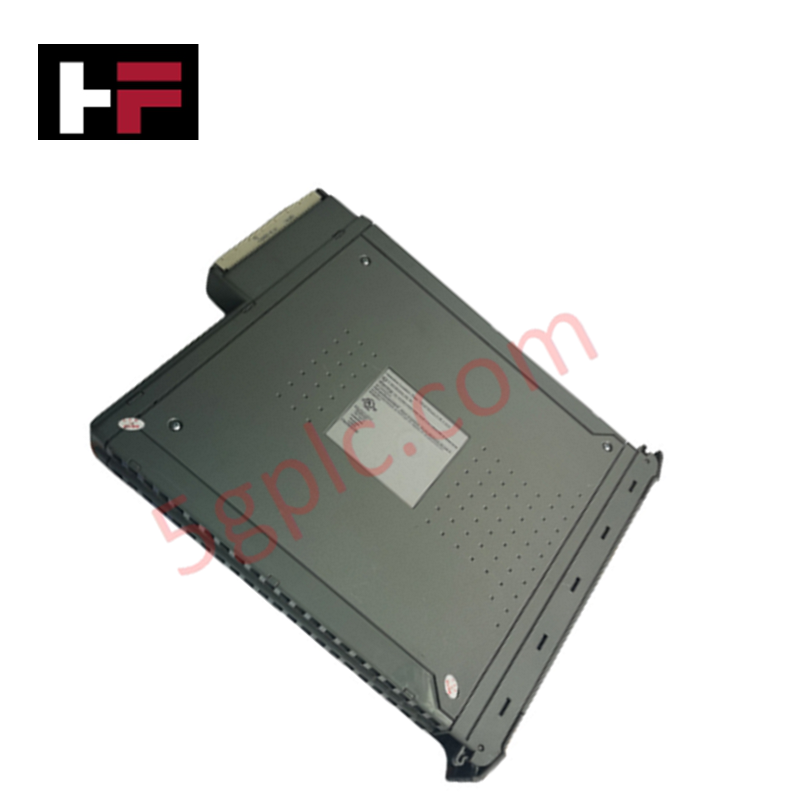
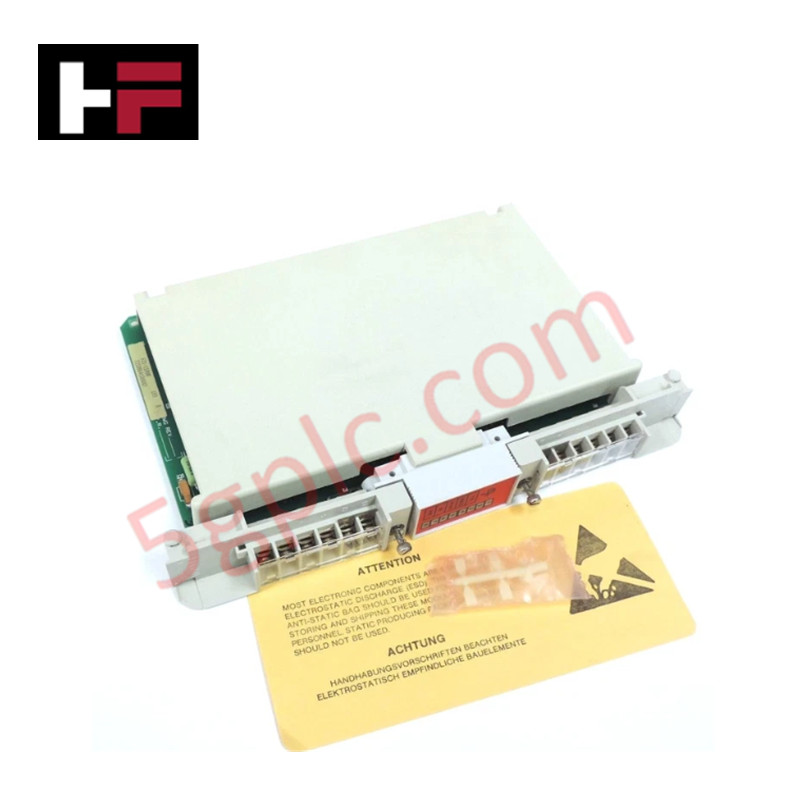
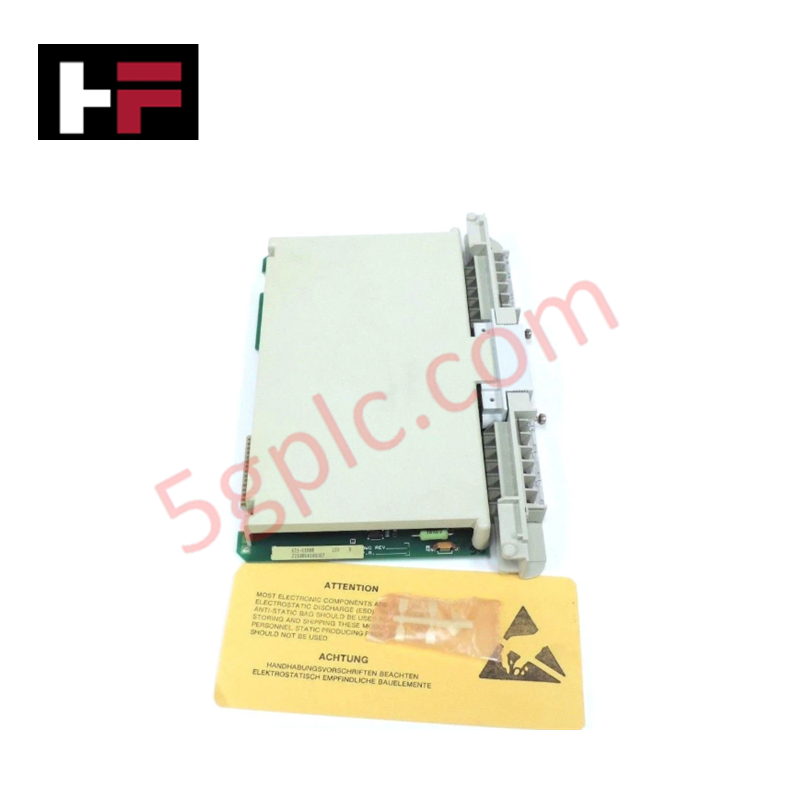
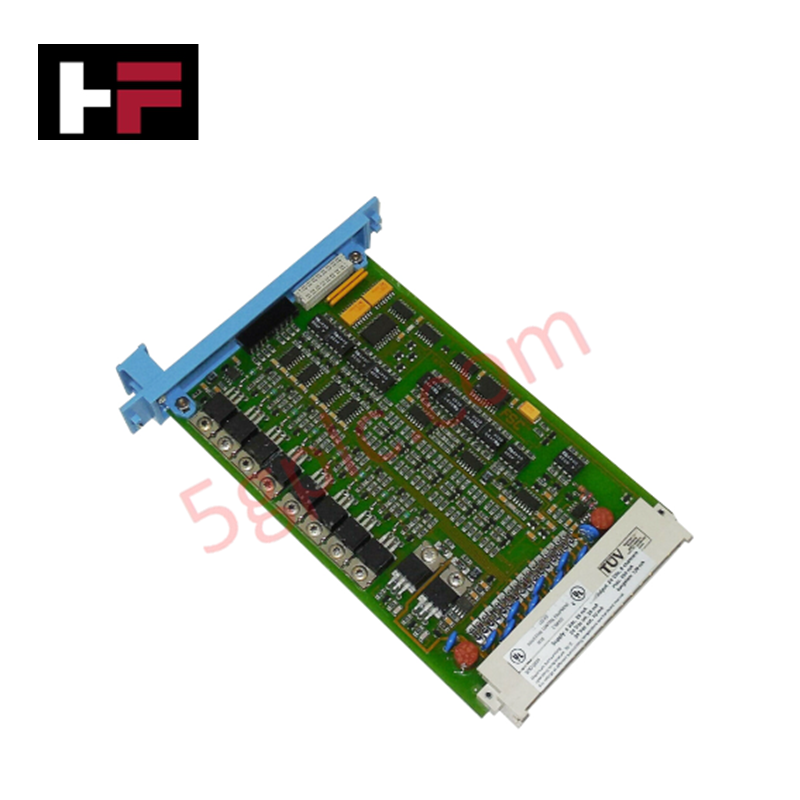
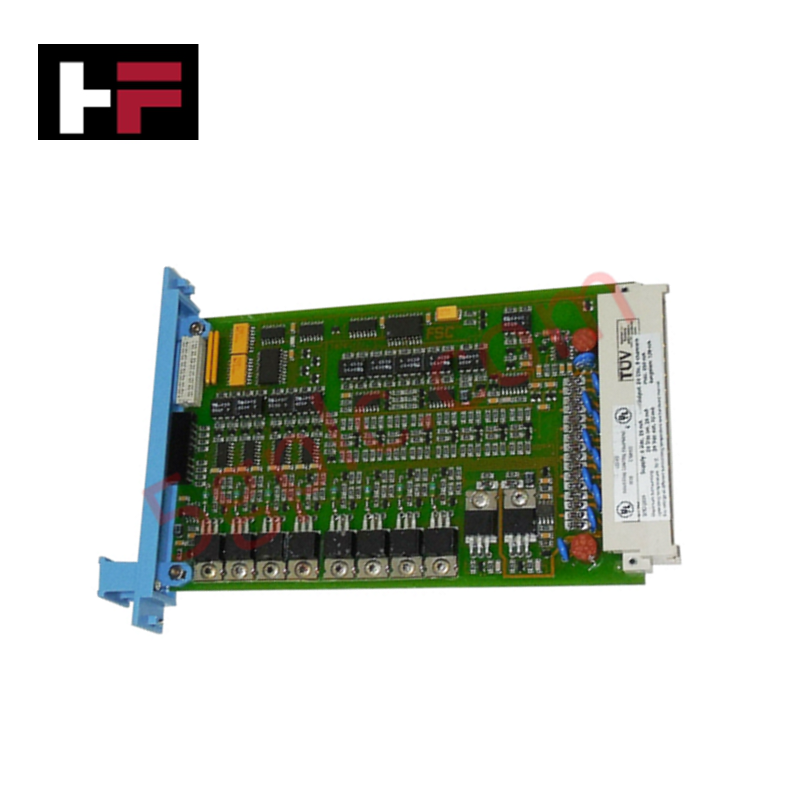
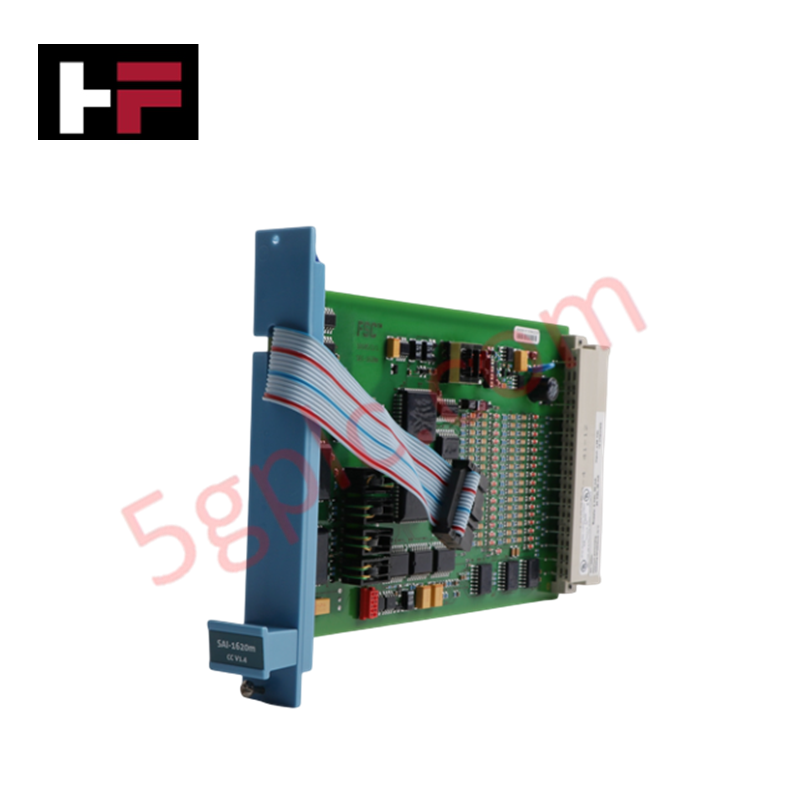
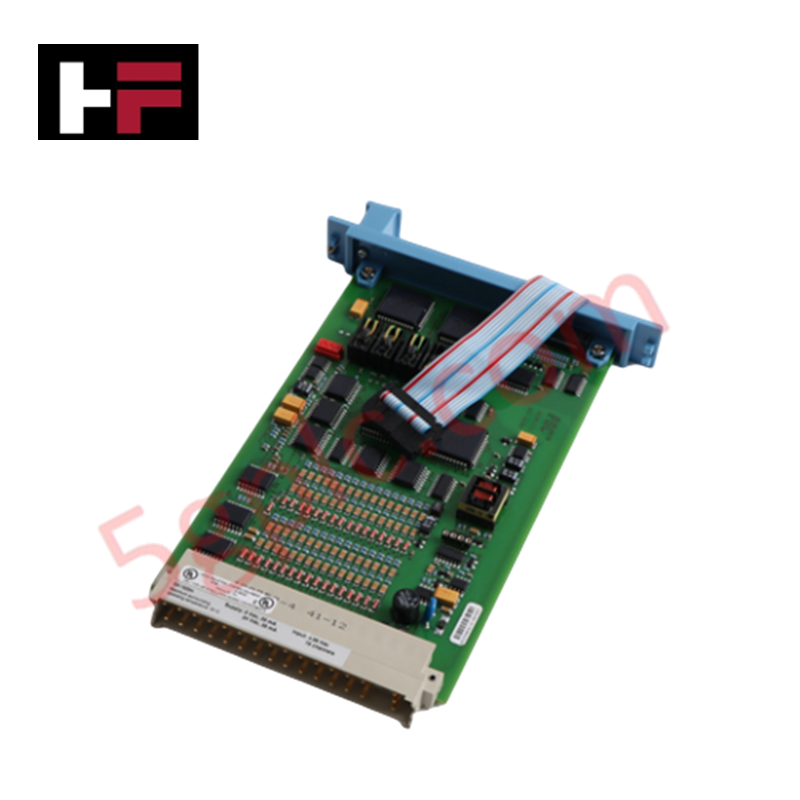
The Yokogawa AAI143-S50/A4S10 serves as a specialized 16-channel isolated analog input module designed for the CENTUM VP and CS 3000 distributed control systems. This module precisely tracks 4 to 20 mA DC signals from field transmitters, providing the high-speed data acquisition necessary for complex process loops. It functions as a critical bridge between field instrumentation and the control processor, ensuring signal integrity in demanding industrial environments.
Part Number Breakdown: AAI143-S50/A4S10
Yokogawa utilizes a suffix-based nomenclature to define specific hardware capabilities:
-
AAI143: Base model for Isolated Analog Input (4 to 20 mA, 16-channel).
-
-S: Standard type performance specification.
-
5: Standard type without explosion protection.
-
0: Basic type with no specific functional add-ons.
-
/A4S10: Indicates the inclusion of the Pressure Clamp Terminal Block for Analog (16-channel), ensuring secure field wiring without specialized tools.
Technical Specifications
We supply this module in 100% brand new, original factory condition to guarantee maximum MTBF (Mean Time Between Failure).
| Feature | Specification |
| Input Channels | 16-channel, isolated |
| Input Signal Range | 4 to 20 mA DC |
| Allowable Input Current | 25 mA DC |
| Withstanding Voltage | 500 V AC (between input and system) |
| Input Impedance | 250 ohm(during power-on) |
| Accuracy | $\pm$ 0.1% of span |
| Terminal Block | A4S10 (Pressure Clamp Type) |
| Weight | Approximately 0.4 kg (including terminal block) |
Engineering Advantages
-
Advanced Noise Immunity: Each of the 16 channels features individual isolation. This architecture prevents ground loops from propagating through the system and protects the DCS backplane from field-side electrical surges.
-
Rapid Wiring via A4S10: The /A4S10 pressure clamp terminal block eliminates the need for lug crimping. Engineers simply insert the wire and tighten, reducing cabinet assembly time by up to 40% compared to traditional screw terminals.
-
High-Density I/O Layout: The compact design allows for 16 channels in a single slot. This density maximizes cabinet space, allowing for smaller control room footprints or expanded capacity within existing enclosures.
-
Internal Diagnostics: The module continuously monitors its own health and the status of the input loops. It detects "Out of Range" signals and internal hardware failures instantly, triggering system alarms before process deviations occur.
FAQs
-
Can the AAI143-S50/A4S10 handle 2-wire transmitter power?
This module primarily receives 4-20 mA signals. If you are powering 2-wire transmitters directly through the module, ensure your system configuration accounts for the loop power supply requirements typical of Yokogawa's AAI series.
-
What is the difference between the -S50 and the -H50 versions?
The "-S" denotes a standard speed type, while the "-H" version offers high-speed sampling. For most standard process control loops (Temperature, Level, Pressure), the AAI143-S50 provides more than sufficient response times.
-
Does the /A4S10 terminal block come pre-installed?
Yes, our "Brand New" units typically ship with the specified /A4S10 terminal block attached, allowing for immediate installation upon unboxing.
-
Is this module compatible with HART communication?
The AAI143 is a standard analog input module. For HART digital signal pass-through, you should verify if your system requires the AAI141 or AWP series with HART capabilities.
Additional Information
- 100% Genuine Parts: All products are original and authentic, ensuring reliable industrial performance.
- 30-Day Refund Guarantee: Return any in-stock item within 30 days in original, unopened packaging for a full refund (excluding shipping and fees).
- 12-Month Warranty: Covers defects in materials or workmanship; excludes misuse, normal wear, or unauthorized modifications.
- Worldwide Shipping: We ship via USPS, UPS, FedEx, and DHL. Delivery times vary by country and may be subject to customs or import fees.
- Support & Contact: Technical and warranty assistance is available anytime. Contact us here: Contact.
- Purchase Guidance: Check product specifications and compatibility carefully before ordering to ensure proper application.
Tech & Buying Guide

The Shift to Flexible IO Modules in Modern Industrial Automation
Traditional control systems rely on dedicated Input Output (IO) cards for industrial automation. Each conventional module processes a single signal type, such as Digital Input (DI), Digital Output (DO), Analog Input (AI), or Analog Output (AO). A standard 16-channel card accepts only one specific channel type across all ports. This inflexible hardware design often creates severe engineering bottlenecks during project execution. Engineers frequently must install entirely new cards to accommodate a single extra sensor. Consequently, late design changes increase control cabinet space requirements and drive up project costs.

DCS Commissioning Steps in Industrial Automation Projects
Commissioning a Distributed Control System (DCS) represents a crucial milestone when deploying modern process automation infrastructure. Field engineers must execute systematic verification steps to transition complex control hardware from static installation to dynamic plant control. Proper commissioning ensures that controllers, I/O modules, network switches, and HMI software operate in strict compliance with engineering design specifications before introducing live process fluids.

PLC and DCS Control System Spares Strategy: Engineering Guidelines
Modern factory automation relies on high-speed fiber optic backbones to link distributed control systems across noise-intensive industrial environments. Unlike copper wiring, optical fibers transmit data via light pulses, making them completely immune to electromagnetic interference (EMI). Field engineers must master optical cable joining and fusion splicing techniques to guarantee low-loss data transmission across critical Programmable Logic Controller (PLC) and Distributed Control System (DCS) nodes.