










Product Details
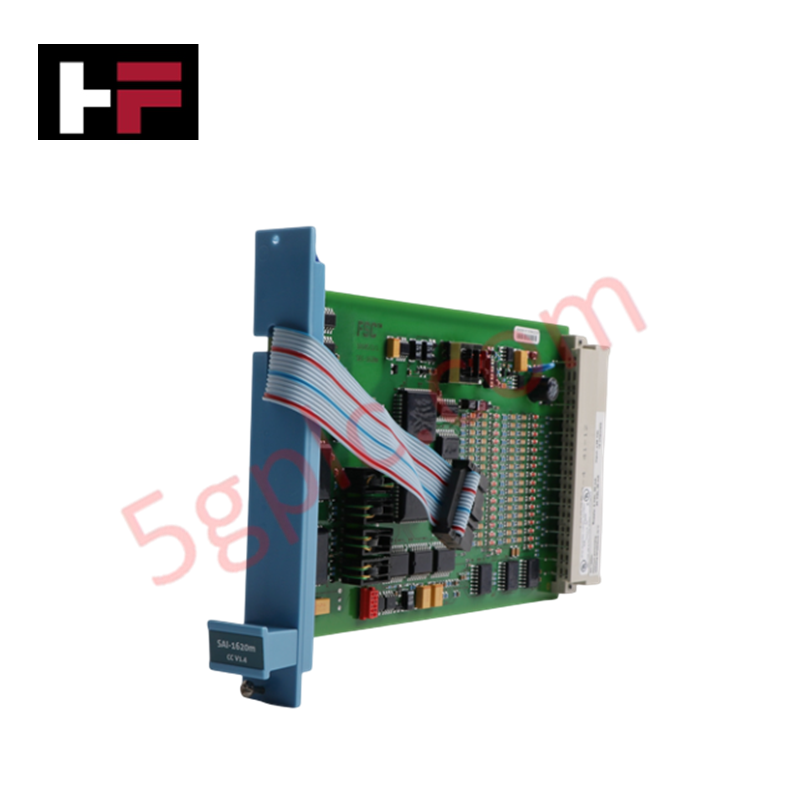
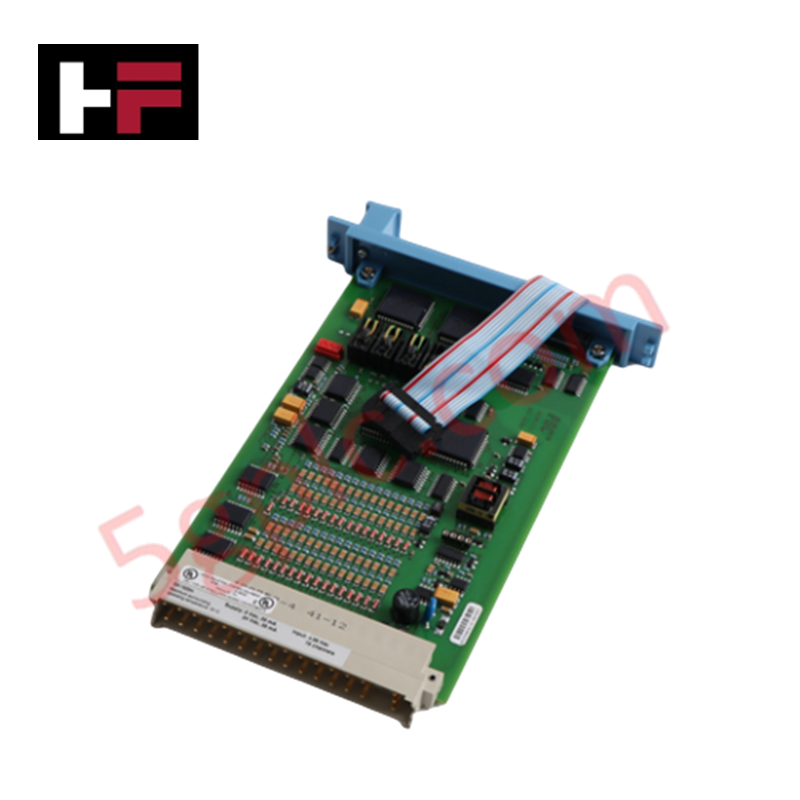
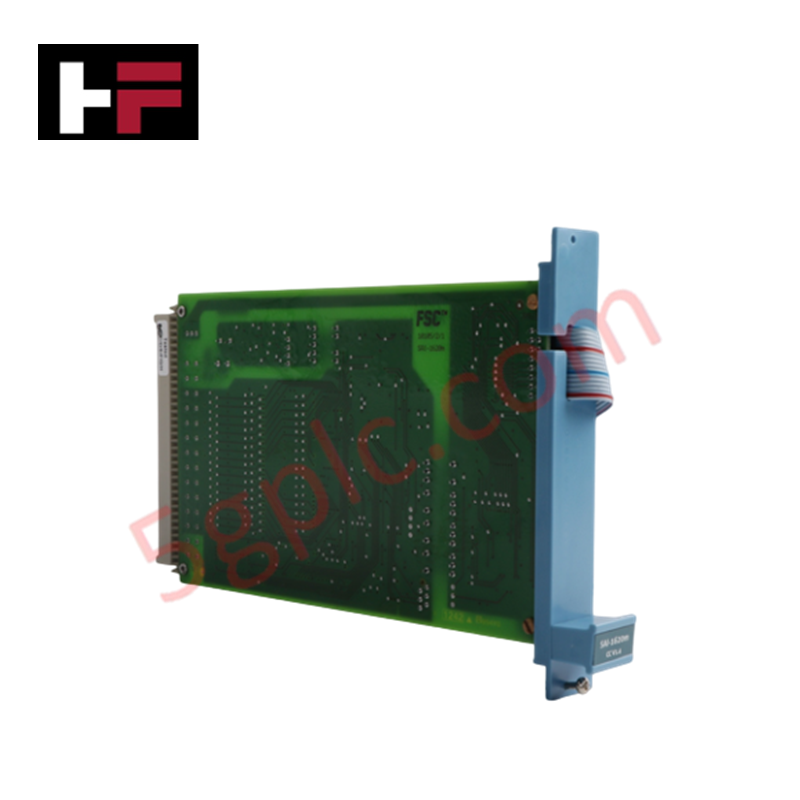
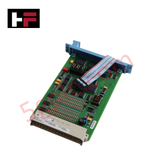
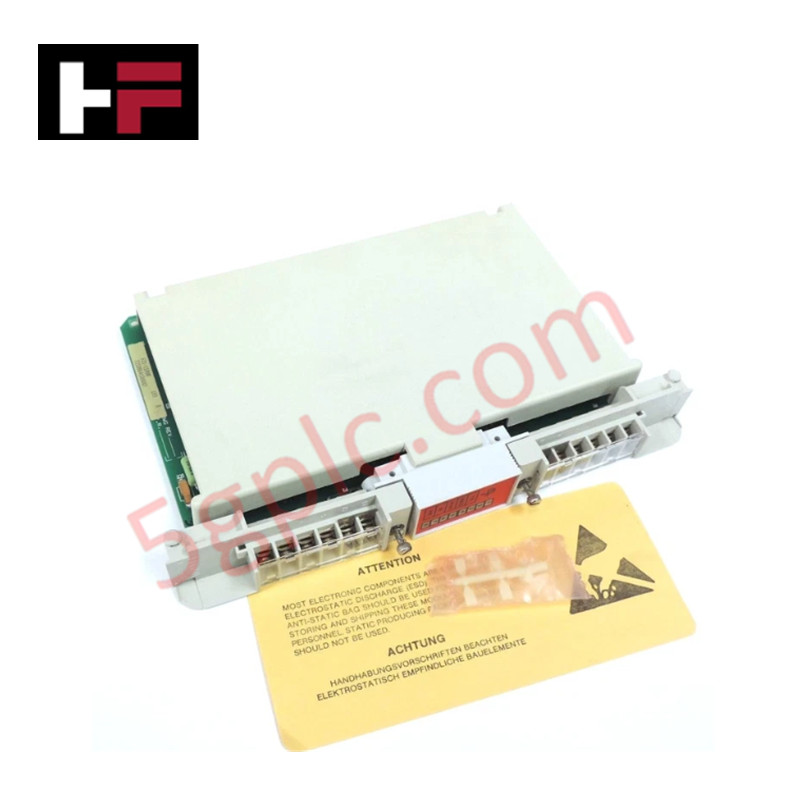
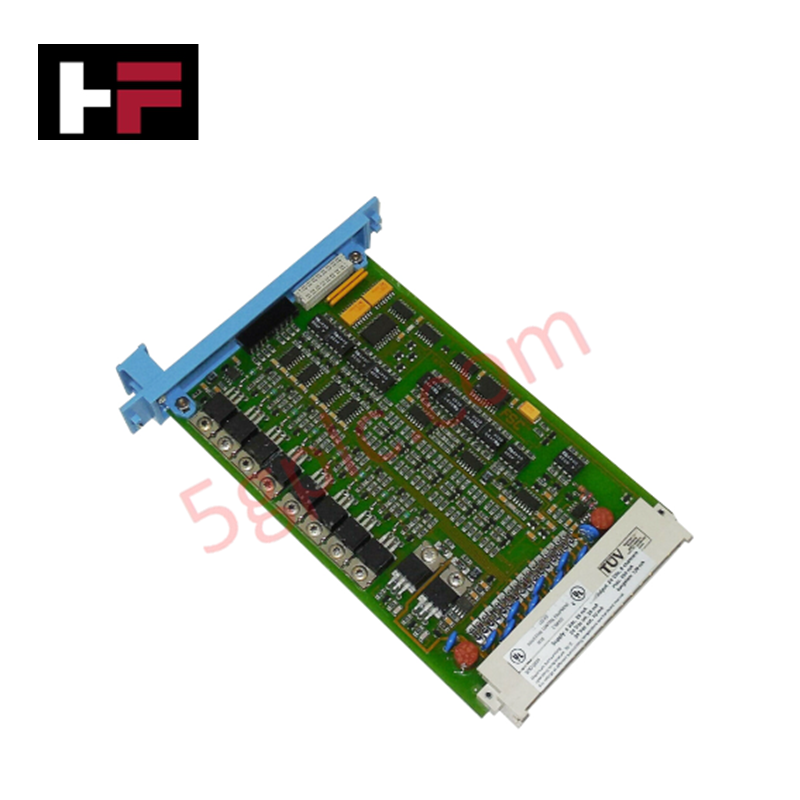
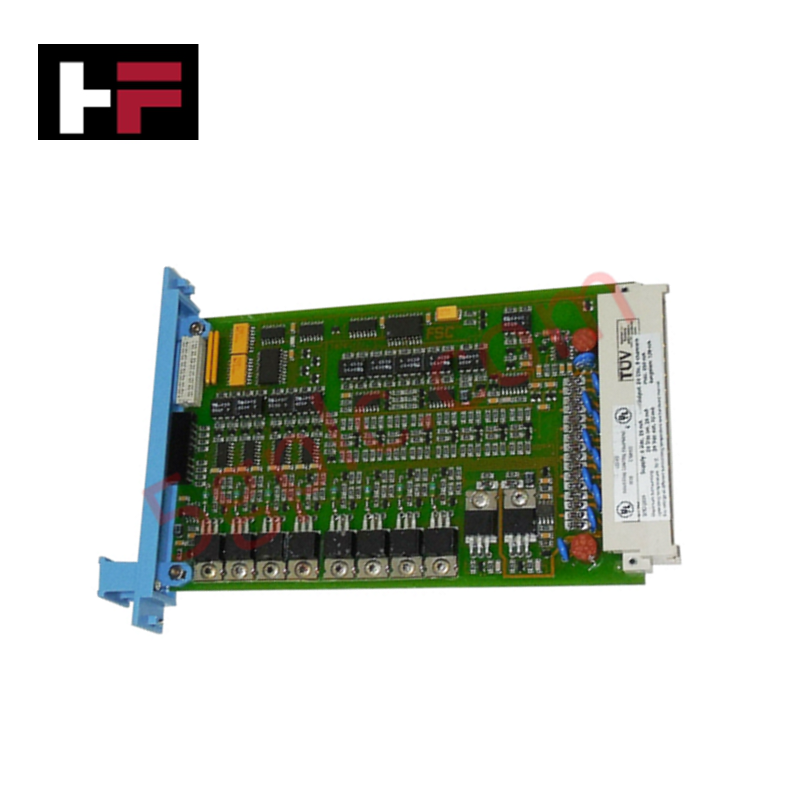
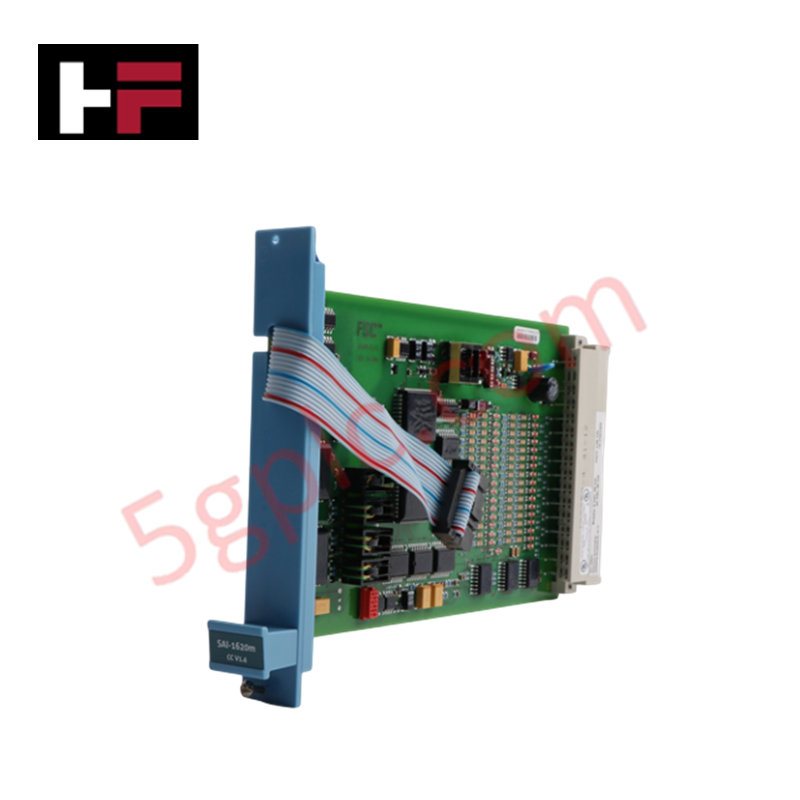
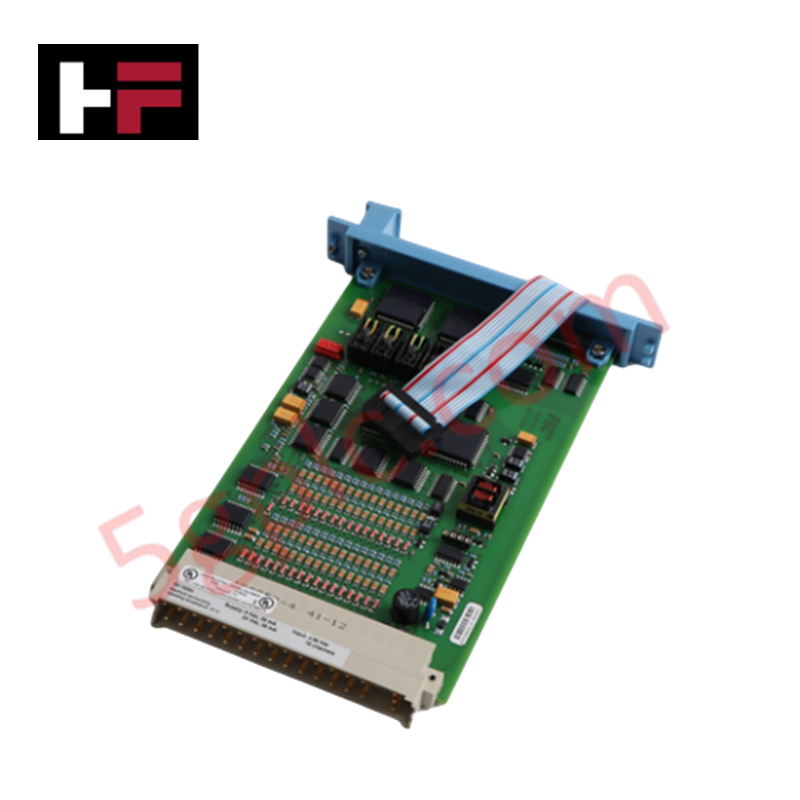
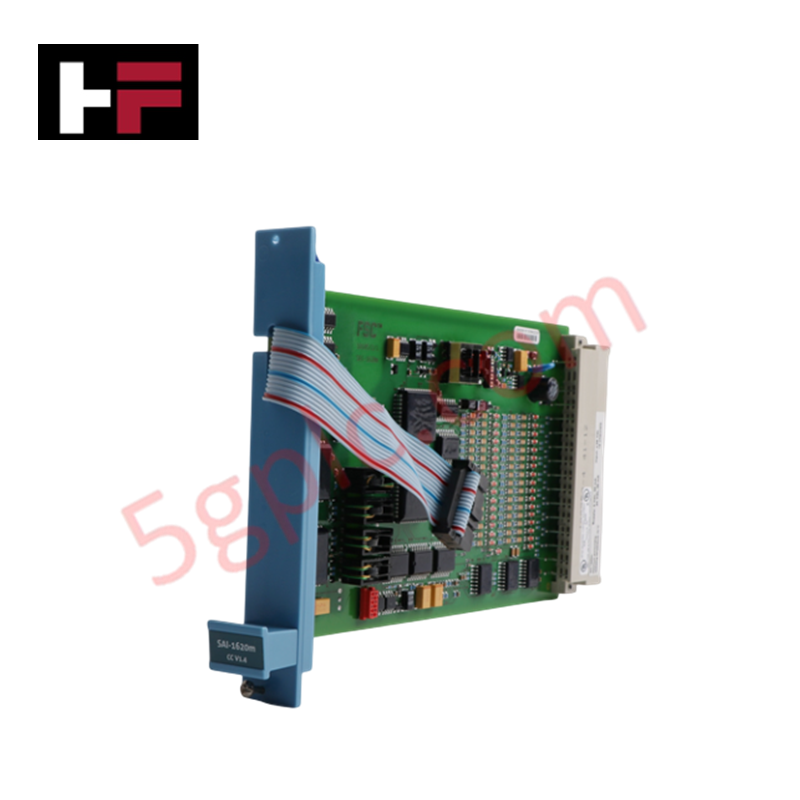
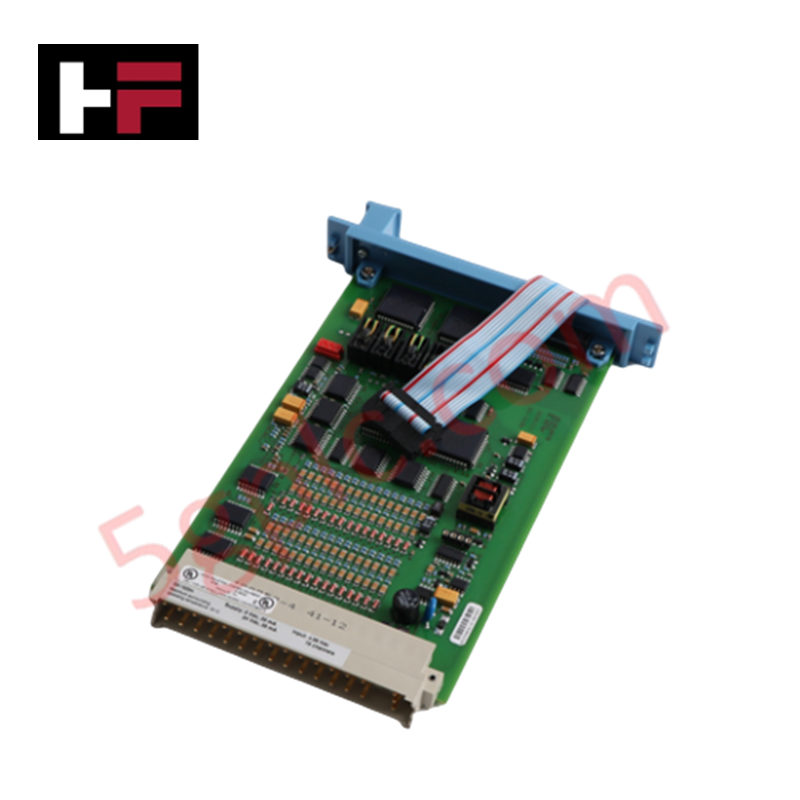
The Honeywell SDI-1624 CC V1.1, also cataloged as the SDI-1624 Digital Input Module, operates as a dedicated hardware component for binary status monitoring and discrete field signal processing within Honeywell Safety Manager and Fail Safe Controller (FSC) platforms. Accepting up to 16 discrete input channels across a nominal 24 VDC operating threshold, the unit digitizes physical contact states, proximity switches, and field trip contacts. The module processes incoming discrete signals with active electrical isolation to maintain safety loop integrity and prevent field-side voltage transients from corrupting central processor logic execution.
Hardware Specifications
| Parameter | Specification |
|---|---|
| Model | SDI-1624 CC V1.1 |
| Brand | Honeywell |
| Origin | USA |
| Weight | 0.45 kg |
| Dimensions | 4 HP, 3U standard rack slot profile |
| Operating Temp | -20 to +60 deg C |
| Power Consumption | 24 VDC system bus powered |
| Module Type | Safe Digital Input Module |
| Number of Channels | 16 discrete input channels |
| Nominal Input Voltage | 24 VDC |
| System Compatibility | Honeywell Safety Manager / FSC platforms |
4-20 mA HART Loop Protocol & Channel-to-Channel Isolation
The SDI-1624 CC V1.1 incorporates high-density optocoupler isolation circuits designed to decouple field-side discrete contact loops from internal system backplane logic. Although primary analog transmitters utilize the 4-20 mA HART loop protocol in adjacent cabinet conduits, the SDI-1624 maintains dedicated channel-to-channel and channel-to-bus galvanic isolation barriers. This protective filtering prevents inductive kickback, switching transients, and ground potential shifts on field contact lines from interfering with digital logic processing or introducing noise into adjacent analog signal paths.
Frequently Asked Questions
Q: Can the SDI-1624 CC V1.1 module be hot-swapped within an active Safety Manager chassis?
A: Live replacement is supported on active backplanes provided the redundant controller chassis remains operational and the module extraction levers are disengaged straight out to prevent connector pin damage.
Q: How does the module handle line fault detection on field contact loops?
A: The input circuitry monitors current thresholds on connected dry contacts or switches to differentiate between normal open/closed states, field wire breaks, and short-circuit conditions.
Field Installation Guidelines
- Align the 4 HP, 3U card edges with the subrack guide rails and push the module firmly into the backplane connector interface.
- Tighten top and bottom front panel captive screws to lock the assembly and ensure solid functional earth grounding.
- Route 24 VDC discrete input field wiring through dedicated cabinet channels separated from high-voltage AC circuits and variable frequency drives.
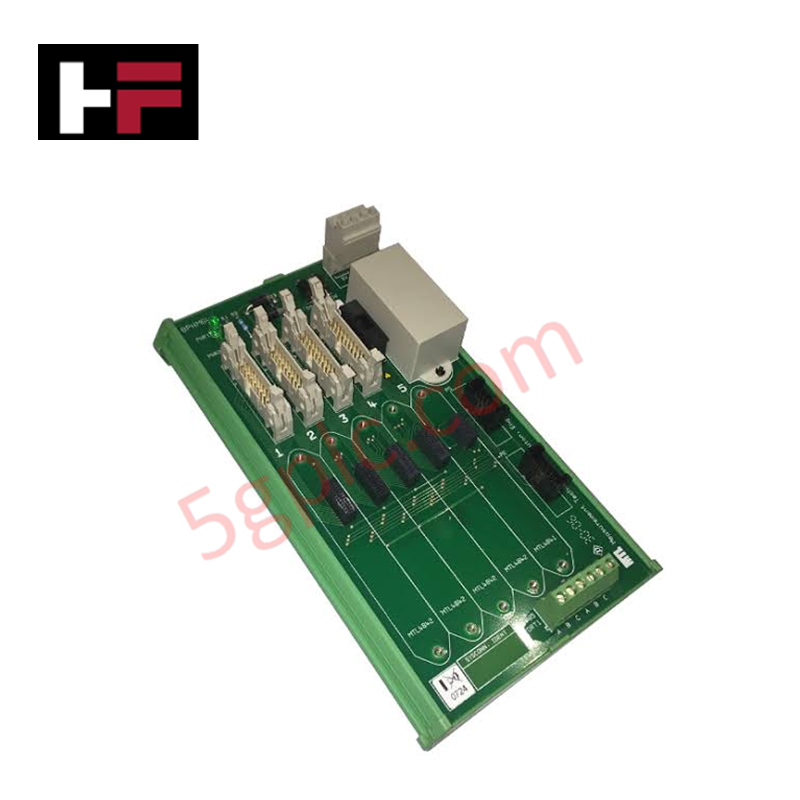
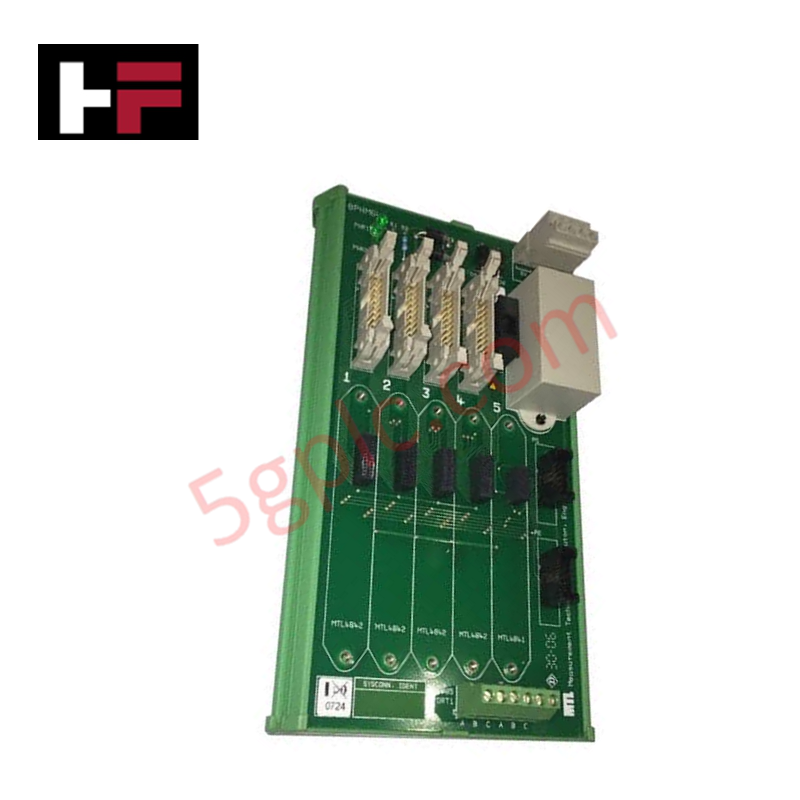
- Verify that all field contact loops are correctly wired to the corresponding field termination assembly prior to energizing the 24 VDC input power rail.
Additional Information
- 100% Genuine Parts: All products are original and authentic, ensuring reliable industrial performance.
- 30-Day Refund Guarantee: Return any in-stock item within 30 days in original, unopened packaging for a full refund (excluding shipping and fees).
- 12-Month Warranty: Covers defects in materials or workmanship; excludes misuse, normal wear, or unauthorized modifications.
- Worldwide Shipping: We ship via USPS, UPS, FedEx, and DHL. Delivery times vary by country and may be subject to customs or import fees.
- Support & Contact: Technical and warranty assistance is available anytime. Contact us here: Contact.
- Purchase Guidance: Check product specifications and compatibility carefully before ordering to ensure proper application.
Tech & Buying Guide

The Shift to Flexible IO Modules in Modern Industrial Automation
Traditional control systems rely on dedicated Input Output (IO) cards for industrial automation. Each conventional module processes a single signal type, such as Digital Input (DI), Digital Output (DO), Analog Input (AI), or Analog Output (AO). A standard 16-channel card accepts only one specific channel type across all ports. This inflexible hardware design often creates severe engineering bottlenecks during project execution. Engineers frequently must install entirely new cards to accommodate a single extra sensor. Consequently, late design changes increase control cabinet space requirements and drive up project costs.

DCS Commissioning Steps in Industrial Automation Projects
Commissioning a Distributed Control System (DCS) represents a crucial milestone when deploying modern process automation infrastructure. Field engineers must execute systematic verification steps to transition complex control hardware from static installation to dynamic plant control. Proper commissioning ensures that controllers, I/O modules, network switches, and HMI software operate in strict compliance with engineering design specifications before introducing live process fluids.

PLC and DCS Control System Spares Strategy: Engineering Guidelines
Modern factory automation relies on high-speed fiber optic backbones to link distributed control systems across noise-intensive industrial environments. Unlike copper wiring, optical fibers transmit data via light pulses, making them completely immune to electromagnetic interference (EMI). Field engineers must master optical cable joining and fusion splicing techniques to guarantee low-loss data transmission across critical Programmable Logic Controller (PLC) and Distributed Control System (DCS) nodes.