










Product Details
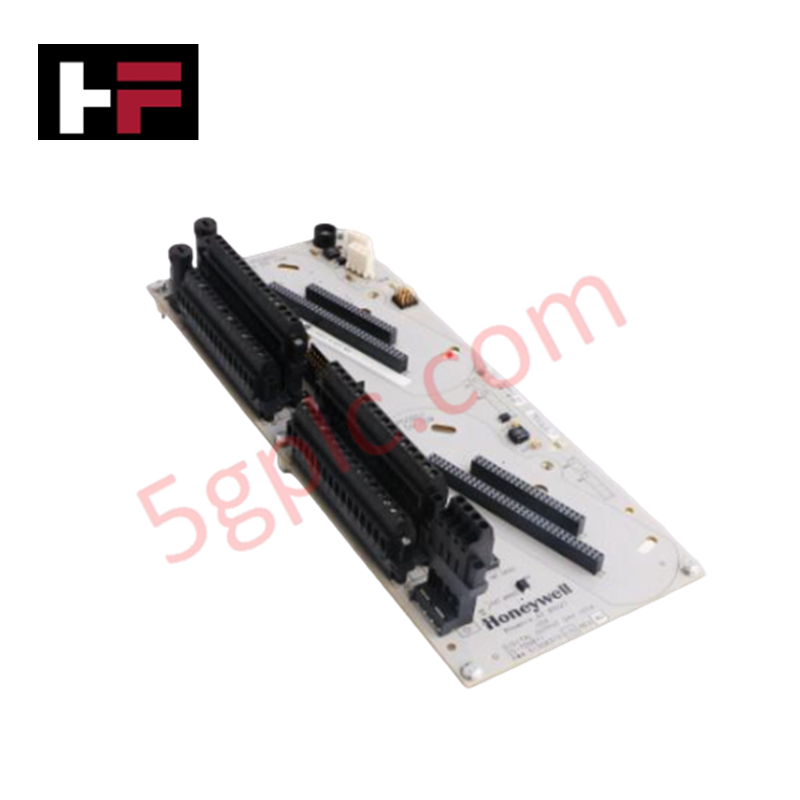
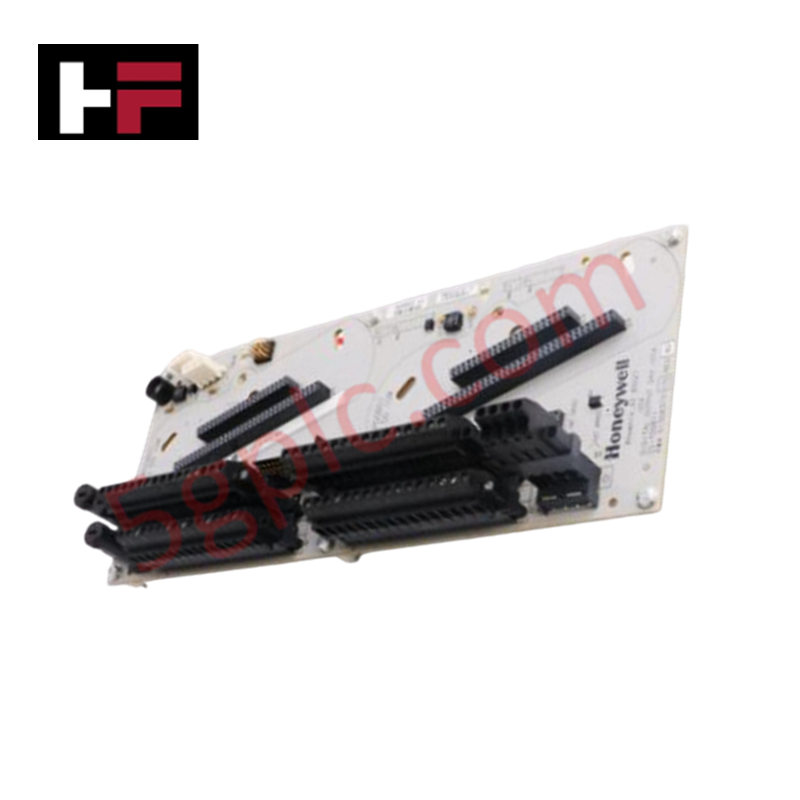
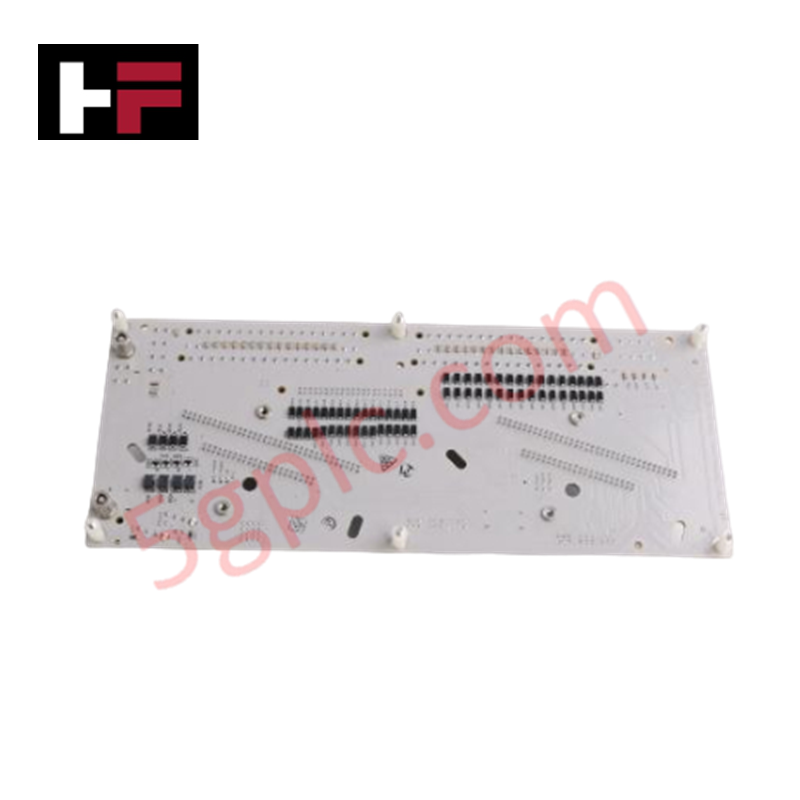
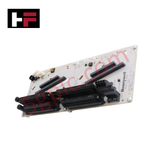
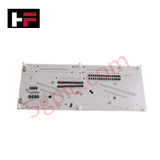
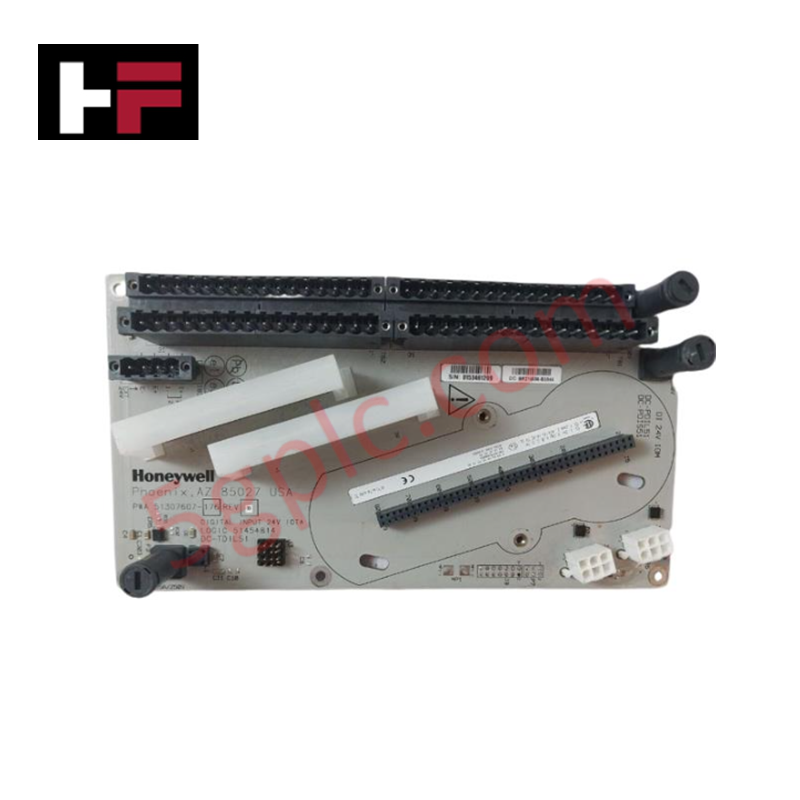
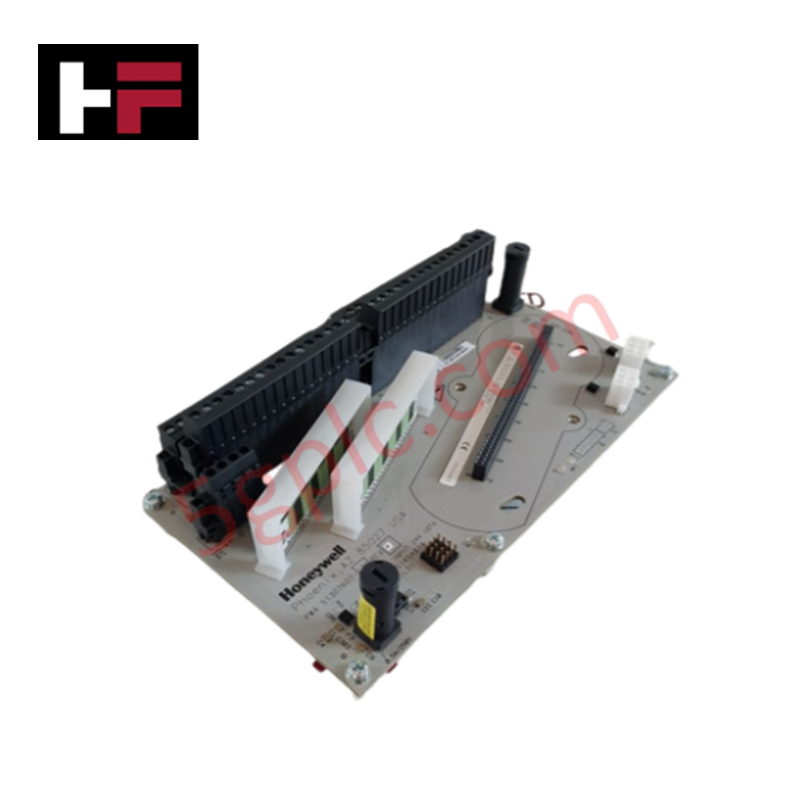
The Honeywell CC-TDOB11, also cataloged as the CC-TDOB11 Digital Output IOTA Redundant, operates as a dedicated hardware component for 24 VDC discrete signal distribution within Experion Series C control network environments. The module provides physical housing and electrical terminal connections for executing two-wire field device switching across a high-density channel matrix.
Hardware Specifications
| Parameter | Specification |
|---|---|
| Model | CC-TDOB11 |
| Brand | Honeywell |
| Series / Module Type | Experion Series C / Digital Output IOTA Redundant |
| Origin | USA |
| Weight | 5 kg (Gross shipping weight) |
| Dimensions | 9 inch length base board profile |
| Operating Temp | -40 to +70 deg C (Standard industrial enclosure range) |
| Power Consumption | 24 VDC nominal system power |
| Channel Density | 32 channels |
| Output Rating | 24 VDC discrete output signals |
| Redundancy Profile | Supported via dual module positioning slots |
Channel-to-Channel Isolation Protocols and Loop Interfacing
The CC-TDOB11 printed circuit layout integrates localized channel-to-channel isolation barriers to limit electromagnetic interference across the 32 discrete output terminals. This internal shielding works in tandem with the primary 24 VDC distribution lines to prevent common-mode noise propagation from distorting nearby low-voltage instrument loops, such as 4-20 mA HART loop protocol runs. The design preserves signal definition at the field terminations by grounding high-frequency cross-talk before it enters the core controller architecture.
Frequently Asked Questions
Q: Does the CC-TDOB11 baseplate support the hot-swap insertion of redundant digital output modules without interrupting active channel loops?
A: Yes. The redundant configuration path allows one digital output card to maintain active processing loops and load current while the adjacent card slot is serviced or replaced under live power conditions.
Q: How is the 24 VDC power routing separated to ensure internal channel-to-channel isolation values are not compromised?
A: The board topology partitions the 32 channels into distinct galvanic zones across a multi-layer copper plane, routing field-side loops independently from the system backplane logic power line.
Field Installation Guidelines
- DIN-Rail Carrier Placement: Mount the 9 inch assembly onto a standard grounding rail inside the terminal cabinet. Verify the integrated chassis grounding clamps are locked onto the bare metal of the rail framework.
- Field Cable Terminations: Wire the 32 field loads to the screw-clamp terminal blocks. Maintain physical segregation between these 24 VDC discrete output wires and high-voltage AC electrical lines to avoid signal degradation.
- Module Insertion Verification: Slide the matching Series C digital output electronic modules into the guidance slots until the retaining mechanisms lock. Misalignment can damage the interface edge connectors and void channel isolation boundaries.
- Thermal Dissipation Space: Allow at least 50 mm of unobstructed clear boundary around the assembly perimeter to sustain adequate convective airflow, preventing internal heat build-up under maximum channel load conditions.
Additional Information
- 100% Genuine Parts: All products are original and authentic, ensuring reliable industrial performance.
- 30-Day Refund Guarantee: Return any in-stock item within 30 days in original, unopened packaging for a full refund (excluding shipping and fees).
- 12-Month Warranty: Covers defects in materials or workmanship; excludes misuse, normal wear, or unauthorized modifications.
- Worldwide Shipping: We ship via USPS, UPS, FedEx, and DHL. Delivery times vary by country and may be subject to customs or import fees.
- Support & Contact: Technical and warranty assistance is available anytime. Contact us here: Contact.
- Purchase Guidance: Check product specifications and compatibility carefully before ordering to ensure proper application.


Tech & Buying Guide

Navigating Industrial Automation Failures: Types, Causes, and Mitigation Strategies
Modern manufacturing relies heavily on automated control systems to maximize throughput and maintain product quality. However, unplanned downtime in industrial automation can cost facility operators thousands of dollars per hour. Understanding how programmable logic controllers (PLCs), distributed control systems (DCS), and field instrumentation fail empowers engineering teams to implement robust preventive maintenance strategies.

Essential Motion Control Commands: A Practical Guide for Engineers
Automation engineers often rely on precise position and speed control to drive modern factory machinery. Modern industrial systems, such as Programmable Logic Controllers (PLCs) and Distributed Control Systems (DCS), depend heavily on standardized motion instructions. Mastering these commands ensures operational safety, protects mechanical components, and optimizes cycle times across production lines.

The Role of Intrinsic Safety Barriers in PLC and DCS Architectures
Implementing robust protection in hazardous industrial environments represents a fundamental safety requirement in factory automation. Process facilities often handle volatile gases, dusts, and chemical agents that pose significant combustion risks. Consequently, control system engineers must deploy energy-limiting interfaces to isolate safe-area control cabinets from hazardous-area field instrumentation. This article examines the function, selection, and electrical principles of intrinsic safety barriers within modern PLC and DCS networks.