










Product Details
Product Overview
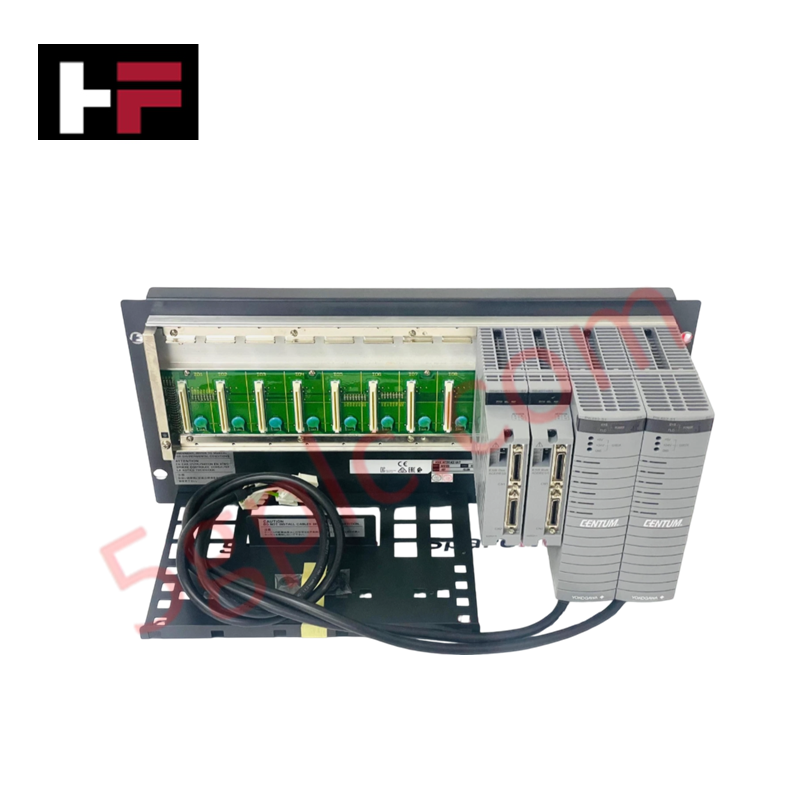
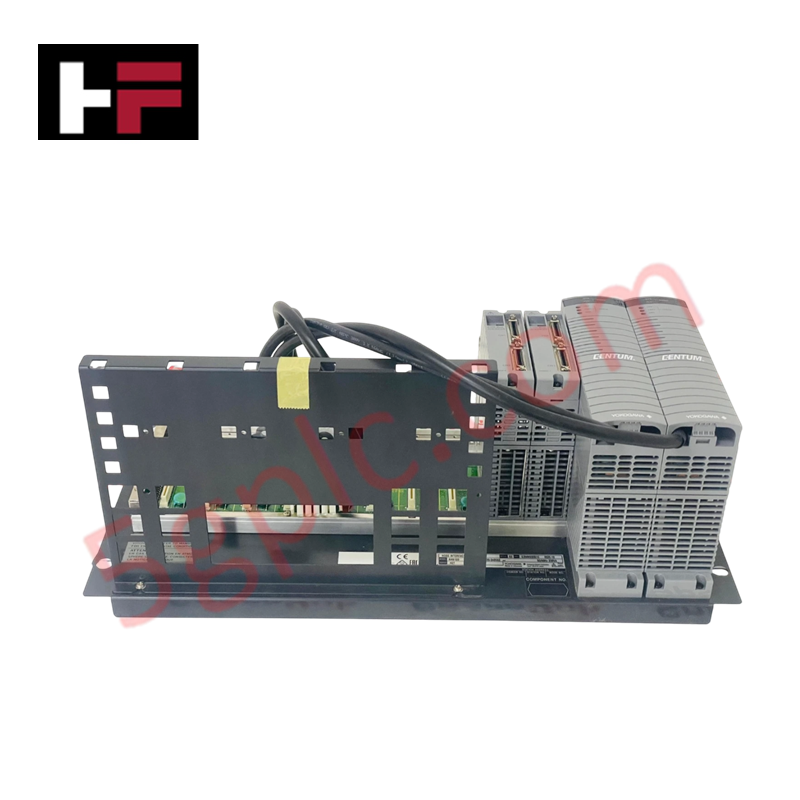
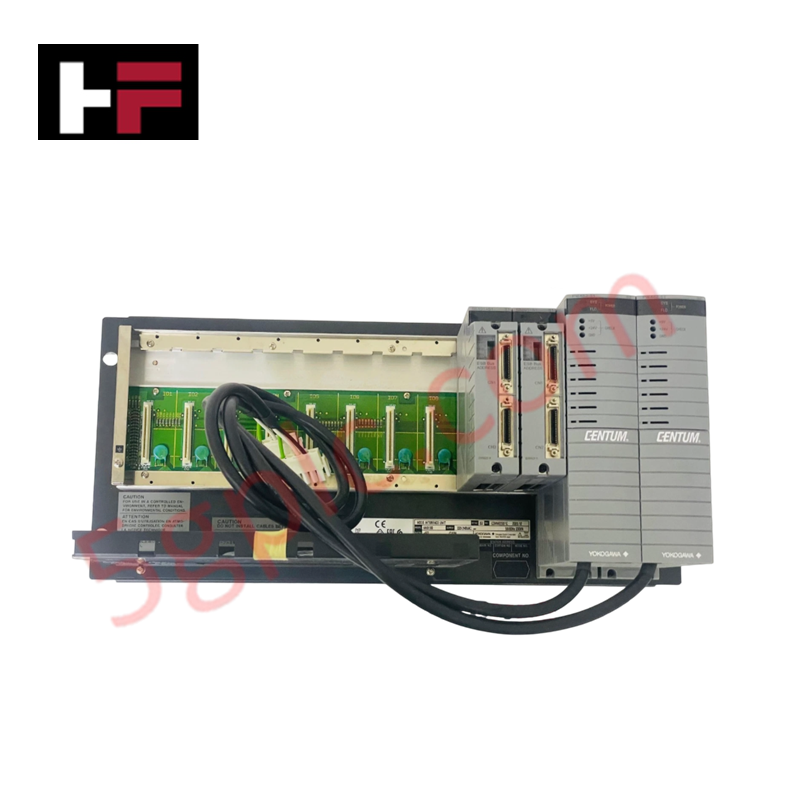
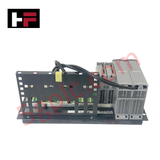
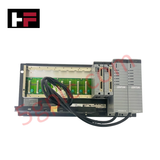
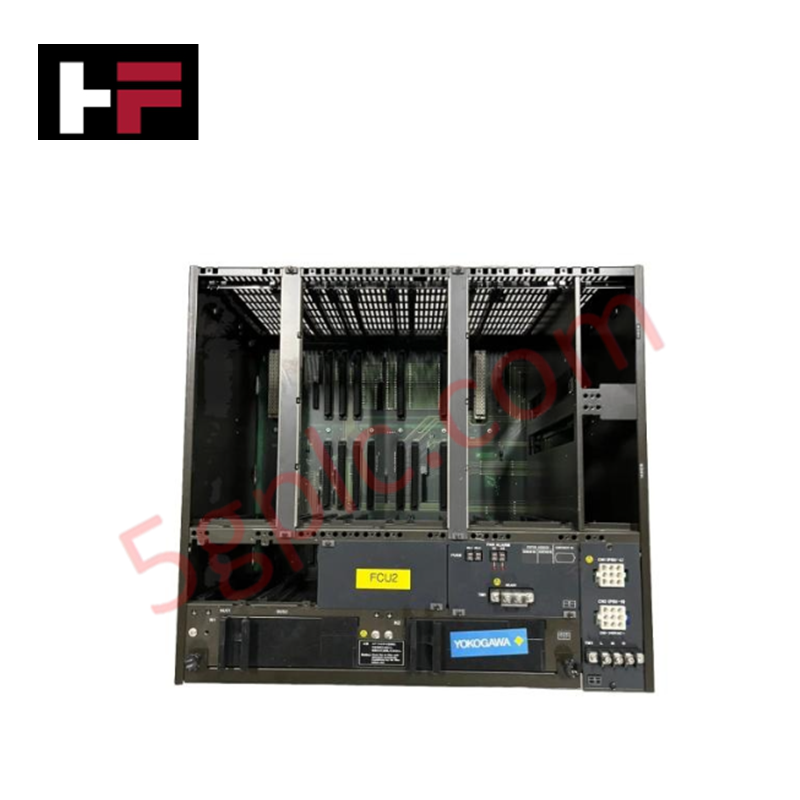
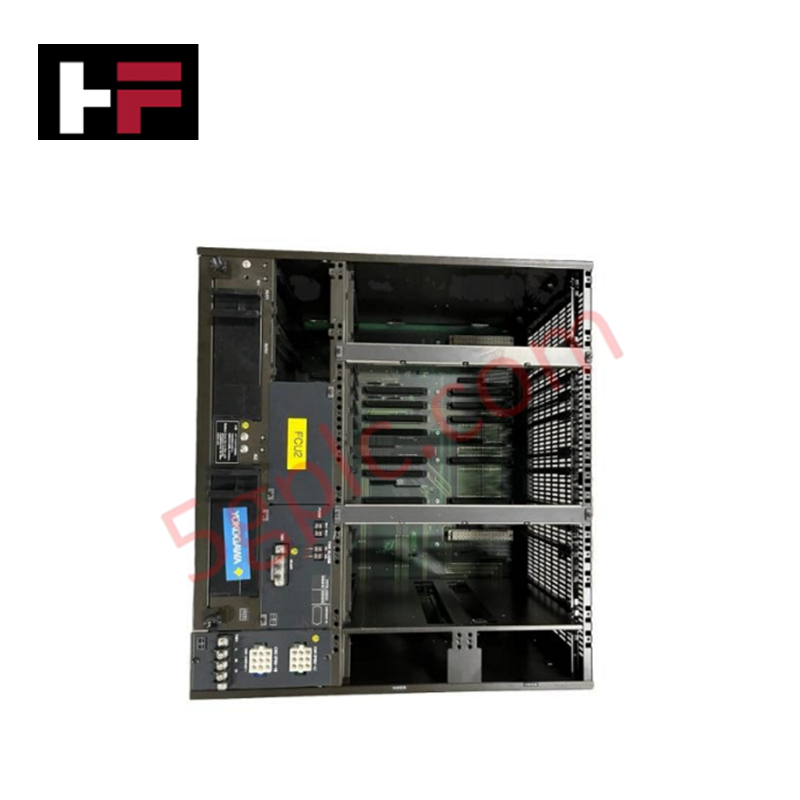
The Yokogawa ANB10D-417/CU2N acts as a high-availability remote I/O chassis for the CENTUM VP distributed control system (DCS). This unit establishes a high-speed, deterministic link between the Field Control Unit (FCU) and I/O modules via the Extended Serial Backplane (ESB) bus. Designed specifically for mission-critical industrial applications, it utilizes a dual-redundant (active-active) power architecture to eliminate single points of failure. We supply this unit as 100% Brand New and Original, ensuring peak performance in demanding refinery, chemical, and power generation environments.
Part Number Breakdown
Yokogawa utilizes a specific suffix logic to define the electrical and interface capabilities of the ANB10D series:
| Suffix/Option | Technical Identification | Feature Description |
| ANB10D | Base Model | Node Unit for Dual-Redundant ESB Bus |
| -4 | Redundancy Type | Dual-redundant power supply architecture |
| 1 | Power Rating | 100 – 120 V AC input voltage |
| 7 | Design Variant | Basic type (Non-Ex) optimized for cabinet integration |
| /CU2N | Connector Unit | Standard ESB Bus interface without internal termination |
Technical Specifications
The ANB10D-417/CU2N provides the physical infrastructure for dense I/O configurations:
-
Communication Redundancy: Dual-redundant ESB bus support
-
Power Supply: Dual active-active 100–120 V AC (50/60 Hz)
-
Current Consumption: Approx. 200 VA / 120 W at maximum load
-
I/O Module Capacity: 8 slots for Centum VP modules
-
System Scalability: Supports up to 13 units per AFV30/AFV40 controller
-
Physical Format: 19-inch rack mount (8U height)
-
Hardware Weight: 10 kg
-
Included Hardware: M5 × 4 mounting screws and insulation bushings
Engineering Advantages
-
Optimized for Intermediate Nodes: The CU2N interface lacks internal termination, making this unit the ideal choice for start or intermediate positions in an ESB bus chain. It allows the communication signal to pass through seamlessly to subsequent nodes.
-
High-Density I/O Scalability: This unit hosts up to 8 I/O modules within a compact 8U footprint. It allows engineers to increase I/O density within existing control cabinets without the cost and complexity of adding additional Field Control Units (FCUs).
-
Active-Active Power Protection: Unlike passive backup systems, the dual-redundant power supplies share the load actively. If one power path fails, the remaining module instantly assumes the full load, preventing system reset and maintaining process continuity.
-
Standardized Rack Integration: The 19-inch rack-mount design simplifies installation in standard industrial enclosures. The included insulation bushings prevent ground loops and protect sensitive electronics from electromagnetic interference (EMI) often found in heavy industrial settings.
FAQs
-
Can I use the ANB10D-417/CU2N as the final node in a bus chain? Generally, no. The CU2N connector does not include internal termination. You typically require the CU2T version (with terminator) or a separate external terminator for the final node in the chain to prevent signal reflection.
-
Does this unit support "Hot Swapping" of power supplies? Yes. The active-active redundancy allows you to replace a faulty power module while the system remains operational, ensuring zero downtime for your process loop.
-
What is the maximum number of nodes I can connect to a single controller? You can connect up to 13 ANB10D units to a single AFV30 or AFV40 controller, allowing for massive I/O expansion across your facility.
-
Is this unit suitable for hazardous (Class 1 Div 2) areas? This specific model (ANB10D-417) is a basic type (non-Ex). For hazardous area requirements, you must verify the specific protection rating of your enclosure or consult the Yokogawa "Ex-rated" hardware catalog.
Additional Information
- 100% Genuine Parts: All products are original and authentic, ensuring reliable industrial performance.
- 30-Day Refund Guarantee: Return any in-stock item within 30 days in original, unopened packaging for a full refund (excluding shipping and fees).
- 12-Month Warranty: Covers defects in materials or workmanship; excludes misuse, normal wear, or unauthorized modifications.
- Worldwide Shipping: We ship via USPS, UPS, FedEx, and DHL. Delivery times vary by country and may be subject to customs or import fees.
- Support & Contact: Technical and warranty assistance is available anytime. Contact us here: Contact.
- Purchase Guidance: Check product specifications and compatibility carefully before ordering to ensure proper application.
Tech & Buying Guide

Navigating Industrial Automation Failures: Types, Causes, and Mitigation Strategies
Modern manufacturing relies heavily on automated control systems to maximize throughput and maintain product quality. However, unplanned downtime in industrial automation can cost facility operators thousands of dollars per hour. Understanding how programmable logic controllers (PLCs), distributed control systems (DCS), and field instrumentation fail empowers engineering teams to implement robust preventive maintenance strategies.

Essential Motion Control Commands: A Practical Guide for Engineers
Automation engineers often rely on precise position and speed control to drive modern factory machinery. Modern industrial systems, such as Programmable Logic Controllers (PLCs) and Distributed Control Systems (DCS), depend heavily on standardized motion instructions. Mastering these commands ensures operational safety, protects mechanical components, and optimizes cycle times across production lines.

The Role of Intrinsic Safety Barriers in PLC and DCS Architectures
Implementing robust protection in hazardous industrial environments represents a fundamental safety requirement in factory automation. Process facilities often handle volatile gases, dusts, and chemical agents that pose significant combustion risks. Consequently, control system engineers must deploy energy-limiting interfaces to isolate safe-area control cabinets from hazardous-area field instrumentation. This article examines the function, selection, and electrical principles of intrinsic safety barriers within modern PLC and DCS networks.