










Product Details
Product Overview
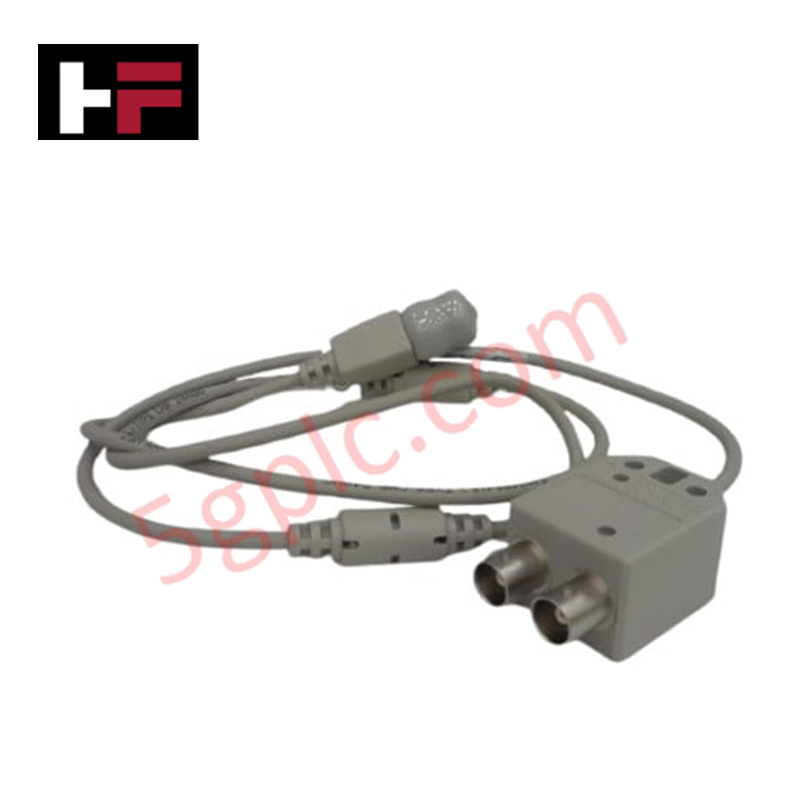
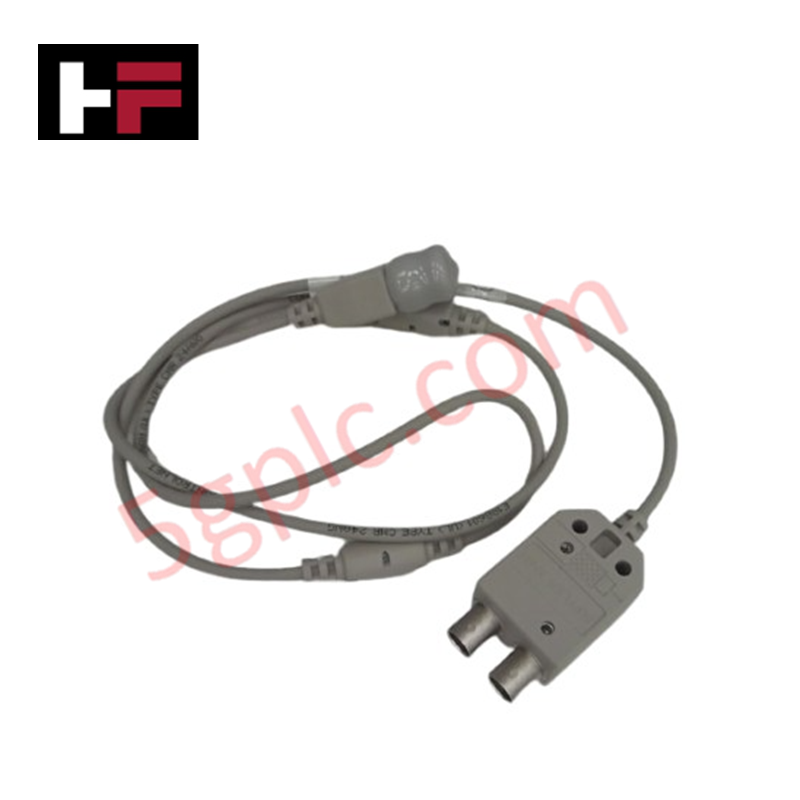
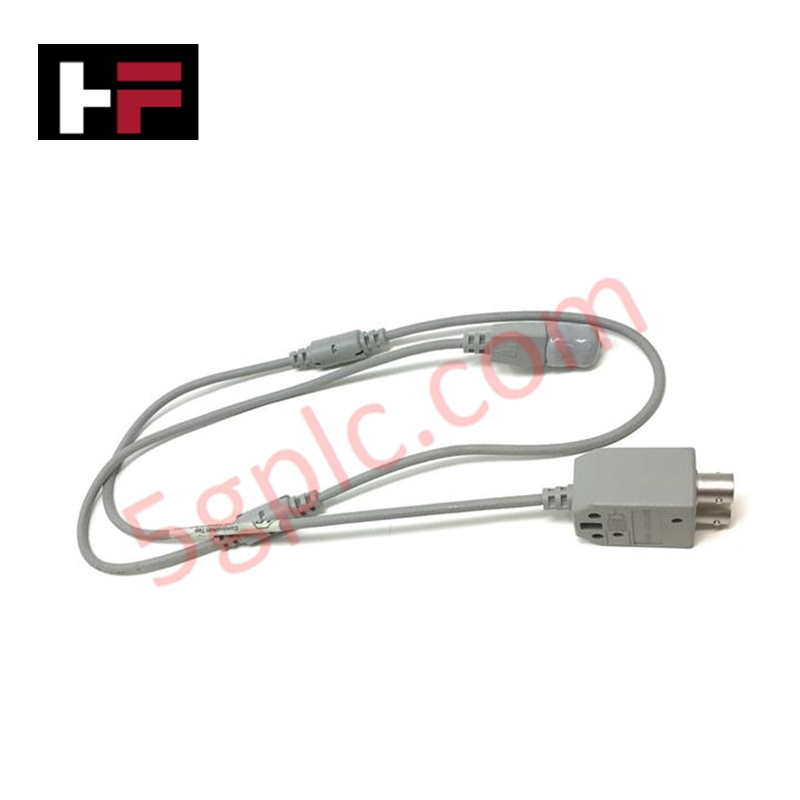
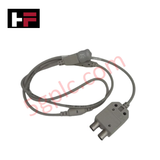
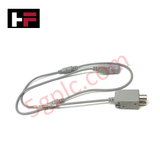
The Allen Bradley 1786-TPYS functions as a critical connection point within a ControlNet coaxial media system. This Y-Tap allows a node—such as a PLC, I/O chassis, or HMI—to connect to the trunk line without interrupting the signal flow to other devices. We offer this unit as 100% Brand New, ensuring factory-spec signal impedance and physical integrity for high-speed deterministic networks.
Technical Specifications
The 1786-TPYS integrates rugged industrial housing with precision-tuned internal circuitry to maintain network balance.
| Feature | Specification |
| Manufacturer | Allen Bradley (Rockwell Automation) |
| Part Number | 1786-TPYS |
| Network Type | ControlNet |
| Tap Style | Y-Tap (Straight) |
| Integrated Cable Length | 1 Meter (3.28 ft) |
| Connector Type | BNC (Coaxial) |
| Category | Machine Control / PLC Communication |
| Weight | 0.45 lbs (0.20 kg) |
| Housing | Industrial-grade polymer |
Engineering Advantages
-
Non-Intrusive Node Integration: The 1786-TPYS allows for the addition or removal of nodes from the ControlNet network without breaking the trunk line continuity. This design prevents system-wide downtime during hardware maintenance or expansion.
-
Optimized Signal Path: The "Straight" configuration and fixed 1-meter drop cable eliminate the guesswork of cable trimming. It provides a pre-measured, low-attenuation path that ensures your device meets the required signal-to-noise ratio for 5 Mbps data rates.
-
Passive Reliability: Because the Y-Tap operates as a passive component, it requires no external power. It maintains network impedance (75 Ω) through high-quality internal coupling, effectively preventing signal reflections that cause packet loss.
-
Rapid Deployment in Cabinets: The compact form factor excels in crowded PLC racks. The 1-meter pigtail provides sufficient reach to connect the trunk line mounted on the enclosure wall to a controller located in the center of the rack.
FAQs
-
What is the difference between a "Straight" Y-Tap and a "Right-Angle" Tap?
The 1786-TPYS features a straight cable exit, which suits deep enclosures where the cable can run directly outward from the tap. Right-angle versions (like the 1786-TPS) assist in shallow cabinets where bend radius constraints require the cable to exit parallel to the mounting surface.
-
Does the 1-meter cable length affect network distance calculations?
Yes. When calculating your total ControlNet segment length, you must include the 1-meter drop cable of each 1786-TPYS. Exceeding the maximum allowed segment length without a repeater can lead to timing errors.
-
Can I shorten the integrated 1-meter BNC cable?
We strongly advise against modifying the integrated drop cable. The factory-sealed BNC connection ensures electromagnetic shielding. Cutting or re-terminating the cable risks introducing impedance mismatches and EMI vulnerabilities.
-
How do I terminate the unused ports on a 1786-TPYS?
If you install a tap but do not yet have a node to connect, you must install a 75 Ω terminator (1786-XT) on the unused BNC port. This prevents signal reflections from crashing the entire network segment.
Additional Information
- 100% Genuine Parts: All products are original and authentic, ensuring reliable industrial performance.
- 30-Day Refund Guarantee: Return any in-stock item within 30 days in original, unopened packaging for a full refund (excluding shipping and fees).
- 12-Month Warranty: Covers defects in materials or workmanship; excludes misuse, normal wear, or unauthorized modifications.
- Worldwide Shipping: We ship via USPS, UPS, FedEx, and DHL. Delivery times vary by country and may be subject to customs or import fees.
- Support & Contact: Technical and warranty assistance is available anytime. Contact us here: Contact.
- Purchase Guidance: Check product specifications and compatibility carefully before ordering to ensure proper application.
Tech & Buying Guide

Mastering the Siemens PLC Scan Cycle: How the CPU Executes Automation Programs
Industrial automation relies heavily on programmable logic controllers (PLCs) to manage complex manufacturing processes. Many engineers dive straight into programming without mastering the underlying architecture. However, understanding how a PLC CPU executes a program ensures reliable system design. Therefore, mastering the scan cycle optimizes both performance and troubleshooting in modern control systems.

How to Connect to Siemens S7 PLCs: 5 Essential Communication Methods
Establishing a reliable hardware link between a programming terminal and a Siemens SIMATIC controller is essential for engineering workflows. Field engineers rely on distinct physical layers, ranging from legacy serial connections to high-speed Industrial Ethernet protocols. Modern factory automation environments prioritize fast data transfer and seamless driver integration. Selecting the correct connection method simplifies program downloads, online monitoring, and system troubleshooting in complex control systems.

Will PLCs Become Obsolete? The Future of Control Systems in Industry 4.0
Modern manufacturing is undergoing a rapid technological transformation driven by Industry 4.0 innovations. Technologies like Artificial Intelligence (AI), Machine Learning (ML), and the Industrial Internet of Things (IIoT) are dominating discussions across the factory automation sector. Consequently, many engineers wonder if these advanced digital tools will eventually replace traditional Programmable Logic Controllers (PLCs). However, evaluating the core physics of industrial operations reveals a very different reality for control systems.