










Product Details
Product Overview
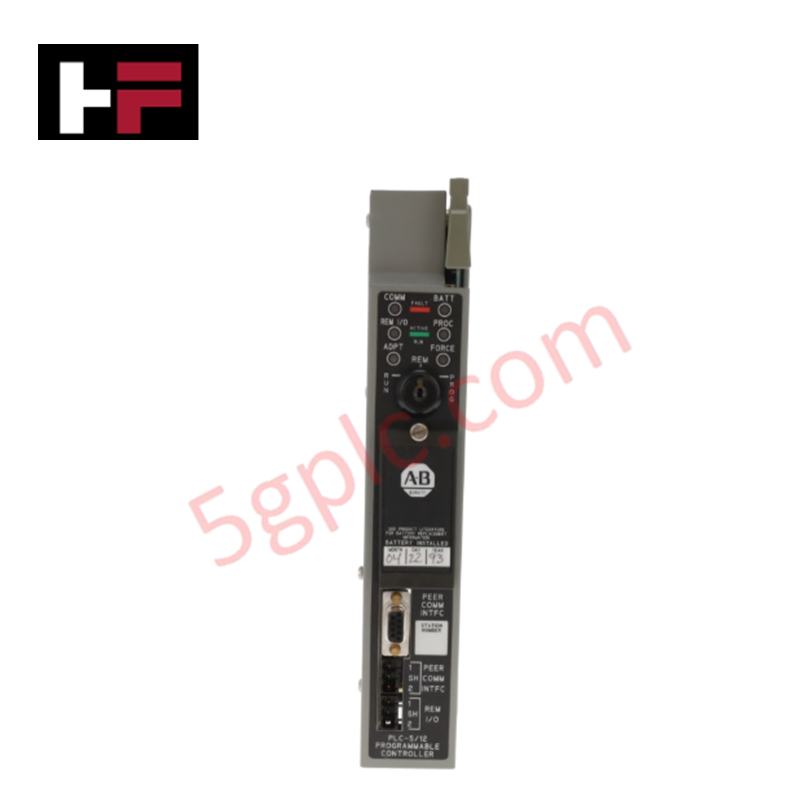
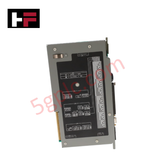
The Allen Bradley 1785-LT3, also known as the PLC-5/12 processor, functions as the central intelligence unit for 1771 Universal I/O systems. It manages complex control logic, executes high-speed data processing, and coordinates communication across multiple industrial networks. We provide this unit as 100% Brand New, original factory stock, ensuring the highest level of performance for legacy system maintenance and critical infrastructure upgrades.
Technical Specifications
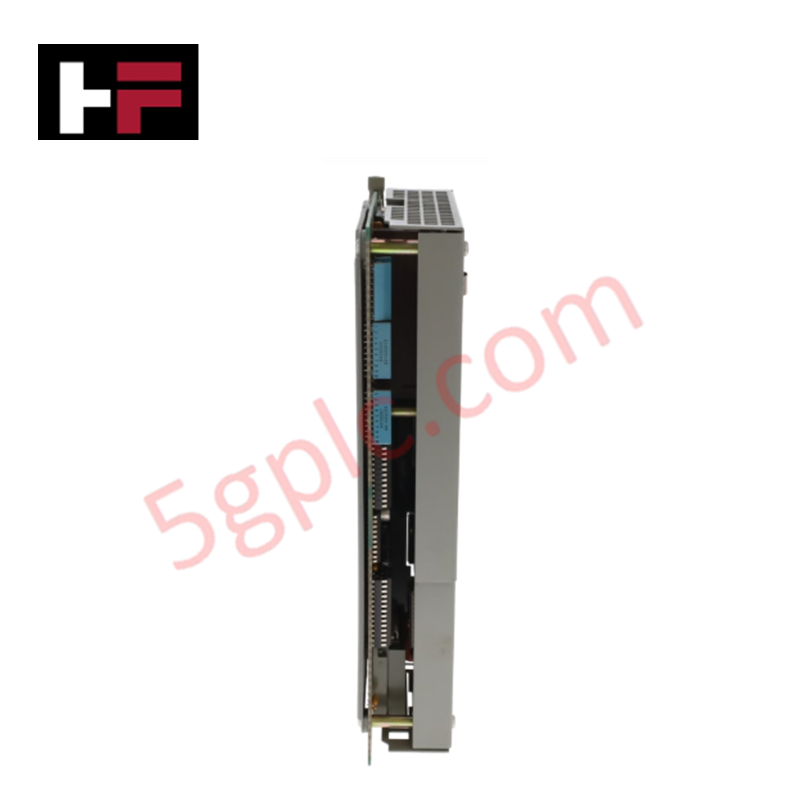
The 1785-LT3 delivers high-density I/O management within a ruggedized single-slot module.
| Feature | Specification |
| Manufacturer | Allen Bradley (Rockwell Automation) |
| User Memory | 6 Kilowords SRAM |
| Total I/O (Max) | 512 (Any mix of Input/Output) |
| Max Analog I/O | 3072 |
| Communication Channels | Data Highway Plus (DH+), Remote I/O (Scanner or Adapter) |
| Serial Ports | 1 (RS-232-C / 422-A / 423-A) |
| Backplane Current | 2.5 Amps @ 5V DC |
| Max Remote I/O Racks | 32 Per Link |
| Scan Time (RIO) | 3 ms @ 230.4 kbits/s |
| Expansion Port | Control Coprocessor Expansion Port included |
Engineering Advantages
-
Optimized I/O Throughput: The 1785-LT3 offers variable baud rates for Remote I/O scanning. By utilizing the 230.4 kbits/s setting, engineers reduce rack scan times to just 3 ms, significantly improving the responsiveness of time-critical PID loops and high-speed motion triggers.
-
Versatile Network Bridging: Integrated DH+ and Remote I/O channels allow the processor to operate as both a network master and a peer-to-peer node. This eliminates the need for external bridging hardware when connecting the processor to HMIs or other PLC-5 controllers.
-
Rugged Memory Protection: The 6 Kiloword SRAM utilizes battery-backed protection to prevent data loss during power outages. This ensures that recipe parameters, counter values, and system states remains intact without requiring constant EEPROM burns.
-
Expanded Serial Compatibility: The multi-protocol serial port (RS-232/422/423) facilitates direct connection to legacy SCADA systems, barcode readers, and serial printers. This onboard flexibility removes the cost and complexity of dedicated ASCII modules.
FAQs
-
Can the 1785-LT3 handle analog-heavy applications?
Yes. While the total I/O limit is 512, the processor supports up to 3072 max analog I/O points through block transfer programming. This makes it highly effective for water treatment and chemical processing plants requiring extensive sensor monitoring.
-
What is the primary difference between the 1785-LT3 and other PLC-5 processors?
The 1785-LT3 (PLC-5/12) targets small-to-medium applications. It offers 6KW of memory, whereas higher-tier models like the 1785-L40 provide larger memory capacities. However, it retains the full instruction set and communication flexibility of the more expensive units.
-
Does this processor require a specific chassis?
The 1785-LT3 installs into the left-most slot (Slot 0) of any 1771 Universal I/O Chassis. Ensure your power supply (e.g., 1771-P4 or P7) can provide the 2.5A current required specifically by this processor.
-
How do I configure the communication baud rates?
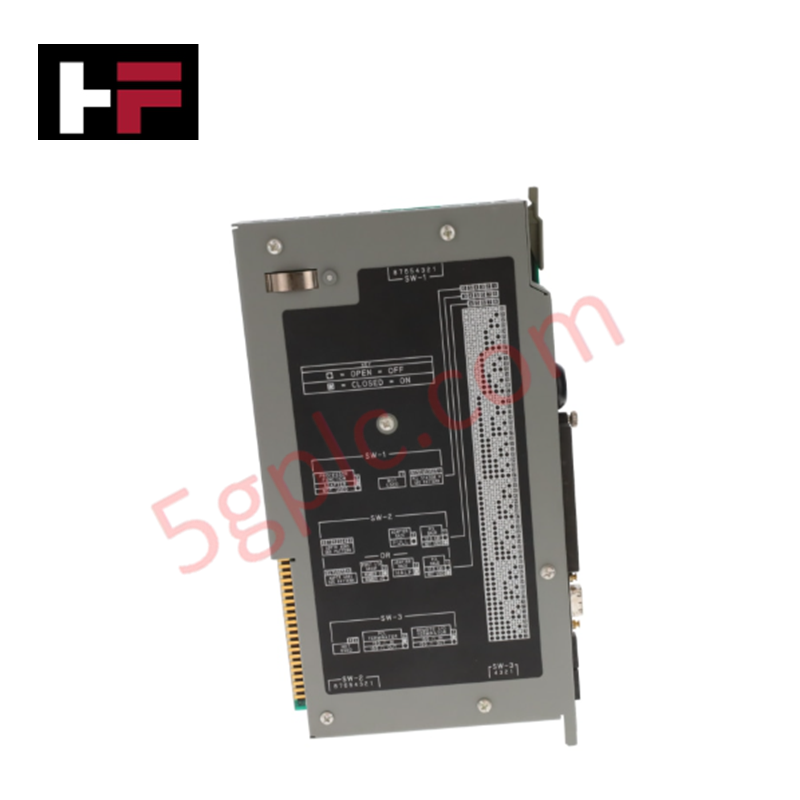
You set the DH+ and Remote I/O baud rates via physical DIP switches located on the side of the module. Ensure you configure these switches while the power is off to prevent communication errors during startup.
Additional Information
- 100% Genuine Parts: All products are original and authentic, ensuring reliable industrial performance.
- 30-Day Refund Guarantee: Return any in-stock item within 30 days in original, unopened packaging for a full refund (excluding shipping and fees).
- 12-Month Warranty: Covers defects in materials or workmanship; excludes misuse, normal wear, or unauthorized modifications.
- Worldwide Shipping: We ship via USPS, UPS, FedEx, and DHL. Delivery times vary by country and may be subject to customs or import fees.
- Support & Contact: Technical and warranty assistance is available anytime. Contact us here: Contact.
- Purchase Guidance: Check product specifications and compatibility carefully before ordering to ensure proper application.
Tech & Buying Guide

Spatial Computing in Industrial Automation: Elevating PLC and DCS Operations with AR and VR
Industry 4.0 integrates digital intelligence into field operations, transforming factory automation landscapes worldwide. Spatial technologies—specifically Augmented Reality (AR) and Virtual Reality (VR)—redefine how engineers interact with industrial control systems. By bridging computer-generated CAD models with real-time operational technology (OT) data, immersive displays enable intuitive monitoring, rapid diagnostics, and safer maintenance across complex processing facilities.

Master Acceptance Testing: Understanding FAT and SAT in Industrial Control Systems
Factory Acceptance Testing (FAT) and Site Acceptance Testing (SAT) serve as critical quality assurance gateways in complex industrial control systems. Both procedures verify that programmable logic controllers (PLCs), distributed control systems (DCS), and associated field devices meet strict functional specifications. However, executing these tests effectively requires clear delineation between off-site staging and final field commissioning.

Industrial Networking Essentials: Demystifying Hubs, Switches, and Routers in Control Systems
Industrial automation relies heavily on robust networking infrastructure to connect programmable logic controllers (PLCs), distributed control systems (DCS), and human-machine interfaces (HMIs). Modern factory automation environments generate vast amounts of real-time operational data across deterministic networks. Understanding the structural differences between hubs, switches, and routers ensures optimal traffic segmentation, minimizes latency, and maintains high network availability.