








Product Details
Product Overview
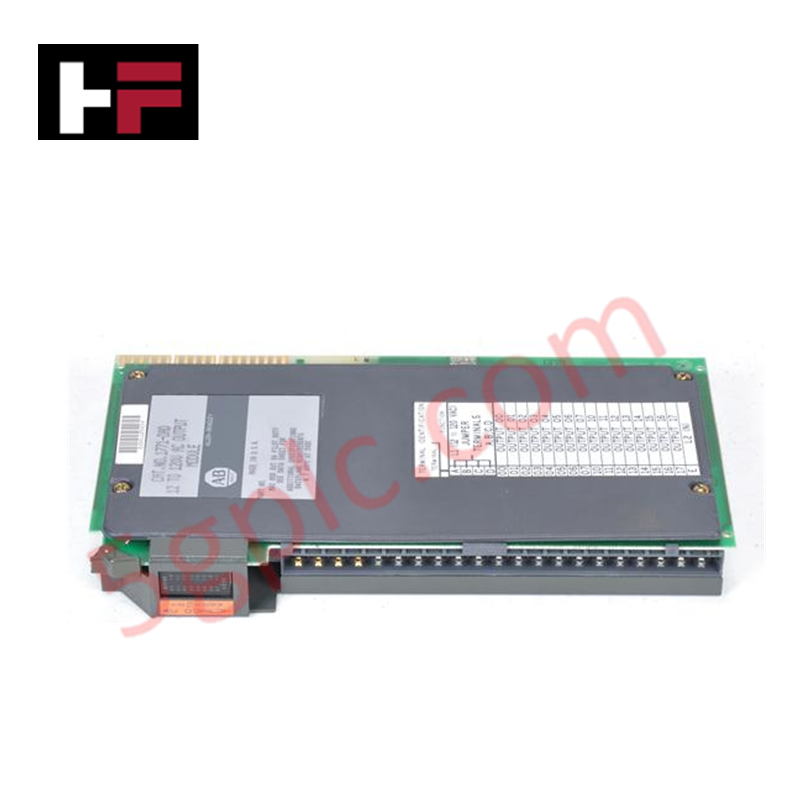
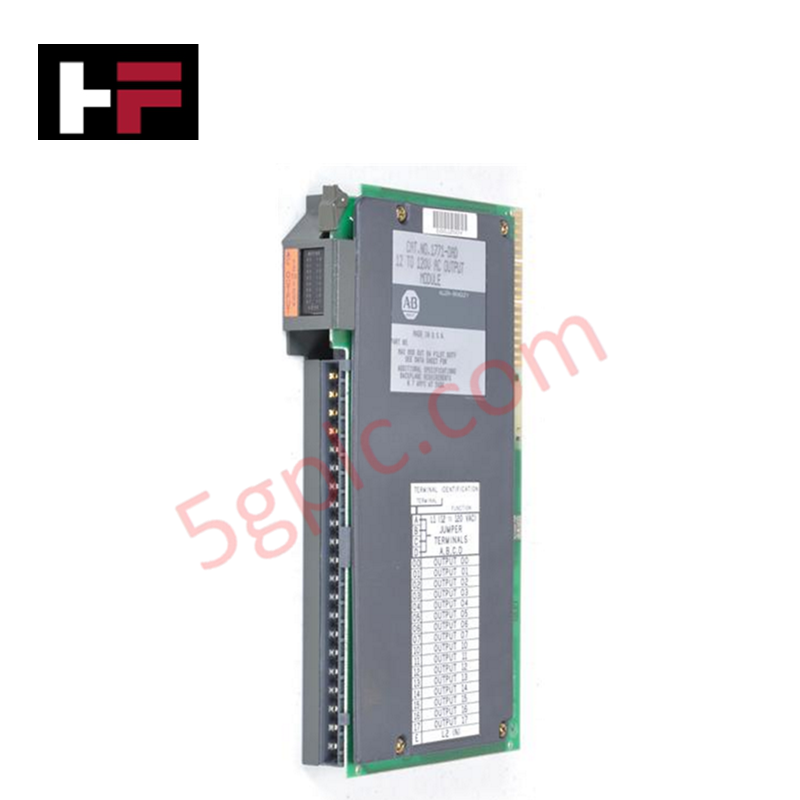
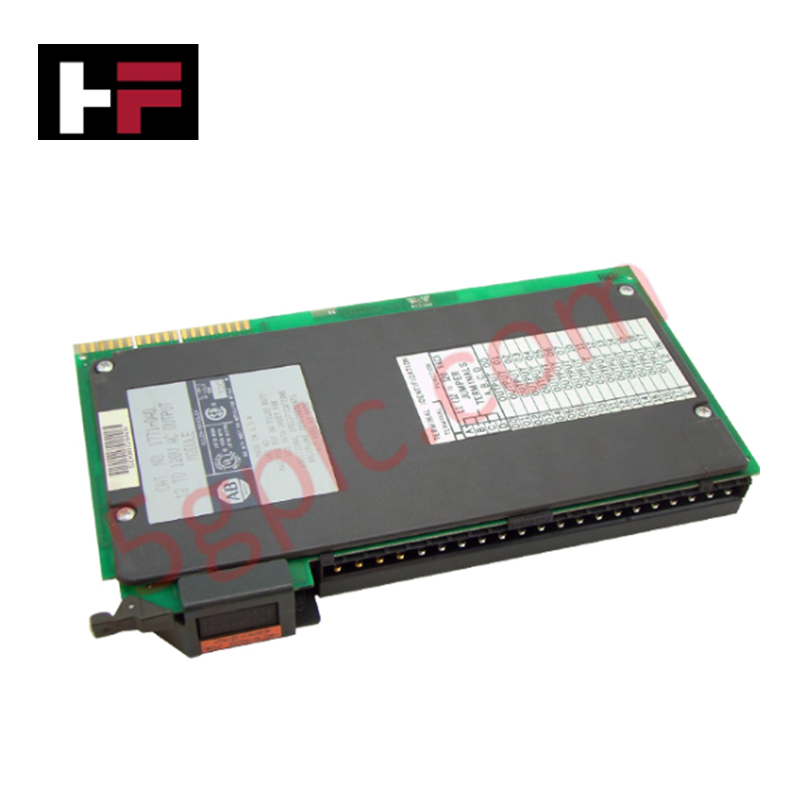
The Allen Bradley 1771-OAD serves as a high-density digital AC output interface for the Universal I/O chassis in PLC-5 systems. This module provides 16 independent outputs to control various 120V AC loads such as motor starters, solenoids, and indicators. We offer this unit as 100% Brand New, original factory stock, ensuring the high-amperage switching capability and backplane compatibility required for mission-critical industrial automation.
Technical Specifications
The 1771-OAD delivers robust power handling across its 16 channels, utilizing zero-crossing switching to minimize electrical noise.
| Feature | Specification |
| Manufacturer | Allen Bradley (Rockwell Automation) |
| Module Type | Digital AC Output Module |
| Number of Outputs | 16 Outputs |
| Voltage Category | 120 Volts AC |
| Operating Voltage Range | 10 to 138 Volts AC |
| Max Continuous Current (Per Point) | 2 Amperes |
| Max Continuous Current (Per Module) | 8 Amperes |
| Backplane Current Requirement | 1.5 Amperes |
| Signal Delay (Off to On) | Zero crossing: 8.3ms @ 60Hz / 10.0ms @ 50Hz |
| Signal Delay (On to Off) | 45 ($\pm$15) milliseconds |
| Wiring Arm | 1771-WH |
| Weight | 1.31 lbs (0.60 kg) |
Engineering Advantages
-
High-Amperage Switching: This module supports a maximum continuous current of 2 Amps per output. This high rating allows the module to drive larger contactors and actuators directly, often eliminating the need for interposing relays and reducing overall cabinet wiring complexity.
-
Zero-Crossing Technology: The 1771-OAD synchronizes output activation with the AC voltage zero-crossing point. This method drastically reduces Electromagnetic Interference (EMI) and inrush current spikes, extending the mechanical life of connected field devices and protecting sensitive nearby electronics.
-
Optimized Thermal Management: While handling 2A per point, the module manages heat dissipation across a total module limit of 8A. The 1771 rack-mount design facilitates natural convection cooling, maintaining stable operation even when controlling high-duty cycle loads in industrial enclosures.
-
Simplified Field Maintenance: The module utilizes the 1771-WH wiring arm, which detaches from the module housing. This allows for rapid hardware replacement without disconnecting any field-side wiring, ensuring that the 16-point configuration remains intact and error-free during maintenance swaps.
FAQs
-
Can the 1771-OAD control DC loads?
No. The 1771-OAD utilizes Triac switching components specifically designed for AC cycles. Attempting to switch DC loads will prevent the output from turning off, as Triacs require an AC zero-crossing to reset the circuit.
-
What is the maximum total current I can pull from the 1771-OAD?
The module supports a total of 8 Amps across all 16 channels. While individual points handle up to 2 Amps, you must ensure the aggregate load does not exceed the 8A module limit to prevent overheating or internal fuse failure.
-
Does this module require a specific wiring arm?
Yes, the 1771-OAD requires the 1771-WH wiring arm for field-side terminations. This arm provides the secure interface needed to handle the high-current demands of 120V AC applications.
-
How does the signal delay affect high-speed applications?
The zero-crossing turn-on delay (8.3ms at 60Hz) ensures clean activation but introduces a slight latency. For applications requiring microsecond response times, consider DC output modules; however, for standard motor control and industrial sequencing, this delay remains well within acceptable parameters.
Additional Information
- 100% Genuine Parts: All products are original and authentic, ensuring reliable industrial performance.
- 30-Day Refund Guarantee: Return any in-stock item within 30 days in original, unopened packaging for a full refund (excluding shipping and fees).
- 12-Month Warranty: Covers defects in materials or workmanship; excludes misuse, normal wear, or unauthorized modifications.
- Worldwide Shipping: We ship via USPS, UPS, FedEx, and DHL. Delivery times vary by country and may be subject to customs or import fees.
- Support & Contact: Technical and warranty assistance is available anytime. Contact us here: Contact.
- Purchase Guidance: Check product specifications and compatibility carefully before ordering to ensure proper application.
Tech & Buying Guide

Site Acceptance Testing (SAT) for PLC Control Systems: An Engineering Execution Guide
The Site Acceptance Test (SAT) represents the definitive handover stage in industrial automation projects. While the Factory Acceptance Test confirms cabinet hardware assembly off-site, the SAT validates real-world performance under live site conditions. Consequently, a structured execution strategy prevents equipment damage and guarantees seamless integration into plant operations.

Mastering the Factory Acceptance Test (FAT) for PLC Control Panels: An Expert Guide
The Factory Acceptance Test (FAT) is a vital milestone in industrial automation that ensures custom PLC panels meet exact design specifications before dispatch. This guide outlines the step-by-step FAT procedure and key industry best practices to prevent costly site delays and ensure long-term operational success.

Redundant Automation Systems: Ensuring Continuous Uptime in Critical Control Infrastructure
System reliability directly determines operational profitability across high stakes process industries. Modern industrial automation platforms must eliminate single points of failure to prevent catastrophic shutdowns. Deploying fault tolerant architecture safeguards complex facilities against unexpected hardware glitches, network disruptions, and maintenance outages.