












Product Details
Product Description
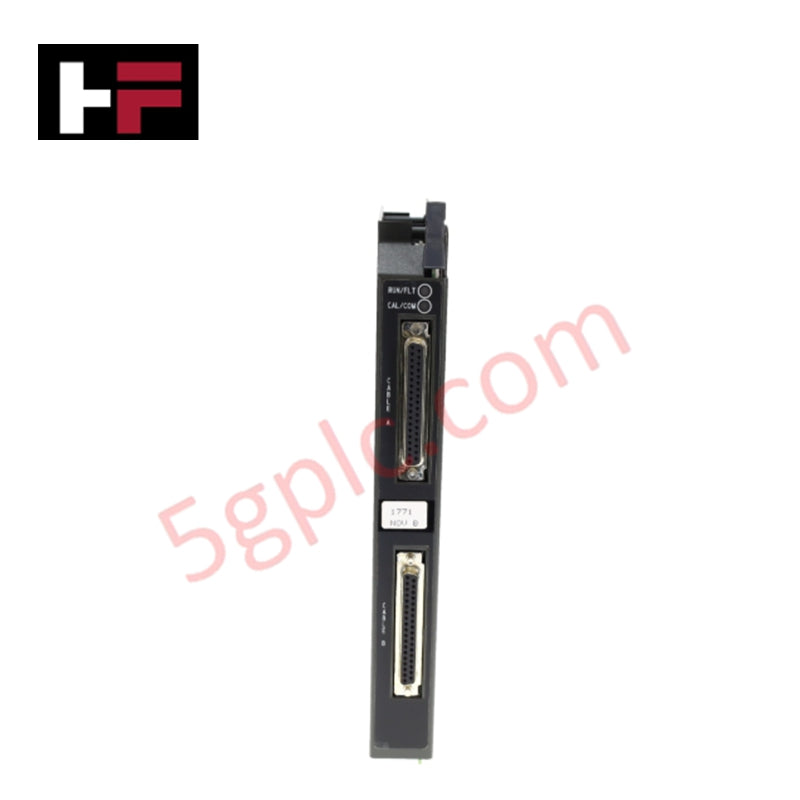
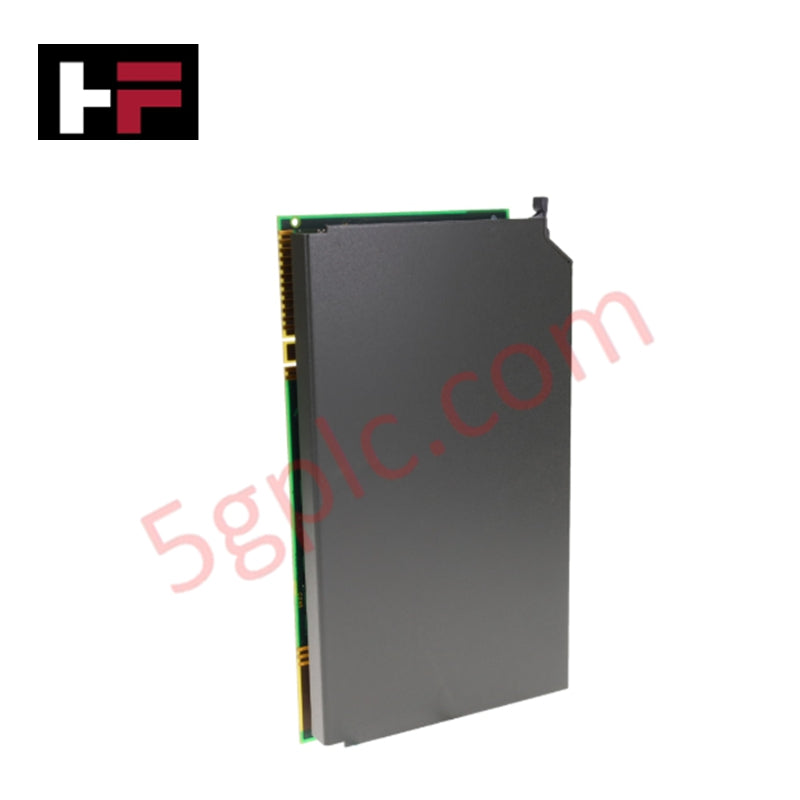
The 1771-NOV is a high-performance analog output solution engineered for the Allen-Bradley PLC-5 platform. As part of the specialized N-Series lineup, this module provides eight independent voltage outputs, making it an essential component for controlling variable speed drives, proportional valves, and other actuators requiring precise DC voltage signals. The 1771-NOV is designed for high-density applications within a 1771 universal I/O chassis, offering granular resolution and robust signal isolation to maintain system integrity in electrically noisy industrial environments.
Technical Hardware and Signal Specifications
-
Module Classification: N-Series Analog Output
-
Catalog Identifier: 1771-NOV
-
Output Configuration: 8 Isolated Voltage Channels
-
Signal Range: -10V to +10V DC (Bipolar)
-
Output Resolution: 1.32 mV per bit
-
Data Formatting: Natural Binary or BCD (Binary Coded Decimal)
-
Backplane Current Load: 2.1 Amperes at 5V DC
-
Power Dissipation: Approximately 10.5 Watts
-
Isolation Voltage: 1500V RMS (continuous) between outputs and backplane
-
Remote Termination Panel (RTP): Compatible with 1771-RTP4 (Unfused) or 1771-RTP3 (Fused)
-
Field Wiring Interface: Requires 1771-WH Wiring Arm
-
Mounting Protocol: 1771 Universal I/O Chassis (Slot-based)
-
Conversion Rate: Simultaneous update for all channels
-
Module Weight: 0.79 kg (1.75 lbs)
Implementation and Diagnostic FAQ
What are the specific advantages of the N-Series 1771-NOV over standard analog modules?
The N-Series 1771-NOVis designed with enhanced circuitry for faster signal processing and improved noise immunity. While standard modules are sufficient for general tasks, the N-Series is often specified for high-precision motion control or sensitive chemical dosing processes where signal stability is paramount.
Why is the backplane current consumption so high (2.1A)?
The 1771-NOV provides eight high-resolution analog outputs which require significant internal regulation and isolation for each channel. When designing your PLC-5 system, it is critical to ensure the chassis power supply (such as a 1771-P7) has enough overhead to accommodate this specific current draw alongside other digital and analog modules.
How is signal integrity maintained over long distances?
To achieve the best results with the 1771-NOV, shielded twisted-pair cabling is recommended. The use of the 1771-RTP3 fused termination panel is also advised for field-side protection, ensuring that external surges do not propagate back to the sensitive N-Series logic components.
Additional Information
- 100% Genuine Parts: All products are original and authentic, ensuring reliable industrial performance.
- 30-Day Refund Guarantee: Return any in-stock item within 30 days in original, unopened packaging for a full refund (excluding shipping and fees).
- 12-Month Warranty: Covers defects in materials or workmanship; excludes misuse, normal wear, or unauthorized modifications.
- Worldwide Shipping: We ship via USPS, UPS, FedEx, and DHL. Delivery times vary by country and may be subject to customs or import fees.
- Support & Contact: Technical and warranty assistance is available anytime. Contact us here: Contact.
- Purchase Guidance: Check product specifications and compatibility carefully before ordering to ensure proper application.
Tech & Buying Guide

The Shift to Flexible IO Modules in Modern Industrial Automation
Traditional control systems rely on dedicated Input Output (IO) cards for industrial automation. Each conventional module processes a single signal type, such as Digital Input (DI), Digital Output (DO), Analog Input (AI), or Analog Output (AO). A standard 16-channel card accepts only one specific channel type across all ports. This inflexible hardware design often creates severe engineering bottlenecks during project execution. Engineers frequently must install entirely new cards to accommodate a single extra sensor. Consequently, late design changes increase control cabinet space requirements and drive up project costs.

DCS Commissioning Steps in Industrial Automation Projects
Commissioning a Distributed Control System (DCS) represents a crucial milestone when deploying modern process automation infrastructure. Field engineers must execute systematic verification steps to transition complex control hardware from static installation to dynamic plant control. Proper commissioning ensures that controllers, I/O modules, network switches, and HMI software operate in strict compliance with engineering design specifications before introducing live process fluids.

PLC and DCS Control System Spares Strategy: Engineering Guidelines
Modern factory automation relies on high-speed fiber optic backbones to link distributed control systems across noise-intensive industrial environments. Unlike copper wiring, optical fibers transmit data via light pulses, making them completely immune to electromagnetic interference (EMI). Field engineers must master optical cable joining and fusion splicing techniques to guarantee low-loss data transmission across critical Programmable Logic Controller (PLC) and Distributed Control System (DCS) nodes.