












Product Details
Product Overview
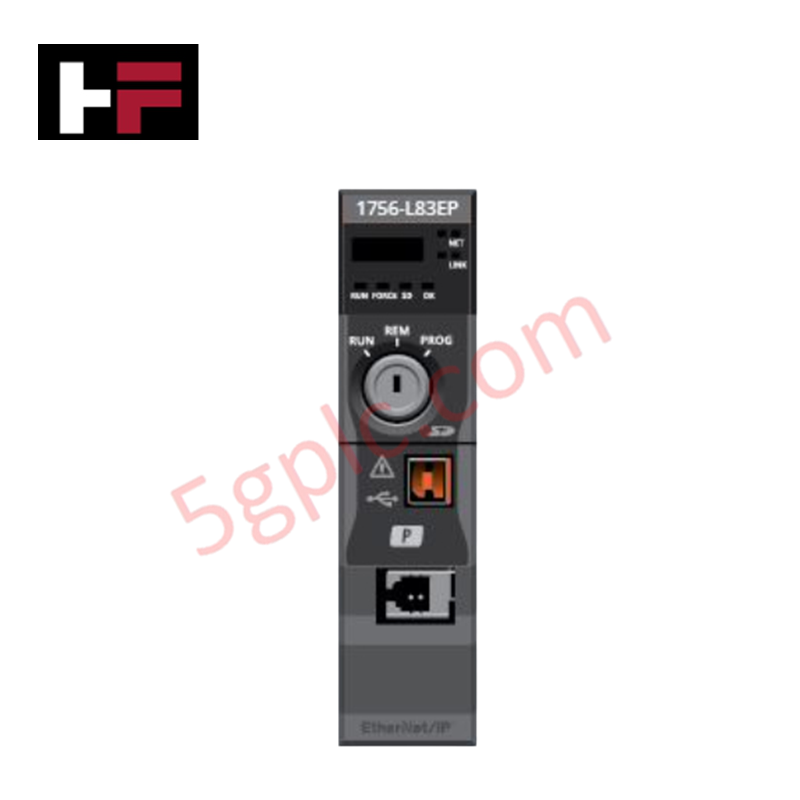
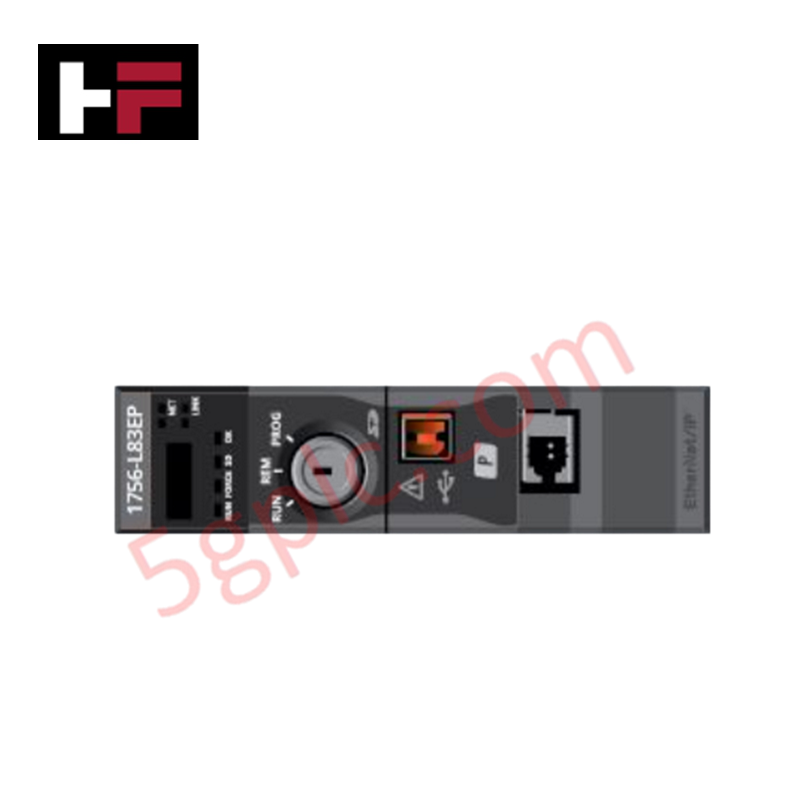
The Allen Bradley 1756-L83EP represents the pinnacle of the ControlLogix 5580 family, specifically engineered for high-demand process automation. This controller manages large-scale distributed I/O, complex drive systems, and high-speed motion via its integrated Gigabit Ethernet port. We supply this unit as 100% Brand New, original factory stock. The "P" designation identifies it as a specialized process controller, while the conformal coating provides essential protection for hardware operating in corrosive or humid environments.
Technical Specifications
The 1756-L83EP optimizes execution speeds for compute-intensive process loops and high-node count networks.
| Feature | Specification |
| Manufacturer | Allen-Bradley / Rockwell Automation |
| Model | 1756-L83EP |
| Controller Type | High-Performance Process Controller |
| User Memory | 10 MB |
| Ethernet Port | 1 x Embedded Gigabit (1 Gbps) |
| EtherNet/IP Nodes | Supports up to 250 Devices |
| USB Port | USB 2.0 (High-Speed) |
| Local Display | 4-character Alphanumeric Diagnostic Display |
| Protection | Conformal Coated (Factory Applied) |
| Chassis Support | Standard 1756 ControlLogix Chassis |
Engineering Advantages
-
Native Process Instruction Sets: The 1756-L83EP includes specialized instructions optimized for the PlantPAx distributed control system. This hardware streamlines the programming of complex PID loops and valve control logic, reducing CPU overhead compared to standard discrete controllers.
-
Gigabit Network Capacity: The integrated Gigabit Ethernet port handles up to 250 nodes simultaneously. This bandwidth eliminates network bottlenecks in data-heavy architectures, ensuring rapid synchronization between the controller, high-speed drives, and remote I/O banks.
-
Environmental Hardening: A factory-applied conformal coating shields the internal circuitry from moisture, dust, and corrosive airborne agents. This makes the 1756-L83EP a mechanical necessity for wastewater treatment, chemical processing, and oil and gas facilities where standard electronics face premature failure.
-
Rapid Diagnostic Visibility: The onboard 4-character alphanumeric display provides instantaneous fault codes and operational status. Maintenance teams identify network issues or internal errors directly at the chassis, which significantly accelerates troubleshooting without requiring an immediate PC connection.
FAQs
-
What is the difference between the 1756-L83E and the 1756-L83EP?
The "P" in 1756-L83EP indicates "Process." While the standard L83E handles discrete automation, the L83EP features enhanced capabilities for the PlantPAx process system and always includes conformal coating as a standard feature for harsh process environments.
-
Does this controller require a battery to maintain memory?
No. The 1756-L83EP utilizes energy storage technology to eliminate the need for lithium batteries. It writes user memory to non-volatile storage during a power-down event, reducing long-term maintenance requirements.
-
Can I use the USB port for high-speed data logging?
The USB port primarily serves as a high-speed interface for firmware updates, programming, and local configuration. For sustained industrial data logging or HMI communication, utilize the embedded Gigabit Ethernet port to ensure maximum throughput and stability.
-
How do I ensure the conformal coating remains effective during installation?
Handle the module by the edges and avoid touching the internal gold-finger connectors. Ensure that all empty slots in the 1756 chassis utilize slot fillers to maintain a controlled environment within the rack, preventing excessive contaminant buildup on the coated surfaces.
Additional Information
- 100% Genuine Parts: All products are original and authentic, ensuring reliable industrial performance.
- 30-Day Refund Guarantee: Return any in-stock item within 30 days in original, unopened packaging for a full refund (excluding shipping and fees).
- 12-Month Warranty: Covers defects in materials or workmanship; excludes misuse, normal wear, or unauthorized modifications.
- Worldwide Shipping: We ship via USPS, UPS, FedEx, and DHL. Delivery times vary by country and may be subject to customs or import fees.
- Support & Contact: Technical and warranty assistance is available anytime. Contact us here: Contact.
- Purchase Guidance: Check product specifications and compatibility carefully before ordering to ensure proper application.
Tech & Buying Guide

Understanding Siemens PLC Memory Cards: MMC, SMC, and SD Solutions in Industrial Automation
Memory management plays a pivotal role in maintaining control system reliability across modern manufacturing plants. Industrial control systems rely on specialized memory cards to store project logic, firmware updates, and retentive system data. Siemens uses several memory architectures, including Micro Memory Cards (MMC) and SIMATIC Memory Cards (SMC). Engineers must understand these hardware variations to ensure zero data loss and minimize downtime during maintenance routines.

Redefining Control Systems: The Rise of Flexible I/O Modules in Industrial Automation
Conventional input-output architectures often limit engineering agility and inflate long-term inventory costs. Today, Flexible Input/Output Modules (FIOM) are transforming how control system engineers design, commission, and maintain automation infrastructure. By allowing individual channel software configuration, FIOM technology bridges the gap between rigid hardware design and dynamic plant requirements.
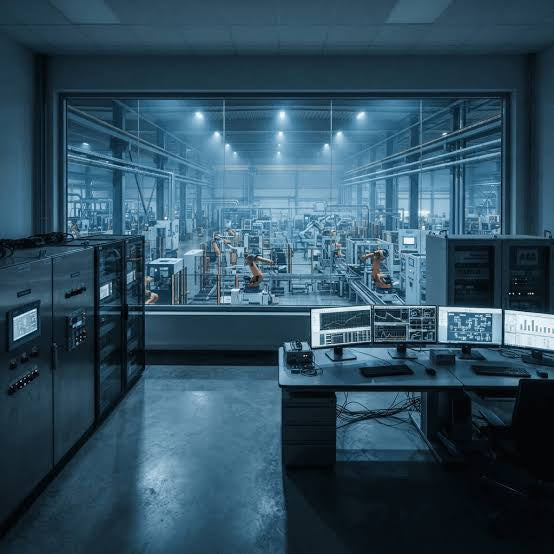
Understanding Modern SCADA Systems: Architecture, Communication Topologies, and Industrial Applications
Supervisory Control and Data Acquisition (SCADA) systems form the digital backbone of modern industrial automation. They collect critical field data, transmit signals across vast distances, and empower plant operators with real-time process visibility. Across modern infrastructures, SCADA solutions streamline centralized control and maintain continuous operational uptime.