










Product Details
Product Overview
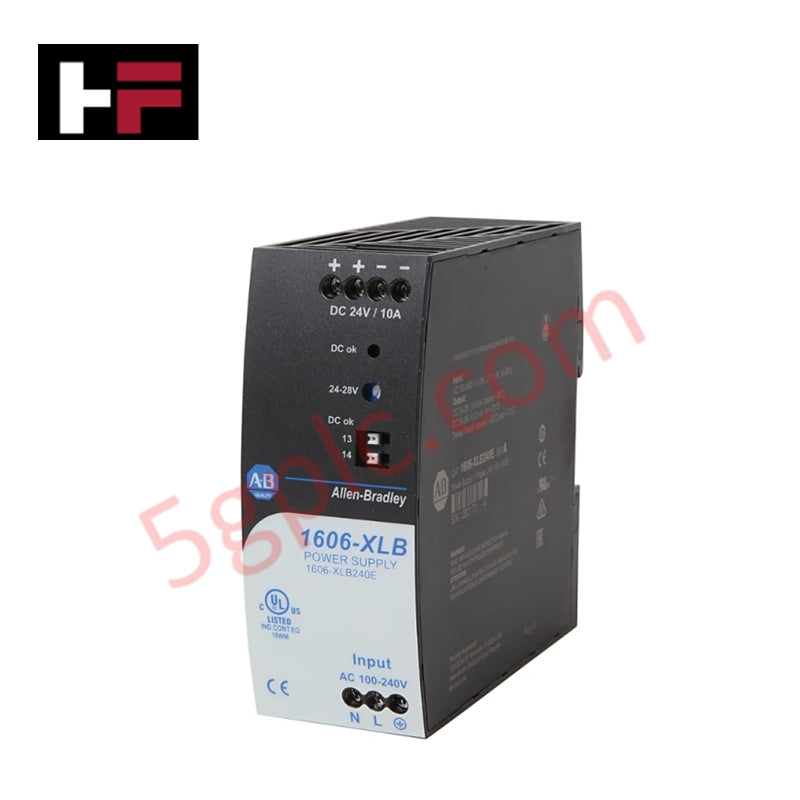
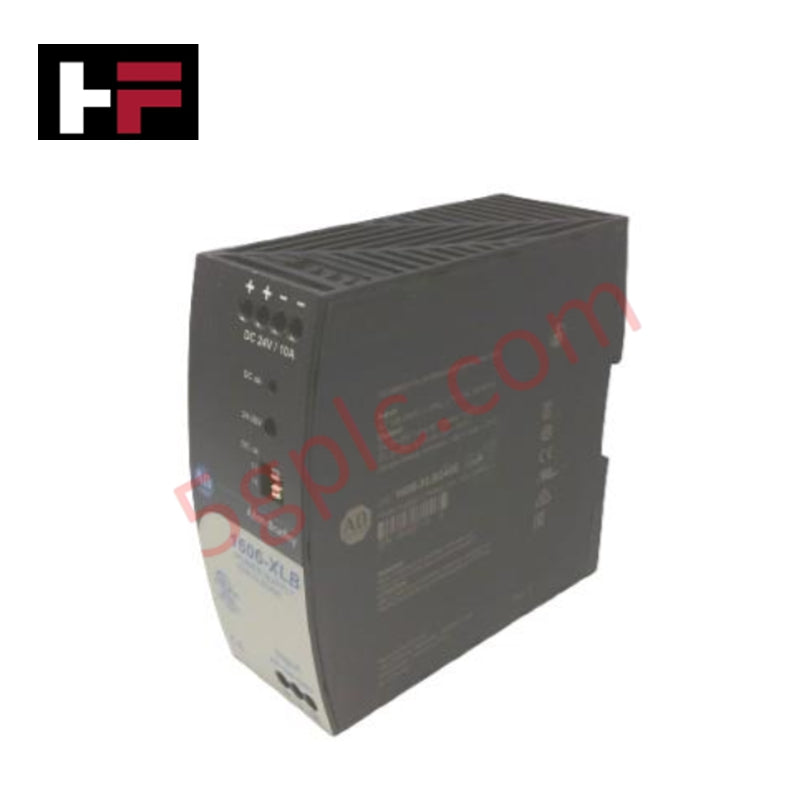
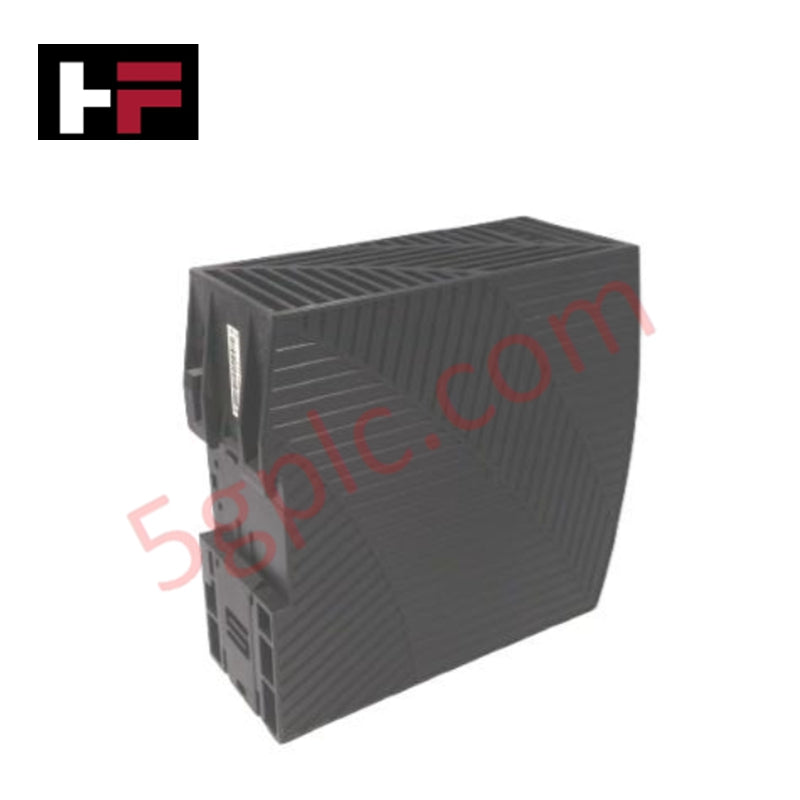
The Allen-Bradley 1606-XLB240E serves as a high-efficiency energy heart for industrial control systems. As part of the 1606-XLB basic series, this single-phase power supply converts universal AC input into a stabilized 240 Watt DC output. It provides the necessary voltage for PLCs, HMIs, and field sensors while maintaining a slim physical profile. We offer this unit as 100% Brand New original factory stock to ensure consistent performance and full compliance with industrial electrical safety standards.
Technical Specifications
| Feature | Specification |
| Manufacturer | Allen-Bradley / Rockwell Automation |
| Product Line | 1606-XLB Series (Basic) |
| Rated Output Power | 240 Watts |
| Output Voltage Range | 24–28V DC (Adjustable) |
| Input Voltage (AC) | 100–240V AC (Universal Input) |
| Phase | Single-Phase |
| Mounting | DIN-Rail Mount |
| Weight | 1.23 lbs (0.56 kg) |
| Efficiency | High-efficiency Switched Mode |
Engineering Advantages
-
Universal Voltage Compatibility: The 1606-XLB240E accepts a broad input range from 100V to 240V AC. This allows global deployment across different power grids without the need for additional step-down transformers or manual voltage selectors.
-
Narrow-Width Chassis Design: This module occupies minimal horizontal space on the DIN-rail. The compact 1.23 lb architecture helps engineers fit more control components into standard 24-inch or 36-inch electrical enclosures, effectively solving the "density bottleneck" in complex machine builds.
-
Precision Voltage Trimming: The adjustable 24–28V DC output allows users to compensate for voltage drops over long cable runs. By fine-tuning the output at the source, you ensure that distant field devices receive exactly 24V DC, preventing sensor malfunctions and communication errors.
-
Stable Thermal Management: The high-efficiency switching circuitry generates less waste heat. This reduces the thermal load within the cabinet, extending the lifespan of adjacent sensitive electronics like CPU modules and analog input cards.
FAQs
-
Can the 1606-XLB240E handle high-inrush startup currents?
Yes. This power supply features a robust output buffer that handles typical industrial load surges during motor startup or capacitive load charging without triggering a shutdown.
-
Does this model support parallel operation for redundancy?
The 1606-XLB series primarily targets standard applications. For N+1 redundancy or power-sharing configurations, we recommend using the 1606-XLS series or an external redundancy module to prevent reverse current damage.
-
Is the output voltage factory-fixed?
While it comes preset to 24V DC, the unit includes a front-facing potentiometer. This allows you to adjust the output up to 28V DC to accommodate specific system requirements.
-
Does this product ship in the original Allen-Bradley box?
Absolutely. We supply this product as 100% Brand New in original factory packaging, complete with the manufacturer’s installation instructions and safety documentation.
Additional Information
- 100% Genuine Parts: All products are original and authentic, ensuring reliable industrial performance.
- 30-Day Refund Guarantee: Return any in-stock item within 30 days in original, unopened packaging for a full refund (excluding shipping and fees).
- 12-Month Warranty: Covers defects in materials or workmanship; excludes misuse, normal wear, or unauthorized modifications.
- Worldwide Shipping: We ship via USPS, UPS, FedEx, and DHL. Delivery times vary by country and may be subject to customs or import fees.
- Support & Contact: Technical and warranty assistance is available anytime. Contact us here: Contact.
- Purchase Guidance: Check product specifications and compatibility carefully before ordering to ensure proper application.
Tech & Buying Guide

Marshalling Cabinet Preventive Maintenance: Essential Healthiness Checks for PLC, DCS, and ESD Systems
Marshalling cabinets serve as the vital interface between field instrumentation and control room electronics in modern process facilities. Regular preventive maintenance of these cabinets ensures signal integrity across programmable logic controllers (PLCs), distributed control systems (DCS), and emergency shutdown (ESD) networks. System technicians must execute structured inspection protocols to mitigate environmental risks, identify loose wiring, and maintain continuous operational readiness.

Spatial Computing in Industrial Automation: Elevating PLC and DCS Operations with AR and VR
Industry 4.0 integrates digital intelligence into field operations, transforming factory automation landscapes worldwide. Spatial technologies—specifically Augmented Reality (AR) and Virtual Reality (VR)—redefine how engineers interact with industrial control systems. By bridging computer-generated CAD models with real-time operational technology (OT) data, immersive displays enable intuitive monitoring, rapid diagnostics, and safer maintenance across complex processing facilities.

Master Acceptance Testing: Understanding FAT and SAT in Industrial Control Systems
Factory Acceptance Testing (FAT) and Site Acceptance Testing (SAT) serve as critical quality assurance gateways in complex industrial control systems. Both procedures verify that programmable logic controllers (PLCs), distributed control systems (DCS), and associated field devices meet strict functional specifications. However, executing these tests effectively requires clear delineation between off-site staging and final field commissioning.