












Product Details
Product Overview
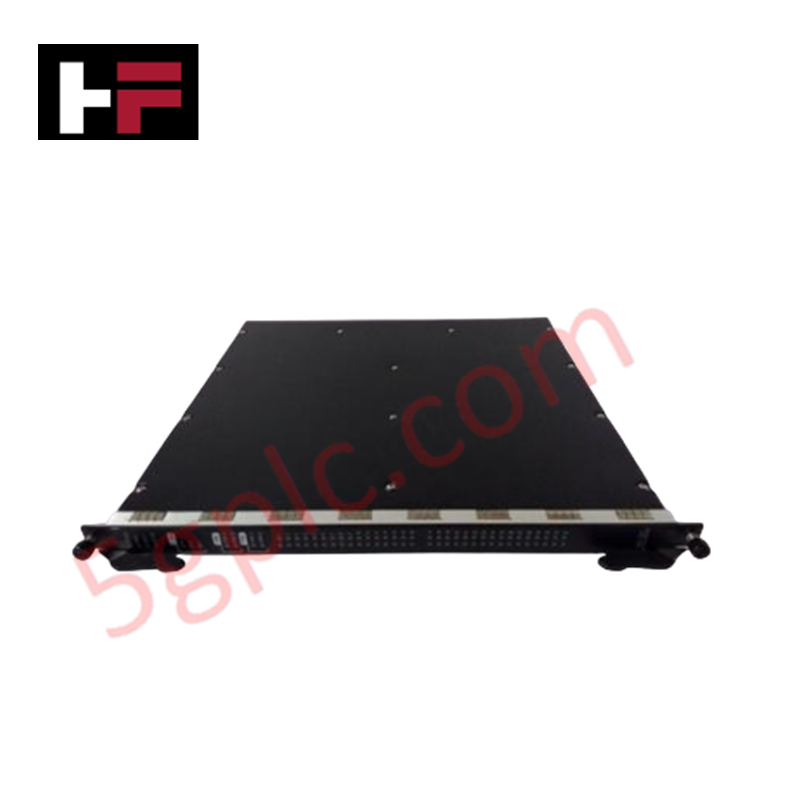
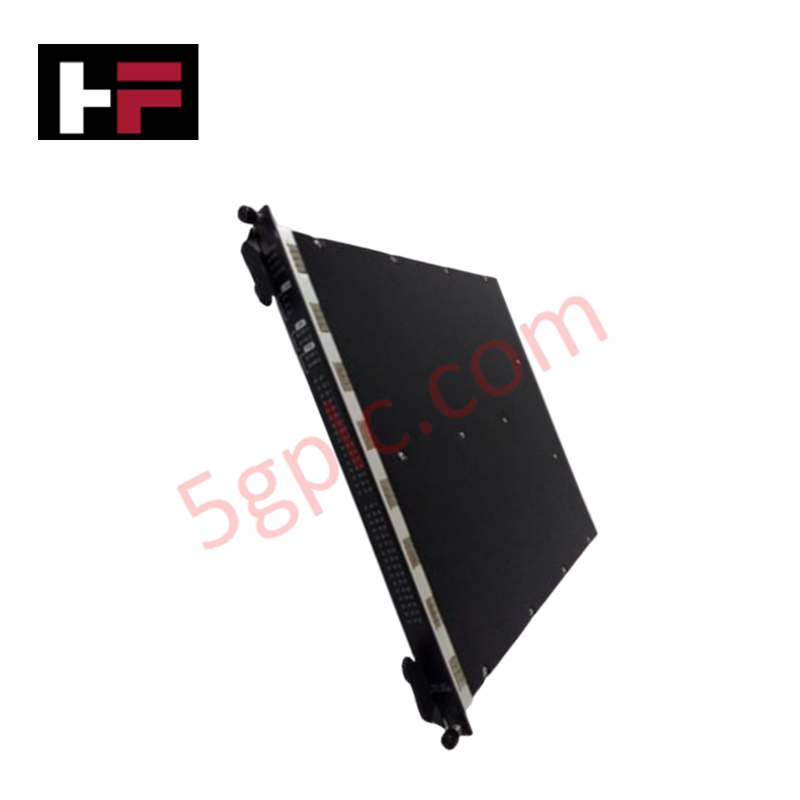
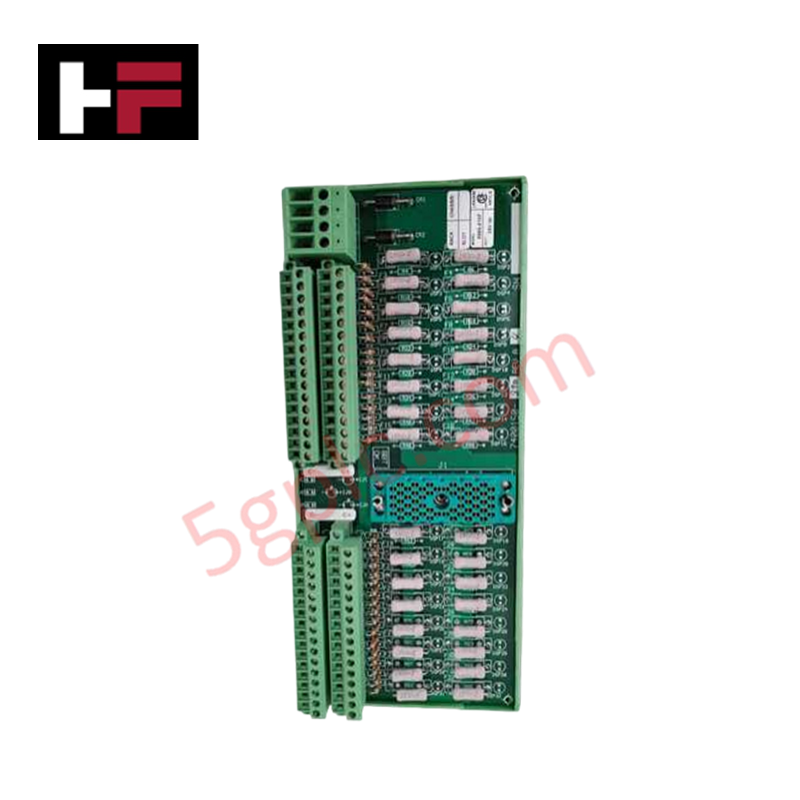
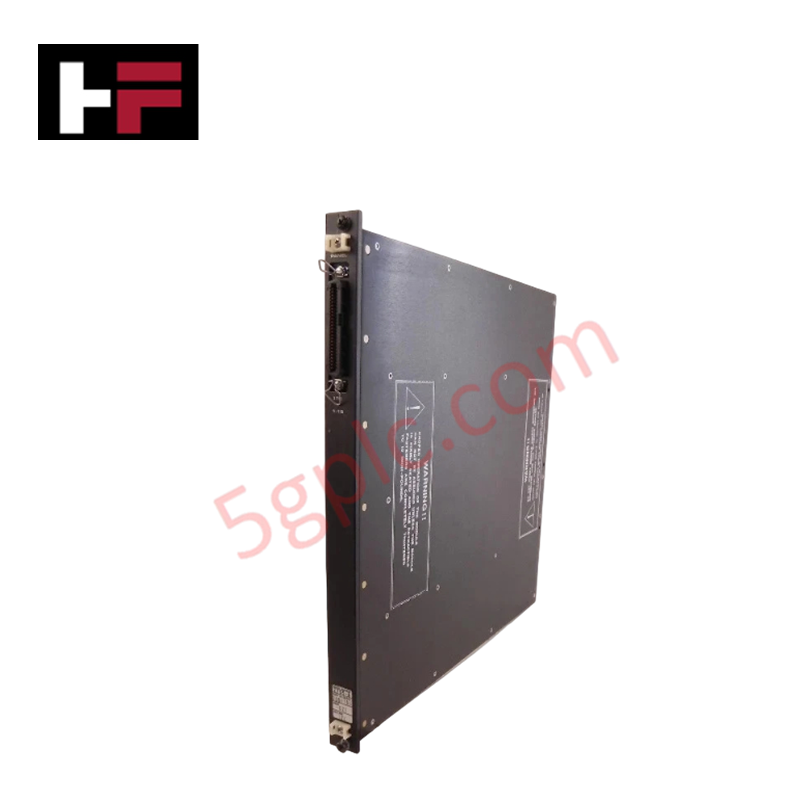
The Yokogawa ADM52C-2 functions as a high-density contact output interface within the CENTUM Distributed Control System (DCS). This module manages 32 discrete output points, allowing the control system to actuate external devices such as solenoid valves, motor starters, and indicating lamps. It serves as a critical bridge between digital control logic and field-level execution, providing reliable switching performance for industrial automation sequences.
Technical Specifications
The ADM52C-2 utilizes a ruggedized design to handle high-density switching requirements:
| Feature | Specification |
| Manufacturer | Yokogawa |
| Model | ADM52C-2 |
| Product Type | Contact Output Module (Discrete Output) |
| Number of Points | 32 Points |
| Terminal Type | M4 Screws (Secure termination) |
| Connecting Cable | KS9 Interface Cable |
| Weight | 1.5 kg |
| Condition | 100% Brand New and Original |
Engineering Advantages
-
High-Density Output Management: The 32-point architecture allows engineers to control an extensive array of field devices from a single slot. This concentration reduces the overall I/O nest footprint and simplifies cabinet layout.
-
Secure Industrial Terminations: The module features M4 screw terminals, which provide superior mechanical retention compared to spring-clamp designs. This ensures electrical contact integrity in high-vibration environments like turbine halls or pumping stations.
-
Standardized KS9 Interconnectivity: By utilizing the KS9 connecting cable, the ADM52C-2 streamlines the link between the module and terminal boards. This standardized cabling prevents wiring errors and drastically reduces the time required for system commissioning and cabinet dressing.
-
Robust Load Control: The internal circuitry isolates the control bus from field-side electrical transients. This hardware protection ensures that inductive kickback from solenoids or external relay coils does not compromise the stability of the main DCS processor.
FAQs
-
Is this Yokogawa ADM52C-2 unit new or refurbished?
We supply this module as 100% Brand New and Original equipment. It arrives in the original factory packaging, ensuring you receive a unit with zero operational wear and full manufacturer reliability.
-
What specific cable do I need for this module?
The ADM52C-2 requires a KS9 cable for connection to the system interface. Ensure you select the appropriate cable length to reach your terminal block assembly without putting strain on the connectors.
-
Can I replace an older ADM52 model with the ADM52C-2?
The ADM52C-2 typically functions as a direct or superior replacement within the CENTUM series. However, always verify your system’s software revision and current terminal board compatibility before hot-swapping hardware.
-
Does the unit come with the M4 screws included?
Yes. The module includes the standard M4 screw terminal assembly, allowing for immediate installation and field wiring upon delivery.
Additional Information
- 100% Genuine Parts: All products are original and authentic, ensuring reliable industrial performance.
- 30-Day Refund Guarantee: Return any in-stock item within 30 days in original, unopened packaging for a full refund (excluding shipping and fees).
- 12-Month Warranty: Covers defects in materials or workmanship; excludes misuse, normal wear, or unauthorized modifications.
- Worldwide Shipping: We ship via USPS, UPS, FedEx, and DHL. Delivery times vary by country and may be subject to customs or import fees.
- Support & Contact: Technical and warranty assistance is available anytime. Contact us here: Contact.
- Purchase Guidance: Check product specifications and compatibility carefully before ordering to ensure proper application.





Tech & Buying Guide

Understanding Root Causes of Unplanned PLC Stop Mode in Industrial Automation
Modern Programmable Logic Controllers manage execution through distinct operational states: Run, Stop, Start-Up, and Hold. During power-up, a controller initializes memory registers within Stop mode before briefly transitioning to Start-Up mode. During this phase, internal self-diagnostics evaluate system integrity across hardware and user programs. If the controller detects no critical faults, it enters Run mode to execute the control program continuously. However, any severe system anomaly forces the CPU back into Stop mode immediately to prevent erratic machine behavior across the plant floor.

Human-Machine Interface Design: Essential Guide to HMI Selection, Visualization, and Control System Integration
Human-Machine Interfaces (HMIs) serve as the primary operational window into complex industrial automation systems. Modern HMIs convert raw machine data into clear graphical displays, enabling operators to oversee entire manufacturing processes in real time. Instead of relying on physical control panels full of hardwired switches, engineers program interactive screens using intuitive graphics, dynamic color coding, and responsive touch interfaces. Over my 15 years in control systems engineering, I have observed HMIs transform from basic display screens into sophisticated command centers that drive operational efficiency across DCS and PLC environments.

Understanding Safety Relays in Industrial Automation: Architecture, Operation, and Functional Safety
Standard electromechanical relays provide basic electrical isolation between low-voltage control circuits and high-power output loads. A traditional switching relay features a magnetic coil driving mechanical Common (COM), Normally-Open (NO), and Normally-Closed (NC) contacts. However, standard relays pose severe functional risks when deployed in critical safety interlock circuits. High current inrush or mechanical wear can weld contacts together permanently. If contact welding occurs in an emergency stop circuit, pressing the button fails to halt hazardous machinery movements. Consequently, global functional safety standards prohibit standard relays for critical machine guarding functions.