










Product Details
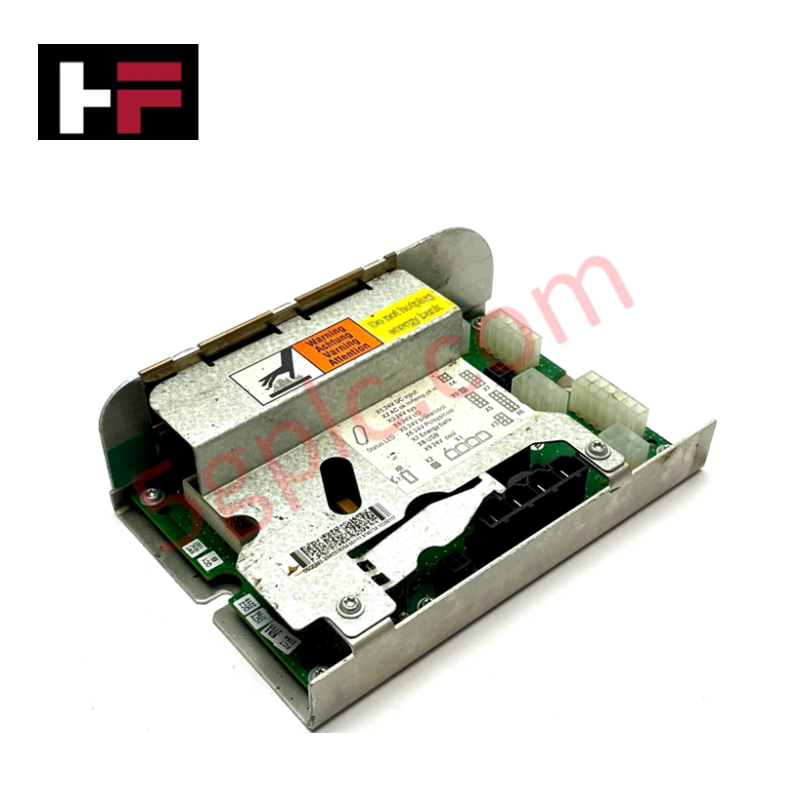
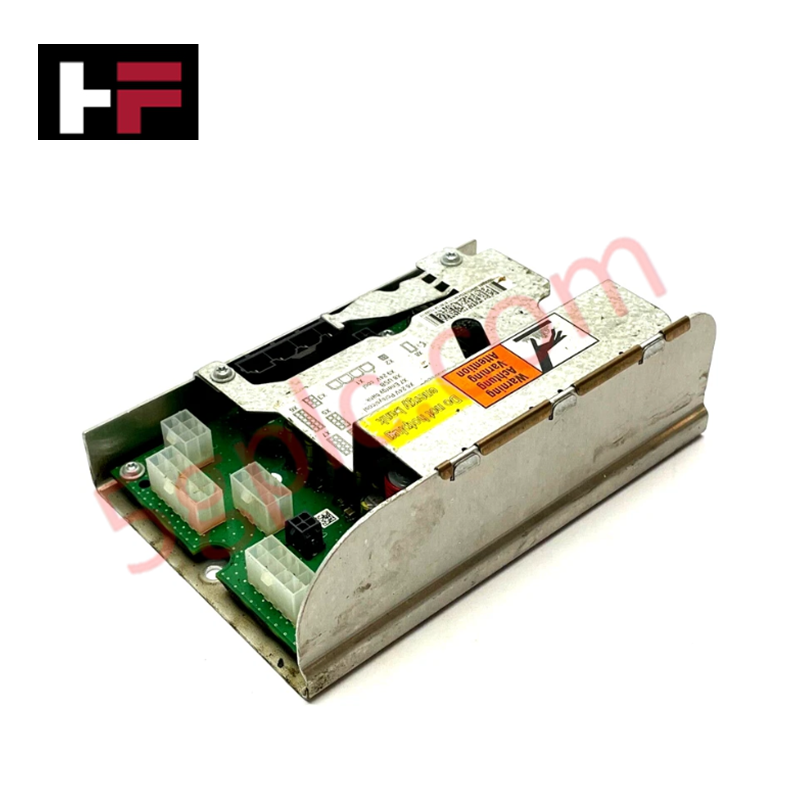
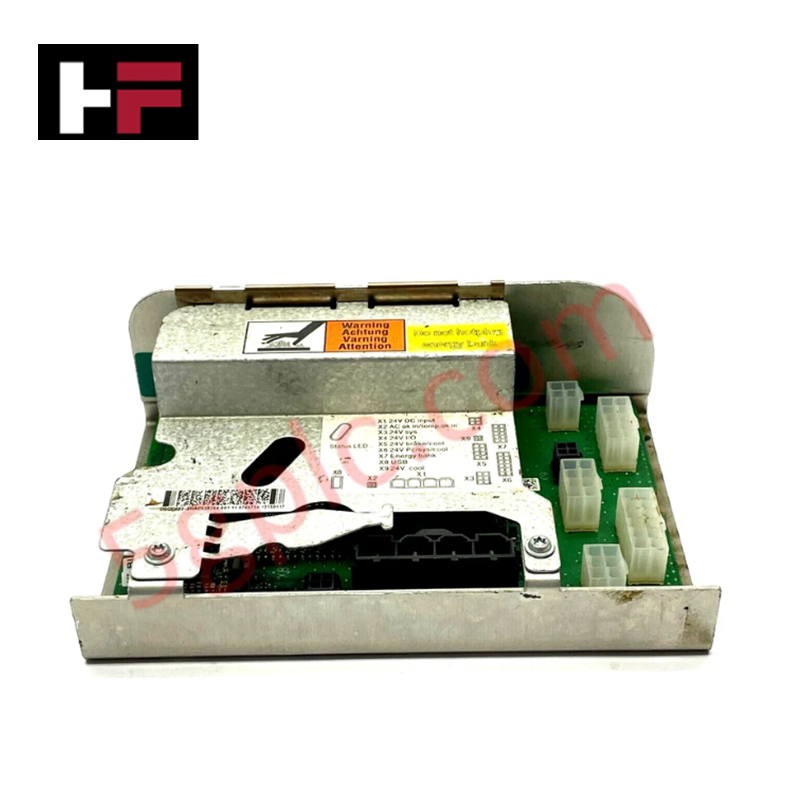
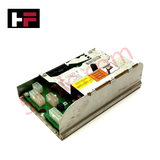
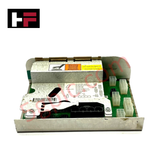
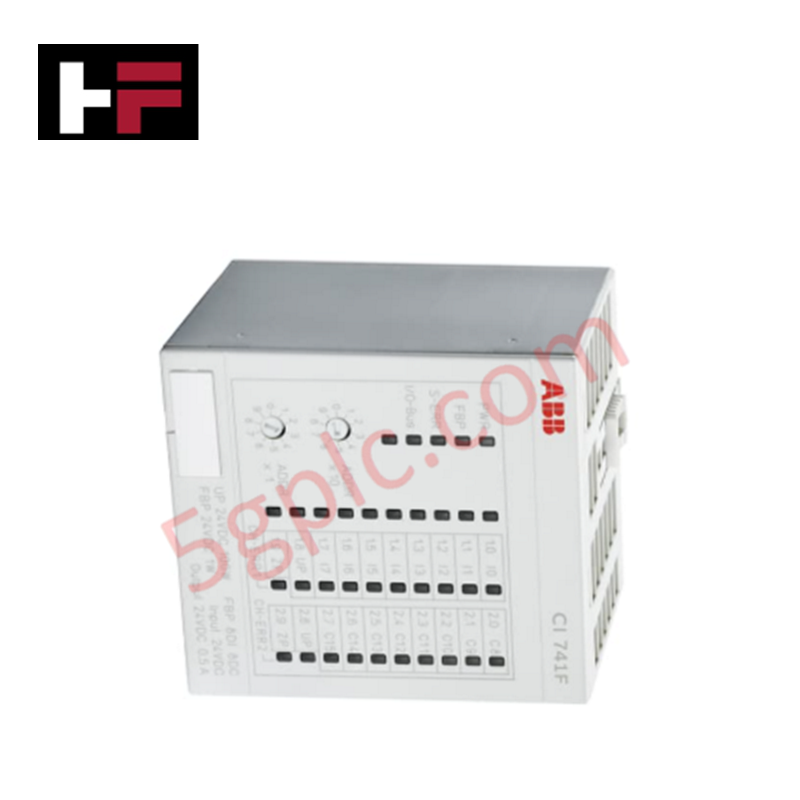
The ABB DSQC 662 (3HAC026254-001 Power Distribution Unit), also cataloged as the DSQC 662 Power Distribution Unit, operates as a dedicated hardware component for localized voltage regulation and electrical load distribution within IRC5 controller chassis architectures.
Hardware Specifications
| Parameter | Specification |
|---|---|
| Model | DSQC 662 |
| Brand | ABB |
| Part Number | 3HAC026254-001 |
| Origin | China |
| Weight | 0.42 kg |
| Dimensions | 165 mm x 110 mm x 83.5 mm |
| Operating Temp | Standard industrial ambient |
| Power Consumption | Load dependent |
| Function | Power Distribution |
Backplane bus communication velocity and power integrity
The DSQC 662 manages the secondary power distribution rails within the control cabinet, ensuring that auxiliary components receive stable supply voltages derived from the primary DC bus. The unit utilizes internal bus logic to monitor current draw and prevent thermal overloading of connected peripherals. Integration with the backplane communication architecture allows the system controller to register status changes in the power distribution state, ensuring that diagnostic feedback on voltage stability is communicated at high velocity to the system CPU. Maintain proper bus load calculations to ensure that the total power demand does not exceed the capacity of the distribution circuitry.
Frequently Asked Questions
Q: Does the DSQC 662 support hot-swapping during active system operation?
A: No. The unit must be disconnected from the main power bus prior to removal or installation to prevent electrical arcing and potential damage to backplane connectors.
Q: Is this power distribution unit field-repairable at the component level?
A: No. The assembly is sealed for operational integrity. Internal failures require the replacement of the entire unit to maintain compliance with safety and electrical specifications.
Field Installation Guidelines
- Mounting: Secure the DSQC 662 to the designated chassis position using the provided mounting points. Ensure that the metal chassis provides a low-impedance path to the common system ground.
- Wiring Integrity: Use shielded cabling for all outgoing power distribution lines to minimize electromagnetic interference (EMI) with adjacent signal-level communication lines.
- Grounding: Ensure that the grounding lug on the unit is connected to the primary cabinet grounding bus using a conductor of at least 2.5 mm squared cross-section to maintain equipotential bonding.
- Inspection: Prior to energizing, perform a continuity check on all output terminals to confirm the absence of short circuits to the chassis ground.
- Environmental: Maintain the mounting location free from conductive dust, excessive moisture, and vibration levels exceeding standard industrial specifications to ensure long-term reliability of the internal power conversion electronics.
Additional Information
- 100% Genuine Parts: All products are original and authentic, ensuring reliable industrial performance.
- 30-Day Refund Guarantee: Return any in-stock item within 30 days in original, unopened packaging for a full refund (excluding shipping and fees).
- 12-Month Warranty: Covers defects in materials or workmanship; excludes misuse, normal wear, or unauthorized modifications.
- Worldwide Shipping: We ship via USPS, UPS, FedEx, and DHL. Delivery times vary by country and may be subject to customs or import fees.
- Support & Contact: Technical and warranty assistance is available anytime. Contact us here: Contact.
- Purchase Guidance: Check product specifications and compatibility carefully before ordering to ensure proper application.






Tech & Buying Guide

Essential Best Practices for PLC Wiring and Installation in Industrial Automation
Successful control system deployment begins with thoroughly reviewing manufacturer technical documentation. Controllers from major brands like Allen-Bradley, Siemens, and Schneider Electric feature unique terminal layouts. Engineers must verify voltage requirements before connecting power cables to prevent catastrophic equipment damage. Standard line connections require strict adherence to regional electrical codes and proper wire color coding. Furthermore, panel builders should always establish a robust low-impedance ground connection using at least 16-AWG copper conductor tied directly to the main plant grounding grid.

Demystifying Programmable Logic Controllers: Comprehensive Guide to PLC Classification and Selection in Industrial Automation
Modern industrial automation heavily relies on Programmable Logic Controllers (PLCs) to drive factory floor efficiency. Over my 15 years as an industrial automation expert working with DCS, TSI, and control systems, I have seen PLCs evolve into the central nervous system of modern manufacturing. Selecting the right controller requires a deep understanding of PLC types based on physical size, hardware architecture, and power supply configurations.

Comprehensive Guide to PLC Types in Modern Industrial Automation
Modern industrial automation relies on programmable logic controllers to govern critical factory operations. System integrators classify PLCs based on scale, hardware architecture, and power supply design. Understanding these core categories enables automation engineers to select the right control system architecture. Consequently, proper hardware selection optimizes performance while minimizing long-term operational costs.