










Product Details
Product Overview
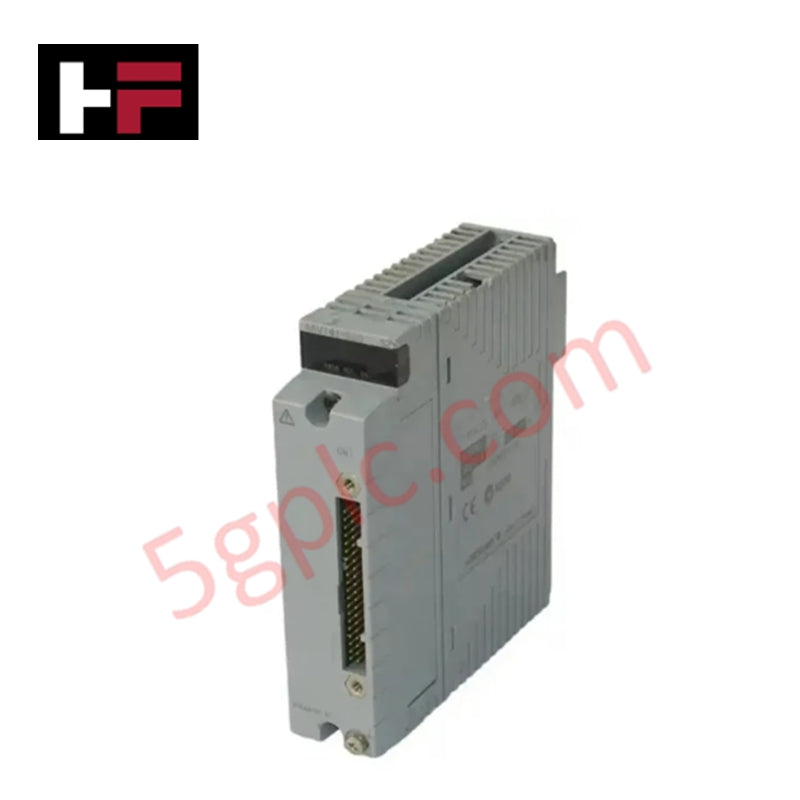
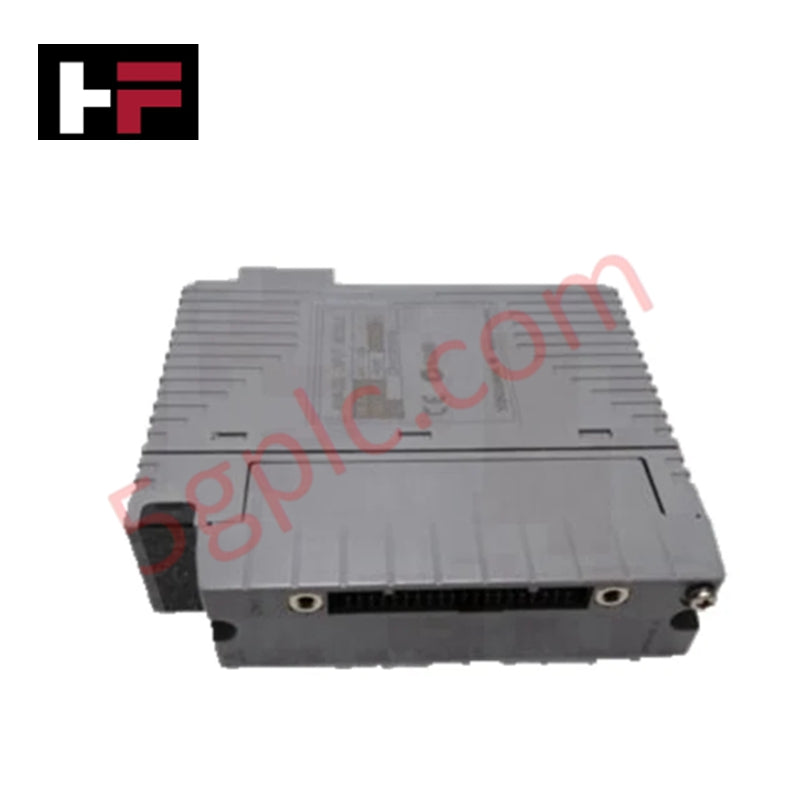
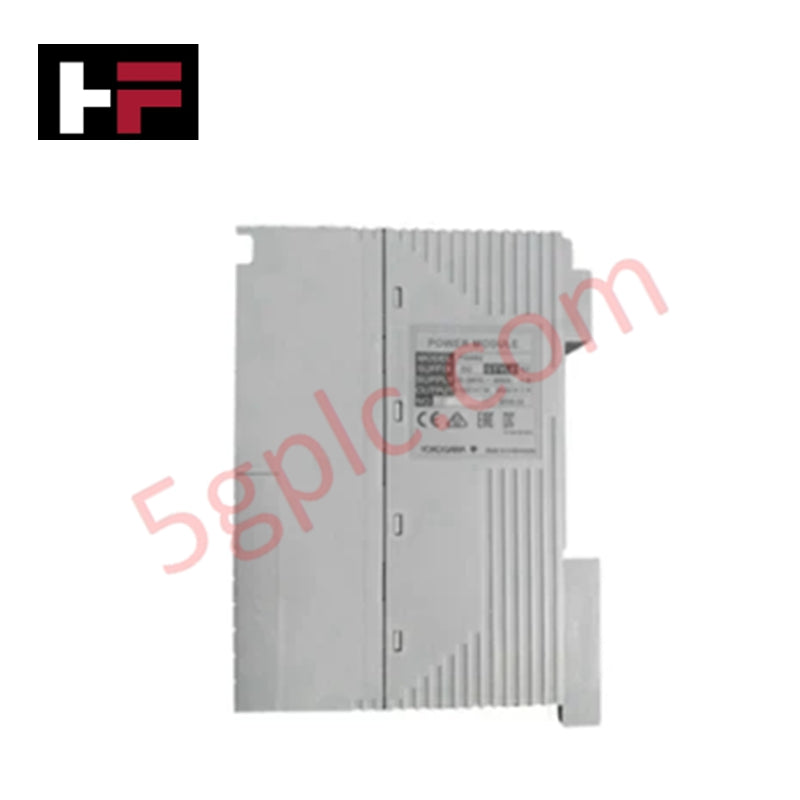
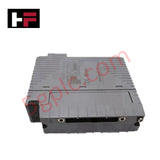
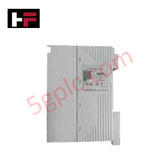
The Yokogawa AAI143-S50/K4S00 functions as a high-performance analog input interface for the CENTUM VP and CENTUM CS 3000 Distributed Control Systems (DCS). This module supports 16 isolated channels of 4-20 mA current signals, capturing critical data from field transmitters such as pressure, temperature, and flow sensors. The "S50" designation indicates a standard-type module with G3 corrosive resistance, ensuring long-term hardware integrity in harsh industrial atmospheres.
Condition: 100% Brand New and Original Factory Sealed.
Part Number Breakdown: AAI143-S50/K4S00
Yokogawa uses specific suffixes to define environmental protection and connection logic:
-
AAI143: 16-Channel, 4-20 mA Analog Input Module.
-
-S: Standard Type.
-
5: With G3 Corrosive Resistance (Protects against $H_2S$, $SO_2$, and $Cl_2$ gases).
-
0: Basic Specification.
-
K4S00: Indicates a specific bundle or terminal connection set (typically refers to the sub-model for pressure-clamp terminal or KS cable interface compatibility).
Technical Specifications
The AAI143-S50 utilizes high-resolution analog-to-digital conversion to provide precise process variables to the controller.
| Feature | Specification |
| Number of Channels | 16, isolated |
| Input Signal | 4 to 20 mA DC |
| Input Impedance | 250 Ω (Internal) |
| Allowable Input Current | 24 mA DC |
| Accuracy | ±0.1% of full scale |
| Data Update Cycle | 10 ms |
| Withstand Voltage | 1500 V AC between input and system |
| Maximum Current Consumption | 230 mA (5 V DC), 540 mA (24 V DC) |
| Weight | Approx. 0.35 kg |
Engineering Advantages
-
G3 Environmental Protection: The "S50" variant features specialized conformal coating to resist G3-level corrosive gases. This prevents silver and copper corrosion on the PCB, making it the preferred choice for paper mills, wastewater treatment, and petrochemical refineries.
-
High-Density Rack Configuration: Processing 16 isolated channels within a single slot maximizes I/O density. This allows for smaller cabinet footprints and reduces the number of required RIO (Remote I/O) nodes.
-
Advanced Signal Isolation: The module provides 1500 V AC withstand voltage between the field inputs and the system bus. This isolation prevents electrical noise and surges from propagating to the CPU, ensuring the stability of the entire control network.
-
Fast Loop Response: A 10 ms data update cycle provides near-instantaneous feedback for high-speed control loops. This allows the DCS to manage rapid process changes in volatile environments without signal lag.
FAQs
-
What is the benefit of the K4S00 suffix?
The K4S00 suffix typically designates the connection style. It ensures compatibility with specific Yokogawa terminal boards or KS signal cables, allowing for a standardized "plug-and-play" installation within the subrack.
-
Does the AAI143-S50 support 2-wire transmitter power?
The AAI143-S50 accepts 4-20 mA signals. Depending on the baseplate used (such as the AAB841), the system can provide the necessary 24V DC loop power to the transmitters through the same signal wires.
-
How does the G3 rating affect the module's lifespan?
Standard modules may fail prematurely in high-sulfur or high-chlorine environments due to "whiskers" or corrosion. The G3 rating on the S50 version significantly extends the Mean Time Between Failures (MTBF) in these aggressive atmospheres.
-
Can I use this module in a redundant configuration?
Yes. CENTUM VP supports redundant I/O. By installing two AAI143 modules in adjacent slots on a redundant-capable baseplate, the system maintains continuous operation even if one module fails.
Additional Information
- 100% Genuine Parts: All products are original and authentic, ensuring reliable industrial performance.
- 30-Day Refund Guarantee: Return any in-stock item within 30 days in original, unopened packaging for a full refund (excluding shipping and fees).
- 12-Month Warranty: Covers defects in materials or workmanship; excludes misuse, normal wear, or unauthorized modifications.
- Worldwide Shipping: We ship via USPS, UPS, FedEx, and DHL. Delivery times vary by country and may be subject to customs or import fees.
- Support & Contact: Technical and warranty assistance is available anytime. Contact us here: Contact.
- Purchase Guidance: Check product specifications and compatibility carefully before ordering to ensure proper application.





Tech & Buying Guide

Mastering Wire Identification in Industrial Automation: The Power of Ferrules and Cross-Ferruling
Proper wire labeling forms the cornerstone of reliable control system installation and long-term maintenance. In complex industrial automation environments, technicians terminate thousands of conductor ends inside control panels, marshalling racks, and field junction boxes. Ferrules serve as individual tube-shaped sleeve markers slipped onto conductors before final termination. While technicians historically relied on pre-printed individual letter rings, modern control panel builders utilize automated ferrule printing machines. These thermal-transfer printers generate durable, single-sleeve heat-shrink tags directly matching approved wiring schematics, significantly accelerating cabinet assembly workflows.

Understanding Marshalling Cabinets in Industrial Automation and Control Systems
Marshalling cabinets serve as the crucial connection hub between field instruments and centralized processing units. In large DCS and PLC control system architectures, hundreds of multipair field cables run from local junction boxes to the central instrument equipment room. The marshalling cabinet houses field terminal blocks, surge arresters, intrinsic safety isolation barriers, and interposing relays. By segregating field field-wiring terminations from sensitive processor hardware, engineers protect expensive controller backplanes from high-voltage transients. Consequently, this modular separation dramatically streamlines maintenance workflows and simplifies system expansion.

Essential Best Practices for PLC Wiring and Installation in Industrial Automation
Successful control system deployment begins with thoroughly reviewing manufacturer technical documentation. Controllers from major brands like Allen-Bradley, Siemens, and Schneider Electric feature unique terminal layouts. Engineers must verify voltage requirements before connecting power cables to prevent catastrophic equipment damage. Standard line connections require strict adherence to regional electrical codes and proper wire color coding. Furthermore, panel builders should always establish a robust low-impedance ground connection using at least 16-AWG copper conductor tied directly to the main plant grounding grid.