










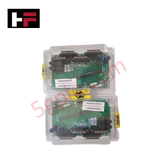
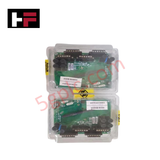
Product Details
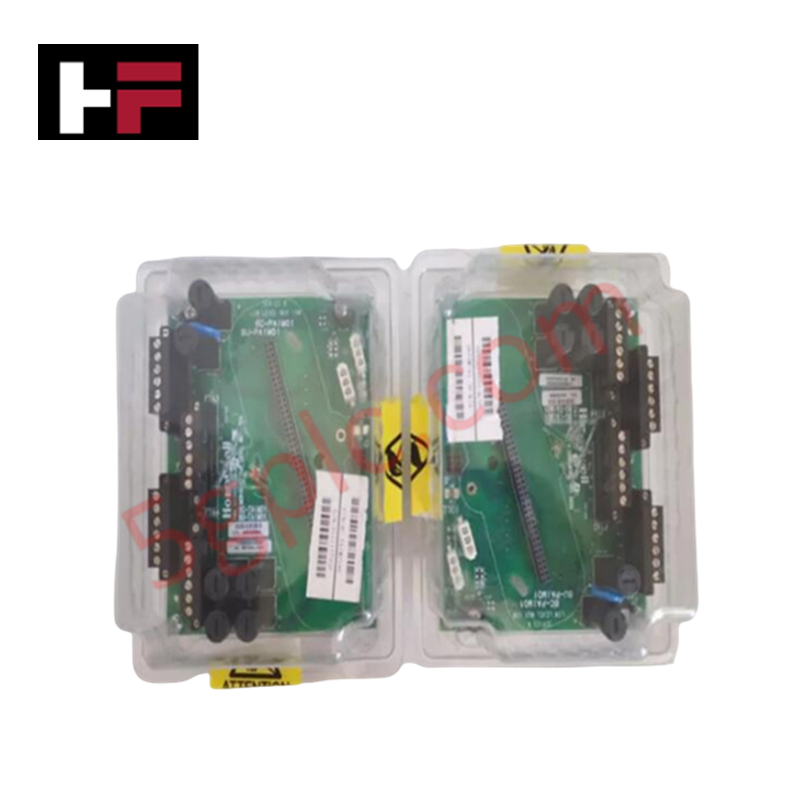
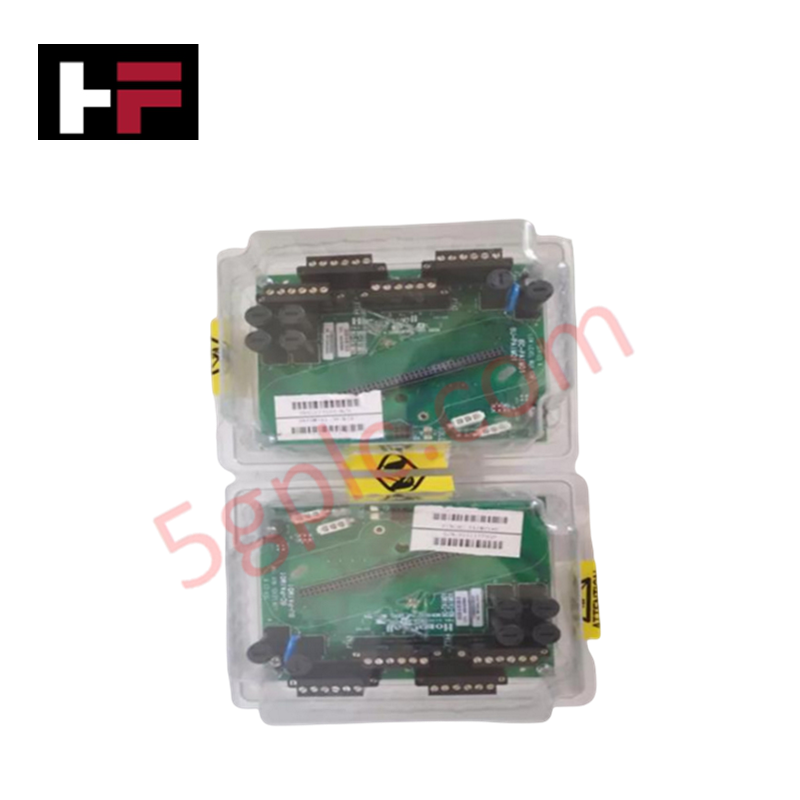
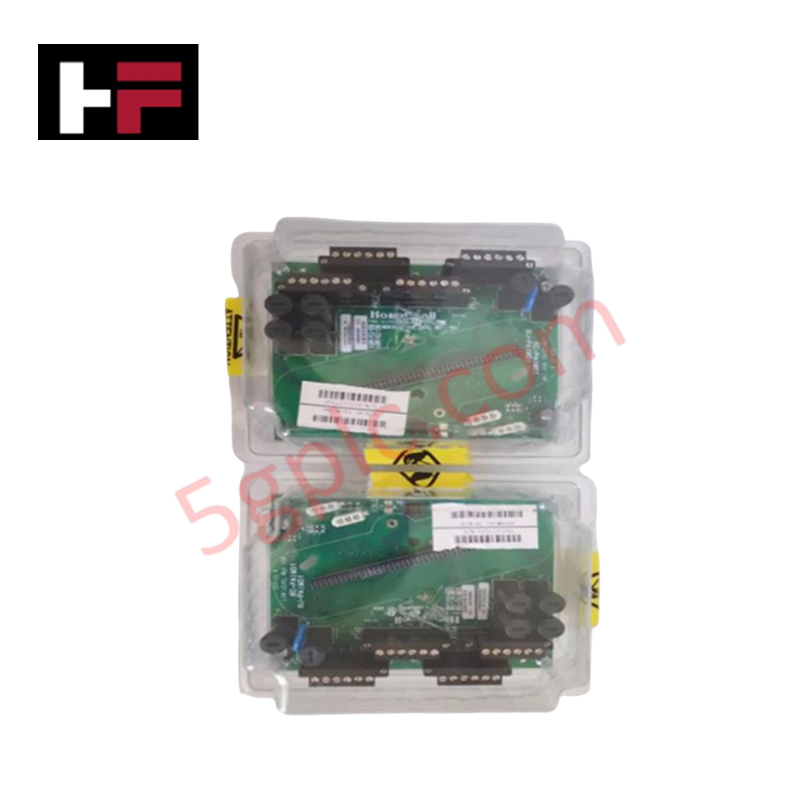
The Honeywell 8C-TAIM01 51306999-175 serves as the primary 8C-TAIM01 Analog Input Module utilized to execute high-level current signal acquisition across Series 8 control platforms. The assembly interfaces with remote transmitters to accept high-level loop currents, performing analog-to-digital processing and field power distribution directly via the PMIO Low Level Mux IOTA (Input Output Termination Assembly) architecture without requiring external marshalling components.
Hardware Specifications
| Parameter | Specification |
|---|---|
| Model | 8C-TAIM01 51306999-175 |
| Brand | Honeywell |
| Series / Module Type | Series 8 / PMIO LL Mux IOTA |
| Origin | USA |
| Weight | 0.56 kg |
| Dimensions | 3 cm x 31.3 cm x 27.8 cm |
| Operating Temp | 0 to 60 deg C (Standard industrial range) |
| Power Consumption | Base backplane power required, delivers non-incendive field power |
| Coating | Conformal Coated |
| Input Type | High level analog current inputs |
| Signal Range | 4-20 mA loop configurations |
| Redundancy | Optional hardware redundancy supported |
| Hazardous Rating | Division 2 non-incendive field power rating |
4-20 mA HART Loop Protocol and Field Execution
The hardware platform incorporates dedicated 4-20 mA loop processing circuits designed to provide structural channel-to-channel isolation parameters. By deploying an internal power limiting configuration, the module supplies integrated non-incendive field power directly to connected 4-20 mA field loops, eliminating the requirement for external power supplies or intermediate marshalling panels in Division 2 environments. The analog-to-digital converter matrix runs extensive background self-diagnostics alongside a fast loop scan execution loop, ensuring real-time signal validation and cross-talk suppression during multi-channel operation.
Frequently Asked Questions
Q: How does the module execute channel protection during a field wiring short circuit?
A: The module features integrated channel power protection within its non-incendive current-limiting circuitry. A short circuit on an individual 4-20 mA loop restricts the current fault locally, preventing damage to the module electronics and isolating the fault from affecting adjacent channels on the IOTA.
Q: Is hot-swap replacement permitted for the 8C-TAIM01 module in live redundant architectures?
A: Yes, if the underlying IOTA configuration is populated with an optional redundant module pair. The active module maintains continuous fast loop scans while the faulty secondary module is extracted and replaced, provided standard static-discharge protocols and latching steps are followed.
Field Installation Guidelines
- Physical Orientation: Align the module guide rails with the specific Series 8 PMIO LL Mux IOTA slot position. Press firmly until the mechanical locking ears click into the fully engaged tracking position on the carrier backplane.
- Field Loop Wiring: Connect the high-level current transmitter leads to the designated IOTA terminal block channels. Ensure field wires are stripped uniformly and clamped tightly to maintain non-incendive loop integrity.
- Shield Termination: Terminate field cable shields at the designated chassis ground bus bar on the cabinet wall. Do not float the shield at both ends; ground exclusively at the control system marshaling point to eliminate ground loops.
- Conformal Coating Integrity: Inspect the assembly surface prior to installation to ensure the protective conformal coating is free of deep scratches or cracks that could expose copper traces to corrosive atmospheric elements.
Additional Information
- 100% Genuine Parts: All products are original and authentic, ensuring reliable industrial performance.
- 30-Day Refund Guarantee: Return any in-stock item within 30 days in original, unopened packaging for a full refund (excluding shipping and fees).
- 12-Month Warranty: Covers defects in materials or workmanship; excludes misuse, normal wear, or unauthorized modifications.
- Worldwide Shipping: We ship via USPS, UPS, FedEx, and DHL. Delivery times vary by country and may be subject to customs or import fees.
- Support & Contact: Technical and warranty assistance is available anytime. Contact us here: Contact.
- Purchase Guidance: Check product specifications and compatibility carefully before ordering to ensure proper application.
Tech & Buying Guide

Essential Motion Control Commands: A Practical Guide for Engineers
Automation engineers often rely on precise position and speed control to drive modern factory machinery. Modern industrial systems, such as Programmable Logic Controllers (PLCs) and Distributed Control Systems (DCS), depend heavily on standardized motion instructions. Mastering these commands ensures operational safety, protects mechanical components, and optimizes cycle times across production lines.

The Role of Intrinsic Safety Barriers in PLC and DCS Architectures
Implementing robust protection in hazardous industrial environments represents a fundamental safety requirement in factory automation. Process facilities often handle volatile gases, dusts, and chemical agents that pose significant combustion risks. Consequently, control system engineers must deploy energy-limiting interfaces to isolate safe-area control cabinets from hazardous-area field instrumentation. This article examines the function, selection, and electrical principles of intrinsic safety barriers within modern PLC and DCS networks.

Architectural Selection and Scale Classification of PLC Systems in Industrial Automation
Selecting the correct control platform represents a foundational engineering decision in factory automation. System designers must carefully balance technical parameters against long-term operational requirements when implementing a Programmable Logic Controller (PLC). This article examines the critical evaluation metrics, physical scale classifications, and operational architectures of modern control systems.