










Product Details
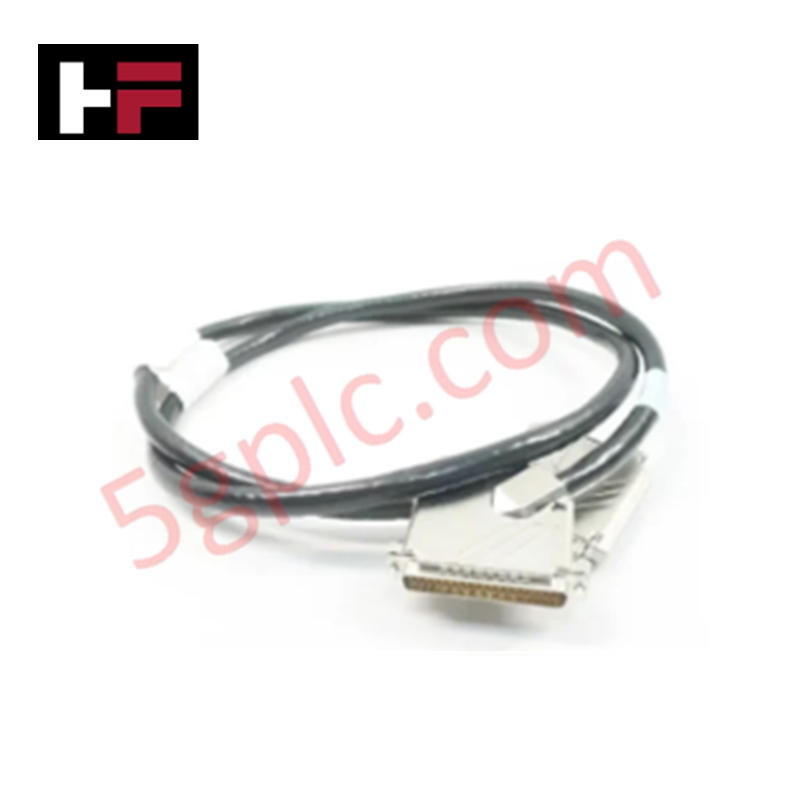
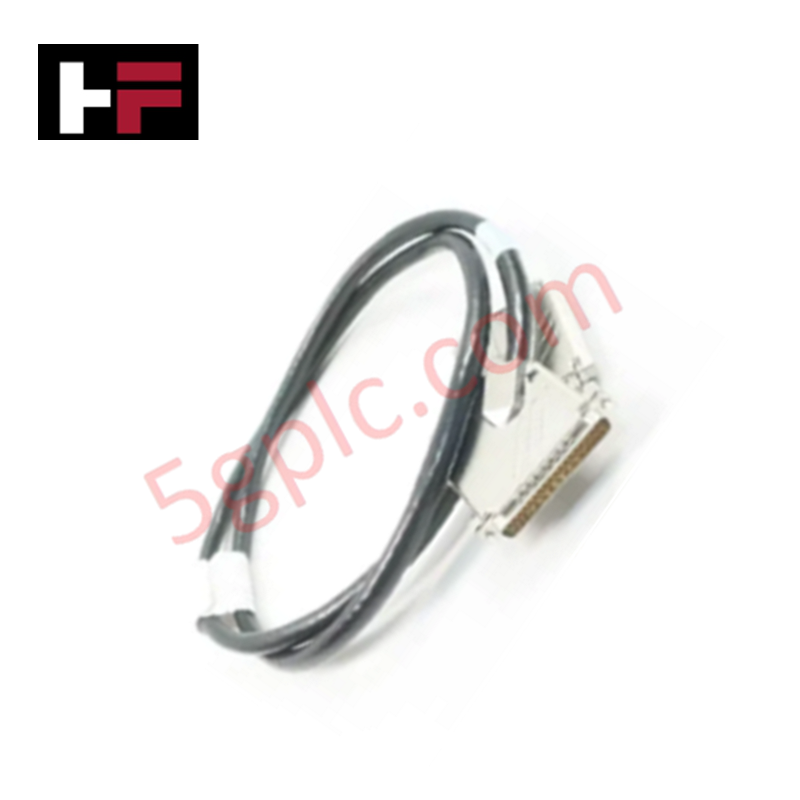
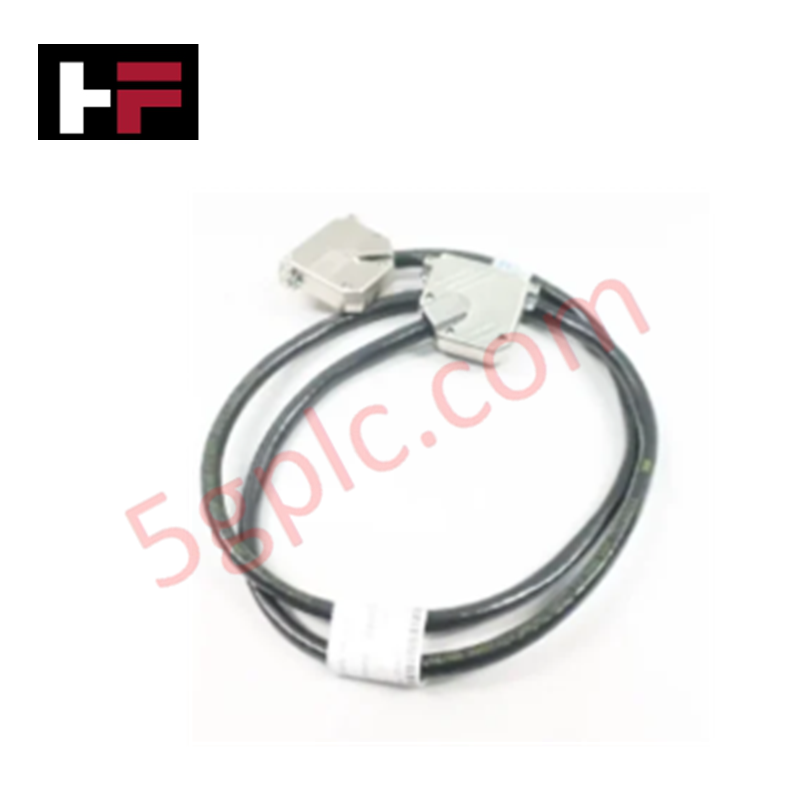
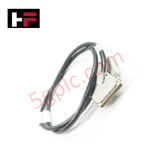
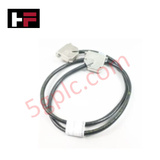
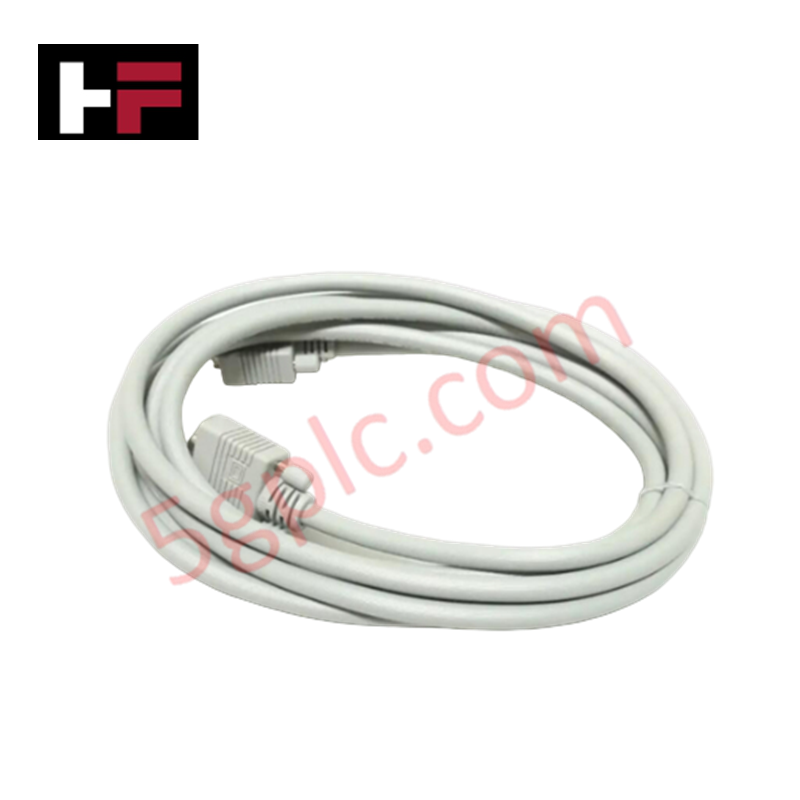
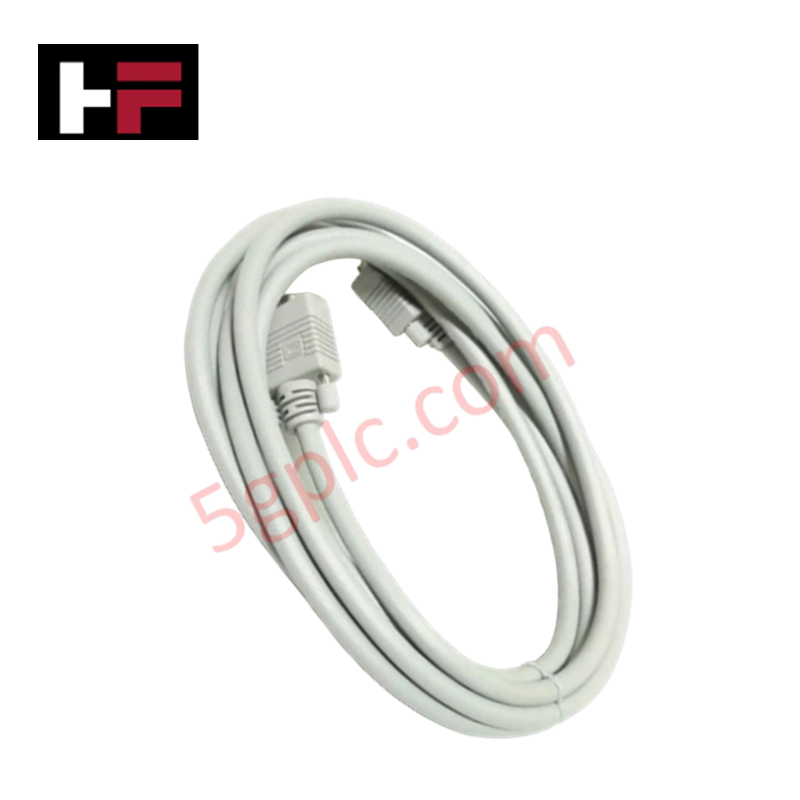
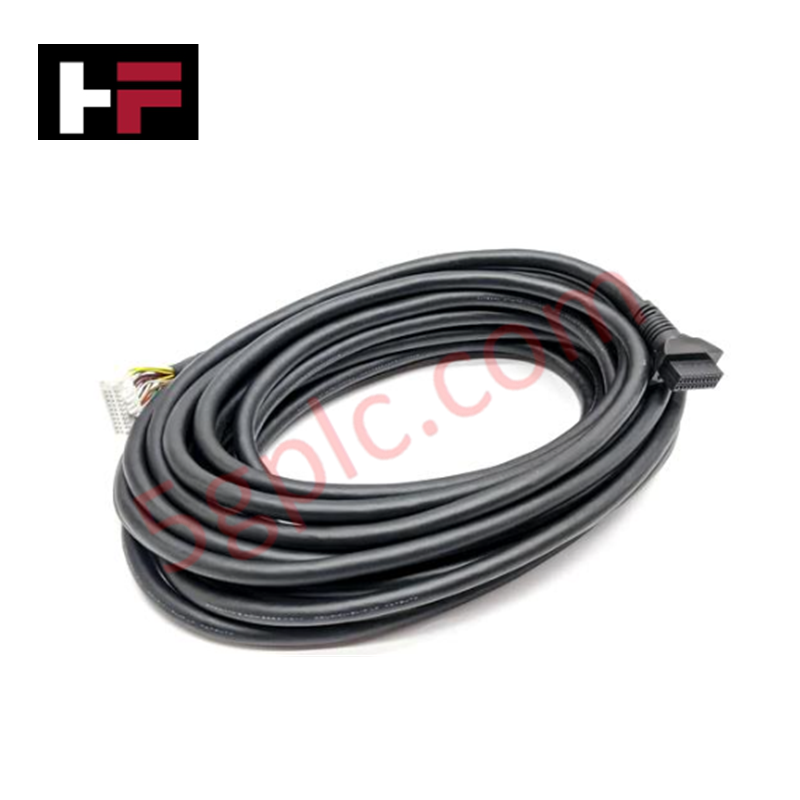
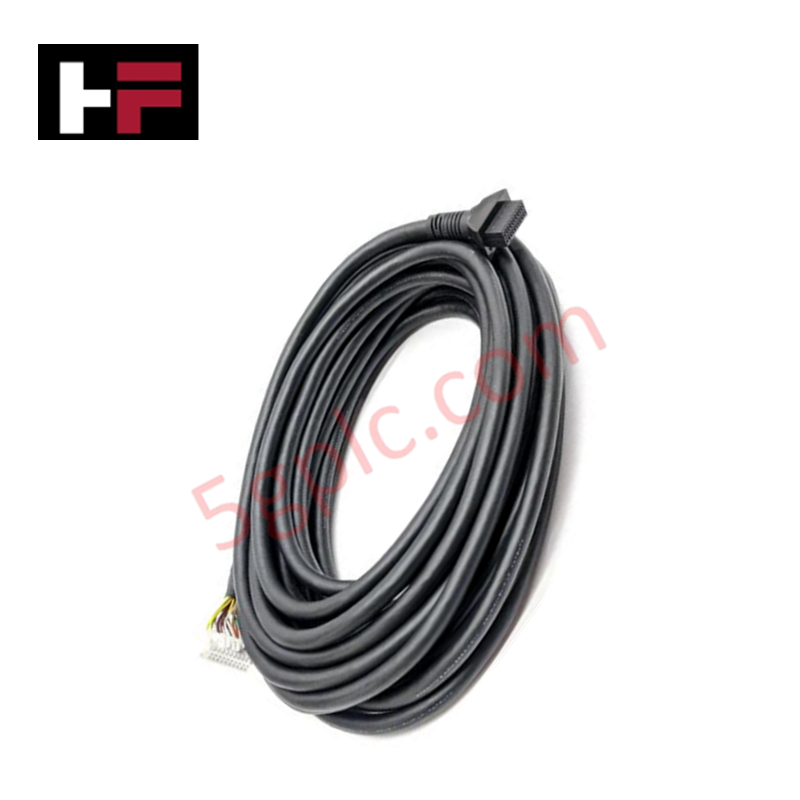
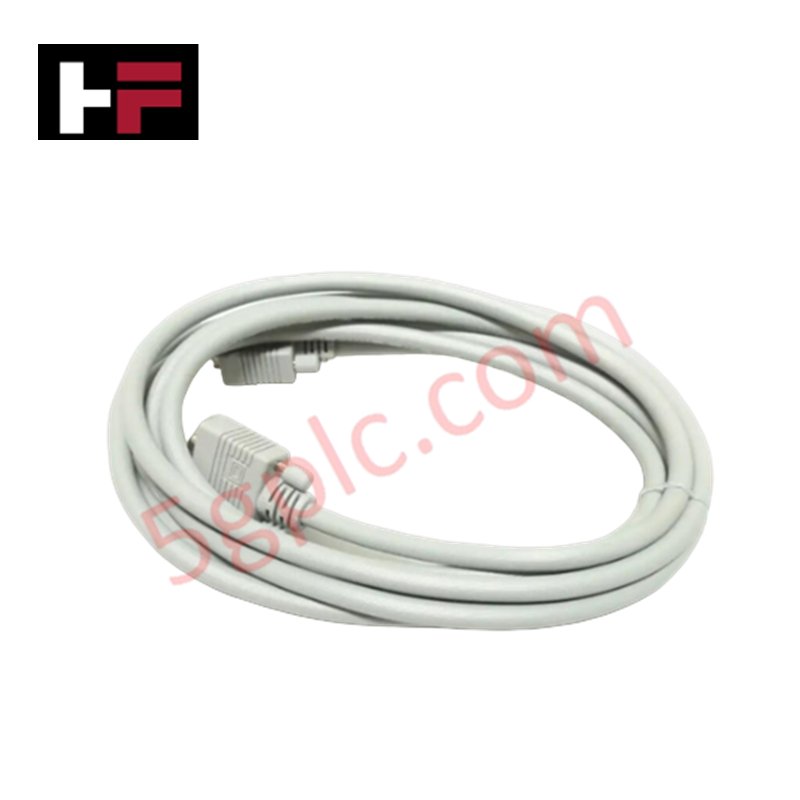
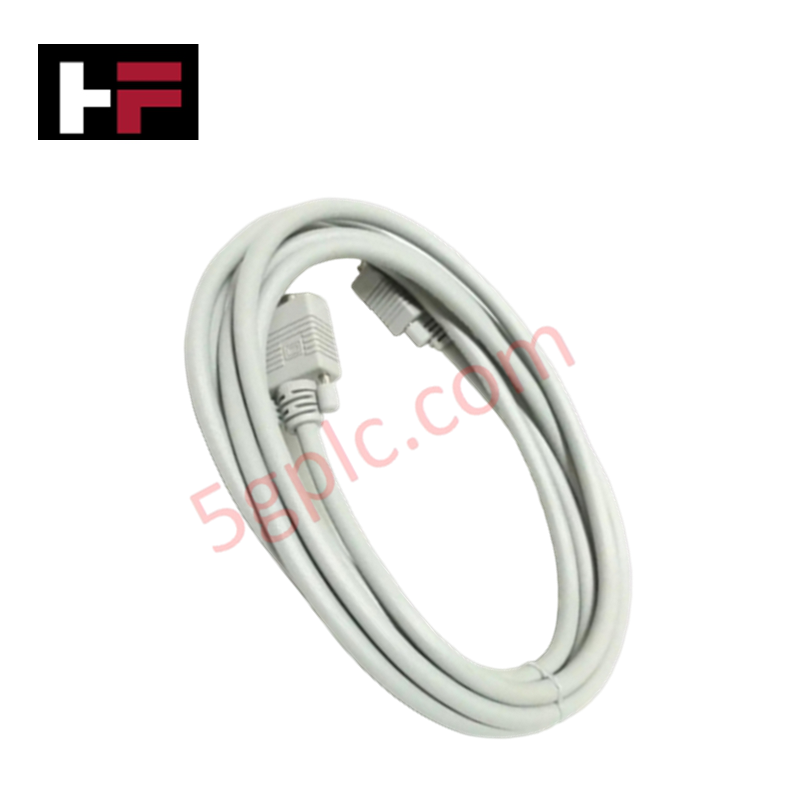
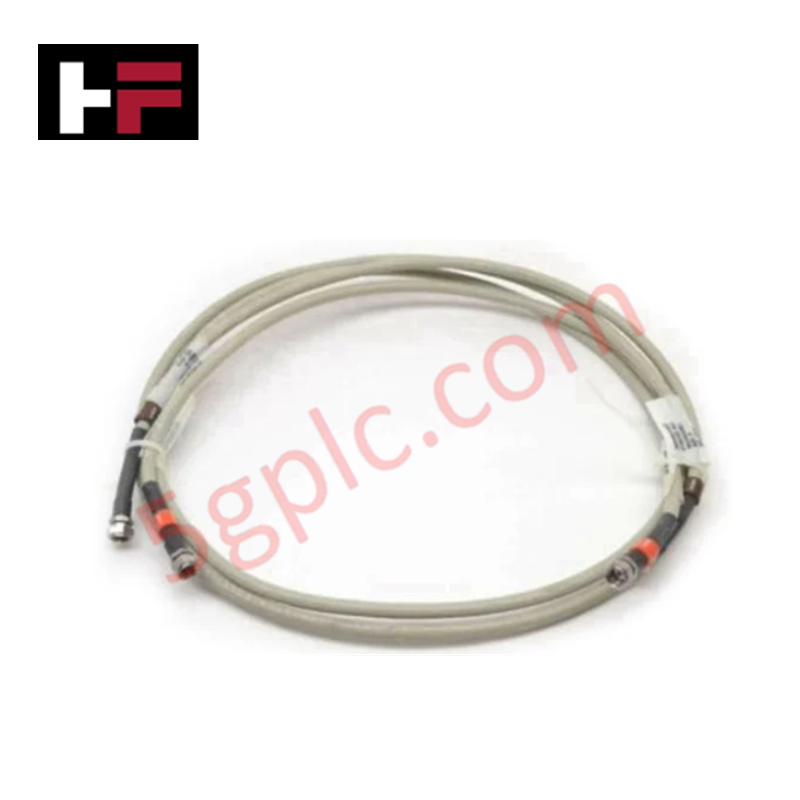
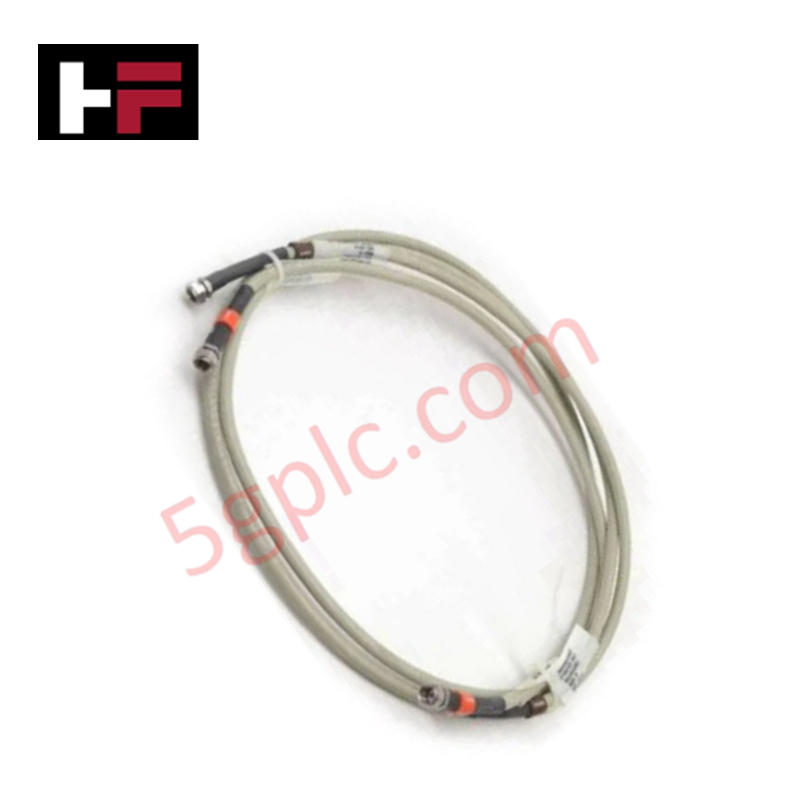
Configured for serial data exchange in Ovation distributed control systems, the Emerson 5A26141G06 (5A26141G06 Local I/O Bus Cable) provides direct physical electrical execution for interconnecting local I/O modules with host controllers. This 4.5-foot cable assembly utilizes an RS-485 data format, facilitating deterministic communication links between I/O assemblies and controller nodes at baud rates up to 19.2 kbps.
Hardware Specifications
| Parameter | Specification |
|---|---|
| Model | 5A26141G06 |
| Brand | Emerson |
| Dimensions | 4.5 feet length |
| Operating Temp | -40 to 85 deg C |
| Power Consumption | Not Applicable |
| Connector Type | DB9 Male to DB9 Male |
| Cable Type | Shielded Coaxial (24 AWG) |
4-20 mA HART Loop Protocol Connectivity
The 5A26141G06 cable assembly is constructed with dual-layer braid and foil shielding to maintain signal integrity in environments where high-frequency electromagnetic interference (EMI) is present. This shielding strategy is required to minimize bit error rates when the cable is routed near process instrumentation operating on 4-20 mA HART loop protocol signals. By maintaining constant characteristic impedance through the coaxial construction, the cable ensures that RS-485 differential signals remain protected from external common-mode noise, preventing data corruption within the Ovation control bus.
Frequently Asked Questions (FAQ)
Q: Can this cable be utilized for long-distance I/O extensions?
A: The 5A26141G06 is designated as a local I/O bus cable with a fixed length of 4.5 feet. Exceeding recommended cable lengths for RS-485 communication can result in signal attenuation and timing violations; consult the Ovation system manual for maximum bus length specifications.
Q: Are there specific grounding requirements for the DB9 shield termination?
A: Yes, the cable shield must be bonded to a low-impedance earth ground at the cabinet entry point. Failure to properly terminate the shield can lead to ground loops and significant noise injection into the serial data stream.
Field Installation Guidelines
- Inspect both DB9 male connectors for bent pins or debris before engagement with the I/O module ports.
- Align the connectors carefully and secure the retaining screws to ensure a stable physical connection.
- Route the cable through dedicated signal wireways, maintaining separation from high-voltage AC lines or motor power cables to mitigate crosstalk.
- Ensure the cable maintains a minimum bend radius consistent with 24 AWG coaxial standards to prevent internal conductor fatigue.
- Verify communication link status via the Ovation controller software after installation to confirm that no packet loss occurs at the 19.2 kbps operating speed.
Additional Information
- 100% Genuine Parts: All products are original and authentic, ensuring reliable industrial performance.
- 30-Day Refund Guarantee: Return any in-stock item within 30 days in original, unopened packaging for a full refund (excluding shipping and fees).
- 12-Month Warranty: Covers defects in materials or workmanship; excludes misuse, normal wear, or unauthorized modifications.
- Worldwide Shipping: We ship via USPS, UPS, FedEx, and DHL. Delivery times vary by country and may be subject to customs or import fees.
- Support & Contact: Technical and warranty assistance is available anytime. Contact us here: Contact.
- Purchase Guidance: Check product specifications and compatibility carefully before ordering to ensure proper application.
Tech & Buying Guide

Navigating Industrial Automation Failures: Types, Causes, and Mitigation Strategies
Modern manufacturing relies heavily on automated control systems to maximize throughput and maintain product quality. However, unplanned downtime in industrial automation can cost facility operators thousands of dollars per hour. Understanding how programmable logic controllers (PLCs), distributed control systems (DCS), and field instrumentation fail empowers engineering teams to implement robust preventive maintenance strategies.

Essential Motion Control Commands: A Practical Guide for Engineers
Automation engineers often rely on precise position and speed control to drive modern factory machinery. Modern industrial systems, such as Programmable Logic Controllers (PLCs) and Distributed Control Systems (DCS), depend heavily on standardized motion instructions. Mastering these commands ensures operational safety, protects mechanical components, and optimizes cycle times across production lines.

The Role of Intrinsic Safety Barriers in PLC and DCS Architectures
Implementing robust protection in hazardous industrial environments represents a fundamental safety requirement in factory automation. Process facilities often handle volatile gases, dusts, and chemical agents that pose significant combustion risks. Consequently, control system engineers must deploy energy-limiting interfaces to isolate safe-area control cabinets from hazardous-area field instrumentation. This article examines the function, selection, and electrical principles of intrinsic safety barriers within modern PLC and DCS networks.