










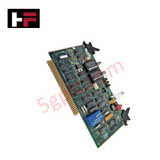
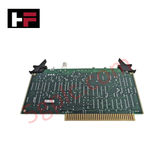
Product Details
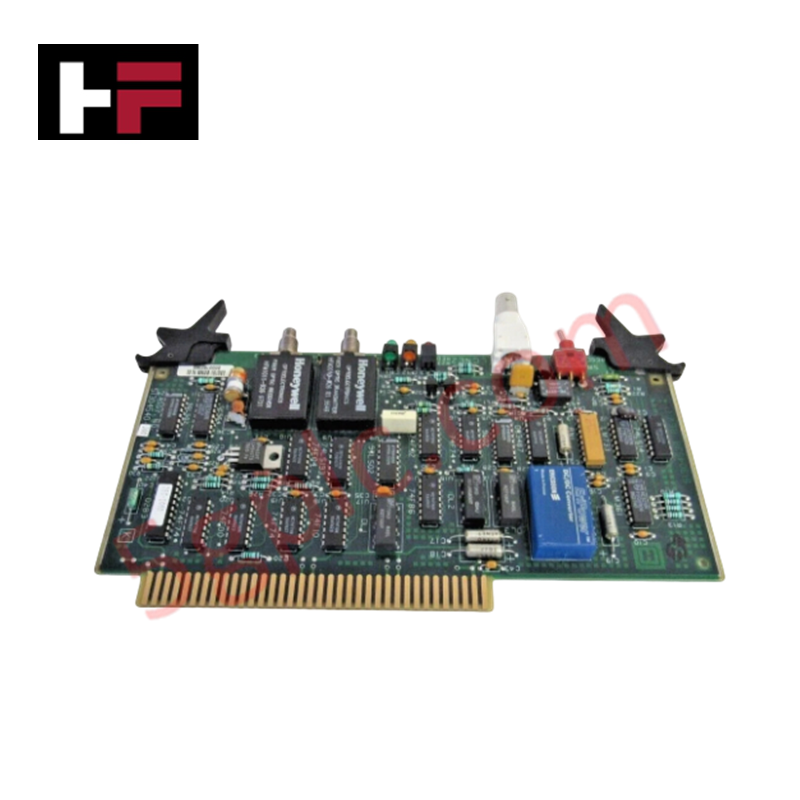
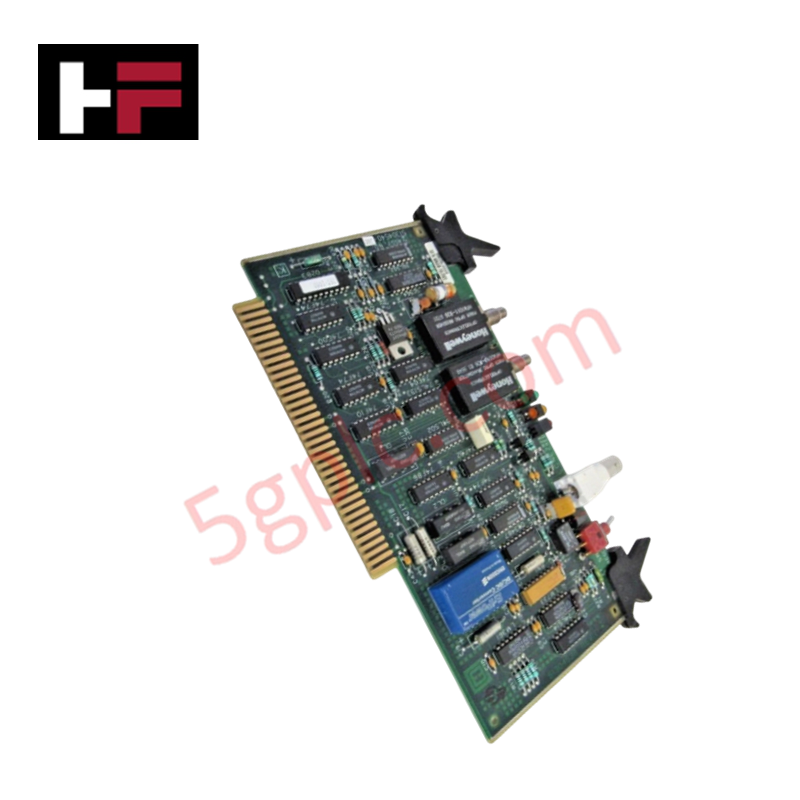
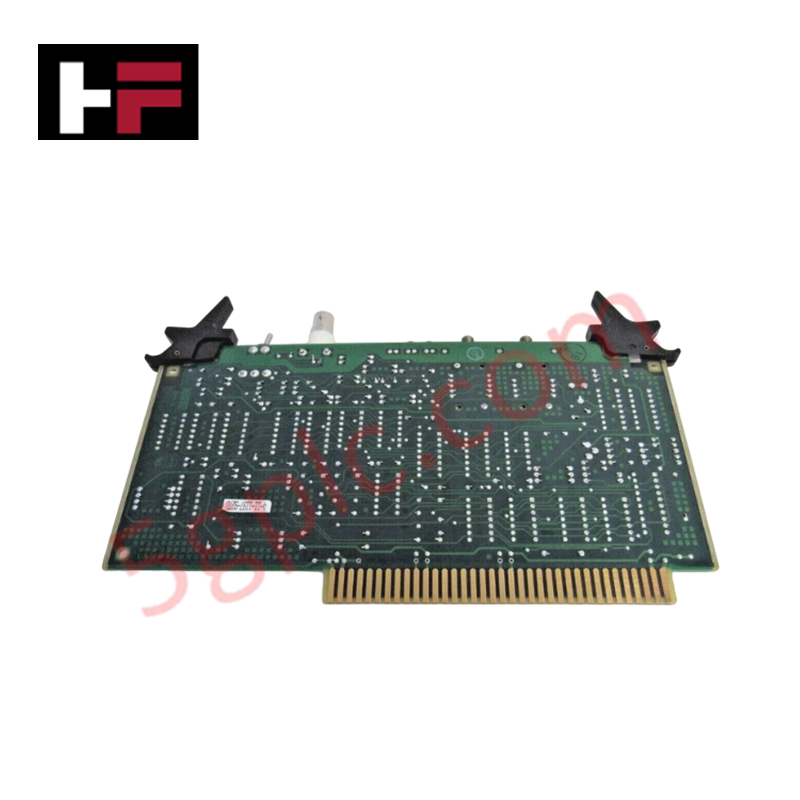
Configured for Local Control Network (LCN) extension in TDC 3000 distributed control system architectures, the Honeywell 51304540-100 (51304540-100) LCNE2 paddle board provides direct physical/electrical execution of fiber optic signal conversion. This hardware component serves as a dedicated interface for extending the LCN backbone, facilitating high-speed data transmission between control processors and remote field nodes.
Hardware Specifications
| Parameter | Specification |
|---|---|
| Model | 51304540-100 |
| Brand | Honeywell |
| Dimensions | Standard paddle board form factor |
| Operating Temp | Consult system technical manual |
| Power Consumption | Dependent on host I/O rack |
| Performance | 20 MHz processing speed; 16 input/16 output channels |
Cold Junction Compensation (CJC) and Channel-to-Channel Isolation
The 51304540-100 LCNE2 paddle board incorporates high-density I/O management within the TDC 3000 environment. To maintain signal integrity across its 16 input and 16 output channels, the board utilizes channel-to-channel isolation to prevent potential propagation of electrical faults. In configurations where these channels interface with analog sensor loops, the board supports the necessary precision required for downstream processing, such as cold junction compensation (CJC) for temperature sensing elements. The integration of SMA fiber optic connectors further ensures electromagnetic immunity for long-distance data transmission, preserving the deterministic nature of the control network.
Frequently Asked Questions
Q: Does the 51304540-100 support hot-swapping within the I/O rack?
A: Hot-swapping capabilities are strictly defined by the host I/O rack backplane and the local controller firmware version. Verify that the system is configured for live module replacement before performing any maintenance to avoid CPU communication interrupts.
Q: Is the 16 KB EEPROM user-programmable?
A: The EEPROM is utilized primarily for board-level configuration and diagnostic data storage required by the LCN interface protocols. Modification of this memory by the user is not supported and may result in the loss of module-specific calibration data.
Field Installation Guidelines
- Fiber Optic Handling: Inspect SMA fiber optic connectors for contamination prior to mating. Clean the ferrule ends with approved optical grade solvent and lint-free wipes to prevent signal attenuation caused by dust or oils.
- Mechanical Insertion: Align the paddle board with the rack guide rails before engaging the backplane connector. Ensure the module is pushed firmly until the locking mechanism is secured, preventing intermittent connection due to mechanical vibration.
- Shielding and Grounding: Ensure the I/O rack chassis is properly bonded to the system protective earth (PE) ground. This is mandatory to maintain the electrical isolation characteristics of the paddle board circuitry.
- Cable Routing: Route fiber optic cabling with strict adherence to minimum bend radius specifications. Sharp bends will induce signal loss and potential micro-fractures in the fiber core, leading to network communication failures.
Additional Information
- 100% Genuine Parts: All products are original and authentic, ensuring reliable industrial performance.
- 30-Day Refund Guarantee: Return any in-stock item within 30 days in original, unopened packaging for a full refund (excluding shipping and fees).
- 12-Month Warranty: Covers defects in materials or workmanship; excludes misuse, normal wear, or unauthorized modifications.
- Worldwide Shipping: We ship via USPS, UPS, FedEx, and DHL. Delivery times vary by country and may be subject to customs or import fees.
- Support & Contact: Technical and warranty assistance is available anytime. Contact us here: Contact.
- Purchase Guidance: Check product specifications and compatibility carefully before ordering to ensure proper application.
Tech & Buying Guide

Navigating Industrial Automation Failures: Types, Causes, and Mitigation Strategies
Modern manufacturing relies heavily on automated control systems to maximize throughput and maintain product quality. However, unplanned downtime in industrial automation can cost facility operators thousands of dollars per hour. Understanding how programmable logic controllers (PLCs), distributed control systems (DCS), and field instrumentation fail empowers engineering teams to implement robust preventive maintenance strategies.
Essential Motion Control Commands: A Practical Guide for Engineers
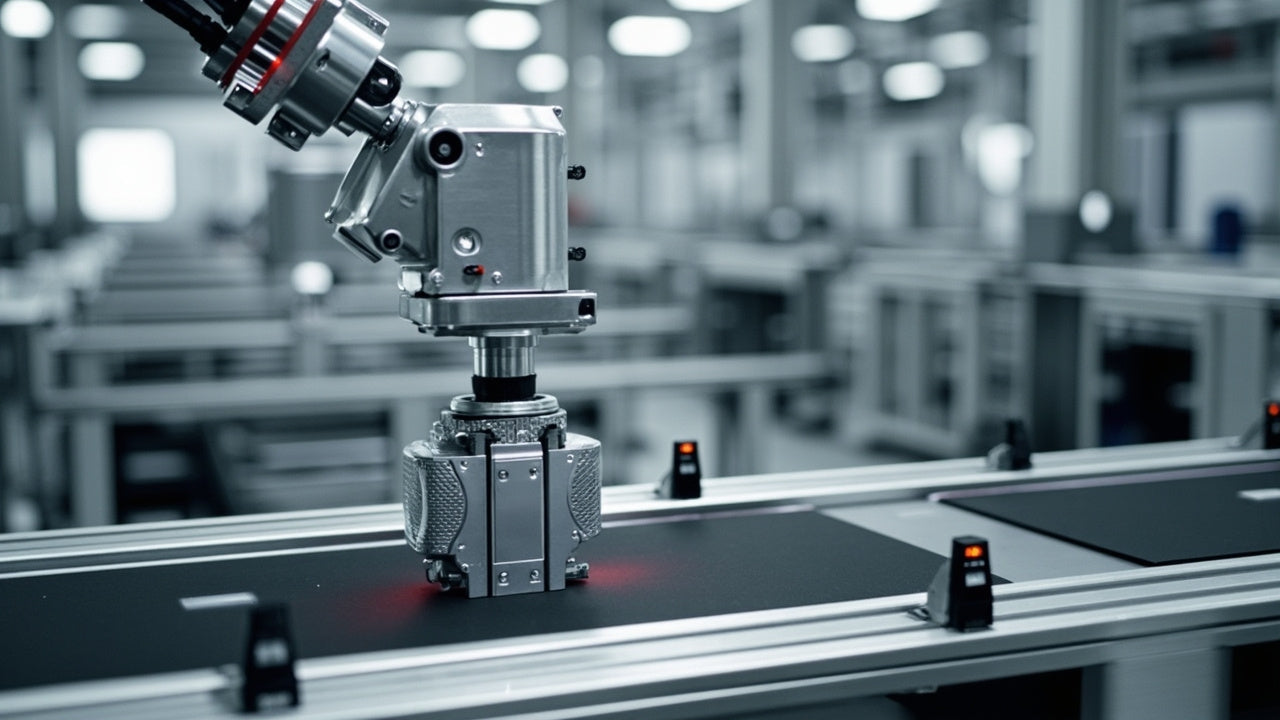
Automation engineers often rely on precise position and speed control to drive modern factory machinery. Modern industrial systems, such as Programmable Logic Controllers (PLCs) and Distributed Control Systems (DCS), depend heavily on standardized motion instructions. Mastering these commands ensures operational safety, protects mechanical components, and optimizes cycle times across production lines.

The Role of Intrinsic Safety Barriers in PLC and DCS Architectures
Implementing robust protection in hazardous industrial environments represents a fundamental safety requirement in factory automation. Process facilities often handle volatile gases, dusts, and chemical agents that pose significant combustion risks. Consequently, control system engineers must deploy energy-limiting interfaces to isolate safe-area control cabinets from hazardous-area field instrumentation. This article examines the function, selection, and electrical principles of intrinsic safety barriers within modern PLC and DCS networks.