










Product Details
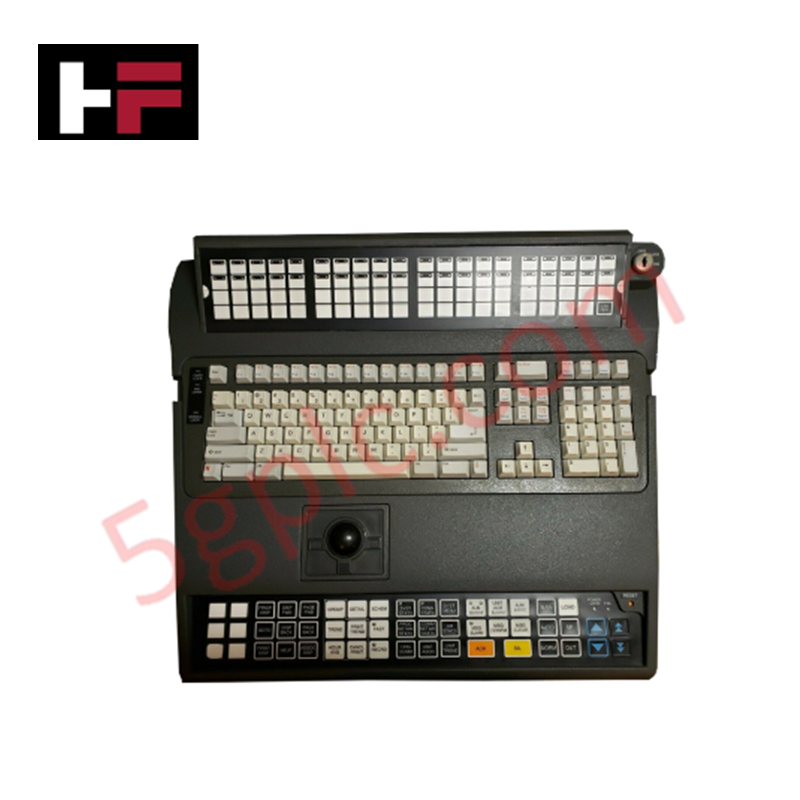
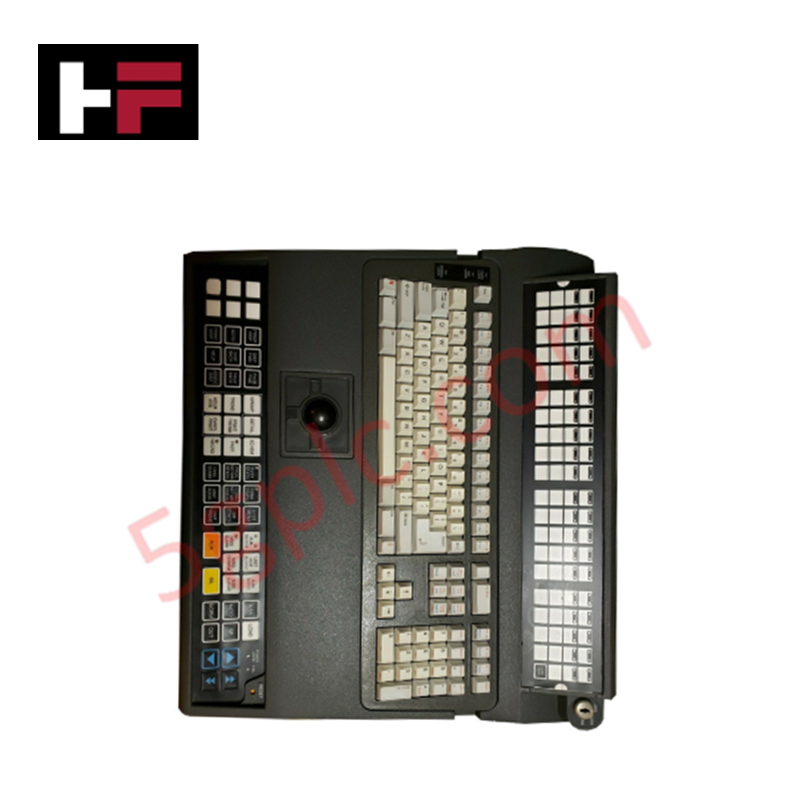
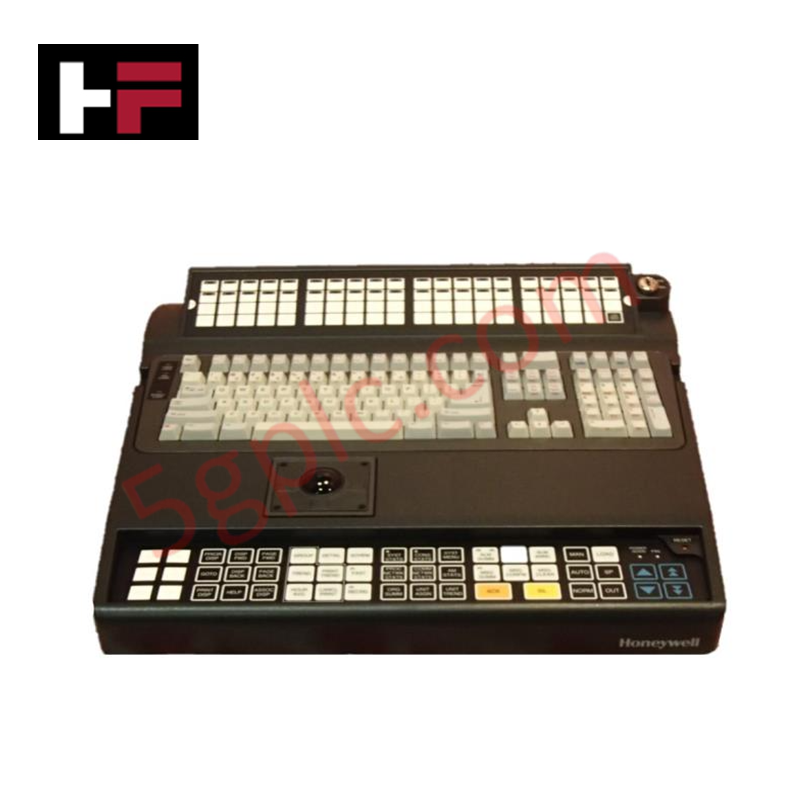
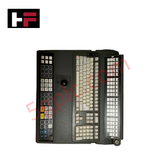
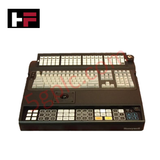
Configured for operator input in Graphic User Station (GUS) and Universal Station environments, the Honeywell 51196694-100 (51196694-100) Industrial Keyboard (IKB) provides direct physical execution of keystroke commands for control system interaction. The device utilizes a standard 104-key QWERTY layout and connects via a PS/2 interface, facilitating operator management of process control applications within workstation consoles.
Hardware Specifications
| Parameter | Specification |
|---|---|
| Model | 51196694-100 |
| Brand | Honeywell |
| Origin | USA |
| Weight | 1.36 kg |
| Dimensions | 44.45 cm x 16.51 cm x 6.35 cm |
| Operating Temp | Consult operator station manual |
| Power Consumption | Standard PS/2 interface draw |
| Layout | 104-key QWERTY |
Cold Junction Compensation (CJC) and Peripheral Connectivity
The 51196694-100 keyboard serves as a primary input peripheral for Honeywell GUS platforms, where system integration requires deterministic command responses. While the device handles standard input, it must be operated in conjunction with workstation interfaces that maintain electrical standards for peripheral connectivity, including proper grounding to prevent electrostatic discharge (ESD) from influencing sensitive controller bus functions. This keyboard is engineered to withstand the mechanical stresses of industrial control rooms while maintaining clear, low-latency signal transmission to the host station’s processor, which concurrently manages critical background functions such as temperature monitoring loops and cold junction compensation (CJC) references in auxiliary process modules.
Frequently Asked Questions
Q: Is the PS/2 interface compatible with USB-based workstations using active adapters?
A: PS/2 to USB active converters may be required for modern workstations lacking native PS/2 ports. Ensure the converter supports the specific electrical signaling requirements of Honeywell industrial input peripherals to prevent input lag or keyboard initialization failures.
Q: Can this keyboard be used in high-vibration or high-dust control environments?
A: The keyboard is built for rugged industrial use. However, to ensure maximum longevity, keep the key matrix free of debris and ensure the PS/2 connector is firmly seated to prevent signal intermittency caused by physical vibration.
Field Installation Guidelines
- Interface Connection: Ensure the host workstation is powered down or in a safe state before connecting the PS/2 plug. Align the connector pins carefully to prevent bending during insertion.
- Cable Routing: Route the 6-foot cable through established cable management channels in the operator console. Avoid tight bends or tension that could fatigue the internal conductors over time.
- Grounding: Ensure the workstation chassis is properly bonded to the cabinet earth ground. Proper grounding minimizes the risk of ESD damaging the keyboard controller circuitry during operator interaction.
- Cleaning: Clean the surface of the keys with an anti-static, non-abrasive cleaning agent. Avoid using liquid cleaners that could seep into the internal contact matrix and induce short circuits or key sticking.
Additional Information
- 100% Genuine Parts: All products are original and authentic, ensuring reliable industrial performance.
- 30-Day Refund Guarantee: Return any in-stock item within 30 days in original, unopened packaging for a full refund (excluding shipping and fees).
- 12-Month Warranty: Covers defects in materials or workmanship; excludes misuse, normal wear, or unauthorized modifications.
- Worldwide Shipping: We ship via USPS, UPS, FedEx, and DHL. Delivery times vary by country and may be subject to customs or import fees.
- Support & Contact: Technical and warranty assistance is available anytime. Contact us here: Contact.
- Purchase Guidance: Check product specifications and compatibility carefully before ordering to ensure proper application.
Tech & Buying Guide

The Shift to Flexible IO Modules in Modern Industrial Automation
Traditional control systems rely on dedicated Input Output (IO) cards for industrial automation. Each conventional module processes a single signal type, such as Digital Input (DI), Digital Output (DO), Analog Input (AI), or Analog Output (AO). A standard 16-channel card accepts only one specific channel type across all ports. This inflexible hardware design often creates severe engineering bottlenecks during project execution. Engineers frequently must install entirely new cards to accommodate a single extra sensor. Consequently, late design changes increase control cabinet space requirements and drive up project costs.

DCS Commissioning Steps in Industrial Automation Projects
Commissioning a Distributed Control System (DCS) represents a crucial milestone when deploying modern process automation infrastructure. Field engineers must execute systematic verification steps to transition complex control hardware from static installation to dynamic plant control. Proper commissioning ensures that controllers, I/O modules, network switches, and HMI software operate in strict compliance with engineering design specifications before introducing live process fluids.

PLC and DCS Control System Spares Strategy: Engineering Guidelines
Modern factory automation relies on high-speed fiber optic backbones to link distributed control systems across noise-intensive industrial environments. Unlike copper wiring, optical fibers transmit data via light pulses, making them completely immune to electromagnetic interference (EMI). Field engineers must master optical cable joining and fusion splicing techniques to guarantee low-loss data transmission across critical Programmable Logic Controller (PLC) and Distributed Control System (DCS) nodes.