












Product Details
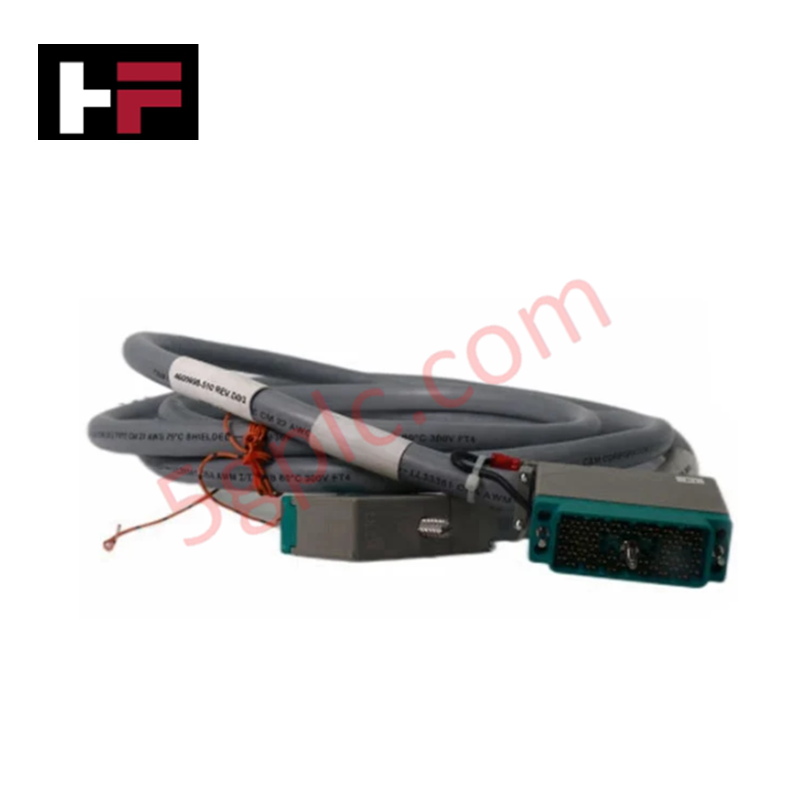
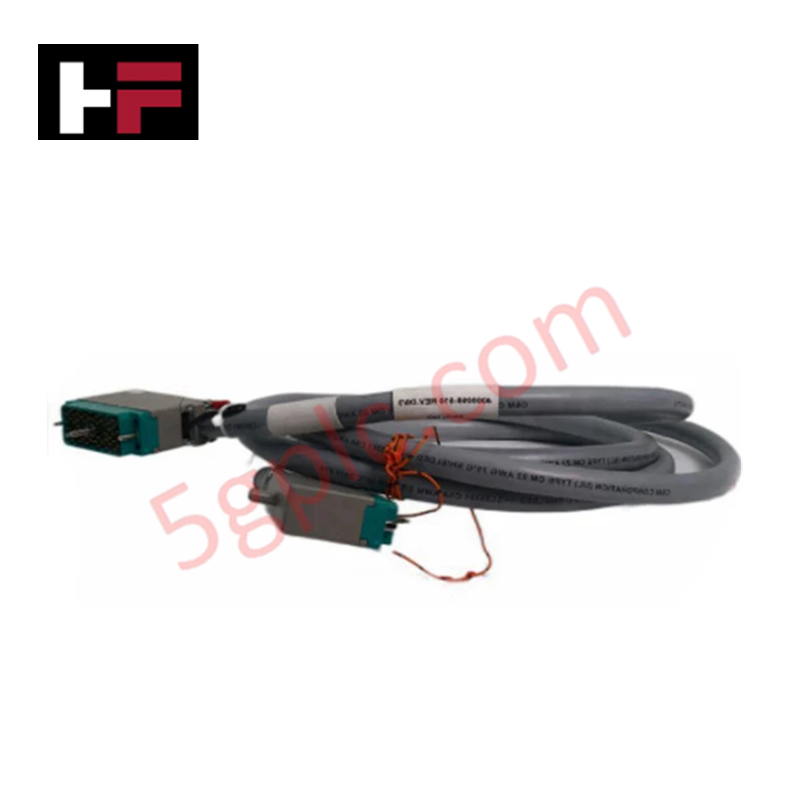
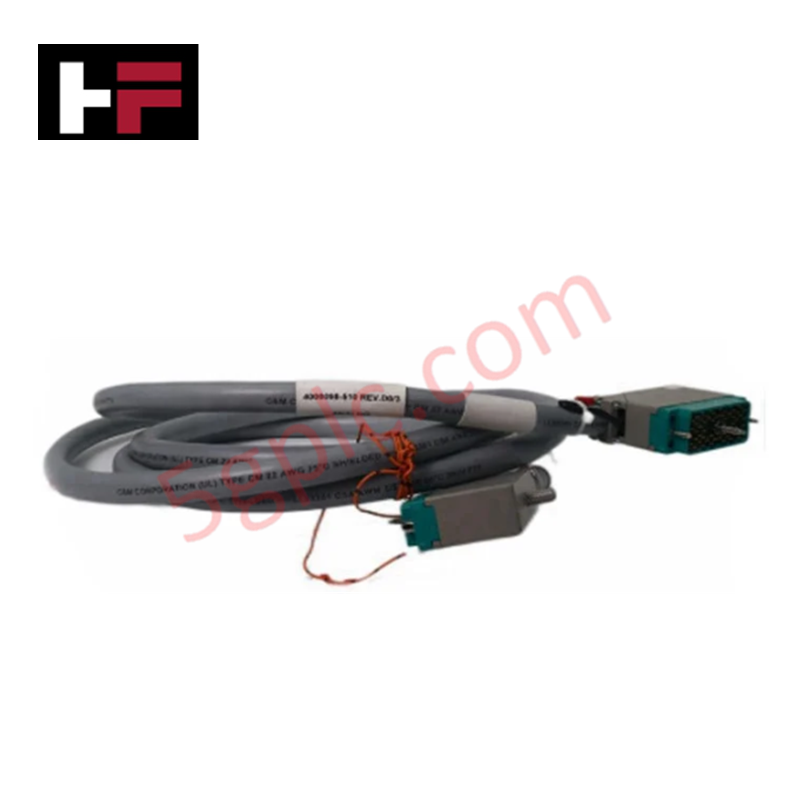
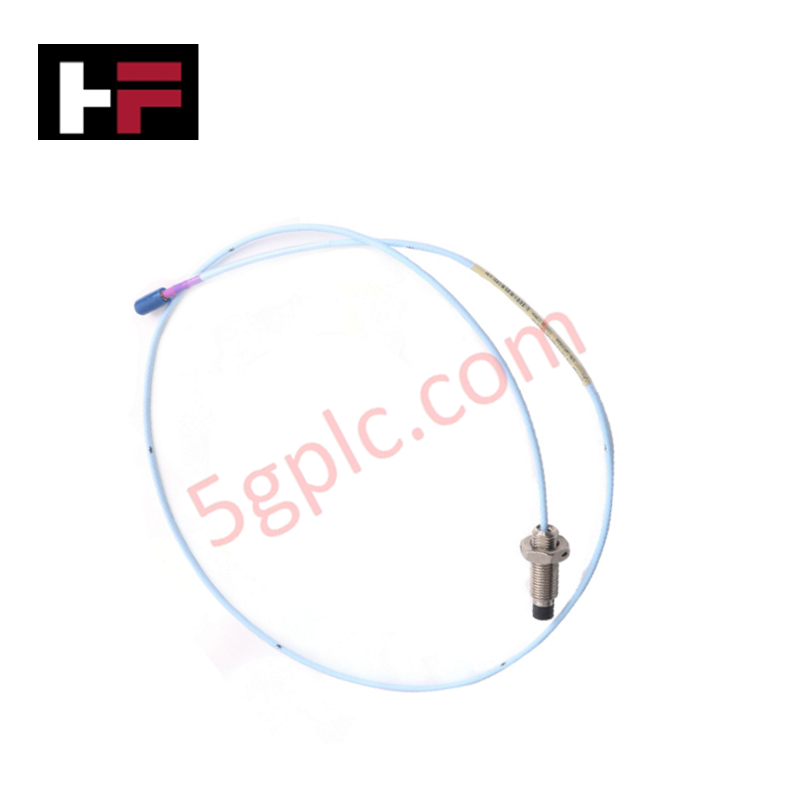
The Bently Nevada 4000212-006, also cataloged as the 4000212 I/O Communication Bus Cable, operates as a dedicated hardware component for high-speed optical signal transmission within Bently Nevada 3500 Series Monitoring System networks.
Hardware Specifications
| Parameter | Specification |
|---|---|
| Model | 4000212-006 |
| Brand | Bently Nevada |
| Origin | USA |
| Weight | 0.20 kg |
| Dimensions | 6 meters (approx. 20 feet) cable length |
| Operating Temp | -20 deg C to +70 deg C |
| Power Consumption | Passive physical media component |
| Product Type | I/O Communication Bus Cable / 3500 System Accessory |
| Fiber Core / Cladding | 62.5/125 um multi-mode fiber |
| Connector Type | ST to ST (Straight Tip) |
| Cable Configuration | Duplex fiber for bi-directional communication |
| Operating Wavelength | 850 nm and 1300 nm |
| Jacket Material | PVC or LSZH (Low Smoke Zero Halogen) |
Signal Cross-Talk Suppression and Optical Transmission
The 4000212-006 duplex fiber cable establishes complete electrical isolation between connected 3500 rack interface modules. Operating at 850 nm and 1300 nm optical wavelengths over a 62.5/125 um multi-mode glass core, the cable eliminates electromagnetic interference (EMI) and cross-talk suppression issues typical of metallic bus connections. This dielectric physical medium prevents ground loops between geographically separated machinery monitoring nodes, preserving digital waveform integrity and high-speed telemetry frame synchronization across the 3500 backplane architecture.
Frequently Asked Questions
Q: What is the benefit of utilizing ST-to-ST duplex optical connections in a 3500 Monitoring System?
A: The ST bayonet connector mechanism ensures mechanical latching under high vibration. The duplex multi-mode optical configuration enables simultaneous bi-directional data flow while totally isolating system ground planes.
Q: Can this cable be safely routed through standard cable trays near high-voltage power lines?
A: Yes. Because the cable transmits light rather than electrical current over a glass core, it is immune to electromagnetic interference and high-voltage surges from surrounding industrial wiring.
Field Installation Guidelines
- Inspect the optical connector end-faces using a fiber inspection scope before connection; clean with lint-free wipes and optical isopropyl alcohol if contamination is detected.
- Maintain a minimum bend radius of 30 mm (1.2 in) during routing to prevent optical attenuation, micro-bending losses, or core fracture.
- Align the bayonet keyways on the ST connectors with the mating bulkhead adapters on the 3500 module front panel.
- Push and twist the ST connector outer collar clockwise until the pin locks firmly into place.
- Use protective dust caps on all un-terminated ST connectors to prevent ambient airborne dust accumulation on the optical ferrule faces.
- Support the cable weight along vertical conduit paths using soft Velcro straps; do not overtighten cable ties or crush the outer PVC/LSZH protective jacket.
Additional Information
- 100% Genuine Parts: All products are original and authentic, ensuring reliable industrial performance.
- 30-Day Refund Guarantee: Return any in-stock item within 30 days in original, unopened packaging for a full refund (excluding shipping and fees).
- 12-Month Warranty: Covers defects in materials or workmanship; excludes misuse, normal wear, or unauthorized modifications.
- Worldwide Shipping: We ship via USPS, UPS, FedEx, and DHL. Delivery times vary by country and may be subject to customs or import fees.
- Support & Contact: Technical and warranty assistance is available anytime. Contact us here: Contact.
- Purchase Guidance: Check product specifications and compatibility carefully before ordering to ensure proper application.


Tech & Buying Guide

Mastering Wire Identification in Industrial Automation: The Power of Ferrules and Cross-Ferruling
Proper wire labeling forms the cornerstone of reliable control system installation and long-term maintenance. In complex industrial automation environments, technicians terminate thousands of conductor ends inside control panels, marshalling racks, and field junction boxes. Ferrules serve as individual tube-shaped sleeve markers slipped onto conductors before final termination. While technicians historically relied on pre-printed individual letter rings, modern control panel builders utilize automated ferrule printing machines. These thermal-transfer printers generate durable, single-sleeve heat-shrink tags directly matching approved wiring schematics, significantly accelerating cabinet assembly workflows.

Understanding Marshalling Cabinets in Industrial Automation and Control Systems
Marshalling cabinets serve as the crucial connection hub between field instruments and centralized processing units. In large DCS and PLC control system architectures, hundreds of multipair field cables run from local junction boxes to the central instrument equipment room. The marshalling cabinet houses field terminal blocks, surge arresters, intrinsic safety isolation barriers, and interposing relays. By segregating field field-wiring terminations from sensitive processor hardware, engineers protect expensive controller backplanes from high-voltage transients. Consequently, this modular separation dramatically streamlines maintenance workflows and simplifies system expansion.

Essential Best Practices for PLC Wiring and Installation in Industrial Automation
Successful control system deployment begins with thoroughly reviewing manufacturer technical documentation. Controllers from major brands like Allen-Bradley, Siemens, and Schneider Electric feature unique terminal layouts. Engineers must verify voltage requirements before connecting power cables to prevent catastrophic equipment damage. Standard line connections require strict adherence to regional electrical codes and proper wire color coding. Furthermore, panel builders should always establish a robust low-impedance ground connection using at least 16-AWG copper conductor tied directly to the main plant grounding grid.