












Product Details
Product Overview
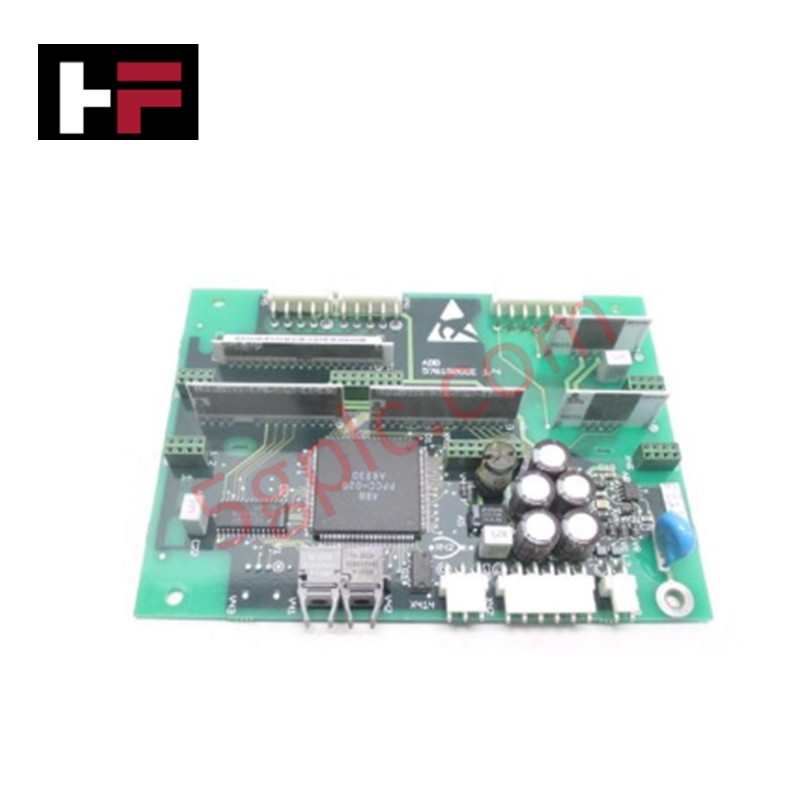
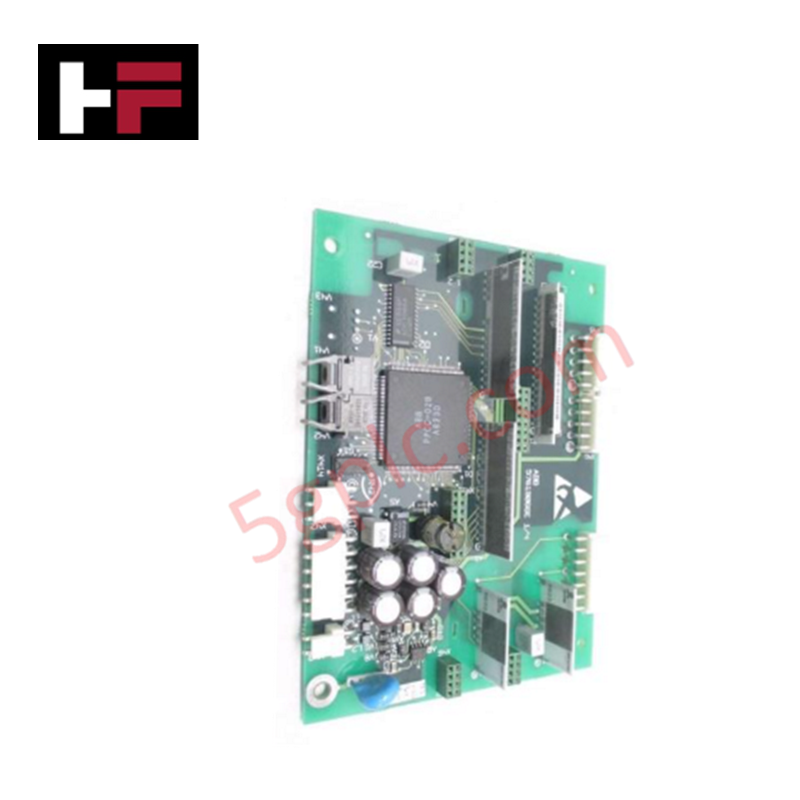
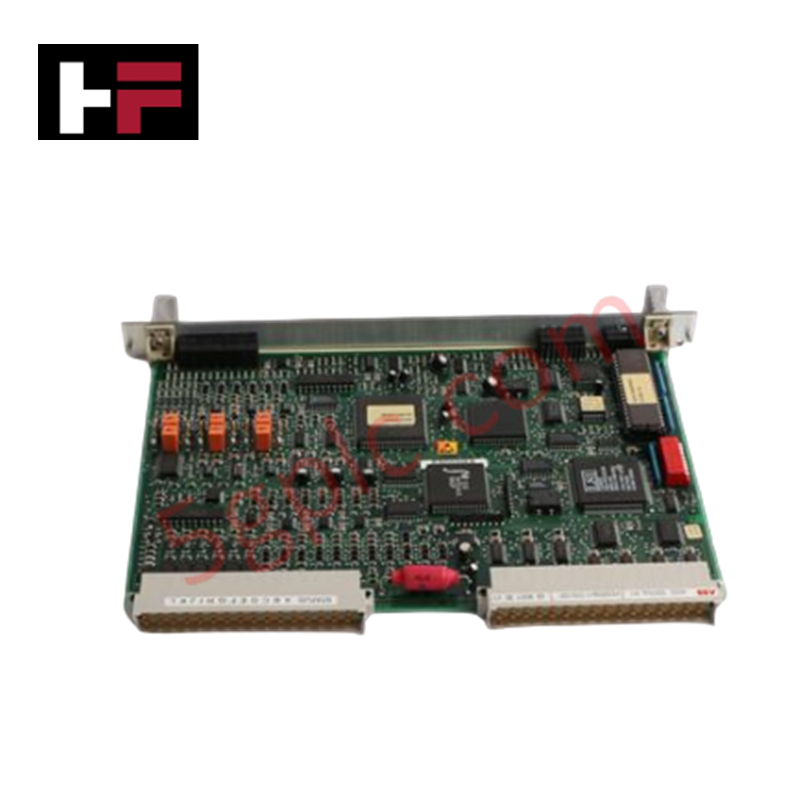
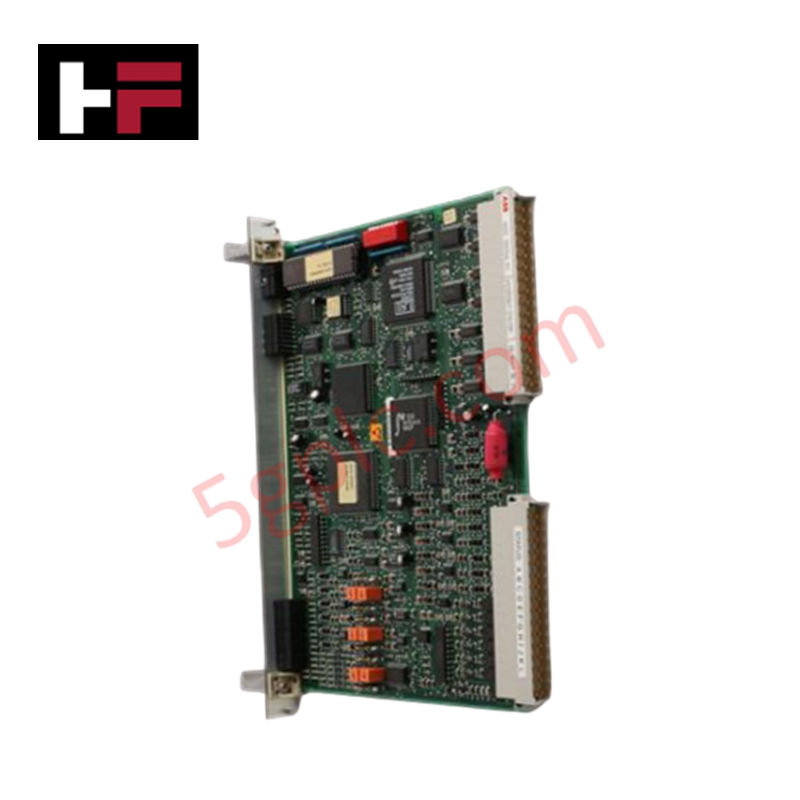
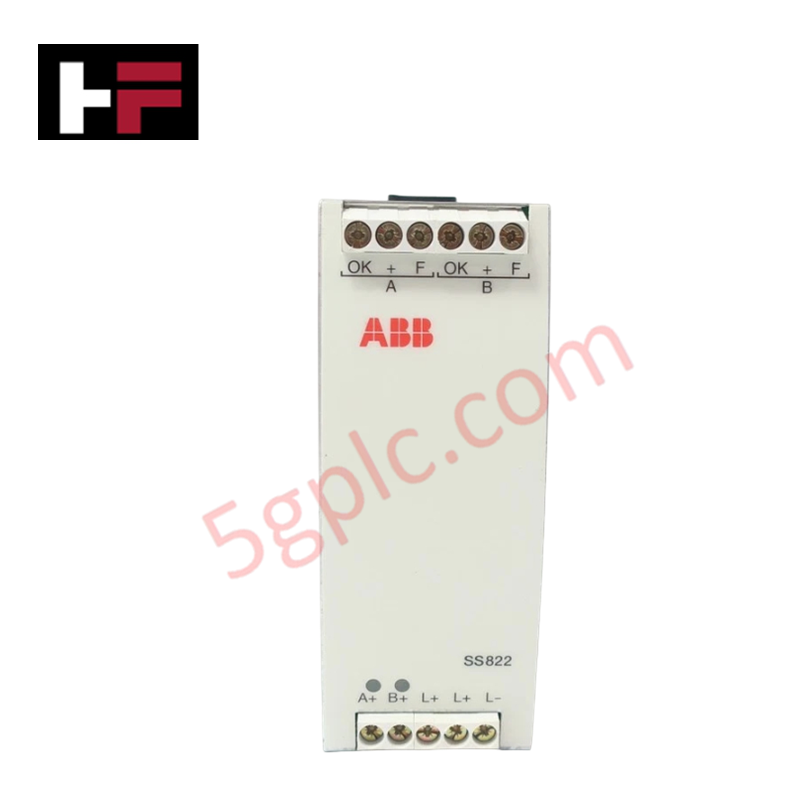
The ABB CI590-CS31-HA (1SAP221100R0001) serves as a high-availability interface module within the S500 distributed automation platform. Specifically engineered for High Availability (HA) applications, this CS31 slave module supports media redundancy to ensure continuous communication even during physical link failures. It features 16 highly flexible, configurable digital I/O channels that adapt to diverse field requirements. We provide this unit as 100% Brand New and Original, ensuring your critical control loops benefit from uncompromised factory-certified hardware.
Technical Specifications
The CI590-CS31-HA integrates high-density digital control with specialized fieldbus redundancy:
-
Communication Protocol: CS31 Fieldbus (Slave)
-
Redundancy: Integrated Media Redundancy (HA Support)
-
Configurable I/Os: 16 Channels (Individually selectable as DI or DO)
-
Input/Output Voltage: 24V DC
-
Output Current: 0.5A per channel (Transistor type)
-
Input Current: 5 mA
-
Signal Delay: Adjustable from 0.1 ms to 32 ms
-
Expansion Capacity: Supports up to 7 additional I/O modules
-
Supply Voltage: 20.4 to 28.8 V DC
-
Net Weight: 0.119 kg
-
Dimensions: 67.5 mm (W) x 76 mm (H) x 62 mm (D)
Engineering Advantages
-
Mission-Critical Media Redundancy: The "HA" designation signifies support for media redundant CS31 bus configurations. This architecture prevents system shutdowns by maintaining a secondary communication path, allowing the process to continue uninterrupted if one bus cable sustains damage.
-
Versatile I/O Configuration: The module offers 16 digital channels that function as either inputs or outputs. This flexibility eliminates the need to stock multiple hardware variants, as engineers can software-configure the exact I/O mix required for each specific field station.
-
Scalable Distributed Clusters: The CI590-CS31-HA acts as a local head-station, supporting the attachment of up to 7 additional S500 I/O modules. This allows for the expansion of decentralized I/O points while occupying only a single fieldbus address.
-
High-Speed Signal Capture: Adjustable input filters allow for delay times as low as 0.1 ms. This responsiveness captures rapid pulses and transient signals, which is essential for high-speed counting and precision timing in synchronized automation lines.
-
Compact High-Density Footprint: At only 67.5 mm wide, the module packs 16 I/O points plus redundant communication logic into a minimal DIN rail space. This compact design proves invaluable in retrofitting existing control cabinets where space is a primary constraint.
FAQs
-
What is the primary difference between the CI590 and the CI590-CS31-HA?
The "HA" version includes the necessary logic to support media redundancy on the CS31 bus. While the standard CI590 handles basic communication, the CI590-CS31-HA ensures that your control system stays online during a bus cable failure.
-
Does this module require a Terminal Base?
Yes. You must mount the CI511-ETHCAT onto a compatible S500 Terminal Base (such as the TU5xx series). The terminal base manages the physical field wiring and the internal bus connection to any attached expansion modules.
-
How do I configure the 16 channels as either Inputs or Outputs?
You perform the channel configuration through the ABB Automation Builder software. The module hardware automatically adapts its internal circuitry to match your software settings for each individual pin.
-
Can the transistor outputs drive high-current solenoids?
Each output provides up to 0.5A. For loads exceeding this limit or for high-power inductive loads, you must utilize an interposing relay to protect the module's internal transistor hardware from thermal damage.
Additional Information
- 100% Genuine Parts: All products are original and authentic, ensuring reliable industrial performance.
- 30-Day Refund Guarantee: Return any in-stock item within 30 days in original, unopened packaging for a full refund (excluding shipping and fees).
- 12-Month Warranty: Covers defects in materials or workmanship; excludes misuse, normal wear, or unauthorized modifications.
- Worldwide Shipping: We ship via USPS, UPS, FedEx, and DHL. Delivery times vary by country and may be subject to customs or import fees.
- Support & Contact: Technical and warranty assistance is available anytime. Contact us here: Contact.
- Purchase Guidance: Check product specifications and compatibility carefully before ordering to ensure proper application.
Tech & Buying Guide

Essential Motion Control Commands: A Practical Guide for Engineers
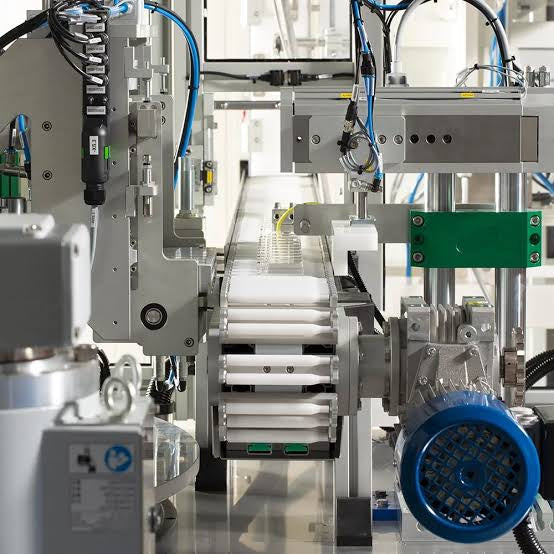
Automation engineers often rely on precise position and speed control to drive modern factory machinery. Modern industrial systems, such as Programmable Logic Controllers (PLCs) and Distributed Control Systems (DCS), depend heavily on standardized motion instructions. Mastering these commands ensures operational safety, protects mechanical components, and optimizes cycle times across production lines.
Mastering Modern Industrial Joystick Controls in Heavy Automation
Industrial joysticks play a pivotal role in human-machine interaction across heavy material handling and mobile hydraulics. These tactile controllers translate complex operator movements into precise electrical signals for PLCs, motion controllers, and DCS networks. Consequently, selecting and installing the right joystick architecture ensures operator safety, reduces fatigue, and optimizes equipment performance.

Navigating Industrial Automation Failures: Types, Causes, and Mitigation Strategies
Modern manufacturing relies heavily on automated control systems to maximize throughput and maintain product quality. However, unplanned downtime in industrial automation can cost facility operators thousands of dollars per hour. Understanding how programmable logic controllers (PLCs), distributed control systems (DCS), and field instrumentation fail empowers engineering teams to implement robust preventive maintenance strategies.