












Product Details
Product Overview
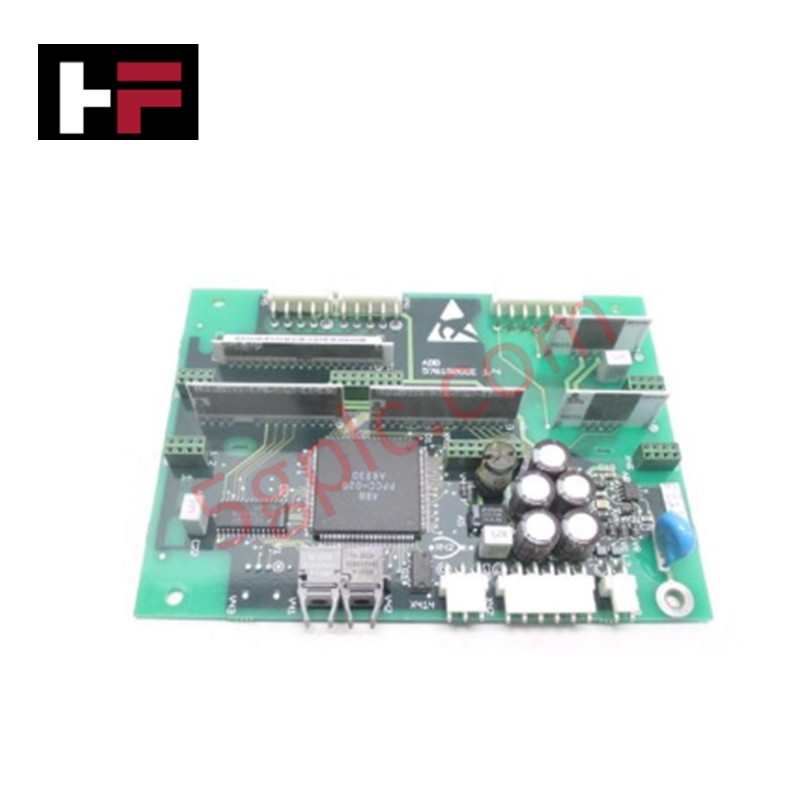
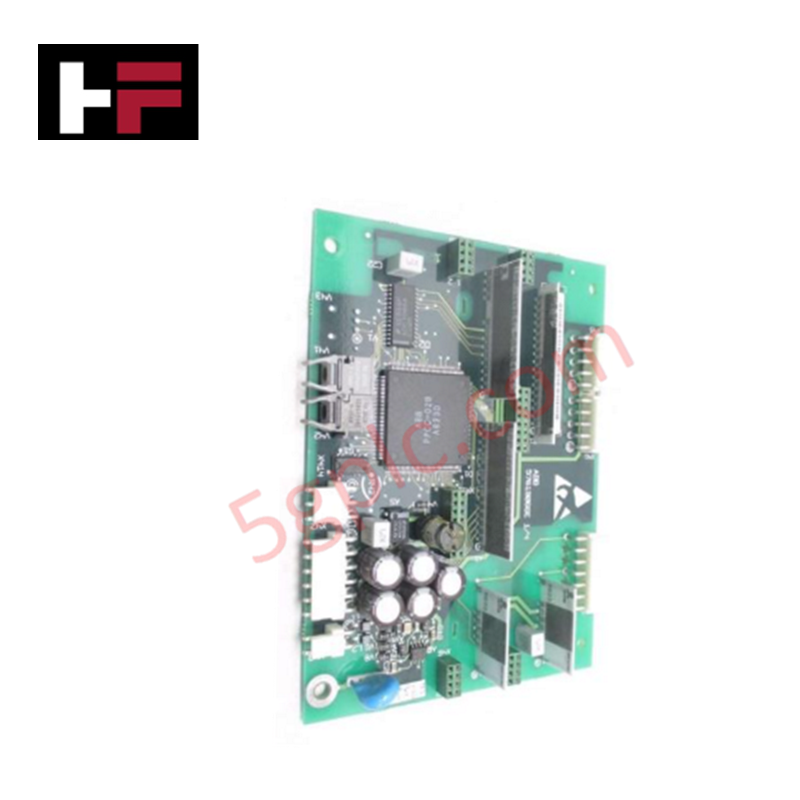
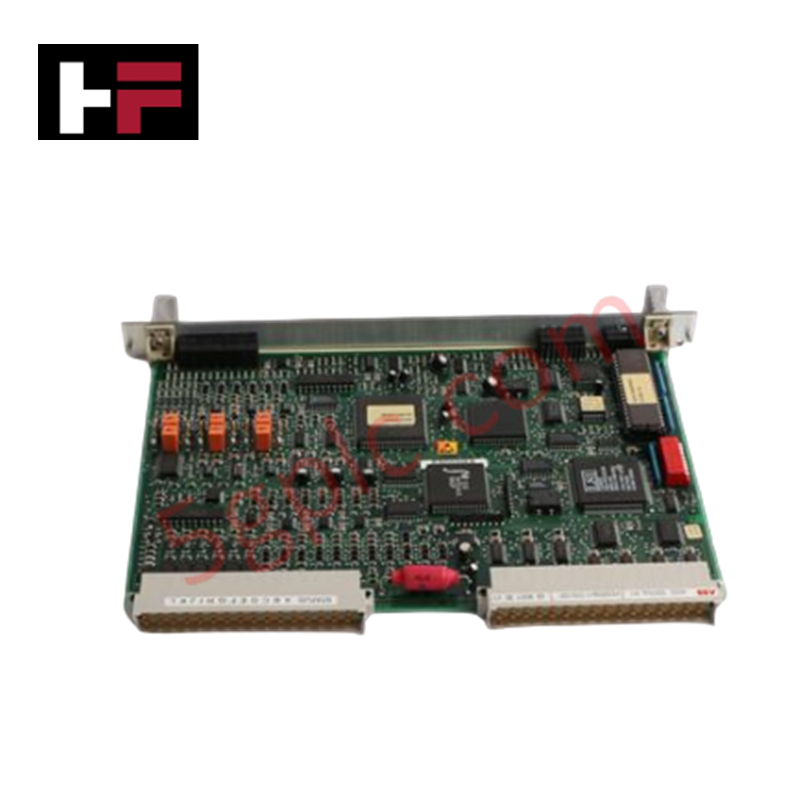
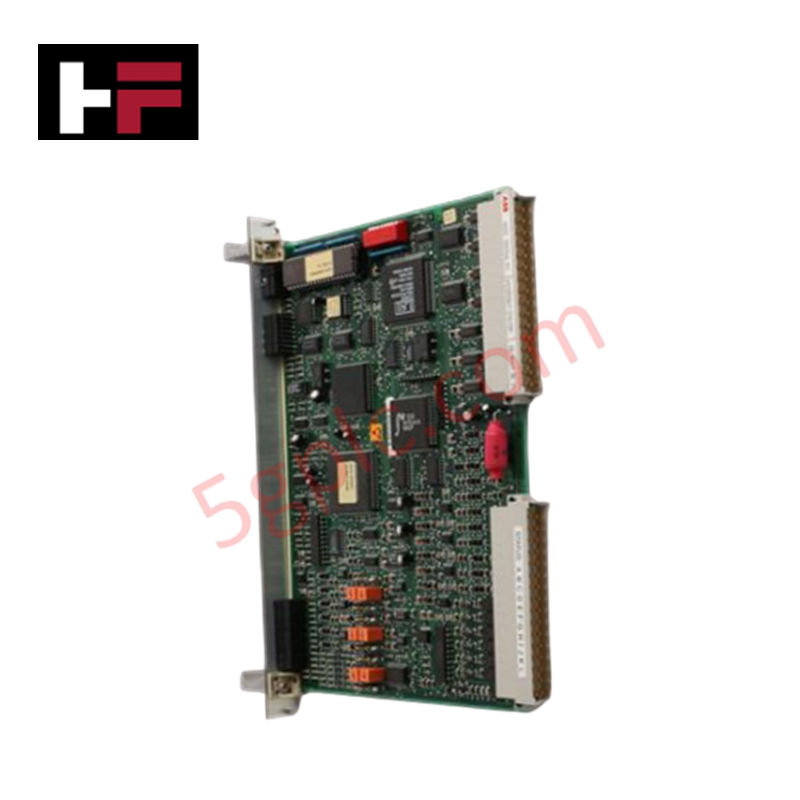
The ABB CI590 (3BHT340092R1) acts as a high-performance communication gateway within the S800 I/O system. This module links S800 I/O clusters to the Advant Fieldbus 100 (AF100), enabling seamless data exchange between Advant Controllers (such as AC 410, AC 450, or AC 160) and remote I/O stations. By managing the high-speed broadcast of process variables, the CI590 ensures that time-critical I/O data reaches the control logic with minimal jitter. We supply this unit as 100% Brand New and Original, maintaining factory-sealed integrity for mission-critical DCS environments.
Technical Specifications
The CI590 utilizes specialized hardware to maintain high-speed bus synchronization:
-
Article Number: 3BHT340092R1
-
Communication Protocol: Advant Fieldbus 100 (AF100)
-
Module Type: Communication Interface
-
Power Supply: 24 V d.c. (derived from MTU)
-
Current Consumption: Typ. 100 mA at 24 V
-
Redundancy Support: Yes (when used in redundant pairs)
-
Isolation: Galvanic isolation between bus and internal logic
-
Diagnostic Indicators: Fault (F), Run (R), Warning (W), and Traffic LEDs
Engineering Advantages
-
Deterministic Data Exchange: The CI590 utilizes the AF100 broadcast protocol to guarantee deterministic communication. This prevents data collisions on the network, ensuring that safety-interlock signals and PID control loops update at precise, repeatable intervals.
-
Flexible Redundancy Options: The module supports redundant AF100 cable configurations. In high-availability setups, two CI590 modules work in tandem to provide a fail-safe communication path, protecting the process against single cable breaks or module hardware faults.
-
Simplified Network Commissioning: Built-in address switches allow for rapid hardware-level station identification. This "physical-first" configuration reduces software overhead during commissioning and makes field replacements straightforward for maintenance technicians.
-
Integrated Bus Supervision: The module continuously monitors the AF100 signal quality and station status. It triggers local LED indicators and system-level alarms the moment it detects a drop in communication integrity, allowing for proactive troubleshooting.
-
Compact DIN Rail Integration: The CI590 snaps directly onto the Module Termination Unit (MTU), sharing the same mechanical profile as standard S800 I/O modules. This allows for a clean, unified cabinet layout without requiring external communication converters.
FAQs
-
Can I use the CI590 with a PROFIBUS master?
No. The CI590 is specifically designed for the Advant Fieldbus 100 (AF100) protocol. For PROFIBUS DP applications, you should select the CI801 or CI840 series modules.
-
Does the CI590 support Hot Swap?
Yes, if you install it on a compatible MTU that supports hot swapping, you can replace the module while the rest of the I/O station remains powered. However, always verify that the redundant partner is active before removing the module during live operations.
-
What is the maximum number of I/O modules one CI590 can manage?
A single CI590 can typically manage up to 12 I/O modules in its local cluster. For larger stations, you may need to extend the Modulebus using extension cables and additional clusters.
-
How do I set the AF100 station address?
The module features rotary or DIP switches (depending on the revision) on the side or front panel. You must set a unique address for each station on the AF100 network before powering up the unit.
Additional Information
- 100% Genuine Parts: All products are original and authentic, ensuring reliable industrial performance.
- 30-Day Refund Guarantee: Return any in-stock item within 30 days in original, unopened packaging for a full refund (excluding shipping and fees).
- 12-Month Warranty: Covers defects in materials or workmanship; excludes misuse, normal wear, or unauthorized modifications.
- Worldwide Shipping: We ship via USPS, UPS, FedEx, and DHL. Delivery times vary by country and may be subject to customs or import fees.
- Support & Contact: Technical and warranty assistance is available anytime. Contact us here: Contact.
- Purchase Guidance: Check product specifications and compatibility carefully before ordering to ensure proper application.
Tech & Buying Guide

Essential Motion Control Commands: A Practical Guide for Engineers
Automation engineers often rely on precise position and speed control to drive modern factory machinery. Modern industrial systems, such as Programmable Logic Controllers (PLCs) and Distributed Control Systems (DCS), depend heavily on standardized motion instructions. Mastering these commands ensures operational safety, protects mechanical components, and optimizes cycle times across production lines.
Mastering Modern Industrial Joystick Controls in Heavy Automation
Industrial joysticks play a pivotal role in human-machine interaction across heavy material handling and mobile hydraulics. These tactile controllers translate complex operator movements into precise electrical signals for PLCs, motion controllers, and DCS networks. Consequently, selecting and installing the right joystick architecture ensures operator safety, reduces fatigue, and optimizes equipment performance.

Navigating Industrial Automation Failures: Types, Causes, and Mitigation Strategies
Modern manufacturing relies heavily on automated control systems to maximize throughput and maintain product quality. However, unplanned downtime in industrial automation can cost facility operators thousands of dollars per hour. Understanding how programmable logic controllers (PLCs), distributed control systems (DCS), and field instrumentation fail empowers engineering teams to implement robust preventive maintenance strategies.