












Product Details
Product Overview
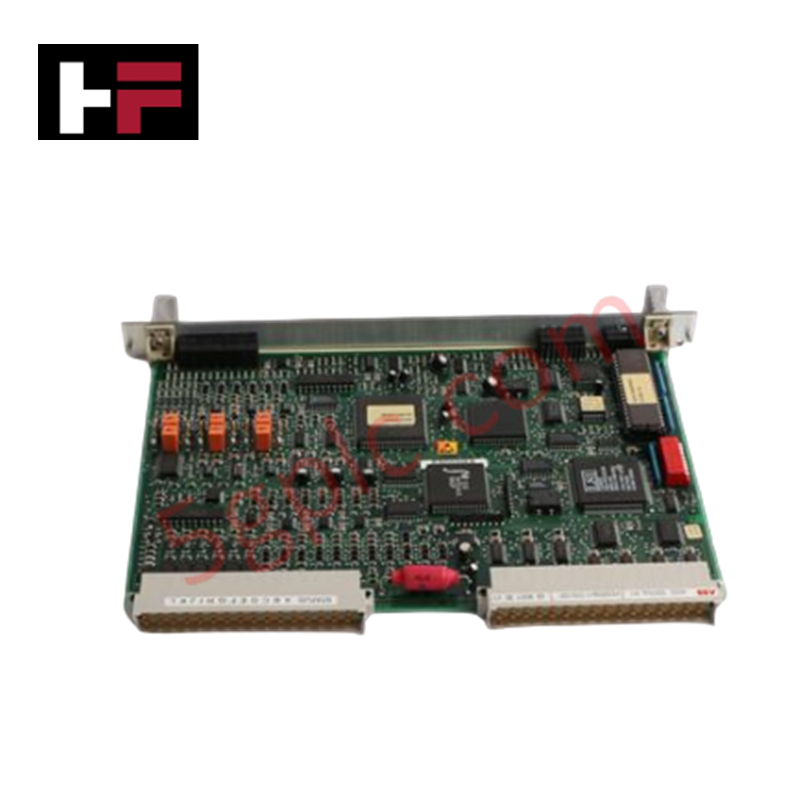
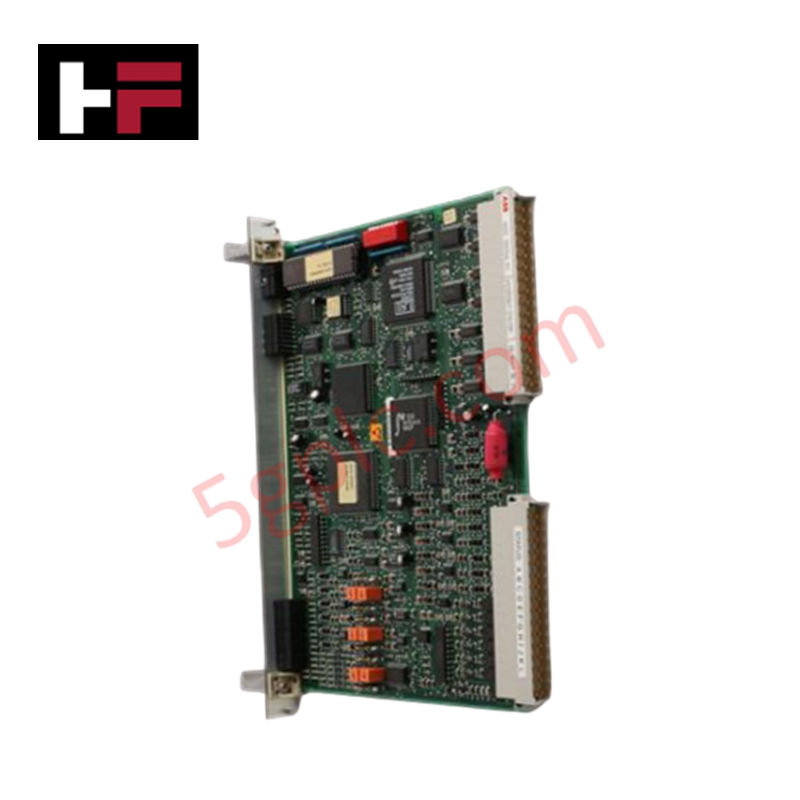
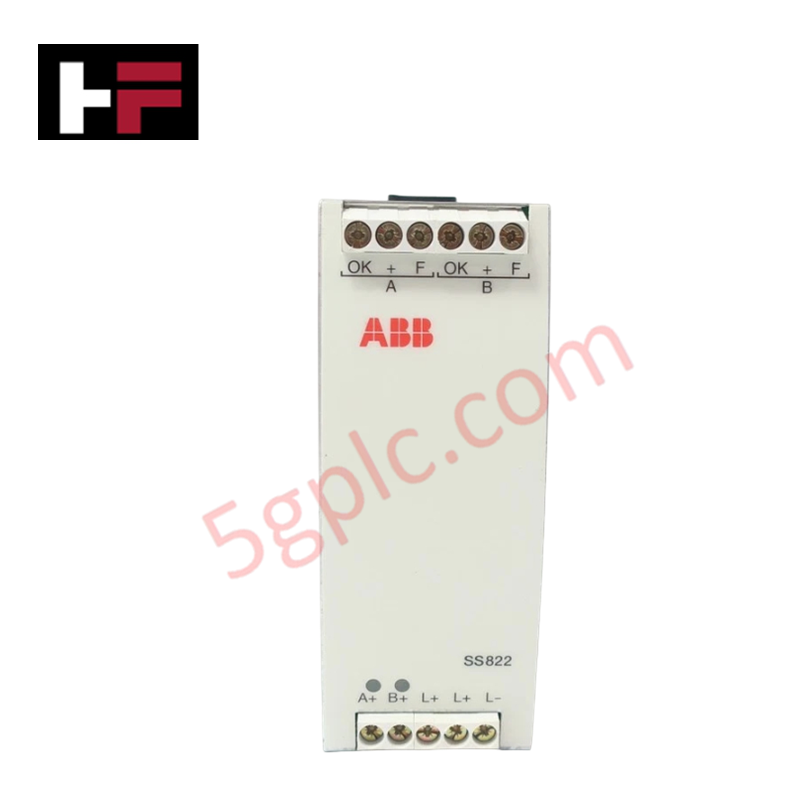
The ABB CI520V1 (3BSE012869R1) functions as a high-precision analog input interface within the Advant OCS and S800 I/O ecosystems. This module converts field signals—including 0-10V voltage and 0/4-20mA current—into digital data for the controller via a Profibus DP-V1 communication link. It manages critical process variables with 15-bit resolution, ensuring high-fidelity signal reproduction for complex control loops. We supply this unit as 100% Brand New and Original, maintaining factory-sealed integrity for mission-critical industrial applications.
Technical Specifications
The CI520V1 provides superior signal processing capabilities across four independent channels:
-
Channels: 4 Independent Inputs
-
Communication: Profibus DP-V1
-
Signal Ranges: 0-10V, 0-20mA, 4-20mA
-
Resolution: 15-bit (including sign)
-
Accuracy: ±0.1% of full scale (at 25°C)
-
Conversion Time: 20 ms per channel
-
Common-Mode Rejection: >120 dB at 50/60 Hz
-
Isolation: Full channel-to-channel and channel-to-bus isolation
-
Power Supply: 24 V DC (19.2 - 30 V DC)
-
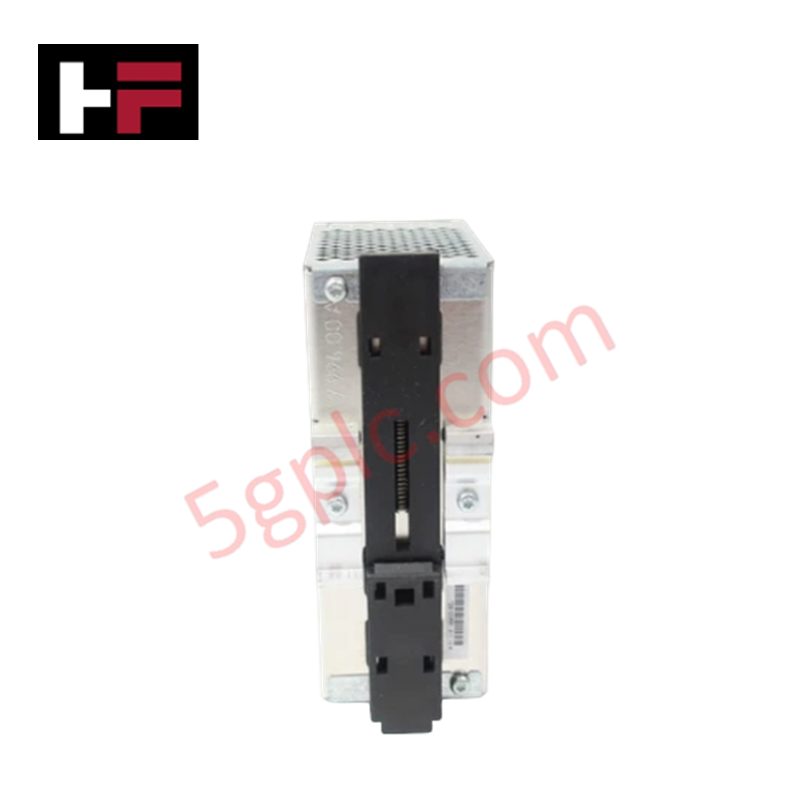
Mounting: Standard DIN rail
-
Operating Temp: -25°C to +60°C
Engineering Advantages
-
Advanced Signal Noise Suppression: The CI520V1 implements a high common-mode rejection ratio (>120 dB). This feature effectively filters out electrical noise from high-voltage switchgear and variable frequency drives (VFDs), ensuring that the controller receives clean, accurate process data even in electrically "noisy" environments.
-
Complete Galvanic Isolation: The module features both channel-to-channel and channel-to-bus isolation. This architecture prevents ground loops and protects the internal system bus from field-side electrical surges, significantly increasing overall system reliability and safety.
-
High-Speed Processing: A 20 ms conversion time per channel ensures the DCS (Distributed Control System) reacts quickly to process changes. This rapid update rate supports stable control for fast-moving parameters such as pressure or flow rate in critical chemical and energy applications.
-
Simplified Field Wiring: The removable screw terminal block allows technicians to pre-wire field connections before installing the module. This design streamlines hardware swaps during maintenance and reduces the risk of wiring errors in cramped control cabinets.
-
Precision Measurement Capability: 15-bit resolution allows the module to detect minute fluctuations in input signals. This granularity is essential for high-accuracy applications where standard 12-bit modules fail to provide sufficient process insight.
FAQs
-
Can the CI520V1 handle both voltage and current inputs simultaneously?
Yes. Each of the four channels supports independent configuration. You can mix 4-20mA sensors and 0-10V transmitters on the same module, provided you configure the software and hardware jumpers correctly.
-
What is the benefit of Profibus DP-V1 support?
The DP-V1 protocol enables asynchronous communication. This allows the system to perform advanced diagnostics and parameterization without interrupting the cyclic data exchange between the module and the controller.
-
Does the unit require a specific power conditioner?
The CI520V1 operates on a standard 24 V DC supply and tolerates a wide voltage range (19.2 to 30 V DC). However, using an isolated industrial power supply prevents external transients from affecting measurement accuracy.
-
How do I verify the module status in the field?
The CI520V1 includes integrated status indicators. These LEDs provide immediate visual feedback regarding the module's power health and the integrity of the Profibus communication link.
Additional Information
- 100% Genuine Parts: All products are original and authentic, ensuring reliable industrial performance.
- 30-Day Refund Guarantee: Return any in-stock item within 30 days in original, unopened packaging for a full refund (excluding shipping and fees).
- 12-Month Warranty: Covers defects in materials or workmanship; excludes misuse, normal wear, or unauthorized modifications.
- Worldwide Shipping: We ship via USPS, UPS, FedEx, and DHL. Delivery times vary by country and may be subject to customs or import fees.
- Support & Contact: Technical and warranty assistance is available anytime. Contact us here: Contact.
- Purchase Guidance: Check product specifications and compatibility carefully before ordering to ensure proper application.
Tech & Buying Guide

Essential Motion Control Commands: A Practical Guide for Engineers
Automation engineers often rely on precise position and speed control to drive modern factory machinery. Modern industrial systems, such as Programmable Logic Controllers (PLCs) and Distributed Control Systems (DCS), depend heavily on standardized motion instructions. Mastering these commands ensures operational safety, protects mechanical components, and optimizes cycle times across production lines.
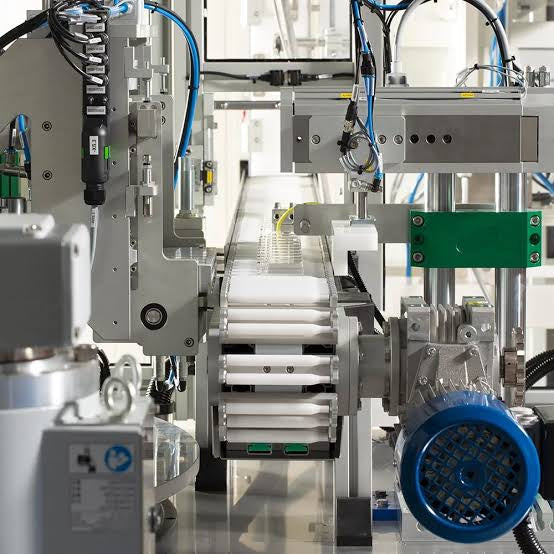
Mastering Modern Industrial Joystick Controls in Heavy Automation
Industrial joysticks play a pivotal role in human-machine interaction across heavy material handling and mobile hydraulics. These tactile controllers translate complex operator movements into precise electrical signals for PLCs, motion controllers, and DCS networks. Consequently, selecting and installing the right joystick architecture ensures operator safety, reduces fatigue, and optimizes equipment performance.

Navigating Industrial Automation Failures: Types, Causes, and Mitigation Strategies
Modern manufacturing relies heavily on automated control systems to maximize throughput and maintain product quality. However, unplanned downtime in industrial automation can cost facility operators thousands of dollars per hour. Understanding how programmable logic controllers (PLCs), distributed control systems (DCS), and field instrumentation fail empowers engineering teams to implement robust preventive maintenance strategies.