












Product Details
Product Overview
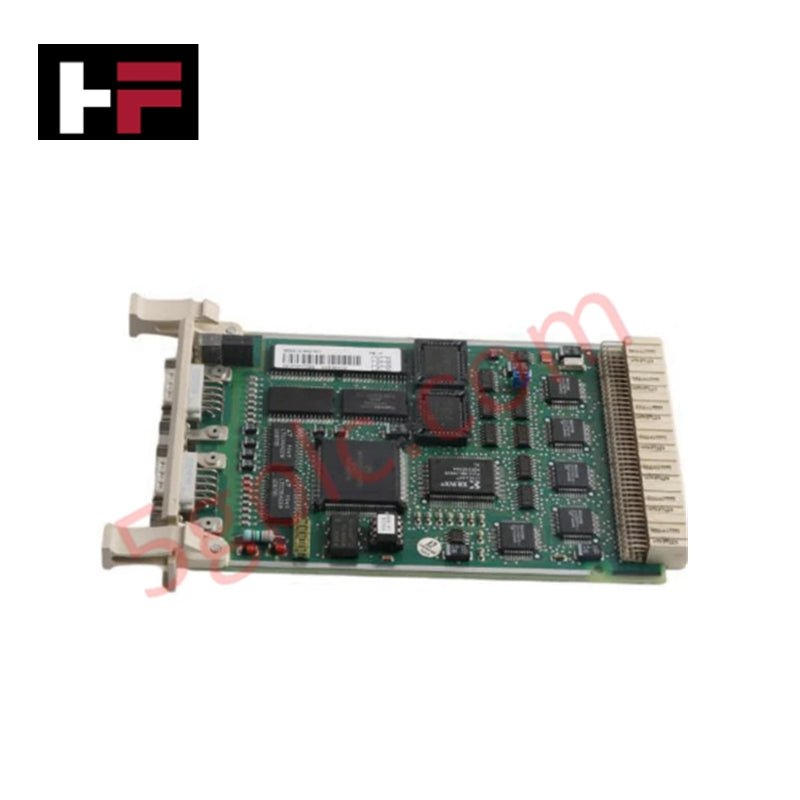
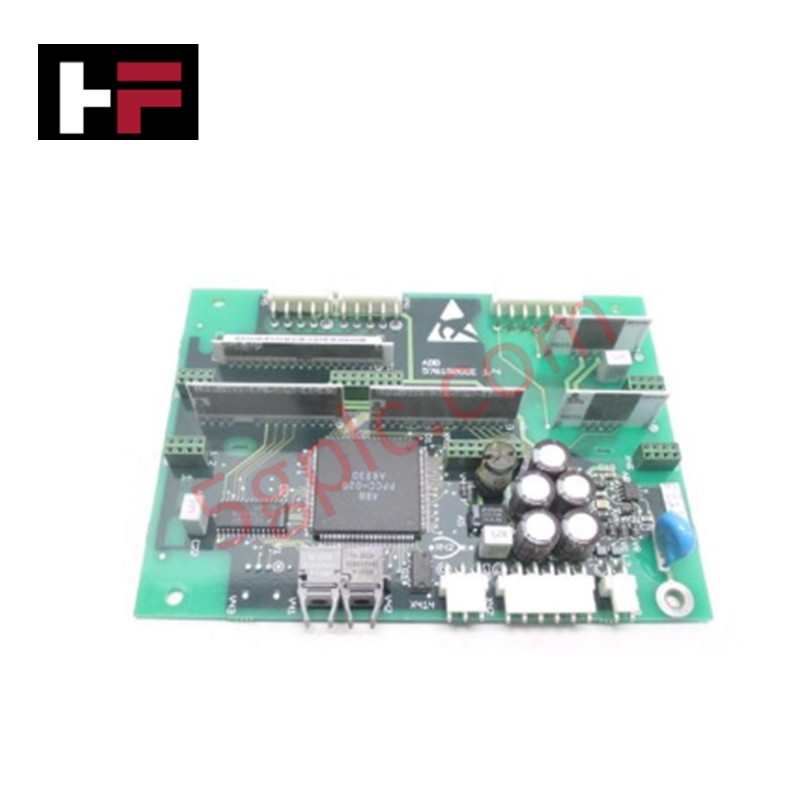
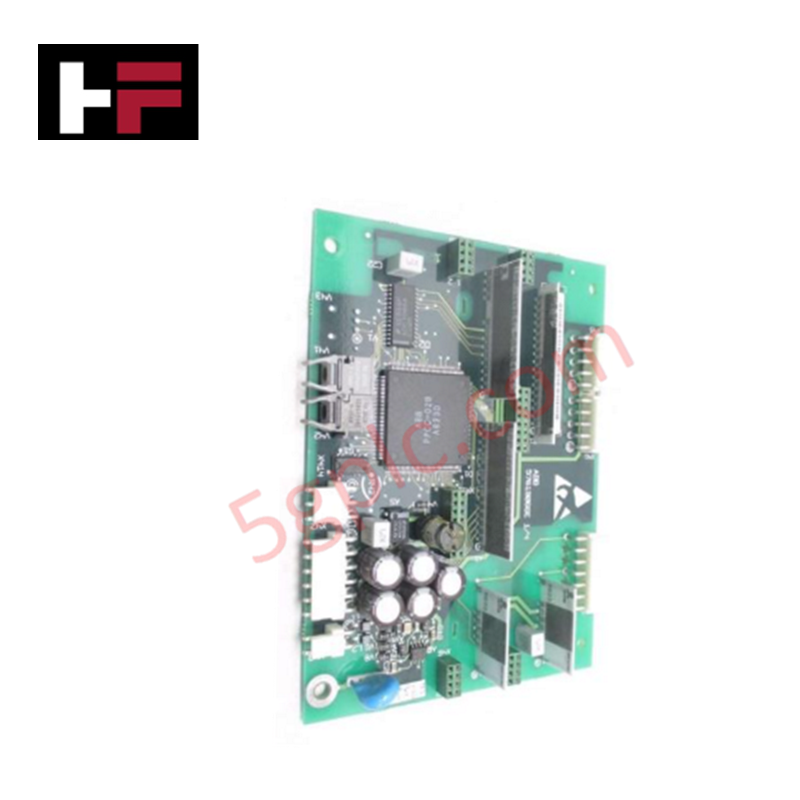
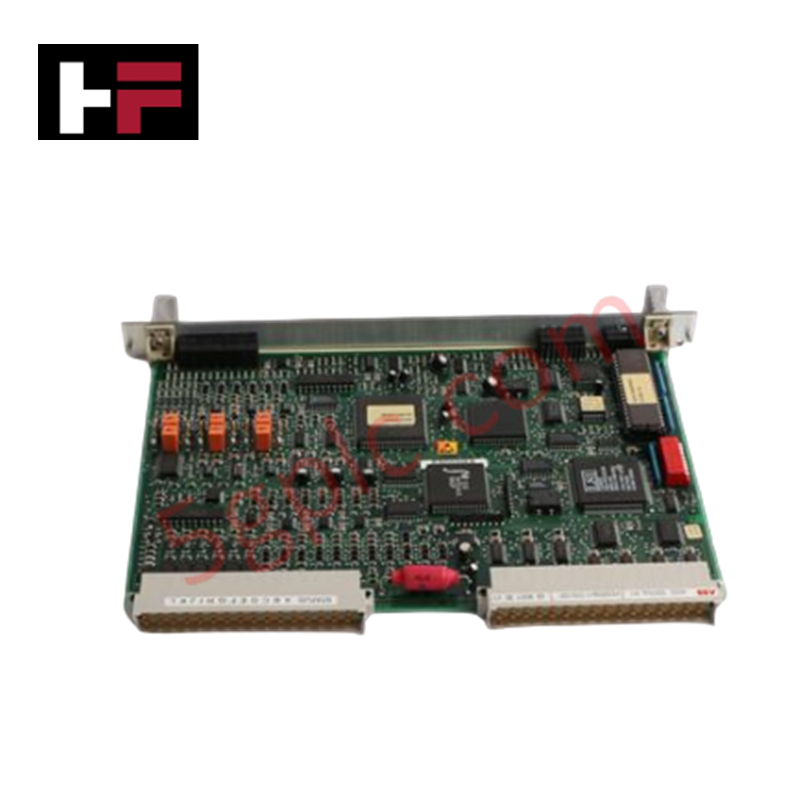
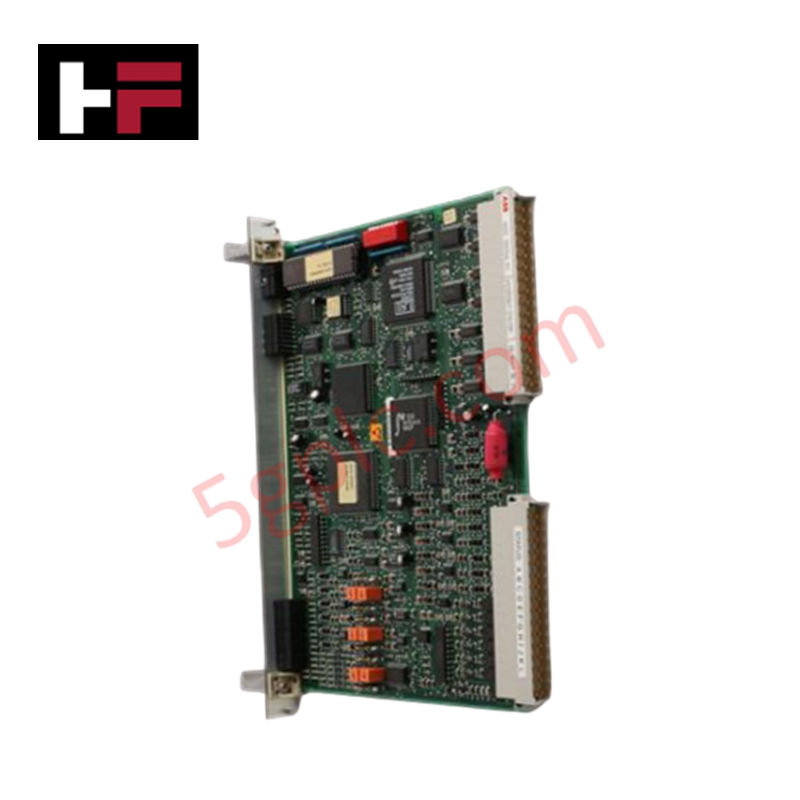
The ABB CI534V02 (3BSE010700R1) functions as a high-performance communication submodule designed for the Advant OCS (Open Control System) environment. This module provides two independent channels for MODBUS RTU serial communication, enabling seamless integration between ABB controllers and third-party devices such as power meters, frequency drives, and specialized field sensors. It translates complex external data into system-native variables, ensuring real-time visibility across the DCS network. We supply this unit as 100% Brand New and Original, maintaining factory-sealed standards for critical infrastructure stability.
Technical Specifications
The CI534V02 utilizes a specialized dual-port architecture to manage concurrent data streams:
-
Article Number: 3BSE010700R1
-
Module Type: Communication Submodule
-
Interface Protocol: MODBUS (Serial)
-
Number of Channels: 2 Independent Channels
-
Net Weight: 0.155 kg
-
Product Dimensions: 108 mm (W) x 27 mm (H) x 238.5 mm (D)
-
HS Code: 85176200
-
Country of Origin: Sweden
-
Compatibility: ABB Advant OCS Controller Subracks
Engineering Advantages
-
Dual-Channel Efficiency: The CI534V02 integrates two physical MODBUS ports within a single submodule footprint. This design allows the controller to communicate with two separate device networks simultaneously, doubling the connectivity density without requiring additional rack slots.
-
Optimized Signal Integrity: The hardware implements advanced filtering to suppress electromagnetic interference (EMI) typical in high-voltage industrial environments. This ensures stable data packet transmission even when routing serial cables alongside motor power leads.
-
Seamless Backplane Integration: The submodule utilizes a high-reliability plug-in connector that interfaces directly with the master communication module or controller backplane. This secure physical connection prevents signal loss caused by mechanical vibration or thermal cycling in 24/7 process operations.
-
Broad Device Interoperability: By adhering to the standard MODBUS RTU protocol, the CI534V02 opens the Advant OCS to thousands of third-party instruments. It simplifies the integration of specialized equipment, allowing the DCS to act as a centralized data aggregator.
-
Low Thermal Footprint: Despite managing dual active channels, the module utilizes low-power CMOS technology to minimize heat dissipation. This allows for high-density mounting in enclosed cabinets where airflow remains restricted.
FAQs
-
Can the CI534V02 replace the older V01 version?
The CI534V02 represents a hardware revision that enhances component longevity and timing stability. It generally maintains backward compatibility; however, we recommend verifying your specific controller firmware version to ensure the driver recognizes the V02 hardware signature.
-
Does this submodule require a separate power supply?
No. The CI534V02 draws the required logic power directly from the host module or backplane interface. This eliminates the need for external 24V DC wiring at the submodule level.
-
How do I configure the baud rate and parity for each channel?
You define the communication parameters (Baud rate, Parity, Data bits, and Stop bits) within the Advant OCS engineering tool. Each channel supports independent configuration, allowing you to connect devices with different speeds to the same module.
-
What is the maximum cable length supported for the MODBUS link?
The serial physical layer typically supports distances up to 1200 meters (4000 feet) at lower baud rates. We recommend using high-quality shielded twisted-pair (STP) cable and proper end-of-line termination to ensure data integrity over long distances.
Additional Information
- 100% Genuine Parts: All products are original and authentic, ensuring reliable industrial performance.
- 30-Day Refund Guarantee: Return any in-stock item within 30 days in original, unopened packaging for a full refund (excluding shipping and fees).
- 12-Month Warranty: Covers defects in materials or workmanship; excludes misuse, normal wear, or unauthorized modifications.
- Worldwide Shipping: We ship via USPS, UPS, FedEx, and DHL. Delivery times vary by country and may be subject to customs or import fees.
- Support & Contact: Technical and warranty assistance is available anytime. Contact us here: Contact.
- Purchase Guidance: Check product specifications and compatibility carefully before ordering to ensure proper application.
Tech & Buying Guide

Essential Motion Control Commands: A Practical Guide for Engineers
Automation engineers often rely on precise position and speed control to drive modern factory machinery. Modern industrial systems, such as Programmable Logic Controllers (PLCs) and Distributed Control Systems (DCS), depend heavily on standardized motion instructions. Mastering these commands ensures operational safety, protects mechanical components, and optimizes cycle times across production lines.

Mastering Modern Industrial Joystick Controls in Heavy Automation
Industrial joysticks play a pivotal role in human-machine interaction across heavy material handling and mobile hydraulics. These tactile controllers translate complex operator movements into precise electrical signals for PLCs, motion controllers, and DCS networks. Consequently, selecting and installing the right joystick architecture ensures operator safety, reduces fatigue, and optimizes equipment performance.

Navigating Industrial Automation Failures: Types, Causes, and Mitigation Strategies
Modern manufacturing relies heavily on automated control systems to maximize throughput and maintain product quality. However, unplanned downtime in industrial automation can cost facility operators thousands of dollars per hour. Understanding how programmable logic controllers (PLCs), distributed control systems (DCS), and field instrumentation fail empowers engineering teams to implement robust preventive maintenance strategies.