












Product Details
Description
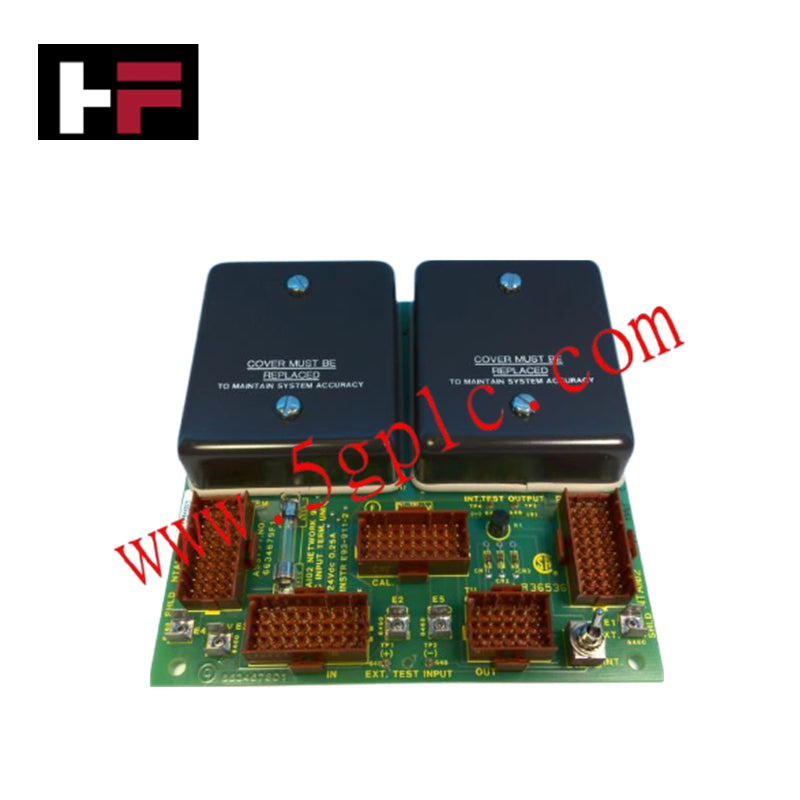
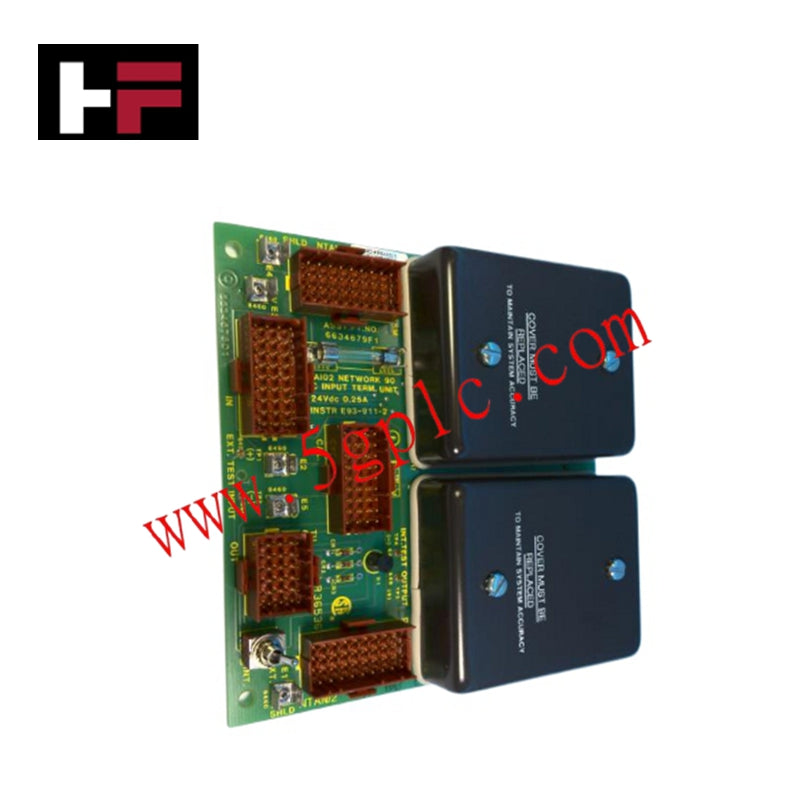
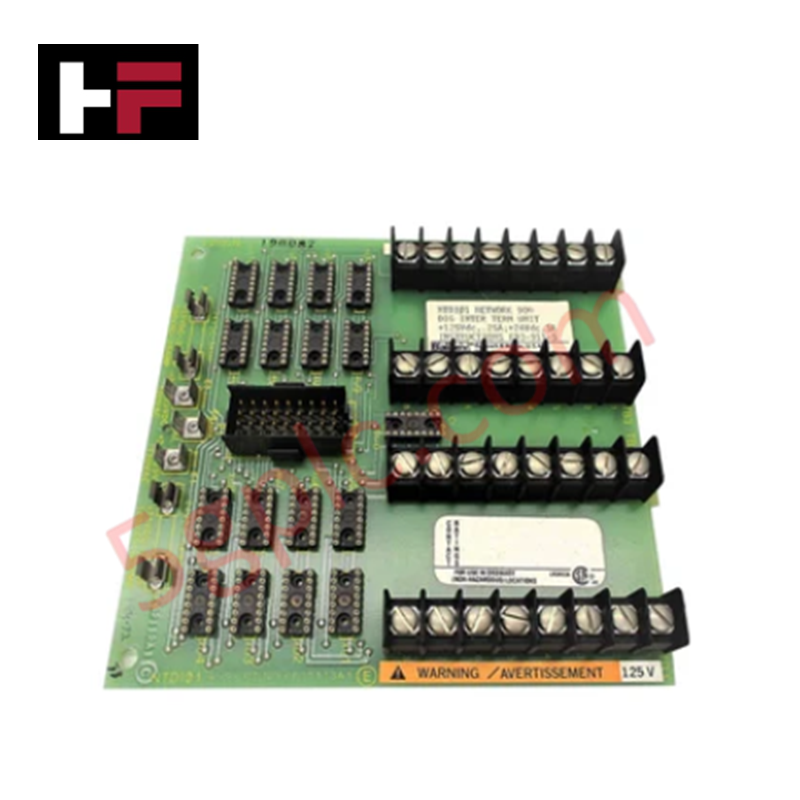
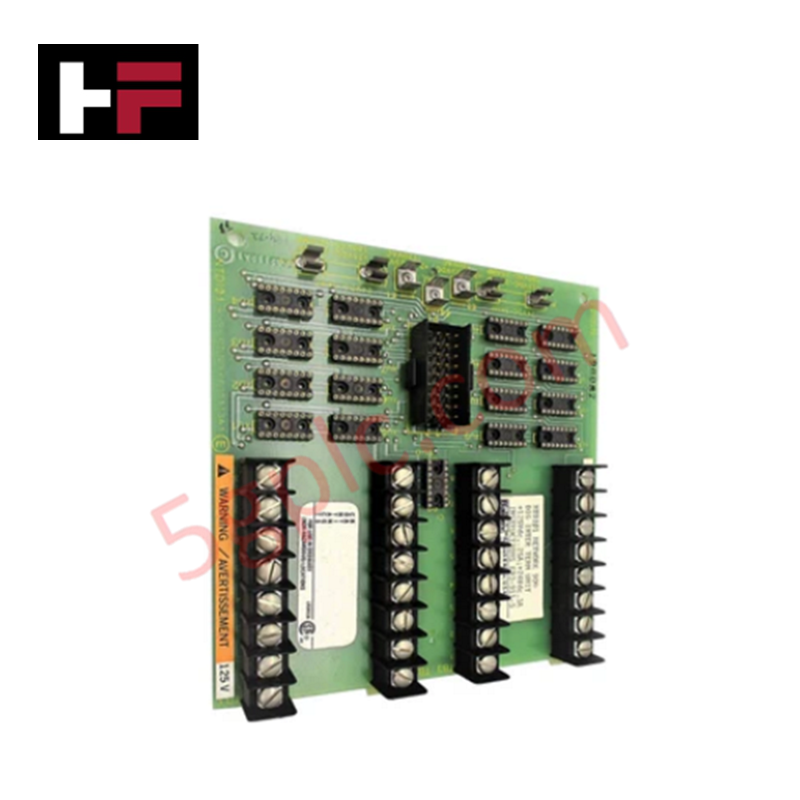
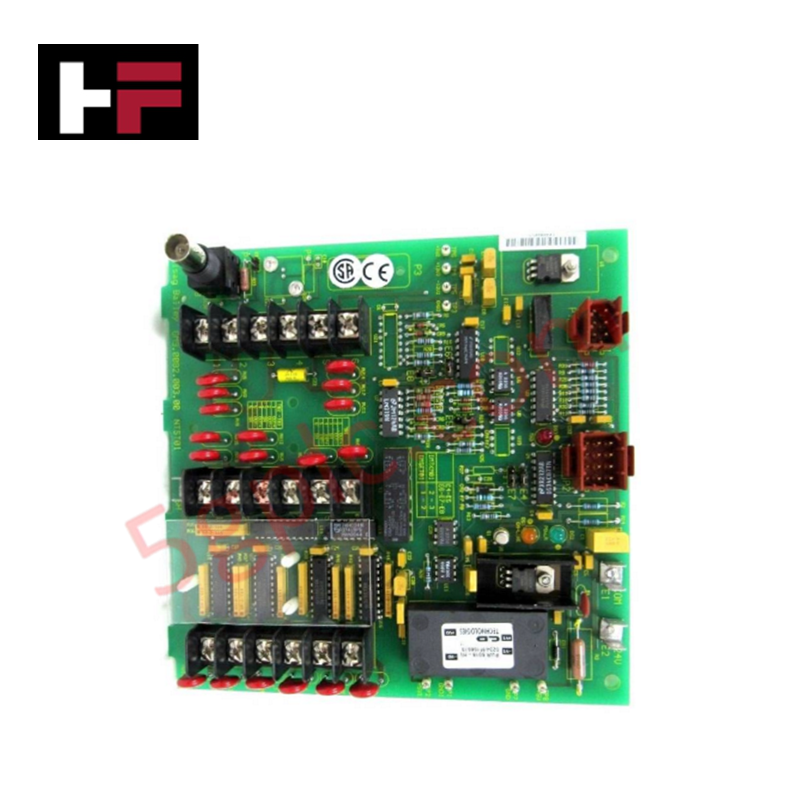
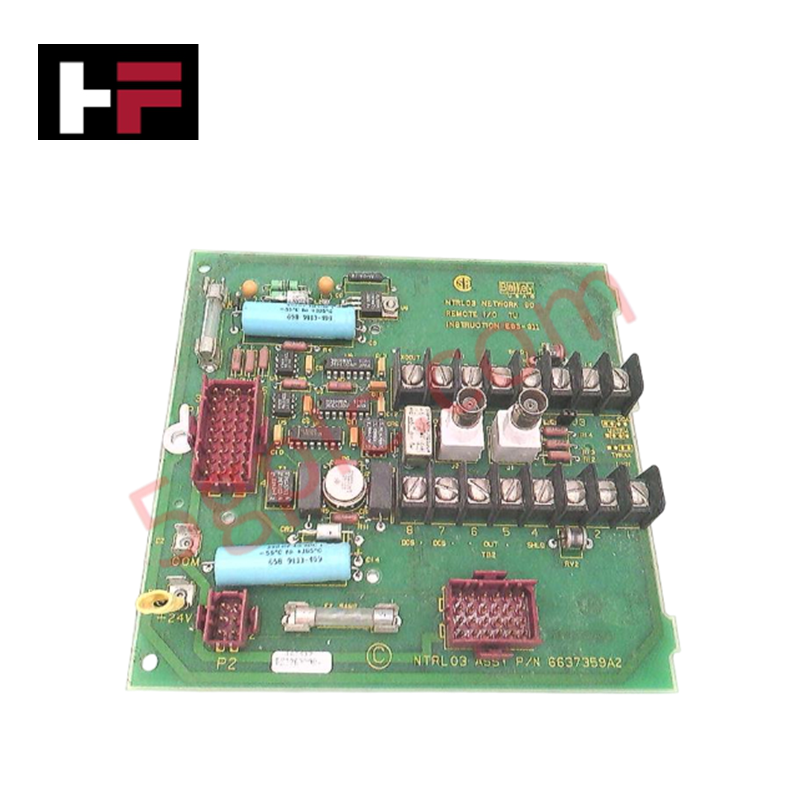
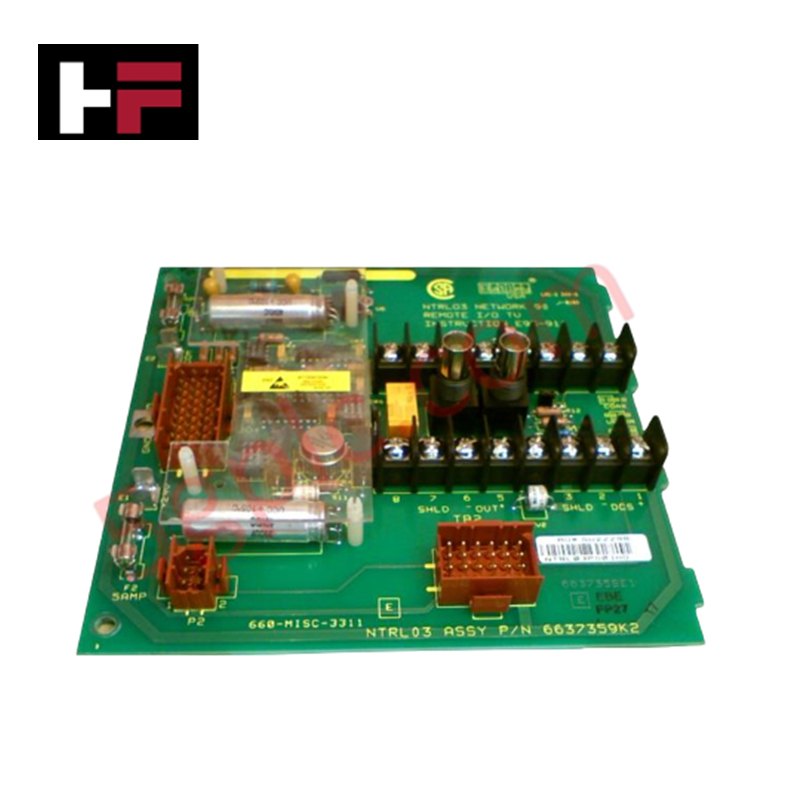
The ABB NTAI02 is a dedicated Analog Input Termination Unit engineered for the Bailey Infi 90 and Network 90 Distributed Control Systems (DCS). This unit functions as the physical junction point where field transmitter signals are landed and routed to the system's Analog Input Slave modules. It is designed to handle up to 16 channels of analog data, supporting standard industrial signal ranges such as 4-20 mA and 1-5 VDC. By providing a structured termination environment, the NTAI02 ensures high signal fidelity and simplifies the complexity of field-to-control room wiring. Its robust electrical design includes provision for shunt resistors, allowing for versatile current-to-voltage conversion directly at the terminal level.
Specifications
-
Brand: ABB Bailey
-
Model Number: NTAI02
-
Product Type: Analog Input Termination Unit
-
Series: Infi 90 / Network 90
-
Input Capacity: 16 Analog Channels
-
Field Wiring: Screw-down terminal blocks
-
Module Interface: Ribbon cable connection to IMASI or similar slave modules
-
Mounting Requirements: Compatible with NMOI01 or NMOI02 mounting bases
-
Dimensions: 177.8 mm x 35.6 mm x 127 mm
-
Product Net Weight: 0.45 kg (0.99 lbs)
Features
-
Versatile Signal Interfacing: Optimized for both voltage and current signals, facilitating the integration of diverse field instruments like pressure sensors and flow meters.
-
Component-Ready Design: Specifically designed to accommodate field-installable shunt resistors (typically 250 ohms) for 4-20 mA loop conversion.
-
Streamlined Maintenance: Features a modular layout with clearly indexed terminals, allowing technicians to isolate loops and perform measurements without disturbing adjacent channels.
-
Reliable Connection Architecture: Built with industrial-grade materials to prevent oxidation and ensure low-contact resistance in mission-critical processing environments.
-
Interference Mitigation: The board layout is engineered to minimize crosstalk between channels, preserving the accuracy of low-level analog inputs across the entire 16-point block.
Additional Information
- 100% Genuine Parts: All products are original and authentic, ensuring reliable industrial performance.
- 30-Day Refund Guarantee: Return any in-stock item within 30 days in original, unopened packaging for a full refund (excluding shipping and fees).
- 12-Month Warranty: Covers defects in materials or workmanship; excludes misuse, normal wear, or unauthorized modifications.
- Worldwide Shipping: We ship via USPS, UPS, FedEx, and DHL. Delivery times vary by country and may be subject to customs or import fees.
- Support & Contact: Technical and warranty assistance is available anytime. Contact us here: Contact.
- Purchase Guidance: Check product specifications and compatibility carefully before ordering to ensure proper application.

Tech & Buying Guide
Mastering Modern Industrial Joystick Controls in Heavy Automation
Industrial joysticks play a pivotal role in human-machine interaction across heavy material handling and mobile hydraulics. These tactile controllers translate complex operator movements into precise electrical signals for PLCs, motion controllers, and DCS networks. Consequently, selecting and installing the right joystick architecture ensures operator safety, reduces fatigue, and optimizes equipment performance.

Navigating Industrial Automation Failures: Types, Causes, and Mitigation Strategies
Modern manufacturing relies heavily on automated control systems to maximize throughput and maintain product quality. However, unplanned downtime in industrial automation can cost facility operators thousands of dollars per hour. Understanding how programmable logic controllers (PLCs), distributed control systems (DCS), and field instrumentation fail empowers engineering teams to implement robust preventive maintenance strategies.
Essential Motion Control Commands: A Practical Guide for Engineers
Automation engineers often rely on precise position and speed control to drive modern factory machinery. Modern industrial systems, such as Programmable Logic Controllers (PLCs) and Distributed Control Systems (DCS), depend heavily on standardized motion instructions. Mastering these commands ensures operational safety, protects mechanical components, and optimizes cycle times across production lines.